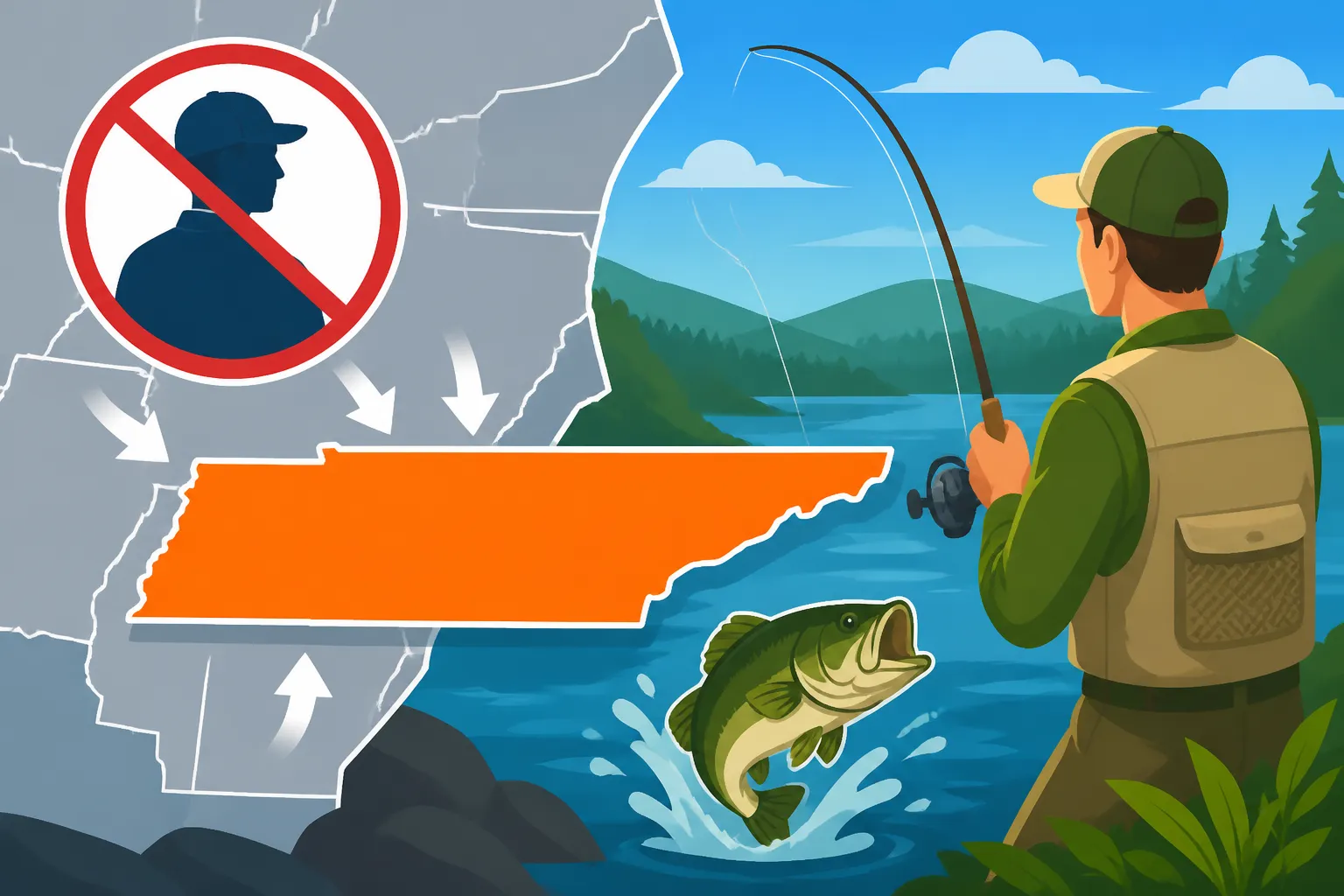
Nonresidents from bordering states still need a Tennessee license inland
It's incredibly frustrating when you're an avid angler living just across the state line, perhaps in Kentucky or Alabama, and you want to enjoy Tennessee's fantastic fishing spots, only to be confused about where your home state license actually applies. Many folks mistakenly believe that if your state borders Tennessee, your license automatically works everywhere, but that's simply not the case for most inland waters. This guide is here to untangle that knot of confusion, clarifying exactly when nonresidents from bordering states need a separate Tennessee fishing license to cast a line in our beautiful Volunteer State's interior waters.
Understanding Tennessee's Nonresident Fishing License Rules
The world of fishing regulations can feel like a labyrinth, especially when you're crossing state lines. For our friends living in neighboring states like Kentucky, Virginia, North Carolina, Georgia, Alabama, Mississippi, Arkansas, or Missouri, there’s a common misconception that your home state license might cover you when you venture into Tennessee’s vast network of lakes and rivers. It’s a completely understandable thought, given the proximity and shared natural resources, but the reality is often quite different once you leave the immediate border areas.
The Myth of Universal Reciprocity
Let's address this head-on: the idea that a fishing license from a bordering state automatically grants you access to all of Tennessee's waters, or even most of them, is a myth. While it would certainly simplify things for cross-state anglers, each state primarily governs its own natural resources and expects visitors to contribute to their conservation efforts through license purchases. The waters you fish within Tennessee's borders are generally under the jurisdiction of the Tennessee Wildlife Resources Agency (TWRA), and they have specific requirements for anyone, resident or nonresident, who wants to fish here.
This misconception often stems from wishful thinking or perhaps a misunderstanding of how limited reciprocity agreements typically work. Many anglers from neighboring areas assume a general "good neighbor" policy, but wildlife agencies operate on defined legal frameworks. Your valid fishing license from, say, Georgia, is fantastic for fishing in Georgia, but it's not a golden ticket to fish the entire state of Tennessee. Thinking otherwise could lead to an unwelcome encounter with a game warden, which is something every angler wants to avoid.
The purpose of a fishing license, at its core, is to fund the conservation and management of fish populations, habitat restoration, and enforcement efforts within that specific state. When you purchase a Tennessee fishing license, you're directly contributing to the health of our local fisheries, regardless of where you call home. This foundational principle is why states maintain their individual licensing requirements.
When Reciprocity Does Apply
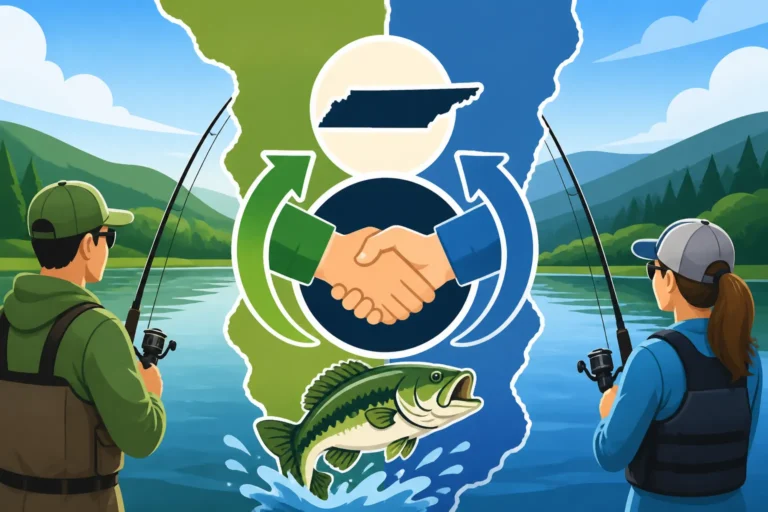
Now, before you get too disheartened, there are very specific and limited instances where reciprocity agreements might exist. These are almost exclusively found on shared border waters where the states' jurisdictions literally meet. For example, parts of the Mississippi River, which borders Tennessee and Missouri/Arkansas, have specific agreements. Similarly, portions of Kentucky Lake, shared by Tennessee and Kentucky, might have specific, agreed-upon areas where either state's license is valid.
It’s absolutely crucial to understand that these agreements are highly localized and do not extend broadly. They are often defined down to specific river miles, lake sections, or even certain tributaries that feed into shared main bodies of water. You simply cannot assume that because you're on a lake that touches your home state, your license is valid. For instance, while Kentucky Lake is massive and straddles both states, only very particular zones, typically the main channel, might have reciprocity. Venture too far into a Tennessee bay or cove, and you'll likely need a Tennessee fishing license.
Before you ever wet a line on what you believe might be a reciprocal water, it is your responsibility as an angler to verify the exact boundaries and rules. The Tennessee Wildlife Resources Agency (TWRA) provides detailed information, and it's always best to check their official site or even call them directly. Relying on hearsay or outdated information can lead to significant penalties. Don't let a casual assumption ruin a good day on the water; take the extra step to confirm those specific reciprocity zones.
Defining "Inland" Waters in Tennessee
So, if reciprocity is only for very specific border sections, what exactly constitutes "inland" waters where a Tennessee license is unequivocally required for nonresidents? Simply put, any waterbody that is wholly contained within the geographical boundaries of Tennessee is considered inland for licensing purposes. This includes the vast majority of our famous lakes like Chickamauga Lake, Norris Lake, Percy Priest Lake, Watts Bar Lake, Center Hill Lake, and countless others. It also applies to our stunning rivers once they leave any defined reciprocal border zones, like the Cumberland River, the Hiwassee River, or the Caney Fork River.
Even if a lake like Kentucky Lake or Dale Hollow Lake borders your state, once you move away from the agreed-upon reciprocal boundaries (which are often clearly marked, but sometimes require detailed map study), you are firmly in Tennessee’s jurisdiction. Think of it this way: if you can't reach the water from your home state's shoreline without physically crossing into Tennessee via land or navigating entirely within a recognized shared water zone, you're likely on inland waters. This distinction is vital for every nonresident angler to grasp.
The vast network of smaller reservoirs, state park lakes, public fishing lakes managed by TWRA, and countless streams and creeks are all firmly "inland." If you're planning a trip to fish for trout in the Great Smoky Mountains, target bass on Chickamauga Lake, or pursue crappie on Reelfoot Lake, you will need a valid Tennessee fishing license. There are no exceptions for these interior water bodies based on your state of residence, even if that state is just a short drive away.
Why a Tennessee License is Crucial for Bordering State Anglers Inland
It’s easy to view a fishing license as just another fee, another hurdle to jump before you can enjoy your pastime. But for states like Tennessee, these licenses are the lifeblood of our aquatic ecosystems and recreational opportunities. For nonresident anglers, especially those from neighboring states who might feel a special connection to our shared natural beauty, understanding the why behind the license requirement can help frame it less as an inconvenience and more as a contribution to something bigger.
Protecting Tennessee's Fisheries
Every single dollar generated from the sale of fishing licenses in Tennessee, whether it's an annual resident license or a short-term nonresident permit, goes directly back into the management and protection of our state's fisheries. This isn't just a vague promise; it's how the Tennessee Wildlife Resources Agency (TWRA) funds its crucial operations. These funds support essential programs like fish stocking, which ensures healthy populations of species such as rainbow trout in various streams and lakes, or bolstering populations of panfish in family-friendly ponds.
Beyond stocking, license revenue is vital for habitat improvement projects. This could involve restoring riverbanks, creating artificial fish attractors in reservoirs, or managing aquatic vegetation to ensure a balanced ecosystem. Without these funds, the incredible fishing opportunities Tennessee offers would quickly diminish. So, when you purchase your Nonresident Fishing License Costs in Tennessee, you’re not just buying a piece of paper; you're investing in the future of the very waters you intend to fish, ensuring they remain vibrant and productive for generations of anglers to come.
These funds also play a critical role in scientific research that helps TWRA biologists understand fish populations, monitor water quality, and manage species to prevent overfishing or decline. This data-driven approach allows for informed decisions on everything from catch limits to fishing seasons, all designed to maintain ecological balance. Your license helps ensure that species like largemouth bass, smallmouth bass, and crappie continue to thrive, making Tennessee a premier fishing destination.
Avoiding Penalties and Fines
Let's talk about the practical, immediate consequences: fishing without the proper Tennessee license in inland waters is illegal, and it carries penalties. A game warden patrolling a lake like Chickamauga or a river like the Holston isn't interested in your home state's license if you're outside a reciprocal zone. Their job is to enforce Tennessee's regulations, and an invalid license means you're breaking the law.
The penalties for fishing without a license can range from significant fines to the confiscation of your fishing gear, and potentially even court appearances. These fines often far exceed the cost of even an annual nonresident license. Imagine driving all the way from Alabama to fish on Pickwick Lake Bass and Catfish Fishing or Kentucky Lake Fishing on the Tennessee Side only to be hit with a hefty fine and a ruined trip because you didn't spend the relatively small amount on a Tennessee license. It's a risk that simply isn't worth taking. You can learn more about these consequences in our guide on Penalties for Fishing Without a License in Tennessee.
Beyond the financial hit, there's the inconvenience and embarrassment. No one wants their peaceful day on the water interrupted by a citation. It’s a moment that can sour an entire fishing trip. Being prepared with a valid Tennessee license, whether it's a digital copy on your phone or a printed one, offers peace of mind. It allows you to focus on the fishing, the scenery, and the joy of the outdoors, rather than looking over your shoulder.
Supporting Local Conservation Efforts
By buying a Tennessee fishing license, you're directly contributing to the conservation efforts that make our state a haven for anglers. This support extends beyond just fish stocking and habitat work; it also funds wildlife law enforcement, educational programs for youth, and maintenance of public access points like boat ramps and fishing piers. These are benefits that every angler, regardless of residency, gets to enjoy.
Think about it: the very reason Tennessee has such abundant and diverse fishing opportunities is because of these ongoing, state-funded initiatives. Without the collective contribution of all anglers, including our nonresident visitors, the quality of fishing would inevitably decline. Your license fee helps ensure that the scenic beauty and the rich aquatic life you've come to enjoy remain vibrant for years to come. It’s a small price to pay for access to some of the best fishing in the Southeast.
Moreover, these funds allow the TWRA to respond to emerging threats to aquatic environments, such as invasive species management or pollution control efforts. It’s a continuous, dynamic process that requires consistent funding. When you fish in Tennessee with a valid license, you're not just complying with the law; you’re becoming an active participant in the stewardship of our precious natural heritage. This shared responsibility is what keeps our waters healthy and our fishing strong.
Navigating Tennessee Nonresident License Options
Alright, so we've established that if you're coming from a bordering state and plan to fish inland waters, you absolutely need a Tennessee license. The good news is that Tennessee offers a variety of options designed to fit different trip durations and fishing preferences for nonresidents. It’s not a one-size-fits-all situation, allowing you to choose the most cost-effective and convenient permit for your adventure. You can get a much broader overview of all the options in our A Complete Guide to Fishing Licenses in Tennessee.
Annual vs. Short-Term Licenses for Nonresidents
For nonresidents, Tennessee provides a clear choice between an annual license and several short-term options. The Nonresident Annual All-Species Fishing License is ideal if you plan on visiting Tennessee multiple times throughout the year. While it's a higher upfront cost, it often proves to be the most economical choice if you anticipate more than a couple of fishing trips. This license covers all species and is valid for a full 12 months from the date of purchase. For serious nonresident anglers who frequent Tennessee waters, this annual option makes a lot of sense, saving you the hassle and potential increased cost of buying multiple short-term passes.
However, if your visit to Tennessee is a one-off event, or if you're just planning a single weekend getaway, the short-term licenses are your best bet. Tennessee offers a 3-Day Nonresident All-Species Fishing License and a 10-Day Nonresident All-Species Fishing License. These are perfect for those extended weekend trips or a week-long fishing vacation. For instance, if you're driving from Atlanta for a long weekend of bass fishing on Douglas Lake Fishing Near Knoxville, a 3-day license might be perfect. If you're coming from Missouri for a full week on the Tennessee River, the 10-day option offers great value. These short-term licenses allow you to experience Tennessee's diverse fishing without committing to a full year's purchase, and you can compare the various Nonresident 3-Day and 10-Day License Options for Tennessee in detail.
Choosing between these often comes down to simple math based on your anticipated trips. If you think you'll fish more than twice a year for 3-5 days each time, the annual license might break even or even save you money. For instance, two 10-day licenses will cost more than a single annual license. It's always worth taking a moment to consider your plans before making a purchase.
| License Type | Duration | Trout Included? | Approximate Cost (2024)* | Notes |
|---|---|---|---|---|
| Nonresident Annual All-Species | 1 Year | No (requires permit) | $49 | Best for frequent visitors. Valid 12 months from purchase. |
| Nonresident Annual All-Species (with Trout) | 1 Year | Yes | $98 | Comprehensive annual coverage, including trout. |
| Nonresident 3-Day All-Species | 3 Consecutive Days | No (requires permit) | $20 | Ideal for short weekend trips. |
| Nonresident 3-Day All-Species (with Trout) | 3 Consecutive Days | Yes | $40 | Short-term with trout access. |
| Nonresident 10-Day All-Species | 10 Consecutive Days | No (requires permit) | $30 | Great for longer vacations. |
| Nonresident 10-Day All-Species (with Trout) | 10 Consecutive Days | Yes | $61 | Longer-term with trout access. |
*Costs are subject to change by TWRA. Always check the official TWRA website for the most current pricing.
The Trout Permit Consideration
Here’s a critical detail for many nonresident anglers: if you plan on targeting trout in Tennessee’s designated trout waters, you’ll almost always need an additional trout permit on top of your base fishing license, unless you purchase one of the combined licenses that explicitly includes trout. This is often an overlooked detail that can lead to unexpected fines. Tennessee has some fantastic trout streams, especially in the eastern part of the state, and they are heavily managed and stocked by TWRA. The trout permit ensures that those specific conservation efforts are adequately funded.
Whether you're after rainbow, brown, or brook trout in places like the Clinch River or the streams of the Great Smoky Mountains National Park, this permit is non-negotiable. It's often bundled into higher-tier nonresident annual or short-term licenses, so when you're making your purchase, be sure to select the option that explicitly states "with trout" if you intend to pursue them. The cost difference is usually minimal compared to the potential fine for not having it, and it directly supports the cold-water fisheries you're enjoying. You can find more specific details on this in our guide, Do You Need a Trout Permit With Your Tennessee License.
Remember, trout permits are required for all anglers, resident or nonresident, unless you are specifically exempt (e.g., during Free Fishing Day for youth). Don't make the mistake of assuming your general fishing license covers trout; Tennessee’s regulations on trout are quite specific because of the intensive management required for these sensitive fish. Understanding Why Nonresident Licenses Cost More With Trout Included can help clarify this vital component of Tennessee's fishing regulations.
Easy Ways to Purchase Your Tennessee License
Purchasing your Tennessee fishing license, thankfully, is a straightforward process these days. You have several convenient options that make it easy to get compliant before you even hit the water.
The most popular and arguably easiest method is to purchase your license online through the official TWRA website. This allows you to buy your license from the comfort of your home, print it out immediately, or save a digital copy to your phone. It's quick, efficient, and ensures you have your license in hand (or on screen) the moment you arrive in the state. Many anglers will even use this method while driving to their destination, pulling over to make the purchase on their mobile device. Check out our detailed steps on How to Buy or Renew a Tennessee Fishing License Online.
If you prefer a more traditional route, or if you find yourself needing a license on the fly once you've arrived, there are numerous authorized license agents throughout the state. These include most sporting goods stores like Bass Pro Shops or Academy Sports + Outdoors, many bait and tackle shops, and even some county clerk offices. Just look for the official TWRA license agent signage. This is a great option if you want to chat with local experts about fishing conditions while picking up your license. You can easily find a list of these locations by searching "where to buy fishing license Tennessee" online. Our guide on Where to Buy a Fishing License in Tennessee also provides more localized details.
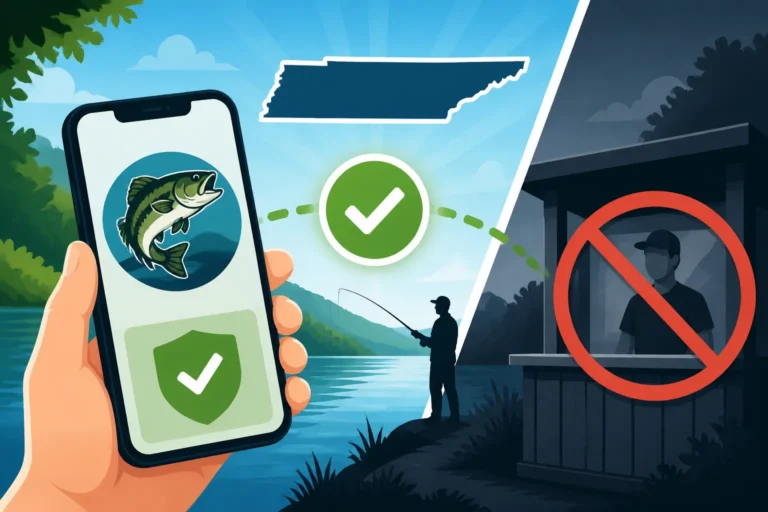
Whether you opt for a Digital vs Printed Fishing Licenses in Tennessee, the key is to ensure it’s valid before you start fishing. There’s no grace period, and game wardens are diligent. Having proof of your license readily available, either on your smartphone or a physical copy, is a must.
Real-World Scenarios and Practical Advice
Let's put all this information into perspective with a few hypothetical situations that many anglers from bordering states might face. Understanding these scenarios can help solidify your grasp of Tennessee's nonresident fishing license requirements.
Planning a Trip from Kentucky to Norris Lake
Imagine you're an avid angler living in Bowling Green, Kentucky. You've heard legendary tales about the smallmouth bass fishing on Norris Lake, one of Tennessee's clearest and most beautiful reservoirs, located in East Tennessee. You pack your gear, including your valid Kentucky fishing license, and head south. As you approach Norris Lake, you might think, "Well, Kentucky borders Tennessee, so my license should be fine, right?"
Wrong. Norris Lake is entirely within Tennessee's inland boundaries. There are no reciprocal agreements with Kentucky that apply to Norris. If you cast a line on Norris Lake with only your Kentucky license, you are fishing illegally in Tennessee. The correct course of action here would be to purchase a Tennessee nonresident fishing license. Depending on your trip length, you could opt for a Nonresident 3-Day and 10-Day License Options for Tennessee or, if you plan to make multiple trips, an annual nonresident license. This ensures you're compliant and can enjoy your pursuit of Norris Lake's impressive smallmouth without any legal worries.
The same logic would apply if you were targeting striped bass on Norris Lake. These powerful fish offer incredible fights, but again, without a valid Tennessee license, you'd be in violation. The game warden checking licenses on Norris isn't going to care where your primary residence is; they only care that you have the proper Tennessee authorization to fish in these specific waters.
Anglers from Georgia Visiting Chickamauga Lake
Let's consider another common scenario. You're a bass tournament enthusiast from Gainesville, Georgia, and you've decided to tackle the renowned trophy bass waters of Chickamauga Lake near Chattanooga. Chickamauga has a national reputation for producing giant largemouth bass, and it's a bucket-list destination for many. You've got your Georgia fishing license, and after all, Georgia borders Tennessee, so you might assume some overlap.
Again, Chickamauga Lake is a major Tennessee reservoir, entirely within the state's interior. There are no reciprocal agreements with Georgia that would allow you to fish Chickamauga with a Georgia license. To legally fish on Chickamauga Lake, you absolutely need a valid Tennessee nonresident fishing license. This holds true whether you're fishing for that elusive trophy largemouth, chasing crappie in the spring, or bottom-fishing for catfish. Many anglers will often pick up specific baits or even a new rod and reel combo that they might have seen advertised on Amazon before making the trip to Chickamauga, ensuring they are fully equipped.
The same applies to any of Tennessee's other famous fishing holes that draw anglers from across state lines, such as Watts Bar Lake or Percy Priest Lake near Nashville. If you're coming from a bordering state, but the water body is clearly an "inland" Tennessee lake or river, you'll need that Tennessee license. Don't let the excitement of a new fishing spot distract you from this crucial regulation.
Double-Checking Before You Cast
The golden rule for any angler venturing into new waters, especially across state lines, is "When in doubt, check it out." Never assume. Always verify the current regulations and licensing requirements directly from the official source, which for Tennessee is the Tennessee Wildlife Resources Agency (TWRA). Their website is a treasure trove of information, including detailed maps, fishing regulations, and licensing purchase options. Many anglers even consult online forums or local bait shops, but always cross-reference with official TWRA sources to ensure accuracy. You might even find specialized gear for specific species on Amazon that aligns with Tennessee's regulations.
A few minutes of research before your trip can save you a world of trouble and expense. This due diligence isn't just about avoiding fines; it's about being a responsible and informed angler who respects the natural resources and the laws designed to protect them. Remember, ignorance of the law is never an excuse. Enjoying Tennessee's incredible fishing is easy when you're properly licensed, allowing you to relax and focus on what truly matters: catching fish and making memories.
Finally, remember that while you may need a Tennessee license, there's always Bobby Wilson Free Fishing Day in Tennessee, usually the first Saturday in June, when everyone, residents and nonresidents alike, can fish without a license in most public waters. It's a fantastic day to introduce someone new to fishing or just enjoy a license-free day on the water, but it's an exception, not the rule.
Disclaimer
Please note that fishing regulations, license requirements, and costs are subject to change by the Tennessee Wildlife Resources Agency (TWRA). While this guide strives to provide accurate and up-to-date information, it is always the angler's responsibility to consult the official TWRA website or contact them directly for the most current regulations before fishing. This content is for informational purposes only and should not be considered legal advice.