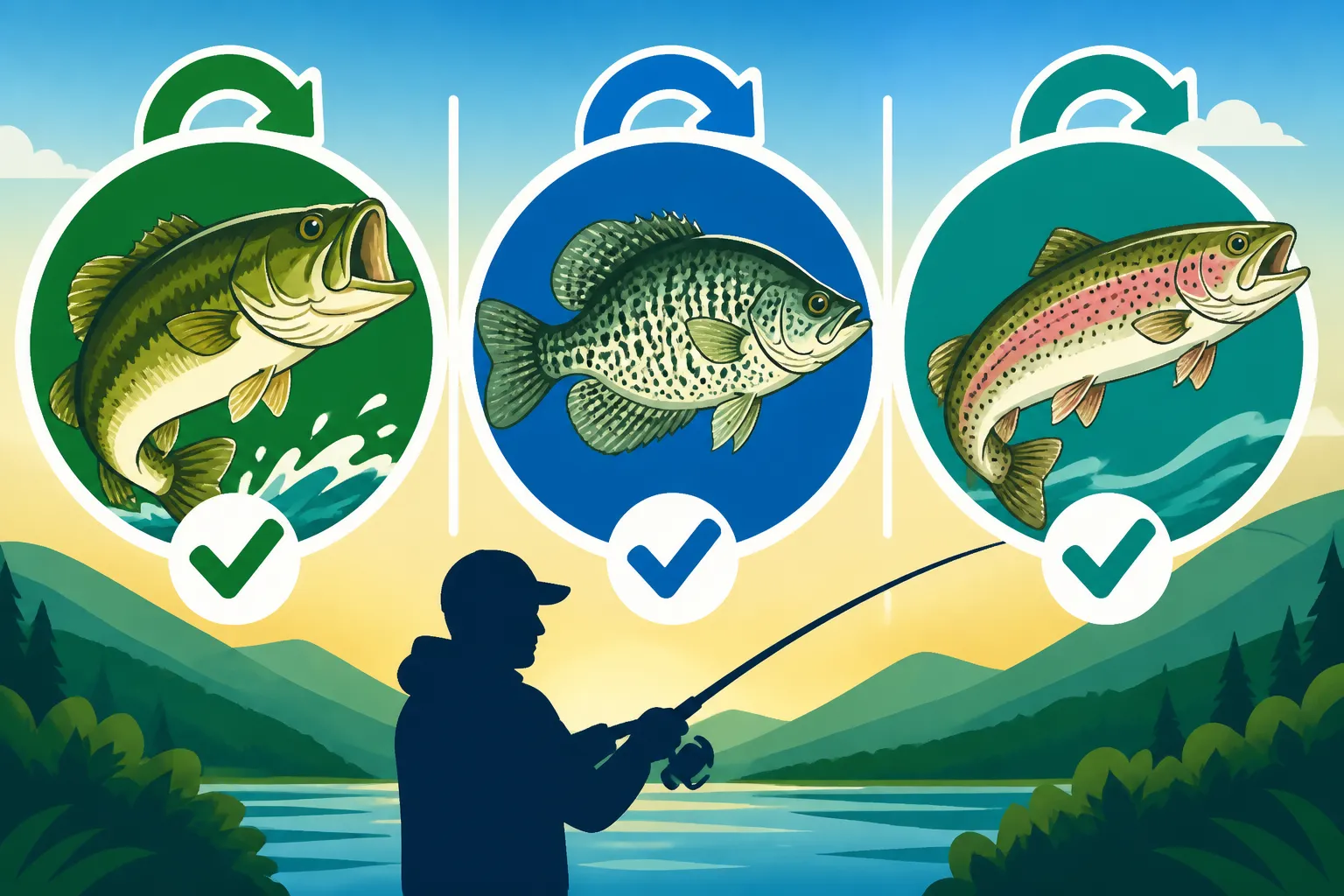
Bass, crappie and trout limits reset separately, not as one combined total
It's a question that pops up more often than you'd think, especially when you're gearing up for a fantastic fishing trip across Tennessee's diverse waters: "Do all those different fish limits – bass, crappie, trout – just add up to one big bucket total?" It's a completely fair thought, and one many anglers, myself included, have pondered. The good news, and what this guide will clear up for you today, is that no, Tennessee wisely keeps its daily creel limits separate for each major game fish species, giving you more opportunities to enjoy diverse catches responsibly.
Understanding Tennessee's Species-Specific Daily Limits
Imagine heading out on a gorgeous spring morning, the dogwoods blooming, and you're targeting smallmouth bass in one of Tennessee's pristine rivers, but you also know there's a good chance to pick up some feisty crappie. Or maybe you're on a big reservoir, hoping for a lunker largemouth, yet you packed your ultralight rod for some panfish action. The idea that all your hard-earned catches would count against a single, overarching daily limit for all fish can feel incredibly restrictive, almost like it discourages multi-species angling. Thankfully, the Tennessee Wildlife Resources Agency (TWRA) understands the joy of a varied catch, and their regulations reflect this by setting distinct daily limits for specific species.
Why Each Species Has Its Own Rules
The concept of separate limits isn't arbitrary; it's rooted in sound fisheries management and ecological understanding. Different fish species have varying population sizes, reproductive rates, growth patterns, and overall resilience to fishing pressure. For instance, trout often require specific cold-water habitats and can be more sensitive to overfishing in certain streams, leading to precise stocking schedules and regulations. Bass populations, particularly the popular black bass species like largemouth and smallmouth, are managed to ensure healthy breeding stocks and trophy potential, often involving length restrictions. Crappie, known for their prolific spawning, can often sustain higher catch rates.
By establishing individual daily limits for each species, the TWRA can tailor its conservation efforts to the unique needs of rainbow, brown, and brook trout, various bass species, and panfish like crappie. This approach helps prevent localized overfishing of one particular species while still allowing anglers to enjoy targeting multiple species in the same outing without immediate fear of hitting a combined, generic limit. It's a thoughtful balance that supports both healthy fish populations and a vibrant recreational fishing scene. You can learn more about these conservation efforts by checking out the main Tennessee Fishing Regulations Explained page.
How Daily Limits Work for Bass
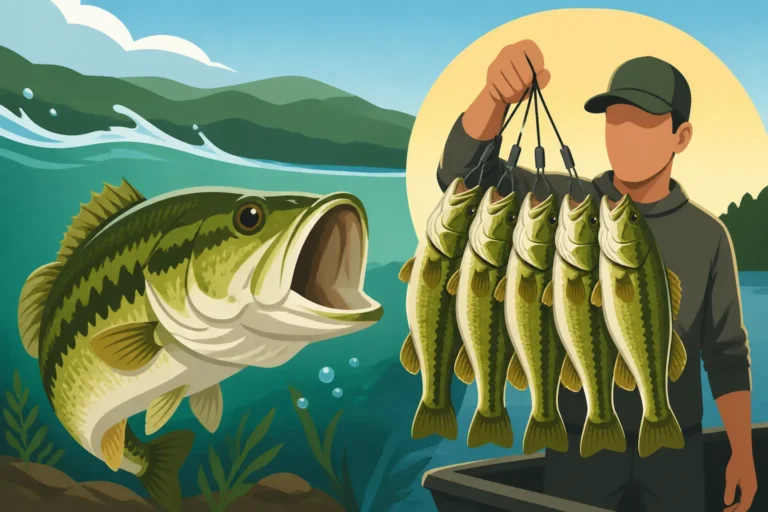
When it comes to bass fishing in Tennessee, things are generally clear-cut, but with a few important nuances. The statewide daily creel limit for largemouth, smallmouth, spotted, and Alabama bass is typically a combined total of 5 fish per day. However, this isn't just a simple count of five fish of any size. There are usually specific length restrictions that add another layer of detail.
For example, on many Tennessee waters, you might be allowed to keep five bass in total, but only one of those largemouth bass can be over a certain length, like 18 inches. Smallmouth and spotted bass often have different minimum size requirements and sometimes different "big fish" limits. It’s crucial to remember that this 5-fish limit applies across these specific black bass species combined. You can't catch 5 largemouth and then go catch another 5 smallmouth; your daily total for these bass species is 5. Hybrid bass, a cross between striped bass and white bass, are usually managed under a separate daily limit, often around 10 fish per day, further illustrating the species-specific approach. Always consult the latest Statewide Bass Limits for Tennessee Anglers for the precise details on the waters you plan to fish, as these can sometimes vary by lake.
Let's say you're out on Chickamauga Lake, renowned for its excellent bass fishing. You might catch two nice largemouth bass, both under 18 inches, and then later hook into three solid smallmouth bass. Your total for these species is five, and you've met your combined limit for the day for black bass. If you then caught another largemouth, you'd have to release it, even if you hadn't caught any other fish over the 18-inch mark. The total count matters.
How Daily Limits Work for Crappie
Crappie, whether you're after the distinctive black crappie or white crappie, are another Tennessee favorite. Known for their delicious table fare and aggressive bites, they are often targeted by anglers seeking a full cooler. The great news is that the daily creel limit for crappie is entirely separate from your bass limit, and it's generally quite generous to accommodate their schooling nature.
Typically, the statewide daily limit for crappie (both black and white combined) is 20 fish per day. Just like with bass, there are often length restrictions in play. For instance, on many lakes, you'll find that only a certain number of those 20 crappie can be over a specific length, such as 12 inches. This regulation aims to protect larger, spawning-size crappie while allowing anglers to keep a good number of smaller, pan-sized fish. This ensures a sustainable population and good fishing for years to come.
Imagine you're out on Kentucky Lake, known for its superb crappie fishing. You spend the morning jigging around brush piles and manage to catch 15 crappie. Five of them are over 12 inches, and ten are under. You still have room for 5 more crappie under the 20-fish daily limit, and if any of those remaining five are also over 12 inches, you’d need to ensure you don’t exceed the sub-limit for larger fish. This separate, generous limit for crappie means you can have a fantastic crappie day without worrying about it cutting into your potential bass catch, and vice-versa. For the latest details on specific crappie regulations, especially those that might vary by body of water, refer to the official Crappie Limits Under Tennessee Fishing Rules.
How Daily Limits Work for Trout
Trout fishing in Tennessee offers a completely different experience, often taking you to crystal-clear, cold-water streams or tailwaters below large dams. The state is home to rainbow, brown, and native brook trout, each with their own allure. Just like bass and crappie, trout have their own distinct daily limits, which are designed to protect these sensitive populations.
The statewide daily creel limit for trout (Rainbow, Brown, and Brook trout combined) is typically 7 fish per day from March 1 to September 30. However, there's a specific rule regarding brown trout: no more than 2 of those 7 fish can be brown trout. This is because brown trout often take longer to grow and can be more susceptible in certain fisheries. From October 1 to the end of February, the regulations often shift to water-specific rules, meaning you must check the local signage or the TWRA guide for the specific stream or river you are fishing. These winter regulations can include stricter catch-and-release rules or even completely different limits.
So, if you're fly fishing the Caney Fork River during the main season, you could keep 5 rainbow trout and 2 brown trout, totaling 7 fish, and still be perfectly within the legal limits. If you only caught rainbow trout, you could keep all 7. This separation ensures that even if you're having an incredible trout day, it doesn't impact your ability to pursue other species like bass or crappie if you decide to change locations or target later in the day. Understanding the Tennessee Trout Limits and Season Rules is paramount for any trout angler.
The Practical Implications for Anglers
Knowing that Tennessee's fish limits are separate for bass, crappie, and trout really opens up your fishing possibilities. It means you don't have to choose just one species to target for the day; you can genuinely plan a multi-species adventure and keep a legal harvest of each. This flexibility makes fishing in Tennessee even more enjoyable and rewarding.
Planning Your Multi-Species Trip
The beauty of separate limits is that you can truly strategize for a diverse day on the water. For instance, you could start your morning on a large reservoir like Watts Bar Lake, focusing on catching some of the excellent largemouth or smallmouth bass the lake is known for. After you've had your fill of bass and perhaps kept a couple within the 5-fish limit, you could then shift gears.
Maybe you move to a different section of the lake, or even a nearby public access pond, to target crappie. You rig up your crappie jigs and minnows, and with a separate 20-fish limit, you can confidently fill your livewell with panfish without affecting your bass count. Later in the afternoon, if you're near a stocked trout stream in East Tennessee, you could even head there for some relaxing trout fishing, knowing that the 7-fish trout limit (with brown trout sub-limits) is yet another distinct opportunity. This kind of planning allows for a full day of varied fishing experiences and a diverse cooler at the end of it. To make the most of your trip, it's always wise to review the Tennessee Fishing Season and Catch Limits for all species you intend to target.
Avoiding Common Mistakes
While separate limits are fantastic, they do come with a responsibility: staying informed. The biggest mistake anglers make is assuming general rules apply everywhere or forgetting about species-specific length limits. For example, if you've caught five bass and decide to move to a trout stream, you need to be aware of the trout limits, not just the fact that you haven't caught any other fish yet.
Another common pitfall is ignoring lake-specific regulations. While Tennessee has statewide limits, many popular fishing spots, reservoirs, and rivers have unique rules that override these general guidelines. Always, always check the local regulations for the specific body of water you're fishing. A quick search on the TWRA website or looking for posted signage at boat ramps and access points can save you from a potential fine. A great resource to remember is that Lake-Specific Fishing Rules That Override Tennessee's Statewide Limits are common, so don't assume. Ignorance of the rules is never an excuse.
It’s also easy to get confused by hybrid species. For example, hybrid striped bass are distinct from regular striped bass in their limits, and their identification can sometimes be tricky for new anglers. Always take the time to properly identify your catch before placing it in your cooler, especially if you're approaching a limit or dealing with a species that has specific length requirements. When in doubt, it’s always better to release the fish.
Essential Gear for Diverse Catches
To truly take advantage of Tennessee's separate fishing limits and enjoy multi-species angling, having the right gear is key. You don't necessarily need a whole boat full of equipment, but having versatile setups or specialized tackle for your target species will make a huge difference.
For bass, a medium-heavy casting rod with a baitcasting reel is often ideal for throwing larger lures like crankbaits, spinnerbaits, or Texas rigs. For crappie, a lighter, sensitive rod, perhaps a 6-7 foot medium-light spinning rod, paired with a small spinning reel, is perfect for delicate jigs and minnow presentations. And for trout, especially in smaller streams, an ultralight spinning setup or even a fly rod with matching tackle is essential. You can find a vast array of specialized rods, reels, and tackle on platforms like Amazon, making it easy to equip yourself for whatever species you plan to pursue.
Consider organizing your tackle box with specific compartments or smaller tackle trays dedicated to each species. For example, one box for bass lures (worms, jigs, topwater), another for crappie jigs (various colors, sizes, and weights), and a separate small box for trout essentials (small spinners, rooster tails, powerbait, or specific fly patterns if you're a fly angler). This organization, which you can easily achieve with tackle boxes purchased from retailers like Amazon, saves time on the water and ensures you always have the right bait or lure at your fingertips when you switch targets. Don't forget the basics either: a good pair of pliers, a measuring tape, and a scale are invaluable for adhering to limits and celebrating your catches.
Where to Find the Most Up-to-Date Information
Staying informed about fishing regulations is a core responsibility for every angler. Rules can change from year to year, or even seasonally, so relying on outdated information can quickly lead to trouble. The good news is that Tennessee makes it relatively easy to access the current rules.
Official TWRA Resources
Your absolute best source for accurate and current fishing regulations in Tennessee is the Tennessee Wildlife Resources Agency (TWRA). Their official website is a treasure trove of information, typically updated annually with the latest fishing guide. You can download the complete fishing guide, browse regulations by species, or even search for specific lake regulations.
It's a good practice to review this guide before the start of each new fishing season and certainly before you embark on a trip to a new lake or river you haven't fished before. Many local bait shops and sporting goods stores, like those you might find supplies from on Amazon, also have physical copies of the annual TWRA fishing guide available. Don't rely solely on word-of-mouth or last year's memories; take a few minutes to confirm you're up-to-date. This also ties into important information like How Long a Tennessee Fishing License Stays Valid and how to renew it.
Lake-Specific and Seasonal Changes
As mentioned earlier, statewide limits are the baseline, but many popular fishing destinations in Tennessee have specific rules that supersede them. For example, a particular lake might have a slot limit for bass (meaning you can keep fish below a certain size and above another, but must release those in the "slot"), or a different crappie limit to address local population dynamics. Trout regulations, in particular, are notorious for their seasonal changes and stream-specific rules, especially during the colder months.
Before heading out, always double-check the TWRA website for the specific lake or stream you plan to fish. Often, there will be a section detailing "Special Regulations" for certain waters. These localized rules are posted at public access points, boat ramps, and marinas, so keep an eye out for signs when you arrive. Ignoring these can be a costly mistake.
By taking these proactive steps, you ensure your fishing adventures in Tennessee are not only fruitful but also fully compliant with the law, helping to conserve the state's incredible fisheries for future generations of anglers.
Here’s a quick summary of the common statewide daily limits for these popular species:
| Species Group | Daily Creel Limit | Key Considerations |
|---|---|---|
| Black Bass | 5 combined | (Largemouth, Smallmouth, Spotted, Alabama Bass) – Often includes length restrictions (e.g., only one >18" Largemouth) |
| Crappie | 20 combined | (Black and White Crappie) – Often includes length restrictions (e.g., only five >12" Crappie) |
| Trout | 7 combined | (Rainbow, Brown, Brook Trout) – Max 2 Brown Trout. Limits change October-February; check local regulations. |
Disclaimer
Please remember that fishing regulations are subject to change. While this guide provides a comprehensive overview based on current information, it is your responsibility to verify all rules and limits with the official Tennessee Wildlife Resources Agency (TWRA) website or their latest annual fishing guide before heading out on the water. Local and seasonal regulations can vary and may supersede statewide rules. Stay safe and fish responsibly!