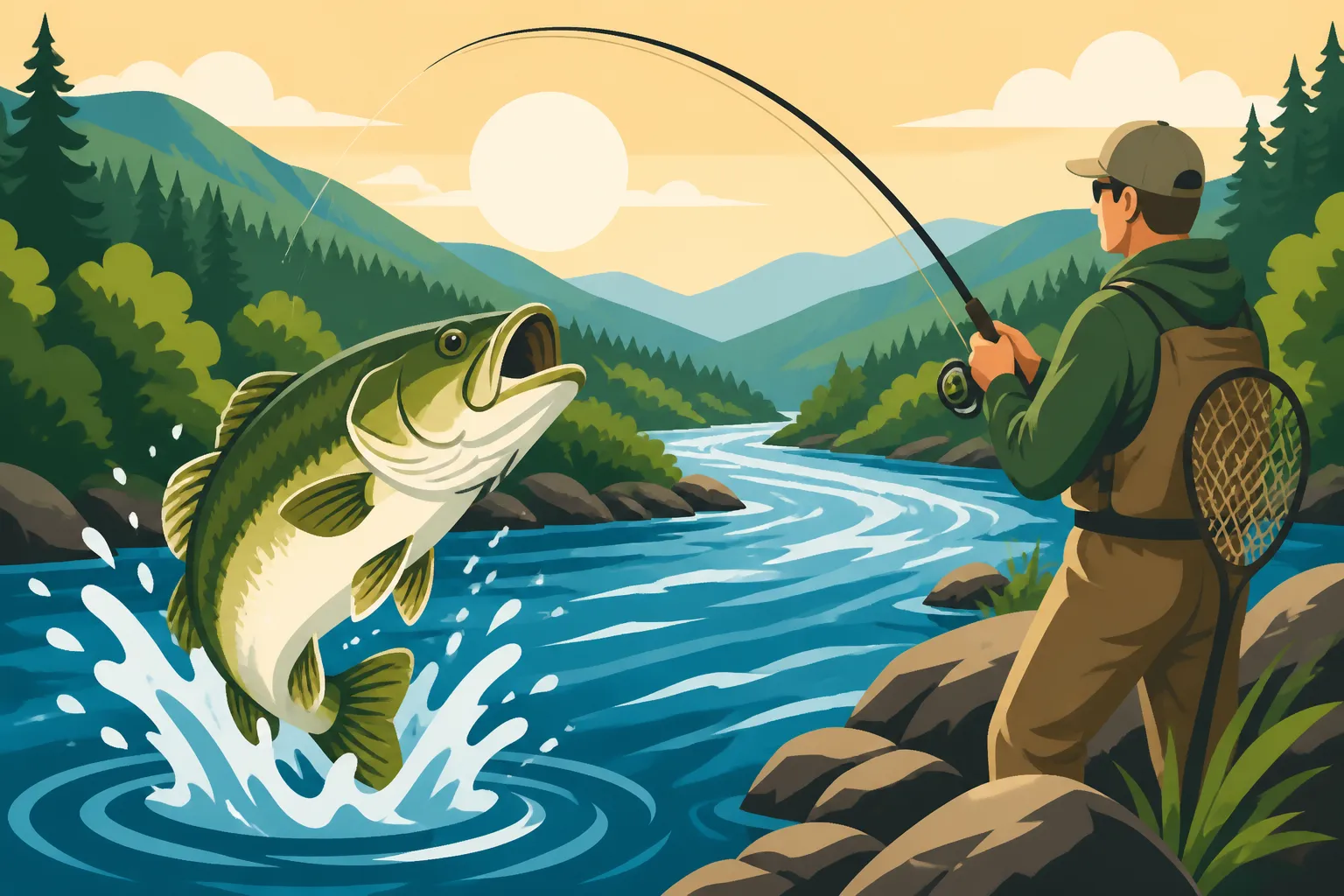
Best Rivers for Fishing in Tennessee
There's nothing quite like the rush of casting your line into a flowing river, feeling the current tug at your reel, and knowing that beneath the surface, a true Tennessee trophy might be waiting. Many anglers get caught up in the allure of our massive lakes, and don't get me wrong, they're incredible, but the rivers offer a completely different, often more intimate, experience. If you've ever felt overwhelmed by the sheer size of the reservoirs or dreamed of that perfect bend in a stream, this guide is for you. We're going to dive deep into the best rivers Tennessee has to offer, helping you navigate their unique challenges and unlock their incredible potential.
Why River Fishing in Tennessee is Truly Special
Tennessee is often celebrated for its massive lakes and reservoirs, which are fantastic in their own right. But for those of us who truly appreciate the dynamic pulse of flowing water, the rivers of the Volunteer State hold a distinct and unparalleled charm. River fishing here isn't just an alternative; it's an entirely different discipline, offering unique rewards and a connection to the landscape that still water can't always provide. The constant flow, the ever-changing structure, and the incredible diversity of habitats make each outing an adventure, a dance with nature's unpredictable rhythms.
Diverse Habitats and Ecosystems
What makes Tennessee's rivers so captivating for anglers is the sheer variety of ecosystems they represent. From the broad, slow-moving sections of the Tennessee River itself, perfect for chasing big catfish or striped bass, to the swift, clear tailwaters below dams that are prime trout country, there's a habitat for almost every fish and every angler. You'll find everything from deep pools and rocky riffles to submerged timber and undercut banks. This structural diversity isn't just pretty to look at; it provides an incredible array of hiding spots and feeding lanes for fish, meaning your approach needs to be just as varied as the water you're fishing. It's not uncommon to fish a stretch of river and encounter multiple species thriving in their preferred micro-habitats.
Think about it: one moment you might be drifting a worm through a slow eddy for panfish, and the next you're casting a spinnerbait into a fast-moving current seam hoping for a feisty smallmouth. This constant variation keeps you on your toes and demands a versatile skill set. The health of these riverine ecosystems is carefully managed by the Tennessee Wildlife Resources Agency (TWRA), ensuring that these diverse habitats remain vibrant and productive for generations of anglers to come.
An Abundance of Sport Fish Species
The species diversity in Tennessee's rivers is nothing short of astounding. While many states might specialize in one or two primary river fish, Tennessee offers a veritable smorgasbord. You have the iconic Smallmouth Bass: Tennessee's Official State Fish, revered for its fighting spirit in cool, rocky rivers like the Buffalo and Duck. Then there's the equally popular Channel Catfish: Tennessee's Other Official State Fish, along with blue and flathead catfish, lurking in the deeper, slower sections of the larger rivers.
But it doesn't stop there. Our cold-water tailwaters boast incredible populations of rainbow, brown, and even native brook trout, making Tennessee a genuine trout fishing destination. You'll also find healthy populations of largemouth and spotted bass, various panfish like bluegill and crappie, and even powerful striped bass in the larger river systems that connect to reservoirs. This means that no matter your preferred target species or fishing style, there's a river in Tennessee perfectly suited to your angling dreams. Whether you're a fly-fishing purist, a bait-casting enthusiast, or someone who loves the simplicity of a bobber and worm, the rivers here have something to offer.
The Mighty Tennessee River: A Fisher's Paradise
The Tennessee River isn't just a river; it's a monumental force that shapes the landscape, culture, and, most certainly, the fishing opportunities across the state. Stretching for hundreds of miles, it offers an incredible range of fishing experiences, from wide-open main channels to intricate backwaters and tributary mouths. This river system is truly the backbone of Tennessee's angling scene, offering something for everyone, whether you're chasing the thrill of a trophy bass or the quiet solitude of a catfish bite.
Main Channel and Tributaries
The main channel of the Tennessee River is a vast expanse, often feeling more like a series of interconnected lakes than a traditional river, especially in its impounded sections. These wide, deep waters are perfect for those who love boat fishing, offering ample space for trolling, casting, and even slow-drifting for a variety of species. You'll find extensive ledges, humps, and submerged timber, all prime habitat. This massive waterway holds incredible populations of game fish, and because of its size and complexity, it can be a lifelong endeavor to truly master its nuances.
However, don't overlook the myriad of tributaries that feed into the main river. These smaller rivers and creeks, like the Holston, French Broad, Little Tennessee, and Hiwassee, offer more intimate fishing experiences. They often have stronger currents, clearer water, and distinct structures like rapids, shoals, and deep bends. These areas can be fantastic for wading or smaller boats, providing a break from the expansive main channel. The mouths of these tributaries, where the differing water temperatures and currents meet, are often hotspots for congregating fish, especially during seasonal migrations or spawns. Targeting these convergence zones with crankbaits or jigs can yield surprising results.
Target Species and Techniques
The Tennessee River is famous for its diverse fishery. For many, it's a prime destination for bass fishing, with healthy populations of largemouth, smallmouth, and spotted bass. Anglers often target these fish around submerged grass beds, rocky points, and timber. During the Tennessee Bass Fishing Seasons and Patterns, you'll find different strategies work best, from shallow crankbaits in spring to deep-diving jigs in summer. Big swimbaits and Alabama rigs are also popular for enticing the river's larger bass.
Catfish are another major draw. The Tennessee River boasts impressive numbers of channel, blue, and flathead catfish, with some individuals reaching truly monstrous sizes. Techniques like bottom fishing with cut bait, chicken liver, or live bait (for flatheads) are highly effective, especially in deeper holes and along channel edges. For those seeking adrenaline, the river's striped bass fishery is phenomenal. These powerful fish often school up and can be targeted by trolling large crankbaits or casting big swimbaits near current breaks and baitfish concentrations. Many anglers hire a guide through services like FishingBooker to help them locate these elusive schools, especially in larger, unfamiliar stretches of the river.
Cumberland River: Urban Angling and Wild Stretches
The Cumberland River is a vital artery winding through Tennessee, offering a fascinating contrast between bustling urban fishing opportunities and serene, wilder stretches. It's a river that truly has two faces, making it a diverse and accessible fishing destination for anglers of all stripes. Whether you're looking for a quick after-work session near the city or a multi-day adventure into the wilderness, the Cumberland delivers.
Downtown Hotspots and Access
Perhaps one of the most unique aspects of the Cumberland River is its accessibility within major metropolitan areas, most notably Nashville. Imagine casting your line with the city skyline as your backdrop – it's a surreal experience that draws both locals and tourists. The downtown Nashville stretch of the Cumberland River, particularly below the dams, is known for exceptional fishing. Species like striped bass, sauger, catfish, and even some surprisingly large largemouth bass thrive here.
Public access points are plentiful, with parks, boat ramps, and fishing piers designed to accommodate anglers. Places like Riverfront Park offer easy bank access, while numerous boat ramps dotted along the river within and just outside the city make it simple to launch a boat or kayak. Fishing under bridges and around submerged structures often yields excellent results. The constant flow of the river, especially after rainfall or power generation, keeps the fish active and presents exciting challenges. Many local guides offer trips specifically for these urban areas, showcasing the incredible fishing that can be found just minutes from the city's heart.
Beyond the City Limits
While the urban stretches are undeniably convenient, the Cumberland River truly opens up as it flows beyond the city limits. Upstream and downstream from Nashville, the river transforms into a more traditional, wilder waterway, offering miles of unspoiled beauty and fantastic fishing. These stretches often feature less boat traffic, more natural shorelines, and a greater sense of solitude.
In these wilder parts, you can expect to find robust populations of smallmouth and largemouth bass, especially in areas with rocky banks, submerged timber, and current breaks. The river also maintains a strong presence of various catfish species, which can be found in deep holes and slow eddies. Sauger fishing can be particularly good in the cooler months, as these walleye relatives migrate upstream. The remote feel of some sections is perfect for those who enjoy a true escape, offering opportunities for wade fishing in shallower areas or leisurely floats in a kayak or canoe. Understanding the Tennessee Fishing Regulations Explained is particularly important in these less-frequented areas, as local rules might apply in certain segments.
Clinch River: A Tailwater Trout Paradise
The Clinch River in East Tennessee stands out as one of the premier trout fisheries in the Southeast, a true gem for any angler who loves the challenge and beauty of cold-water fishing. Its reputation as a tailwater trout paradise is well-earned, drawing fly fishers and spin casters alike from across the country. The unique characteristics of a tailwater fishery mean consistent conditions that support a thriving trout population.
Cold-Water Fishery Dynamics
The magic of the Clinch River lies in its origin: the bottom-release waters of Norris Dam. This dam releases frigid water from the depths of Norris Lake, creating a perfect, year-round cold-water environment that is ideal for trout. This constant cold flow means that unlike natural freestone streams which warm up significantly in summer, the Clinch remains hospitable to trout even during the hottest months. This makes it a fantastic year-round destination for trout.
The cold water also brings with it a rich ecosystem of aquatic insects, which are the primary food source for the river's trout. Midge hatches, caddis, and various mayflies provide consistent feeding opportunities, making the Clinch a dream for fly anglers. However, these fish are often highly educated due to consistent angling pressure, demanding precise presentations and keen observation of insect activity. Understanding the nuances of aquatic insect life cycles and matching the hatch is key to success here.
Prime Sections and Seasons
The Clinch River offers several highly productive sections, each with its own character. The stretch immediately below Norris Dam down to the Highway 61 bridge is particularly famous. This section features classic riffles, runs, and deep pools, and is heavily stocked with rainbow and brown trout. Further downstream, the river widens, and while the trout population is still strong, it can be a bit more challenging to access without a boat or kayak. Places like Miller's Island and the section around Oak Ridge offer excellent opportunities. For a deep dive into specific spots, check out our guide on Clinch River Trout Fishing in East Tennessee.
While the Clinch is a year-round trout fishery, specific seasons offer unique advantages. Spring sees robust insect hatches and actively feeding trout. Fall offers cooler temperatures and beautiful foliage, making for incredibly picturesque fishing. During the Tennessee Trout Fishing Season Explained, you'll find the fish are particularly active. Winter can be surprisingly productive, especially on warmer, sunny days when midges hatch. Summer, while still good, often requires fishing deeper or during low-light hours to find the most active fish. Keep a close eye on the generation schedule from Norris Dam, as water levels can fluctuate dramatically and influence fish behavior and safe wading access.
Caney Fork River: Accessible Trout Fishing
Another shining star in Tennessee's trout fishing firmament is the Caney Fork River, located near Center Hill Lake. Much like the Clinch, the Caney Fork is a tailwater fishery, but it often provides a slightly different experience, sometimes feeling a bit more approachable for those newer to trout fishing or looking for consistent action. It's a favorite for many, offering stunning scenery and plenty of opportunities to catch beautiful trout.
Stocking Programs and Opportunities
The Caney Fork River benefits from an aggressive stocking program by the TWRA, ensuring a healthy and abundant population of rainbow and brown trout. These fish are stocked regularly, especially during the spring and fall, providing ample opportunities for anglers to find success. While the fish can still be selective, the sheer numbers increase your chances, making it an excellent spot for honing your trout fishing skills. This consistent stocking schedule is a major reason why the Caney Fork is often recommended as a great place to start for those interested in Tennessee's Best Trout Streams.
The river's easy access and consistent stocking mean it can get busy, particularly on weekends. However, with miles of fishable water, it's usually possible to find your own stretch. Beyond the stocked fish, there's also a chance to hook into some impressive holdover trout, which have survived for multiple seasons and grown to considerable size, adding an exciting element of surprise to your catch. The diverse diet of these holdovers means they can be targeted with a wider array of baits and lures, including small crankbaits and soft plastics.
Wade Fishing and Family-Friendly Spots
One of the greatest appeals of the Caney Fork River is its incredible suitability for wade fishing. Many sections of the river are shallow enough for safe wading, allowing anglers to cover more water and access prime fishing spots that might be unreachable from the bank. Always exercise caution, as currents can be strong, especially during dam generation, but generally, the Caney Fork is very wade-friendly. Check out our in-depth guide to Caney Fork River Trout Fishing for specific access points.
The river's accessibility also makes it a fantastic destination for family fishing trips. Several areas feature easily accessible banks, picnic areas, and gentle currents, perfect for teaching kids the joys of fishing. A simple setup with a spinning rod, some PowerBait or corn, and a small hook can yield plenty of action, keeping younger anglers engaged. It's a place where memories are made, whether it's a child catching their first rainbow trout or an experienced angler enjoying the tranquility of the flowing water. Just remember to always have your Tennessee Fishing License Guide in order before you head out, and a trout permit if you plan to keep trout!
Hiwassee River: Scenic Beauty and Diverse Species
The Hiwassee River, flowing through southeastern Tennessee, is a truly remarkable waterway that offers more than just exceptional fishing; it provides an immersive outdoor experience amidst stunning natural beauty. While often overshadowed by some of the state's more famous trout streams, the Hiwassee boasts a unique blend of cold-water and warm-water species, making it a diverse and exciting challenge for any angler.
Trout and Warmwater Opportunities
Similar to the Clinch and Caney Fork, a significant portion of the Hiwassee River below Appalachia Dam operates as a cold-water tailwater fishery, supporting robust populations of rainbow and brown trout. This section is well-known for its scenic beauty and offers excellent fly fishing and spin fishing opportunities for trout, especially in the cooler months. The trout here can be feisty and grow to respectable sizes, providing a rewarding experience for those who know how to read the water and present their baits or flies effectively.
However, as the Hiwassee flows further downstream and away from the cold-water influence of the dam, it gradually transitions into a warmer, more traditional river environment. In these sections, the species diversity expands dramatically. Anglers can expect to encounter an abundance of smallmouth bass, particularly in rocky stretches and around current breaks. Largemouth bass, various species of catfish, and panfish like bluegill and rock bass also become prevalent. This unique blend means you can start your day targeting trout in the upper reaches and then shift gears to chase bass or catfish further downstream, offering a truly varied fishing adventure.
Whitewater and Fishing Challenges
The Hiwassee River is not just known for its fishing; it's also a very popular destination for whitewater rafting and kayaking. This dual popularity presents both exciting opportunities and unique challenges for anglers. The constant flow and rapids in certain sections, while thrilling for paddlers, can make fishing difficult or even dangerous. It's crucial to be aware of the river's sections and to choose your fishing spots carefully, prioritizing safety above all else.
When fishing the Hiwassee, especially during peak rafting season, early mornings or late evenings often provide the most peaceful and productive angling times. Alternatively, targeting the quieter pools and eddies away from the main whitewater channels can yield good results. For those fishing from a boat or kayak, understanding how to navigate currents and rapids is essential. Services like FishingBooker can help you find local guides who are experts in navigating the Hiwassee and can put you on fish safely, even amidst the whitewater action. The powerful currents also affect fish behavior, often concentrating them in slower seams or behind structure, requiring heavier baits or careful drift presentations. Always check water levels and generation schedules before heading out.
Other Notable Rivers and Hidden Gems
While the Tennessee, Cumberland, Clinch, Caney Fork, and Hiwassee Rivers are undoubtedly major players in the state's fishing scene, Tennessee is crisscrossed by countless other rivers and streams, many of which offer exceptional angling opportunities. Some are regional favorites, others are true hidden gems, but all contribute to the rich tapestry of river fishing in the Volunteer State.
Elk River and Smaller Tailwaters
The Elk River, located in south-central Tennessee, is another fantastic tailwater fishery that often flies under the radar compared to its eastern counterparts. Flowing from Tims Ford Dam, the Elk River maintains cool temperatures perfect for trout. It's renowned for its impressive brown trout population, with many anglers reporting catches of significantly larger brown trout here than in some other stocked rivers. The Elk offers a tranquil setting, excellent wade fishing, and a chance at a true trophy. It's a great spot for both fly fishing and spin fishing, especially if you enjoy a less crowded experience. The river's character changes as it flows downstream, moving from a narrow, clear trout stream to a wider, slower river with warmwater species like bass and catfish.
Beyond the Elk, Tennessee boasts several other smaller tailwater fisheries, like the Holston River below Cherokee Dam, which is also an excellent brown trout destination, or the Little Tennessee River, particularly its lower section below Chilhowee Dam for trout and smallmouth. Each of these smaller tailwaters has its own unique charm and challenges, often providing fantastic fishing for those willing to explore beyond the most popular spots.
Smallmouth Hotspots: Duck and Buffalo Rivers
For many hardcore river anglers, the Duck River and Buffalo River represent the epitome of Tennessee smallmouth bass fishing. These rivers, located in Middle Tennessee, are famous for their healthy populations of bronzebacks, as well as an incredible array of other native fish species. These are generally freestone rivers, meaning their temperatures fluctuate more seasonally, but they consistently produce excellent fishing.
The Duck River is recognized as one of the most biodiverse rivers in North America, and that translates directly into a vibrant fishery. Its rocky bottom, diverse currents, and abundant insect life make it a smallmouth haven. Float trips by canoe or kayak are a popular way to explore its many bends and eddies, targeting smallmouth with tube jigs, spinnerbaits, and topwater lures. The Buffalo River offers a similar experience, with clear waters, gravel bars, and excellent smallmouth habitat. It’s a slightly more remote river, offering a true wilderness feel. Both the Duck and Buffalo are fantastic places to experience river fishing for Smallmouth Bass: Tennessee's Official State Fish in a truly natural setting. Be sure to check local regulations for these specific rivers, as catch limits or slot limits might vary.
Essential Tips for Tennessee River Anglers
Fishing Tennessee's rivers can be an incredibly rewarding experience, but it also comes with its own set of challenges and considerations. Unlike lakes, rivers are dynamic environments where conditions can change rapidly. Being prepared and understanding these nuances will not only increase your success rate but also ensure your safety and enjoyment on the water.
Understanding Water Levels and Flows
The most critical factor when fishing Tennessee's regulated rivers, especially the tailwaters below dams, is understanding water levels and generation schedules. The Tennessee Valley Authority (TVA) manages many of the dams that create these tailwaters, and their generation schedules directly impact the river's flow and depth. A river that is perfectly wadeable in the morning can become a dangerous torrent in minutes once the dam starts generating.
- Check TVA Schedules: Always consult the TVA's website or app for real-time and scheduled water releases before you head out, and even while you're on the water if you have cell service.
- Safety First: If wading, always know your exit points and never turn your back on the current. Wear a life jacket, especially if you're in deeper or swifter water.
- Fish Behavior: High water often pushes fish closer to the banks and into eddies or slower current seams. Low water might concentrate fish in deeper pools, but can also make them warier. Adjust your approach based on the flow; for example, heavier jigs or sinkers might be needed in higher flows to get your bait down. This dynamic is a prime example of How Water Temperature Affects Fish Activity, as changes in flow can also bring temperature shifts.
Licensing and Regulations
Before you even think about wetting a line in any Tennessee river, you absolutely need to make sure your Tennessee Fishing License Guide is up to date and you understand the specific regulations for the waters you plan to fish. Tennessee has a comprehensive set of rules designed to protect its fish populations and ensure fair chase.
- General License: A basic statewide fishing license is usually sufficient for most general fishing. However, if you plan to target trout in designated trout streams, you'll need an additional trout permit.
- Specific River Rules: While there are statewide regulations for species like bass, crappie, and trout, many rivers, or specific sections of rivers, have their own unique rules, including different size limits, creel limits, or special bait restrictions. For instance, Tennessee Trout Limits and Season Rules can change based on the specific river or time of year. Always check the current Tennessee Fishing Regulations digest, available online through the TWRA website or at most license vendors.
- Carrying Your License: Always carry proof of your license while fishing, whether it's a printed copy or a digital version on your phone. Game wardens regularly patrol these waters, and fishing without a valid license can result in fines and other penalties.
- Boat Rules: If you plan to use a boat, even a kayak, be aware of Boat Fishing Rules and License Requirements in Tennessee, including requirements for life jackets and registration.
Safety First on the Water
River fishing, while exhilarating, can present unique safety hazards. Being prepared and cautious is paramount to a safe and enjoyable trip.
- Wear a Life Jacket: This cannot be stressed enough, especially when wading in currents, fishing from a small boat, or during fluctuating water levels. Even strong swimmers can be overwhelmed by strong currents or cold water.
- Wading Staff: A sturdy wading staff can be an absolute lifesaver when navigating slippery rocks and uneven riverbeds. It provides stability and helps you gauge water depth before you take a step.
- Tell Someone Your Plans: Always inform someone of your fishing location, your planned return time, and who to contact if you don't check in.
- Weather Awareness: River conditions can change quickly with the weather. Be aware of forecasts for rain (which can cause flash floods or muddy water) and storms.
- Hydration and Sun Protection: Spend enough time on the river, and you'll quickly learn how much sun and exertion can take out of you. Bring plenty of water, wear appropriate clothing, sunscreen, and a hat.
By keeping these tips in mind, you'll be well on your way to a safe, productive, and memorable river fishing adventure in the incredible waters of Tennessee.
Comparing Tennessee's Top Fishing Rivers
To help you visualize the different opportunities each river presents, here's a quick comparison of some of Tennessee's best fishing rivers.
| River Name | Primary Species Targeted | Key Characteristics | Best Fishing Style(s) | Ideal for |
|---|---|---|---|---|
| Tennessee River | Bass (LM, SM, Spotted), Catfish, Striped Bass | Large, impounded, diverse structure | Boat (trolling, casting), Bank | Serious multi-species anglers |
| Cumberland River | Striped Bass, Catfish, Sauger, Bass (LM, SM) | Urban & wild sections, good access near Nashville | Boat, Bank, Kayak/Canoe | Accessible city fishing, floats |
| Clinch River | Rainbow Trout, Brown Trout | Cold tailwater, consistent flow, insect hatches | Fly Fishing, Spin Fishing (wade/boat) | Trout purists, year-round trout |
| Caney Fork River | Rainbow Trout, Brown Trout | Stocked tailwater, easy wading, scenic | Fly Fishing, Spin Fishing (wade) | Beginners, family trout trips |
| Hiwassee River | Rainbow Trout, Brown Trout, Smallmouth Bass, Catfish | Cold tailwater transitions to warmwater, whitewater | Fly Fishing, Spin Fishing (wade/boat) | Diverse experience, scenic |
| Elk River | Brown Trout, Rainbow Trout | Less crowded tailwater, trophy browns | Fly Fishing, Spin Fishing (wade) | Secluded trout fishing |
| Duck River | Smallmouth Bass, Panfish | Natural freestone, high biodiversity, strong currents | Kayak/Canoe float, Wade Fishing | Smallmouth enthusiasts |
| Buffalo River | Smallmouth Bass, Panfish | Remote, wilderness feel, clear water | Kayak/Canoe float, Wade Fishing | True river wilderness seekers |
Whether you're after the thrill of a trophy smallmouth in a rocky stream or the delicate dance of a fly with a Clinch River trout, Tennessee's rivers truly offer an angler's paradise. Don't be afraid to explore, learn the nuances of each waterway, and soak in the natural beauty that flows through our state. Tight lines!
Disclaimer
Please note that fishing regulations, license requirements, and dam generation schedules can change. Always consult the most current Tennessee Wildlife Resources Agency (TWRA) regulations guide and TVA water release schedules before planning any fishing trip to ensure compliance and safety. This guide is for informational purposes only and does not supersede official regulations.