Norris Lake Fishing Guide, Tennessee’s Clearest Water
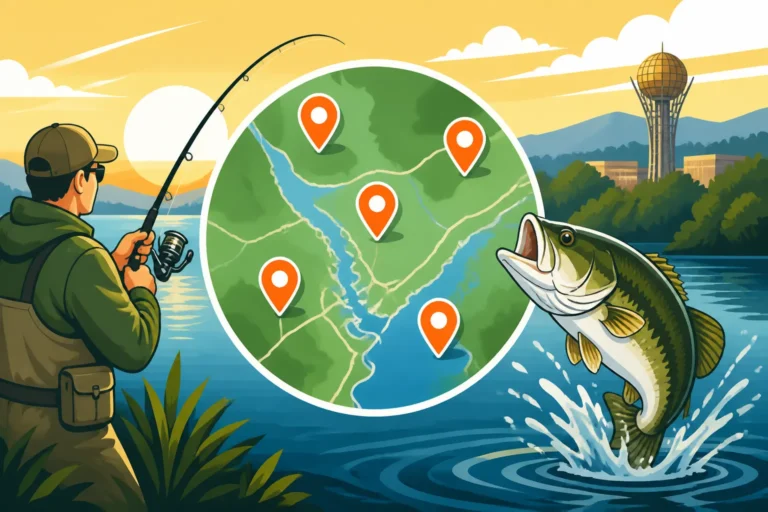
It can be incredibly daunting to look at a massive body of water like Norris Lake and wonder where on earth to even begin fishing. With its sprawling acreage and deep, clear waters, it's easy to feel overwhelmed, but don't fret! This comprehensive guide will peel back the layers of Norris Lake, helping you understand its unique characteristics, what fish species thrive there, and the best ways to tackle its waters, turning confusion into confidence.
Understanding Norris Lake's Unique Character
Norris Lake isn't just another body of water in Tennessee; it's a true jewel, renowned for its crystal-clear depths and stunning mountainous backdrop. Created by the Tennessee Valley Authority (TVA) in the 1930s as a flood control and power generation project, it was the very first major dam built by the TVA. This history means it has had decades to develop into a mature, diverse fishery that attracts anglers from all over.
The Impact of Clear Water on Fishing
One of the most defining features of Norris Lake is its incredible water clarity. While beautiful to look at, this clarity presents both opportunities and challenges for anglers. Fish in clear water often have a better view of their surroundings, making them more wary of artificial baits, fishing lines, and even your boat. You'll often find yourself needing to adapt your techniques, using lighter lines, more natural presentations, and perhaps even scaling down your lures to avoid spooking your quarry. For example, if you're accustomed to throwing chunky spinnerbaits in murkier water, you might find more success with finesse jigs or subtle jerkbaits on Norris.
The clear water also means that fish tend to hold deeper, especially during bright sunny days or when there's a lot of boat traffic. They'll seek out cover and depth to feel secure. This is where your electronics, like a good fish finder, become invaluable for identifying underwater structure and schools of baitfish. Many anglers who frequent Norris Lake swear by fluorocarbon line for its low visibility, especially when targeting finicky bass or crappie. Understanding this clear water dynamic is your first step to unlocking Norris Lake's potential.
Diverse Underwater Structure and Habitat
Norris Lake's underwater topography is as varied as the Appalachian Mountains that cradle it. You'll find everything from steep, rocky bluffs that drop straight into 100+ feet of water, to gradually sloping points, large flats, and countless submerged timber areas, particularly in the upper reaches of its river arms. The Clinch River and Powell River arms feed into the lake, each offering slightly different characteristics in terms of water depth, clarity, and cover. The sheer size, boasting over 800 miles of shoreline, means there's an endless supply of coves, creeks, and main lake points to explore.
This diversity of structure means that different species will congregate in different areas, and even within a single species, their preferred habitat might change with the season. Largemouth bass might relate to shallower stumps and laydowns in spring, while smallmouth bass are more likely to be found on rocky points and ledges year-round. Mastering Norris Lake often comes down to effectively breaking down these vast structural elements and understanding how fish utilize them through the year. It's a lake that rewards anglers who put in the time to learn its nuances.
Prime Fish Species to Target on Norris Lake
Norris Lake is a veritable smorgasbord for anglers, offering a fantastic variety of game fish. While its reputation often centers on bass, there’s much more lurking beneath the surface, making it a truly versatile fishing destination.
Bass Fishing Opportunities
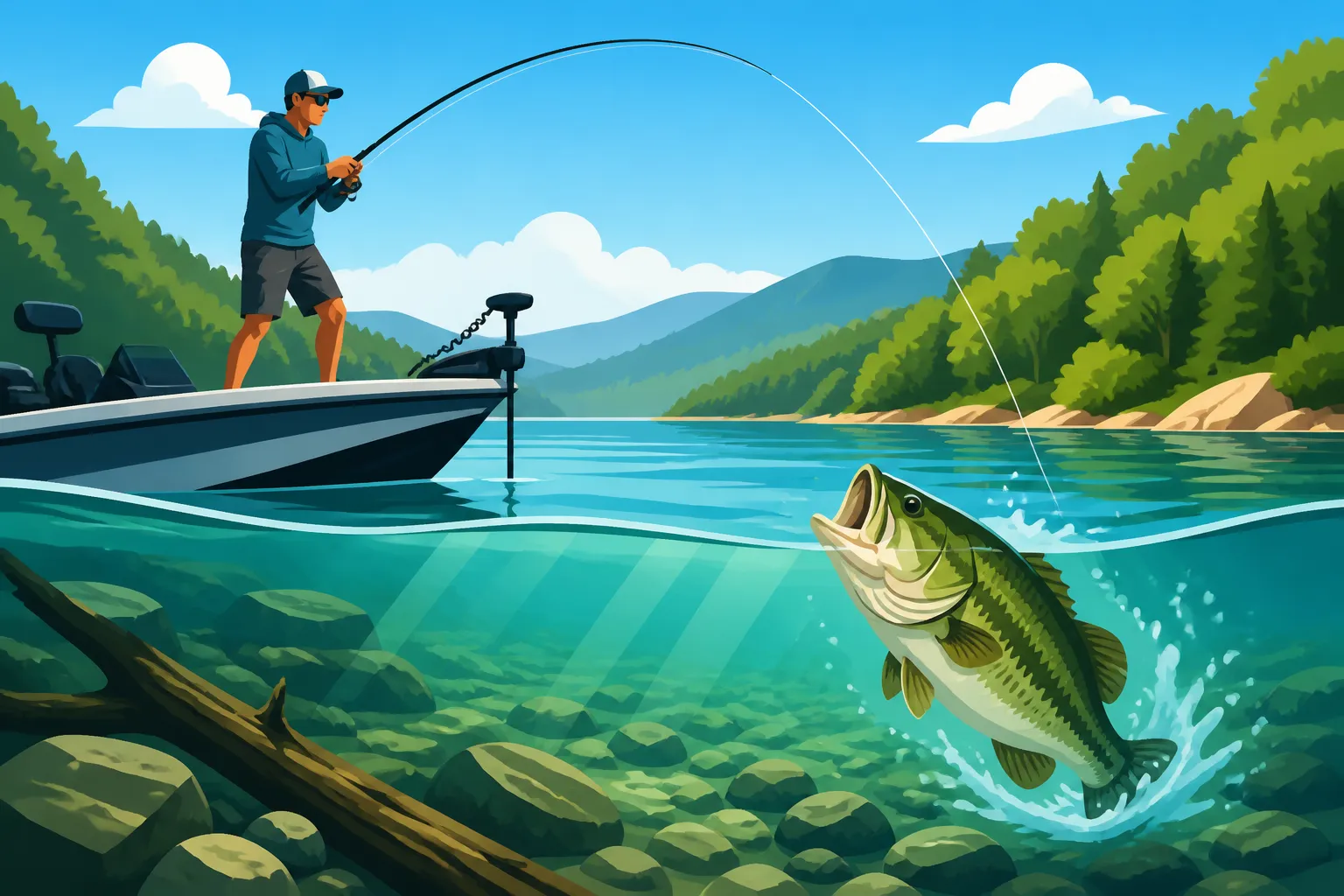
When people talk about bass fishing in Tennessee, Norris Lake is always in the conversation, especially for smallmouth bass. Often hailed as one of the Tennessee's Top Bass Fishing Lakes, Norris truly shines for these bronze beauties. The clear, cool waters and rocky structure are tailor-made for smallmouth, which are also one of Tennessee's Official State Fish. You'll find them congregating around main lake points, bluffs, humps, and deep ledges. During the warmer months, especially, smallmouth will often suspend over deep water or chase schools of baitfish in open water. Crankbaits, drop shots, tubes, and Ned rigs are excellent choices for tempting these hard-fighting fish.
But don't overlook the largemouth bass and spotted bass. While perhaps not as prevalent as smallmouth in some areas, healthy populations of both thrive, especially in the lake's many coves, creek arms, and areas with more submerged timber and grass beds. Largemouth tend to prefer shallower, heavier cover, particularly in spring and fall, while spotted bass often occupy similar habitat to smallmouth but can be found a bit deeper. A good mix of topwater lures, jigs, and soft plastics will serve you well for these species. Knowing the differences between these bass species can help you target them more effectively.
Crappie, Walleye, and Other Panfish
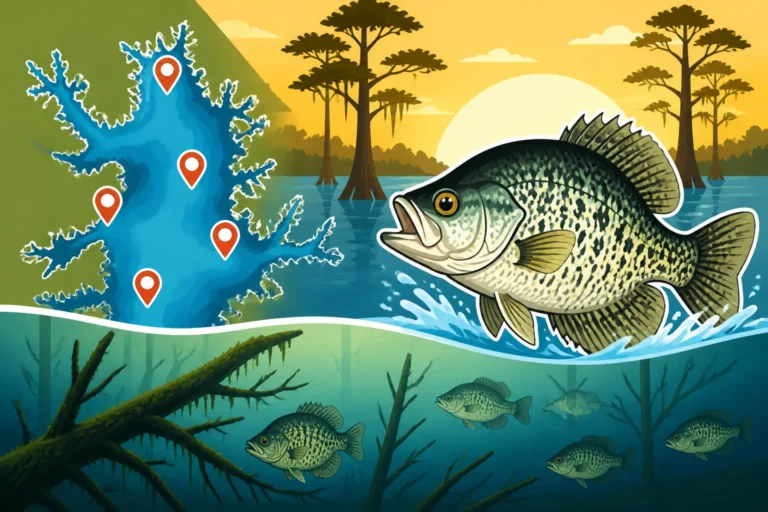
Beyond the bass, Norris Lake offers phenomenal fishing for crappie, walleye, and various panfish. Crappie fishing here can be fantastic, particularly in the spring when they move into shallower brush piles and standing timber for the spawn. During other seasons, they'll often hold tight to deeper brush, timber lines, and main lake channel swings. Minnows, small jigs, and spider rigging techniques are popular and effective. For those looking for a different challenge, walleye offer a thrilling pursuit. Norris Lake has a strong walleye population, especially in the deeper, cooler sections of the lake and in the upper river arms. Trolling with crankbaits or jigging spoons around deep humps and points are proven methods.
And let's not forget about the panfish! Bluegill, shellcracker, and other sunfish species are abundant, providing excellent light tackle action, especially for families or beginners. These fish are often found around docks, shallow brush, and rocky banks, readily biting on crickets, worms, or tiny jigs. FishingBooker can help you find local guides specializing in these diverse species, ensuring you get on the fish you're hoping for. Remember, the Tennessee Crappie Fishing Guide by Season can provide more in-depth knowledge on when and where to target these tasty fish throughout the year.
Best Seasons and Times to Fish Norris Lake
Like any large reservoir, Norris Lake’s fishing patterns are heavily influenced by the changing seasons and, naturally, the time of day. Knowing these patterns is key to planning a successful trip.
Spring: Spawning Activity and Shallow Bites
Spring is a magical time on Norris Lake, as the warming water temperatures trigger the annual spawning migrations for many fish species. As the water creeps from the 50s into the 60s Fahrenheit, smallmouth, largemouth, and spotted bass all begin to move shallower. They'll stage on points and in coves before moving onto beds, offering some of the most exciting fishing of the year. This is often when anglers catch their biggest bass. Crankbaits, jerkbaits, and spinnerbaits are excellent for pre-spawn fish, while soft plastics and jigs become deadly once the fish are on their beds.
Crappie also make their move into shallower waters during the spring, seeking out submerged brush, standing timber, and shallow creek channels. It's a prime time for vertical jigging or slow trolling with minnows around these structures. The clear water means you might need to be a bit stealthy, approaching quietly and making long casts. Keep an eye on water temperature; it's the biggest indicator of when these fish will make their move. For a more detailed look into this period, check out Bass Spawn Timing in Tennessee Lakes.
Summer: Deep Water and Early Morning Action
As summer heats up, Norris Lake's clear waters often mean fish retreat to deeper, cooler areas, especially during the middle of the day. This is when understanding the lake's extensive network of deep humps, ledges, and channel swings becomes paramount. Smallmouth and striped bass will often suspend over deep water, chasing schools of baitfish. Trolling with deep-diving crankbaits or using live bait like alewives (where permitted) can be incredibly effective for these deep-water fish. Early mornings and late evenings, when the sun is less intense, can offer brief windows for shallower topwater action, particularly around points and humps.
Walleye fishing also picks up in the summer, with anglers often targeting them in deeper sections of the river arms using trolling techniques or jigging spoons. Night fishing for catfish, crappie, and even some bass can also be productive in the summer, as the cooler night air brings fish shallower to feed. Don't be afraid to experiment with different depths and presentations; the fish are still there, they're just playing harder to get in the summer heat. This is also when understanding How Water Temperature Affects Fish Activity becomes crucial.
Fall and Winter: Transition and Cooler Bites
Fall on Norris Lake brings another excellent period of fishing. As water temperatures begin to drop, fish once again become more active and start to feed aggressively in preparation for winter. Bass will move back to shallower points and creek mouths, often chasing baitfish schools, making it a great time for reaction baits like crankbaits, jerkbaits, and topwater lures. The fall colors reflecting on the clear water also make for a truly beautiful fishing experience.
Winter fishing on Norris Lake, while challenging, can be incredibly rewarding, especially for trophy smallmouth and striped bass. These fish often hold on deep ledges and humps, and while their metabolism slows, they will still feed. Vertical jigging with spoons or blade baits, and slow presentations with drop shots or hair jigs, can tempt lethargic fish. The key is to slow down your retrieve and pay close attention to subtle bites. Trout are also occasionally found in the deepest, coldest sections of the lake, particularly near the dam. If you're planning a trip during these cooler months, a good resource for understanding species-specific limits is Tennessee Trout Fishing Season Explained.
Effective Techniques and Essential Gear for Norris Lake
Fishing Norris Lake requires a thoughtful approach, combining the right techniques with appropriate gear to combat its depth and clarity.
Finesse and Deep Water Techniques
Given Norris Lake's clear, deep water, finesse techniques often outshine power fishing, especially when the bite gets tough. Drop shot rigs are practically synonymous with Norris Lake smallmouth. They allow you to present a small plastic bait precisely at the depth fish are holding, keeping it in the strike zone longer. Ned rigs, shaky heads, and smaller jigs are also highly effective for tempting wary bass. When fishing deep, your electronics are your best friend. Use your sonar to identify humps, ledges, and submerged timber, then pinpoint fish activity before dropping your bait.
For crappie and walleye in deeper water, vertical jigging with spoons or small blade baits can be highly productive. Experiment with different jigging cadences until you find what the fish prefer. Trolling with deep-diving crankbaits or umbrella rigs can also be incredibly effective for covering water and finding schools of striped bass or suspended walleye and bass. The mantra for Norris Lake is often "go light and go slow," especially in bright conditions. Using lighter fluorocarbon line, like 6-10 lb test, is almost a necessity for better presentations and fewer visible lines.
Essential Rods, Reels, and Terminal Tackle
To match the diverse fishing opportunities and techniques on Norris Lake, a versatile set of rods and reels is essential. For finesse presentations like drop shots and Ned rigs, a medium-light to medium power spinning rod with a fast action, paired with a 2500-3000 series spinning reel, is ideal. This setup provides the sensitivity needed to detect subtle bites in deep water and the backbone to fight strong fish. For heavier applications, such as throwing larger crankbaits or targeting striped bass, a medium-heavy baitcasting setup with a high-capacity reel is more appropriate.
When it comes to terminal tackle, a wide array of jigs (football, hair, casting), soft plastics (worms, tubes, grubs), and crankbaits (deep-diving, jerkbaits) should be in your box. Don't forget spoons for vertical jigging and perhaps some topwater lures for those early morning and late evening bites. Good quality fluorocarbon line is a must for its low visibility and abrasion resistance. A variety of hooks, sinkers, and swivels will round out your arsenal. If you're focusing on smallmouth, specifically, you might want to review Best Rods and Reels for Tennessee Smallmouth Bass for tailored recommendations.
Utilizing Electronics and Mapping
On a lake as vast and complex as Norris, modern electronics are not just a luxury; they are almost a necessity for consistent success. A quality fish finder with both 2D sonar and side/down imaging capabilities will allow you to quickly identify changes in depth, locate submerged timber, and spot schools of baitfish and game fish. This is particularly crucial when searching for fish holding on deep structure or suspended in open water, which is common on Norris.
GPS mapping features on your unit are equally important. They allow you to mark productive spots, navigate safely through unfamiliar waters, and return to precise locations where you found success. Many anglers pre-scout areas using satellite imagery to identify potential points, coves, and creek channels before they even launch their boat. The combination of detailed mapping and advanced sonar will dramatically increase your efficiency and help you unlock the secrets of Norris Lake’s underwater landscape. Investing in these tools, and learning how to use them effectively, will pay dividends.
Accessing Norris Lake: Ramps, Marinas, and Shore Fishing
Norris Lake is incredibly angler-friendly, offering numerous access points for boats and ample opportunities for shore fishing, alongside a robust network of marinas.
Boat Ramps and Marinas
With its immense size, Norris Lake is dotted with public boat ramps and private marinas, ensuring that no matter which part of the lake you wish to explore, you're likely to find convenient access. Popular access points include Norris Dam State Park, which offers excellent ramp facilities, and various county-run ramps like those in Anderson, Campbell, Claiborne, Grainger, and Union counties. These ramps are generally well-maintained and provide ample parking for trucks and trailers. For a comprehensive list of launch sites, consider checking out Boat Ramp Access on Tennessee's Major Lakes.
Beyond the public ramps, numerous full-service marinas ring the lake, offering everything from gas, bait and tackle, to boat rentals, slips, and even lodging. Popular marinas like Shanghai Resort, Stardust Marina, Sequoyah Marina, and Indian River Marina are hubs of activity, providing a great starting point for your fishing adventure. These marinas often have local fishing reports and can be excellent sources of real-time information on what's biting and where. If you don't own a boat, many marinas offer rentals, or you could even book a guided trip through platforms like FishingBooker, connecting you with local experts who know the lake inside and out.
Opportunities for Bank and Shore Fishing
While Norris Lake is predominantly known for its boat fishing, there are still some fantastic opportunities for bank and shore anglers, especially if you know where to look. Areas around Norris Dam State Park, Big Ridge State Park, and specific points near public access areas often provide good bank fishing. These spots might have piers, designated fishing areas, or simply accessible stretches of shoreline where you can cast a line.
Shore fishing is often best for targeting panfish, catfish, and smaller bass, especially in spring and fall when fish move shallower. Using simple setups with live bait like worms or crickets, or casting small jigs and spinners, can be very effective. Look for areas with submerged cover, docks, or rocky banks that provide habitat for fish close to shore. While you might not cover as much water as a boat angler, the peace and quiet of shore fishing can be incredibly rewarding, and you can still catch some quality fish if you pick your spot wisely.
Navigating Local Regulations and Conservation Efforts
Fishing on Norris Lake, like anywhere in Tennessee, requires adherence to specific regulations designed to protect fish populations and ensure sustainable angling for future generations. Understanding these rules is crucial for any responsible angler.
Statewide and Lake-Specific Rules
While many regulations are statewide, applying to all public waters in Tennessee, some lakes occasionally have specific rules that supersede the general guidelines. For Norris Lake, it's always wise to double-check the latest Tennessee Wildlife Resources Agency (TWRA) fishing guide for any specific length limits, creel limits, or special designations that might apply to particular species or sections of the lake. For instance, while Tennessee's Largemouth Bass Limit Is 5 Per Day, Only 1 Over 18 Inches, a particular reservoir might have a different slot limit.
For popular species like crappie, the statewide limit is generally 20 fish per day, with only 5 of those being over 12 inches. However, there might be specific regulations for certain embayments or areas. Smallmouth bass, a prized catch on Norris, typically have a statewide limit of 5 fish per day, with only one over 16 inches. Always have a copy of the current TWRA Fishing Guide, either digitally on your phone or a physical copy, to ensure you're in compliance. You can typically find a full breakdown in a guide like Tennessee Fishing Regulations Explained.
Licensing Requirements and Permits
Before you even make your first cast, ensure you have the appropriate Tennessee Fishing License Guide. Anyone 13 years of age or older needs a valid fishing license to fish in Tennessee. This applies to both residents and nonresidents. There are various license types available, from annual licenses to multi-day and combination hunt/fish licenses. If you plan to target trout, you'll also need to ensure your license includes a trout stamp or permit, as trout access is built into certain license types rather than sold separately.
Getting your license is easy, and you can usually do it online through the TWRA website, at most bait and tackle shops, or at any Tennessee County Clerk's office. Make sure your license is valid for the duration of your trip and keep proof of it with you while fishing. For visitors, understanding Nonresident Fishing License Costs in Tennessee is important to pick the right option for your stay. Ignoring these requirements can lead to fines and penalties, which nobody wants when they're trying to enjoy a peaceful day on the water.
Conservation and Responsible Angling
Being a responsible angler on Norris Lake means more than just following the rules; it's about actively participating in conservation efforts. Practice catch and release, especially for trophy-sized bass and other game fish, to help sustain healthy populations. Handle fish gently, minimize their time out of water, and use proper de-hooking tools. Dispose of all trash properly, and avoid leaving any fishing line or lures in the water, as they can be harmful to wildlife.
Consider using non-lead sinkers and jigs when possible, particularly in areas with waterfowl, to reduce lead poisoning risks. Support local conservation organizations and participate in clean-up efforts or angler surveys if the opportunity arises. Norris Lake is a precious resource, and its future health depends on the collective efforts of everyone who enjoys its waters. By being mindful of your impact and following best practices, you contribute to ensuring Norris Lake remains a premier fishing destination for generations to come.
| Species | Best Seasons | Typical Locations | Recommended Baits/Lures | Notes |
|---|---|---|---|---|
| Smallmouth Bass | Spring, Fall, Winter | Rocky points, bluffs, humps, deep ledges | Drop shots, tubes, Ned rigs, crankbaits, jerkbaits | Wary in clear water; often suspend over deep water. |
| Largemouth Bass | Spring, Fall | Coves, creek arms, submerged timber, grass beds | Jigs, soft plastics, topwater, spinnerbaits | Prefer shallower, heavier cover; strong fighters. |
| Spotted Bass | Year-round | Similar to smallmouth, but often slightly deeper | Finesse jigs, small crankbaits, worms | Smaller than largemouth, but fight hard. |
| Crappie | Spring, Fall | Brush piles, standing timber, creek channels | Minnows, small jigs, spider rigs | Excellent table fare; look for structure. |
| Walleye | Summer, Fall, Winter | Deep humps, points, upper river arms | Trolling crankbaits, jigging spoons | Often found in cooler, deeper water. |
| Striped Bass | Year-round | Main lake points, open water schools | Live bait (alewives), large crankbaits, umbrella rigs | Powerful fish, often chase baitfish schools. |
| Panfish | Spring, Summer | Docks, shallow brush, rocky banks | Crickets, worms, tiny jigs | Great for beginners and family outings. |
Disclaimer
The information provided in this guide is for general informational purposes only and is subject to change. Fishing regulations, conditions, and fish populations can vary. Always consult the latest official regulations from the Tennessee Wildlife Resources Agency (TWRA) and local authorities before fishing. Be aware of weather conditions and prioritize safety on the water.