Dale Hollow Lake Smallmouth Bass Fishing
For anglers who dream of battling hard-fighting smallmouth bass, Dale Hollow Lake often rises to the top of the list. However, this massive, clear-water reservoir presents its own set of challenges, from its sprawling structure to the finicky nature of its bronze-backed residents. This comprehensive guide will peel back the layers of Dale Hollow, offering a deep dive into how you can consistently hook into its legendary smallmouth.
Understanding Dale Hollow Lake's Unique Smallmouth Habitat
Dale Hollow Lake isn't just any body of water; it's a deep, clear impoundment famous for its record-breaking smallmouth bass. Understanding why it produces such incredible fish, and where they tend to hold, is the first step to successful angling. The lake's unique characteristics dictate everything from where the fish spawn to how they feed throughout the year, so truly getting to grips with its underwater landscape is crucial.
The Lake's Structure and Bottom Features
Dale Hollow Lake is renowned for its sheer rock bluffs, deep channels, and an abundance of submerged timber, much of it left from when the lake was impounded. These diverse structures create countless hiding spots and ambush points for smallmouth. You'll find everything from long, tapering points that drop into deep water to sheer rock walls that plunge hundreds of feet. Understanding the lake's topography is like reading a roadmap to smallmouth. These fish love to relate to changes in depth and cover, so focusing on transitions where rock meets gravel, or where a long point suddenly drops off, can be incredibly productive. Smallmouth also use these structures to ambush baitfish, making these areas prime hunting grounds. The Tennessee side of the lake, particularly around areas like Sulphur Creek and Obey River arm, offers a myriad of these structural elements, with sharp breaks and submerged rock piles being common features.
Water Clarity and Depth
One of the most defining characteristics of Dale Hollow Lake is its exceptional water clarity. Unlike many other reservoirs in Tennessee, Dale Hollow often boasts gin-clear water, especially in the main lake and deeper sections. This crystal-clear environment means smallmouth rely heavily on their eyesight to hunt, but it also makes them more wary of unnatural presentations or visible fishing line. Anglers often need to use lighter line, longer fluorocarbon leaders, and stealthier approaches to avoid spooking these astute predators. The lake is also incredibly deep, reaching depths of over 100 feet in many areas. While smallmouth are often found shallower, especially during the spawn, they will readily retreat to these cooler, deeper waters during warmer months. This depth, combined with clarity, plays a huge role in how fish behave and where they position themselves, often congregating around deep points or humps.
Forage Base for Smallmouth
What do Dale Hollow's smallmouth eat to grow so big? The lake's robust forage base is a major contributor to the trophy potential of its bass. Primarily, these smallmouth feast on alewives and threadfin shad, both of which are abundant in the lake. Alewives, in particular, are a high-protein food source that allows smallmouth to grow quickly and reach impressive sizes. You'll often find smallmouth shadowing schools of these baitfish, especially in open water or along deep channel swings. In addition to baitfish, smallmouth also consume crawfish, insect larvae, and smaller sunfish. During different times of the year, their diet might shift, meaning successful anglers need to pay attention to what the fish are currently feeding on and "match the hatch" with their lure selections. Knowing the dominant forage helps you pick the right color, size, and action for your baits.
Best Times and Seasons for Dale Hollow Smallmouth
Dale Hollow Lake's smallmouth bass offer fantastic fishing opportunities year-round, but their behavior changes dramatically with the seasons. Understanding these shifts is key to being in the right place at the right time with the right presentation. There's no single magic bullet for catching smallmouth here; instead, it's about adapting to the conditions and the fish's natural instincts. This seasonal breakdown will help you plan your trips for maximum success. For a broader overview of how bass react throughout the year, you might find our guide on Tennessee Bass Fishing Seasons and Patterns helpful.
Spring Pre-Spawn and Spawn Tactics
Spring is arguably the most exciting time for smallmouth fishing on Dale Hollow. As water temperatures begin to climb into the upper 40s and 50s Fahrenheit, smallmouth start moving from their deep winter haunts toward shallower spawning areas. This pre-spawn period is when they feed aggressively to build energy for the spawn, often staging on secondary points, humps, and ledges near potential nesting sites. Look for them around rock piles and gravel bottoms at depths of 10-25 feet. During the actual spawn, which typically occurs when water temperatures reach the low to mid-60s, smallmouth will move onto gravel flats and sheltered coves in 5-15 feet of water. Targeting bedding fish requires a careful approach, often involving sight fishing with tube jigs, shaky heads, or Ned rigs. This is also a critical time for anglers to practice good conservation, as disturbing spawning fish too much can negatively impact future populations.
Summer Deep Water Strategies
Once the water warms up in late spring and summer, Dale Hollow's smallmouth transition to deeper, cooler waters, often suspending over ledges, deep points, and submerged timber. Locating these fish can be a challenge, as they might be anywhere from 20 to 60 feet deep, or even deeper, suspending over bait schools. This is where modern electronics truly shine, allowing anglers to pinpoint fish and bait. Effective summer techniques include deep cranking with large crankbaits, slow-rolling football jigs, drop-shotting, and vertically jigging spoons or hair jigs. Trolling deep-diving crankbaits is also a popular and highly effective method for covering large areas and finding active fish during the summer months. The key is to present your lure at the exact depth the fish are holding.
Fall Transition and Feeding Frenzy
As autumn arrives and water temperatures begin to drop, smallmouth start to move shallower again, following baitfish that are pushed by cooling waters. This is another incredibly productive time, often referred to as the "fall feeding frenzy." Smallmouth become highly aggressive, gorging themselves to build fat reserves for winter. They can be found around main lake points, bluffs, and channel swings, often actively chasing schools of shad or alewives near the surface. Jerkbaits, topwater lures during low light, swimbaits, and spinnerbaits are all excellent choices during the fall. Covering water efficiently is crucial, as fish can be scattered but will often be in aggressive feeding moods when you find them. This is also a great time to explore areas you might have overlooked in the summer, as fish become more accessible.
Winter Deep Jigging Opportunities
Don't let the cold weather deter you; winter offers some fantastic opportunities for trophy smallmouth on Dale Hollow. While the bite can be slower, the fish that do bite are often large and feisty. Smallmouth typically relate to deep structures in winter, congregating in large schools on deep humps, channel bends, and rock piles, often in 40-80 feet of water. Vertical presentations are key here. Spoons, heavy hair jigs, and blade baits are excellent choices for targeting these deep-holding fish. It's often a game of patience and precision, using your electronics to locate schools and then dropping your lure directly onto them. The bites can be subtle, feeling like a slight weight or tap, so a sensitive rod and good line management are essential. On those bluebird winter days when the air is crisp, there's nothing quite like the thump of a Dale Hollow smallmouth on a jig.
Top Techniques and Lures for Dale Hollow Smallmouth
Catching smallmouth on Dale Hollow isn't about luck; it's about applying proven techniques and understanding which lures excel in its clear, deep waters. These bronze beasts can be particular, but with the right approach, you can unlock incredible fishing experiences. Different conditions call for different tools in your tackle box, so let's break down the most effective strategies. For gear specifics that complement these techniques, check out our guide on Best Rods and Reels for Tennessee Smallmouth Bass.
Live Bait Rigs and Presentations
While many anglers prefer the thrill of artificial lures, it’s hard to argue with the effectiveness of live bait for Dale Hollow smallmouth, especially when they're being finicky. The primary live bait for smallmouth on this lake is the alewife. These slender baitfish are naturally found in Dale Hollow and are a staple in the smallmouth's diet. Anglers often catch their own alewives using sabiki rigs or cast nets, or purchase them from local bait shops.
When presenting live alewives, one of the most productive methods is the float-and-fly technique, particularly in cooler months. This involves using a small bobber or float with a tiny jig (often a hair jig) tipped with a live alewife, suspending it at a specific depth over deep structure. The subtle movement of the baitfish under the float is often irresistible. Another effective method is to free-line alewives or suspend them under a weighted balloon over deep points and humps. The balloon acts as a bobber, but its larger size allows for longer casts and visibility at greater distances. This works especially well when smallmouth are suspended in open water or along sharp drops. The natural action and scent of live bait can entice bites when artificials fail, making it a crucial part of any Dale Hollow smallmouth angler's arsenal.
Artificial Lures: Jerkbaits, Tubes, and Hair Jigs
Dale Hollow smallmouth are notorious for falling for specific artificial presentations, and a few lure types stand head and shoulders above the rest.
Jerkbaits: These lures are absolute staples, especially in the pre-spawn and fall periods when fish are actively chasing bait. The key to jerkbait fishing is the erratic, stop-and-go retrieve that mimics a wounded baitfish. Long pauses, sometimes up to 10-15 seconds in cold water, can be what triggers a strike. Brands like Megabass Vision Oneten, Lucky Craft Pointer, and Rapala X-Rap are popular choices among Dale Hollow regulars. Colors that mimic alewives or shad, such as chrome, silver, or translucent ghost patterns, are particularly effective in the clear water.
Tube Jigs: Tubes are incredibly versatile and deadly for smallmouth, especially when fished on or near the bottom. They mimic crawfish or bottom-dwelling baitfish. A 3-4 inch tube in natural colors like green pumpkin, brown, or black, rigged on an internal jig head, is a go-to. Fish them by dragging, hopping, or twitching them along rocky points, gravel flats, and ledges. They are also excellent for targetting bedding smallmouth during the spawn.
Hair Jigs: Often overlooked by modern anglers, hair jigs are a Dale Hollow legend. Small, subtle, and incredibly effective, these lures shine when fish are deep, inactive, or highly pressured. White, gray, black, or natural-colored hair jigs (often bucktail or marabou) in 1/8 to 1/2 ounce sizes are common. Fish them with a slow, vertical jigging motion, often presented on light line in deep water. The subtle breathing action of the hair is incredibly lifelike and can coax bites when nothing else will.
Electronics and Boat Positioning
In a vast and deep lake like Dale Hollow, modern marine electronics are not just helpful; they are almost essential for consistent smallmouth success. High-quality sonar, especially with side-imaging and down-imaging capabilities, allows you to meticulously map the underwater topography, identify subtle changes in structure, and, most importantly, locate schools of baitfish and the smallmouth that are often tightly grouped around them. Anglers frequently use their fish finders to pinpoint specific rock piles, ledges, or submerged timber that might be holding fish. Understanding Fish Finders and Electronics for Tennessee Reservoirs can give you a significant advantage.
Once fish or promising structure are located, precise boat positioning becomes paramount. Using a trolling motor with GPS Spot-Lock technology allows you to hold your boat exactly over a productive spot, even in windy conditions, enabling repeated, accurate casts or vertical presentations. Without this, you could drift off target and miss the strike zone entirely. For example, if you find a school of smallmouth suspended 40 feet deep over a 60-foot point, being able to hover directly above them and drop a spoon or a hair jig precisely into the strike zone can make all the difference between a frustrating day and a phenomenal one. Many experienced guides on FishingBooker leverage these advanced electronics to put their clients on fish, demonstrating just how crucial these tools are.
Navigating Dale Hollow: Key Areas and Access Points
Dale Hollow Lake is a massive body of water, stretching across the Tennessee-Kentucky border with over 620 miles of shoreline. For newcomers, or even seasoned anglers, finding the most productive smallmouth spots can feel like searching for a needle in a haystack. Knowing where to start, and how to access those areas, is half the battle won. To learn more about great locations for all species, consider reading our guide to A Complete Guide to Fishing Spots in Tennessee.
Identifying Productive Coves and Points
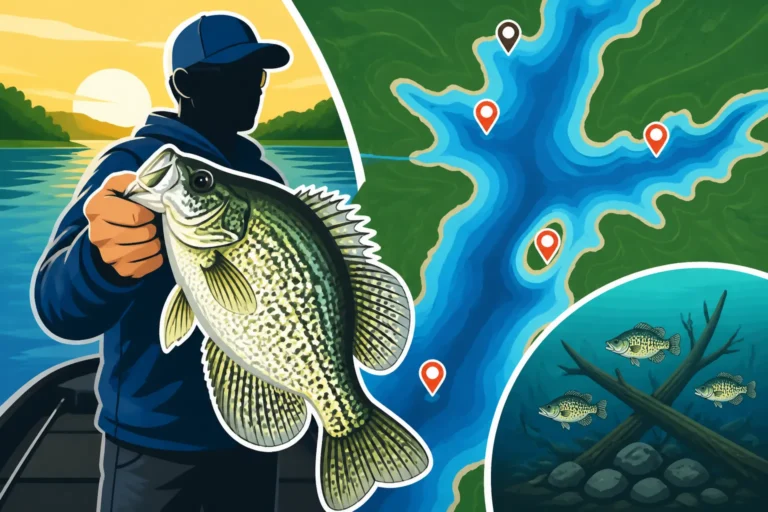
Smallmouth bass, especially the larger ones, are creatures of habit on Dale Hollow, often relating to specific types of structure. When looking for productive coves and points, focus on those with a combination of deep water access, rocky bottoms, and some form of cover.
Main Lake Points: These are often the first places smallmouth will congregate, especially during pre-spawn, post-spawn, and fall. Look for points that drop off sharply into deep water, often with scattered rock or even some submerged timber at their base. Points near the main river channel or areas with current are particularly good.
Bluffs and Rock Walls: The sheer rock bluffs along the main lake are classic smallmouth territory. These vertical structures provide shade, deep water access, and often have small ledges or cracks where crawfish hide. Smallmouth will cruise these walls at various depths, especially in summer.
Humps and Submerged Islands: These offshore structures can be magnets for smallmouth, particularly when they are chasing schools of baitfish in open water. Using your electronics to find these submerged features and understanding their contour is critical.
Secondary Points and Transition Areas: In spring, as smallmouth move shallower to spawn, they will often stage on secondary points inside larger bays or coves. These are transitional areas where they can feed before moving onto beds, or recover after the spawn before heading back to deeper water. The Wolf River arm and Obey River arm are excellent places to look for such features.
Public Access and Boat Ramps
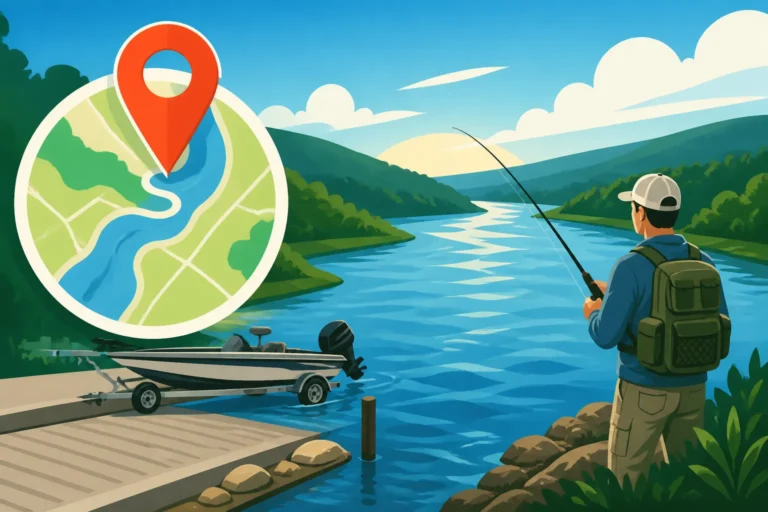
Getting your boat onto Dale Hollow is relatively easy, thanks to numerous well-maintained public access points and marinas. Most ramps offer ample parking and facilities. Some of the most popular access points on the Tennessee side include:
- Dale Hollow Lake State Resort Park Marina (Kentucky side, but easily accessible): While technically in Kentucky, this large marina provides excellent access to the central and upper sections of the lake, popular for both recreational boating and fishing.
- Sunset Marina & Resort: Located in Monroe, Tennessee, this is a full-service marina with ramps, slips, and amenities, providing good access to some prime smallmouth habitat.
- Hendricks Creek Resort: Another popular spot in Monroe, offering good access and services.
- Obey River Park: A more rustic access point provided by the Corps of Engineers, ideal for accessing the Obey River arm, which can be very productive.
Always check the condition of ramps, especially during periods of fluctuating water levels, and plan your launch carefully. These facilities are generally well-maintained, but local conditions can vary. Remember, a valid Tennessee Fishing License Guide is essential before you even think about launching your boat or casting a line.
Using Fishing Guides and Charters
For those new to Dale Hollow, or for anglers looking to maximize their time on the water, hiring a professional fishing guide is an excellent investment. Dale Hollow guides are intimately familiar with the lake's vastness, its ever-changing conditions, and the nuanced behavior of its smallmouth. They know the current patterns, the best lures, and critically, how to find the fish on any given day. A good guide can save you countless hours of searching and will teach you techniques specific to Dale Hollow. They often have top-tier equipment, including advanced electronics, and can provide all the necessary gear. If you're planning a trip and want to ensure a productive outing, consider looking for local experts on platforms like FishingBooker. These services connect you with experienced captains who can tailor a trip to your skill level and fishing goals. Even for experienced anglers, a day with a guide can unlock new insights and greatly enhance your understanding of this incredible fishery. Finding a reputable guide through FishingBooker can provide peace of mind and significantly increase your chances of a memorable catch.
Dale Hollow Lake Regulations and Conservation
Fishing on Dale Hollow Lake isn't just about catching fish; it's also about understanding and respecting the regulations in place to protect this world-class fishery. The Tennessee Wildlife Resources Agency (TWRA) and the Kentucky Department of Fish and Wildlife Resources work collaboratively to manage the lake, which spans both states. Being aware of the specific rules, especially for smallmouth bass, is crucial for legal and responsible angling. We also need to remember that our actions today impact the fishing opportunities of tomorrow.
Smallmouth Bass Size and Creel Limits
Dale Hollow Lake has specific regulations designed to foster its trophy smallmouth fishery. Anglers need to be particularly mindful of the size and creel limits, which can be different from statewide Tennessee or Kentucky rules for other bodies of water. For smallmouth bass, the daily creel limit is typically two fish, with a minimum size limit of 16 inches. This slot limit is critical: it allows smaller fish to grow into the trophy class and protects the breeding population. It's not uncommon for these regulations to be slightly stricter than general Tennessee Fishing Regulations Explained for other lakes.
It's absolutely vital to confirm the most current regulations before each fishing trip, as they can sometimes be updated. You can usually find the most up-to-date information on the TWRA website or by picking up a fishing guide booklet from any license agent or bait shop. Misinterpreting or ignoring these rules can lead to hefty fines and a revoked fishing license, which is a headache no angler wants to deal with. Always measure your fish carefully and release anything under the legal length or over your daily limit immediately and safely.
Catch and Release Best Practices
Given Dale Hollow's reputation for trophy smallmouth, catch and release is not just a good idea, it's a vital practice that helps maintain the quality of the fishery. Many anglers, even when legally allowed to keep fish, choose to release large smallmouth to ensure they can continue to spawn and grow. Practicing proper catch and release techniques minimizes stress and injury to the fish, significantly increasing their survival rate.
Here are some best practices:
- Handle with Care: Always wet your hands before touching a fish. Dry hands can remove the protective slime coat, making the fish susceptible to disease.
- Minimize Air Exposure: Keep the fish in the water as much as possible. Even short periods out of water can be very stressful, especially for larger fish. If you must take a photo, do it quickly and hold the fish horizontally, supporting its belly.
- Use the Right Tools: Keep a pair of long-nosed pliers or forceps handy for easy hook removal. Barbless hooks can also make removal quicker and less damaging.
- Cut the Line: If a fish is deeply hooked and removing the hook would cause significant damage, it's often best to simply cut the line as close to the hook as possible. Hooks will often rust out or be expelled by the fish.
- Revive Carefully: If a fish appears lethargic, hold it gently in the water, facing into any current, and allow water to flow over its gills until it swims away under its own power. Never vigorously shake a fish back and forth.
By adhering to these practices, we contribute to the long-term health and vitality of Dale Hollow's incredible smallmouth population, ensuring that future generations of anglers can experience the thrill of catching these magnificent fish.
Protecting the Fishery
Beyond individual catch and release practices, protecting Dale Hollow's fishery is a collective responsibility. This includes being mindful of our environmental impact and adhering to broader conservation principles. The lake's exceptional water clarity and health are a direct result of ongoing conservation efforts.
Anglers should always:
- Pack It In, Pack It Out: Leave no trace behind. This means taking all trash, discarded fishing line, and other litter with you. Monofilament line can be particularly harmful to wildlife.
- Prevent Invasive Species: Be diligent about cleaning, draining, and drying your boat and gear after each outing. This prevents the spread of aquatic invasive species, which can wreak havoc on native ecosystems and fish populations. Zebra mussels, for instance, are a significant threat to many freshwater systems.
- Report Poaching or Violations: If you witness any illegal fishing activity, such as exceeding creel limits, fishing without a license, or using illegal methods, report it to the TWRA. Protecting the resource requires vigilance from everyone who enjoys it. For information about how penalties can be enforced, consider reading Penalties for Fishing Without a License in Tennessee.
- Support Conservation Organizations: Many local and national organizations are dedicated to freshwater conservation. Supporting them through membership or donations helps fund critical research, habitat restoration, and educational programs that benefit fisheries like Dale Hollow.
By taking these steps, every angler plays a part in preserving the pristine beauty and world-class smallmouth fishing opportunities that Dale Hollow Lake offers.
| Season | Typical Water Temperature | Preferred Depths (feet) | Primary Lure Types | Key Smallmouth Behavior |
|---|---|---|---|---|
| Spring | 48-65°F | 5-25 (Pre-spawn); 5-15 (Spawn) | Jerkbaits, Tube Jigs, Shaky Heads, Ned Rigs, Spinnerbaits | Moving shallow, aggressive feeding, spawning on gravel beds |
| Summer | 70-85°F | 20-60+ (suspending) | Deep Crankbaits, Drop-shots, Spoons, Hair Jigs, Trolling Lures | Retreating to cooler, deeper water, often suspended over bait |
| Fall | 55-70°F | 10-30 | Jerkbaits, Topwater, Swimbaits, Spinnerbaits, Crankbaits | Aggressive feeding frenzy, chasing baitfish shallower |
| Winter | 38-48°F | 40-80+ | Hair Jigs, Spoons, Blade Baits, Drop-shots | Schooling tightly on deep structure, subtle bites |
Disclaimer
Fishing information, including regulations, conditions, and techniques, can change frequently. Always consult the latest official resources from the Tennessee Wildlife Resources Agency (TWRA) and the Kentucky Department of Fish and Wildlife Resources (KDFWR) before planning your trip to ensure compliance and safety. This guide is for informational purposes only.