Tennessee River Fishing Access Points
Trying to find those perfect fishing spots along the massive Tennessee River system can feel like searching for a needle in a haystack, especially when you're dealing with hundreds of miles of water and countless twists and turns. It's frustrating to drive around blindly, wondering where to launch your boat or if there's even a decent bank fishing spot nearby that isn't private property. This comprehensive guide is here to cut through that confusion, giving you the lowdown on the best and most accessible fishing points along the Tennessee River, from its headwaters to where it eventually flows into the Ohio.
Understanding the Tennessee River System's Scope
The Tennessee River isn't just one continuous stream; it's a magnificent, complex network of rivers and reservoirs, shaped by a series of dams built by the Tennessee Valley Authority (TVA). This intricate system stretches for 652 miles, winding its way through Tennessee, Alabama, and Kentucky. For anglers, this means an incredible diversity of habitats, from swift-moving tailwaters below dams to vast, open lake impoundments, each offering unique fishing opportunities. It's truly a freshwater angler's paradise, but knowing where to drop a line is half the battle.
The Main Stem and Its Mighty Reservoirs
When we talk about the Tennessee River, we're really talking about a chain of interconnected lakes – Watts Bar, Chickamauga, Nickajack, Guntersville, Wheeler, Wilson, Pickwick, Kentucky Lake, and others – all flowing into one another. Each reservoir has its own character, depth, and prevailing fish species. For instance, you'll find different primary targets and fishing techniques on the deep, clear waters of Norris Lake (a major tributary, though not directly on the main stem) compared to the sprawling, nutrient-rich expanse of Kentucky Lake. These reservoirs are often categorized by the dam that creates them, forming distinct fisheries that require different approaches. Understanding this network is key to maximizing your success and finding the specific kind of fishing experience you're after.
Navigating the Locks and Dams for Anglers
The TVA's system of locks and dams is a marvel of engineering, but it also creates specific angling environments. Below each dam, the turbulent, oxygenated water often concentrates baitfish and, consequently, game fish. This makes tailwaters prime fishing locations, especially for species like striped bass, catfish, and various types of bass. However, access to these areas can vary; some dams have designated public fishing areas right below them, while others require boat access. Learning to read the current and understand the discharge schedules from the TVA can significantly improve your chances here. Many anglers use services like FishingBooker to scout out guides who specialize in these challenging but rewarding dam tailwaters, as local expertise can make all the difference. Remember to always be aware of the fast-changing water levels and currents that these operations can create, and always prioritize safety.
Prime Access Points Along the Upper Tennessee River East Tennessee
The upper stretches of the Tennessee River, particularly those winding through East Tennessee, offer a fantastic blend of scenic beauty and productive fishing. This region includes major metropolitan areas like Knoxville and Chattanooga, providing urban anglers with surprising opportunities, as well as more rural, tranquil spots. These areas are characterized by deep impoundments and a mix of rocky and timbered cover, perfect for a variety of species.
Knoxville Area: Urban Fishing Opportunities
The Tennessee River flows right through the heart of Knoxville, offering surprisingly robust urban fishing opportunities. Fort Loudoun Lake, formed by Fort Loudoun Dam, backs up to Knoxville and extends upstream. Here, you'll find plenty of public boat ramps and bank access points. Volunteer Landing, downtown, is a popular spot for bank fishing, with access to walking trails and a marina. You can often target smallmouth bass, largemouth bass, and various panfish right near the city. Further upriver, past Knoxville, the Holston and French Broad Rivers converge to form the official start of the Tennessee River. These tributary areas also have excellent access for both boaters and kayakers, with numerous public put-ins managed by the TWRA or local parks departments. For those looking for more remote experiences just outside the city, there are quieter coves and slower moving stretches that can be explored by kayak, giving a totally different perspective than the bustling downtown waters.
Chattanooga Area: Historical Waters and Bass Hotspots
Moving southwest, the Tennessee River meanders through Chattanooga, creating another incredible urban fishery, primarily on Chickamauga Lake. This lake is renowned for its trophy largemouth bass fishing, drawing anglers from all over the country. Public access in the Chattanooga area is plentiful. Chester Frost Park on the northern end of Chickamauga Lake offers multiple boat ramps, ample parking, and even camping facilities, making it a favorite for weekend trips. Ramps around Harrison Bay State Park and Chickamauga Dam itself also provide excellent access. The tailwaters below Chickamauga Dam can be particularly good for a diverse catch. Finding your ideal spot might mean checking out some guides on platforms like FishingBooker to pinpoint the best local expertise, especially if you're chasing that elusive trophy bass that Chickamauga Lake is famous for. Understanding the Tennessee Bass Fishing Seasons and Patterns for these waters will significantly increase your chances of success.
Central Tennessee River Access: Watts Bar and Nickajack
Between Chattanooga and the sprawling waters further west, you'll find two more significant impoundments on the Tennessee River: Watts Bar Lake and Nickajack Lake. These areas offer distinct fishing experiences, from vast open waters to current-swept ledges, and are well-serviced with public access.
Watts Bar Lake: A Vast Expanse of Diverse Fishing
Watts Bar Lake, formed by Watts Bar Dam, is one of Tennessee's largest reservoirs, stretching over 72 miles and covering nearly 39,000 acres. This immense size means an incredible variety of habitats, from deep main channel ledges to shallow coves and expansive flats. Anglers targeting everything from largemouth and smallmouth bass to crappie, catfish, and even striped bass will find plenty of opportunities here. Public access is widespread, with numerous Tennessee Wildlife Resources Agency (TWRA) boat ramps located along its shores, particularly around Kingston, Spring City, and near the dam itself. Watts Bar Dam Recreation Area provides excellent facilities for launching and bank fishing. It truly lives up to its reputation as Watts Bar Lake, Tennessee's Largest Lake for Fishing, and you'll often see professional tournament anglers launching here alongside casual weekend fishermen.
Nickajack Lake: Current-Rich Waters Below Chattanooga
Just downstream from Chickamauga Lake and Chattanooga lies Nickajack Lake. This reservoir is known for its strong currents, especially in the main channel, which are influenced by the releases from Chickamauga Dam. These currents create fantastic habitat for schooling fish and large predators, making it a premier spot for robust striped bass and hard-fighting catfish. Several public boat ramps dot the shoreline, with popular access points near the town of New Hope and the Nickajack Dam area. The lake also has unique features like the Nickajack Cave, which attracts visitors and offers some interesting shoreline structure. While popular for boating, there are also a few spots for bank access, especially around the dam tailwaters. If you're looking for a thrilling fight, the current-driven sections of Nickajack are certainly worth exploring.
Lower Tennessee River Access: Kentucky Lake and Pickwick Lake
As the Tennessee River makes its westward journey before turning north into Kentucky, it creates two of the most iconic and productive fishing impoundments in the entire southeastern United States: Kentucky Lake and Pickwick Lake. These vast bodies of water are legendary for their fishing.
Kentucky Lake: Renowned for Bass and Catfish
Kentucky Lake is, without a doubt, a titan in the fishing world. While a large portion is in Kentucky, the southern part extends deep into Tennessee, offering incredible angling action. Known primarily as a world-class bass fishery and a hotspot for massive catfish, this lake consistently produces trophy-sized fish. Access points are plentiful and well-maintained along the Tennessee stretch, especially around the New Johnsonville, Camden, and Parsons areas. Major state parks like Paris Landing State Park offer extensive public boat ramps, marinas, and excellent facilities, drawing anglers from all over. Many guides specializing in Kentucky Lake Fishing on the Tennessee Side operate out of these areas, and it's a great idea to consider them if you're new to the lake's vastness. Whether you're targeting big largemouth bass in its countless creeks and bays or massive blue catfish in the main river channel, Kentucky Lake has the infrastructure to support your angling adventure.
Pickwick Lake: Multi-Species Haven on the Southern Border
Located on the border of Tennessee, Mississippi, and Alabama, Pickwick Lake is another jewel in the Tennessee River crown. It's famous for its diverse fishery, boasting excellent populations of smallmouth bass, largemouth bass, crappie, and monster catfish. The tailwaters below Pickwick Dam are particularly legendary for smallmouth and striped bass, with powerful currents attracting large concentrations of fish. Public access is readily available around the Counce and Savannah areas in Tennessee. Pickwick Landing State Park is a prime example, offering multiple boat ramps, lodging, and a marina, making it a fantastic base camp for exploring this expansive lake. Many anglers specifically visit Pickwick for its robust smallmouth action in the rocky, current-swept areas. Before heading out, it's always wise to check Tennessee Fishing Regulations Explained for any specific lake-specific rules that might apply to this border water. For those interested in a guided trip, FishingBooker lists several excellent charters that operate on Pickwick Lake, specializing in its unique multi-species opportunities.
Exploring Smaller Tributaries and Backwaters
While the mainstem reservoirs of the Tennessee River command a lot of attention, don't overlook the myriad of smaller tributaries, feeder creeks, and backwater areas. These often offer more intimate fishing experiences, different species mixes, and a chance to escape the crowds found on the larger lakes.
The Importance of Feeder Creeks and Rivers
The Tennessee River is fed by countless creeks and smaller rivers, many of which hold their own vibrant fish populations and offer excellent access. Rivers like the Clinch, Holston, French Broad, Hiwassee, and Elk River are not only beautiful but also provide vital spawning grounds and diverse habitats for various fish. These tributaries are often fantastic for wade fishing, kayak fishing, or small boat access, allowing anglers to target trout in colder sections, smallmouth bass in rocky stretches, or panfish and catfish in the slower, warmer flows. For instance, the Caney Fork River, a tributary of the Cumberland River which eventually connects to the Ohio and then the Mississippi, is a prime trout fishery, stocked regularly by the TWRA. These feeder systems play a crucial role in the overall health and diversity of the entire Tennessee Fishing License Guide system, so make sure your license covers these areas.
Hidden Gems: Remote Bank and Kayak Access
Beyond the well-known boat ramps, there are numerous hidden gems for anglers willing to explore. These often take the form of quiet state park ponds, county-managed public access areas, or even just undeveloped stretches of shoreline along smaller creeks. Kayaks and canoes open up a world of possibilities, allowing access to shallow backwaters, narrow channels, and peaceful coves that larger boats can't reach. Look for designated public access sites along smaller rivers and creeks, often marked by a simple gravel parking area. Sometimes, a little legwork and a good pair of waders will get you to pristine spots offering solitude and fantastic fishing. For example, some of the less-trafficked sections of the Hiwassee River provide fantastic remote kayak access. Exploring these areas can lead to some truly memorable catches and a much more tranquil experience away from the bustling main lakes.
Practical Tips for Finding and Using Access Points
Navigating the vastness of the Tennessee River system for fishing access can be daunting, but with a few practical tips, you can efficiently find and utilize the best spots, ensuring a smooth and enjoyable day on the water.
Public Boat Ramps and Marinas
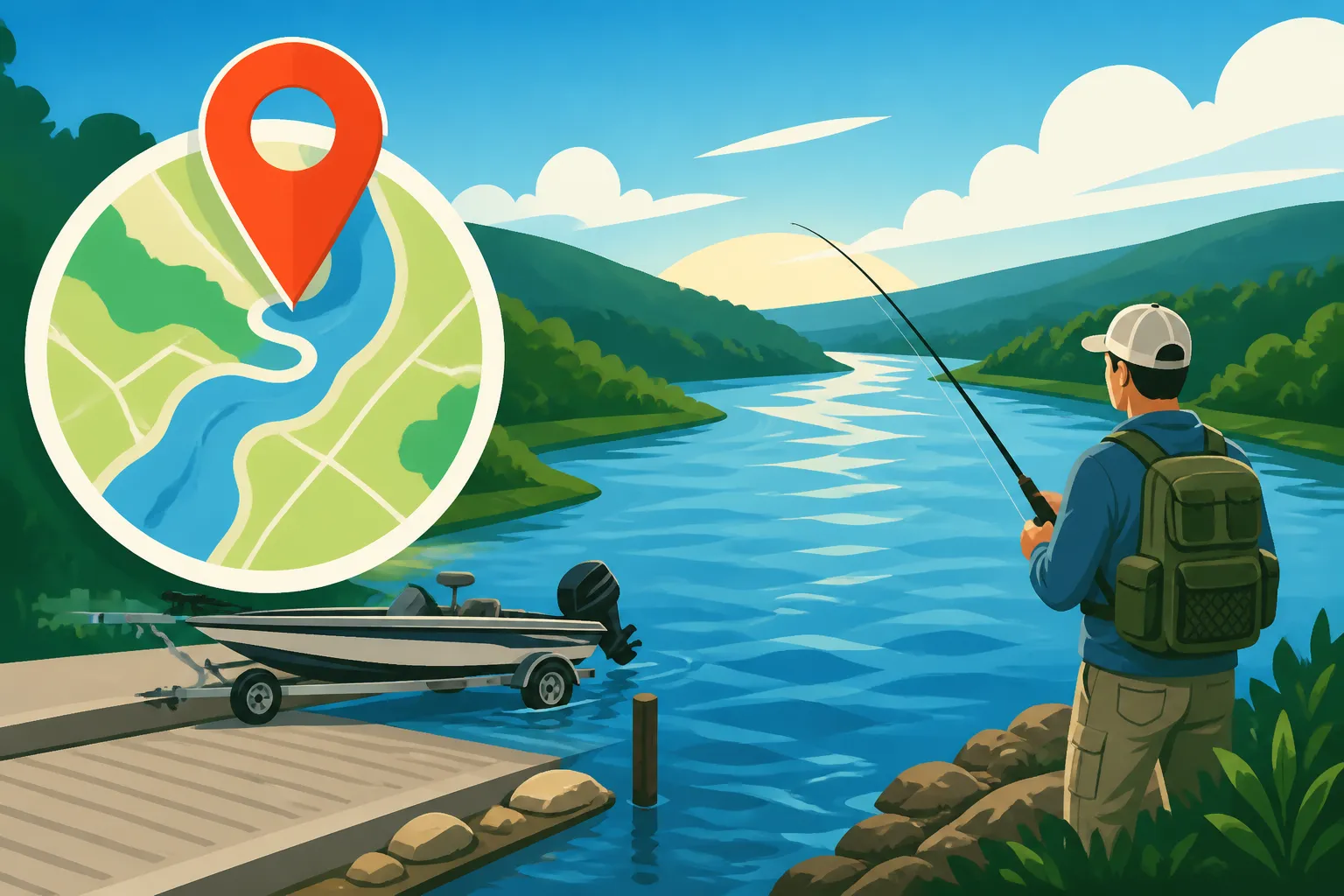
For boat anglers, public boat ramps and marinas are your primary access points. The Tennessee Wildlife Resources Agency (TWRA) maintains a comprehensive network of public access sites across the state, including many along the Tennessee River and its major reservoirs. These ramps are generally well-maintained, offer ample parking, and are free to use. You can often find a list of these ramps on the TWRA website, often with detailed directions and amenities. Marinas, while sometimes requiring a fee for launch or parking, often offer additional services like fuel, bait, tackle shops, and restrooms, making them convenient hubs. When planning a trip, especially to a new area like Kentucky Lake's Best Catfish Waters in Tennessee, always check the specific ramp conditions, as water levels can fluctuate, affecting usability. Early mornings, especially on weekends, can see ramps get very busy, so plan accordingly to avoid long waits.
Bank Fishing Spots and Shoreline Access
If you prefer to fish from shore, finding good bank access is crucial. Many state parks, city parks, and wildlife management areas (WMAs) along the Tennessee River offer designated bank fishing areas. These spots often include piers, fishing platforms, or simply cleared sections of shoreline. Popular areas like Chester Frost Park on Chickamauga Lake or Paris Landing State Park on Kentucky Lake offer extensive shoreline access with facilities. Remember to respect private property boundaries and only fish where public access is permitted. Some bridge crossings also offer decent bank fishing opportunities, but always prioritize safety and be mindful of traffic. Many smaller creek mouths flowing into the main river system can also be productive for bank anglers. A useful resource is often local bait shops, as they are a treasure trove of information about current hot spots and lesser-known public bank access.
Here's a quick comparison of common access types along the Tennessee River:
| Access Type | Best For | Pros | Cons |
|---|---|---|---|
| Public Boat Ramps | Any boat (bass boats, pontoons, etc.) | Access to vast lake/river areas; usually well-maintained & free | Can get crowded; limited for non-boaters |
| Marinas | Any boat | Additional services (fuel, bait, restrooms); secure parking | Often require launch/parking fees; can be further from fishing spots |
| Bank Fishing Areas | Walk-in anglers, casual fishing | No boat needed; often family-friendly; accessible in urban areas | Limited range; spots can be pressured; sometimes crowded |
| Kayak/Canoe Put-ins | Small craft, remote exploration | Access to shallow, less-fished areas; quiet; versatile | Requires transport of craft; exposed to elements; can be strenuous |
| Wade Fishing Access | Fly fishing, light tackle in shallow rivers | Intimate connection with water; targets specific species (trout) | Limited to shallow, flowing water; requires waders/appropriate gear |
When considering a specific spot, think about what kind of experience you're looking for. If it's a quiet morning with a coffee and a bobber, a local park's bank access might be perfect. If it's a full day of chasing trophy bass, then a well-equipped boat ramp on Tennessee's Top Bass Fishing Lakes like Chickamauga or Kentucky Lake is your best bet. And don't forget the convenience of digital tools; many state agencies now have interactive maps online that show all public access points.
Disclaimer
Fishing conditions, regulations, and access points can change. Always check the latest information from the Tennessee Wildlife Resources Agency (TWRA) before planning your trip. This guide is for informational purposes only and does not guarantee fishing success or current conditions. Stay safe and respect private property.