Shore Fishing Access at Watts Bar Lake
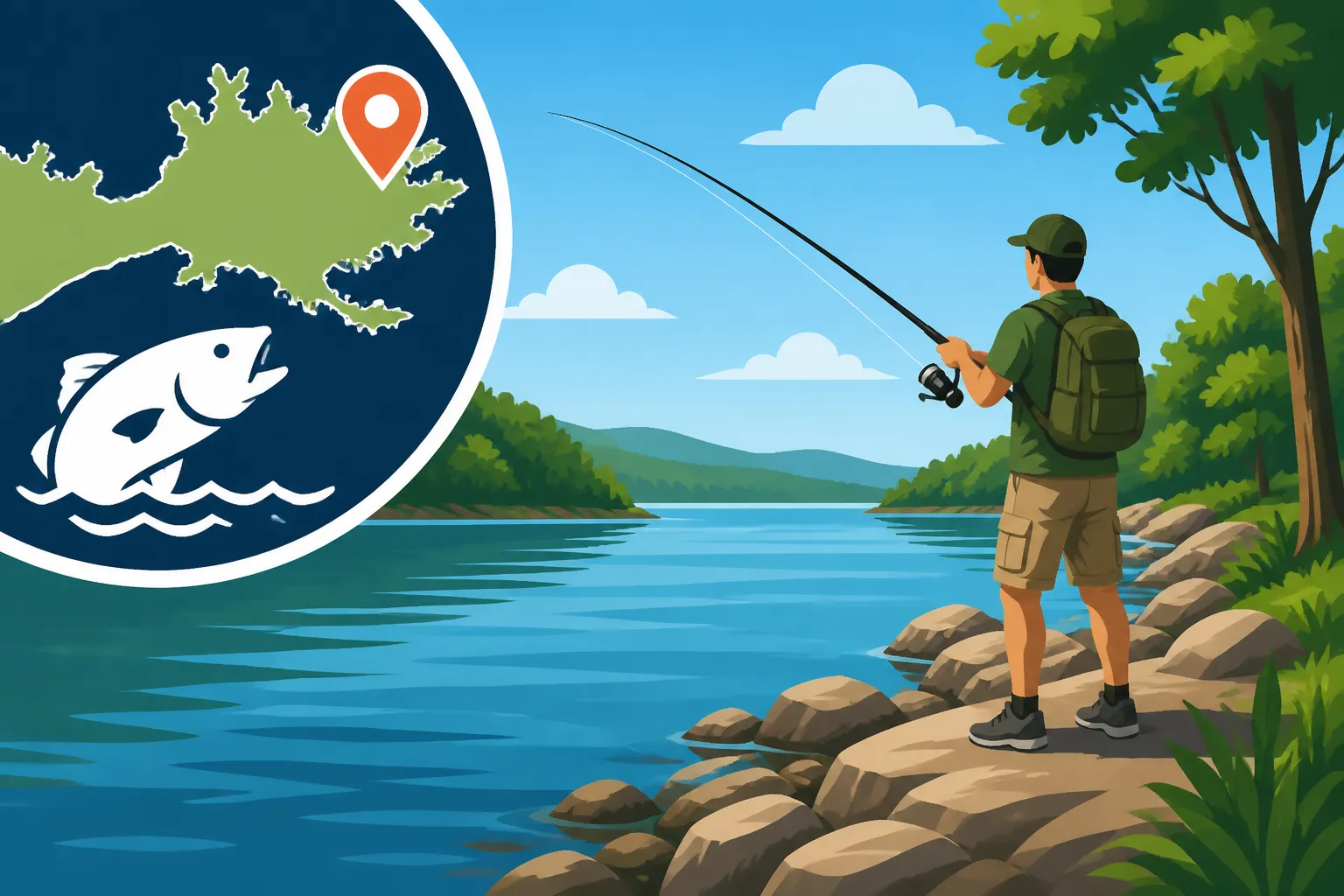
It can be incredibly frustrating to gaze out at the vast, promising waters of Watts Bar Lake, knowing it's teeming with fish, but feeling stuck because you don't have a boat. Many anglers face the challenge of wanting to experience Tennessee's fantastic fishing opportunities without the expense or logistics of boat ownership. This guide is dedicated to helping you unlock the beauty and bounty of Watts Bar Lake by highlighting accessible shore fishing spots and sharing valuable tips to make your bank fishing adventures successful and rewarding.
Understanding Watts Bar Lake's Shoreline for Anglers
Watts Bar Lake, a sprawling Tennessee Valley Authority (TVA) reservoir on the Tennessee River, is a true gem for anglers. However, its immense size and diverse shoreline can make finding easy public access for shore fishing a bit of a treasure hunt. It's not like simply walking up to a small pond; this is a serious body of water, and that comes with its own set of unique access challenges.
The Challenge of Bank Access on Large Reservoirs
Let's be real, the sheer scale of a reservoir like Watts Bar can be daunting when you're limited to bank access. You might drive for miles, seeing tantalizing stretches of water, only to find private property signs or steep, undeveloped banks that are impossible to navigate safely with your gear. Many of these large lakes are lined with residential homes, private docks, and gated communities, all designed to offer private lake access to property owners, not the general public. This can feel incredibly disheartening, making you wonder if shore fishing is even a viable option at all.
Moreover, the best fishing spots often involve submerged structures, creek channels, or deeper ledges that are typically far out of casting range from the bank. This doesn't mean shore fishing is fruitless, but it does mean you need a different strategy and realistic expectations about what species and sizes you're most likely to encounter close to the bank. It really is a common frustration, but with a bit of local knowledge and persistence, you can definitely find some productive spots.
General Characteristics of Watts Bar Lake Shoreline
Watts Bar Lake boasts an impressive 783 miles of shoreline, winding its way through several counties including Rhea, Meigs, Roane, and McMinn. This vastness means the shoreline itself is incredibly varied. You'll find everything from rocky bluffs and steep, wooded hillsides to gentle, sloping banks perfect for wading. There are also numerous coves, feeder creeks, and islands that create complex underwater topography.
A significant portion of the lake's edge is indeed privately owned, developed with cabins, year-round homes, and marinas. However, the Tennessee Valley Authority (TVA) manages a substantial amount of land around the lake, much of which is designated for public use, conservation, or recreation. These TVA-managed areas, along with state parks and local municipal parks, are your best bets for finding legitimate and accessible shore fishing opportunities. Learning to identify these public lands on a map or by looking for signs is your first step to unlocking Watts Bar's potential without a boat.
Top Spots for Shore Fishing Access on Watts Bar Lake
While finding extensive stretches of prime, easily accessible public shoreline on a lake as large as Watts Bar can take some dedication, there are definitely places where you can wet a line without needing a boat. These spots often concentrate fish due to natural features or artificial structures, making them ideal for the bank angler.
State Parks and Wildlife Management Areas
One of the best resources for public access on Watts Bar Lake is the network of state parks and Tennessee Wildlife Resources Agency (TWRA) Wildlife Management Areas (WMAs). These areas are specifically managed for public recreation, including fishing.
The Watts Bar Dam Reservation Recreational Area is a fantastic example. Located right at the dam in Rhea County, this area offers picnic spots, walking trails, and most importantly for us, ample shoreline access below the dam and along the lake. The outflow from the dam can create excellent fishing conditions, attracting a variety of species. You'll often find anglers targeting striped bass, catfish, and even some panfish here, especially during periods of water generation. This area is designed for public enjoyment, so it's usually well-maintained and relatively safe. Just be mindful of swiftly moving water when the dam is generating.
While not directly on Watts Bar, some larger regional parks might have smaller ponds or creeks that feed into the system, offering a different kind of bank fishing. For broader fishing opportunities across Tennessee's water, you might want to consult a full guide on the Best Fishing Lakes in Tennessee. If you're looking for professional advice or want to explore other parts of the lake from a boat, sometimes checking platforms like FishingBooker can help you find local guides who know the ins and outs of both shore and boat fishing spots across the reservoir.
Public Boat Ramps and Bridge Access
Don't overlook public boat ramps as potential shore fishing spots. While their primary purpose is boat launching, many ramps are situated within public lands that offer adjacent shoreline for fishing. The key is to find spots slightly away from the immediate launch area to avoid interfering with boat traffic.
The Caney Creek Public Access Area in Roane County is a great example. It has a boat ramp, but also offers some bank access. You might find success casting along the edges of the ramp area, especially where there's submerged vegetation or rock. These areas often attract baitfish, which in turn draw in larger predatory species like bass and crappie. Just remember to be courteous to boaters and keep your lines clear of the launch lanes.
Bridge crossings are another excellent option. The US-68 bridge that crosses Watts Bar Lake between Spring City and Sweetwater, for instance, often creates structure and current breaks that attract fish. While you can't typically fish directly from the bridge for safety reasons, there are sometimes small pull-offs or access points beneath or near the bridge where you can cast. These spots can be particularly good for catfish and white bass, which often congregate in areas with current. Always prioritize safety and respect any posted no-fishing signs or private property markers when exploring bridge access.
Local Parks and Developed Areas
Many smaller communities nestled along the shores of Watts Bar Lake have their own local parks or recreational areas that offer some form of public lake access. These might be less well-known than the larger state facilities, but they can be incredibly productive and offer a more relaxed atmosphere.
For example, the Spring City Greenway provides public access along Watts Bar Lake, often with paved walking trails and designated fishing areas. These types of greenways or municipal parks are designed for community enjoyment and often feature piers, docks, or easily accessible shoreline for fishing. They are particularly good for families or beginner anglers because of the amenities and relatively easy access. You might find success targeting panfish like bluegill and shellcrackers, as well as smaller bass, in these calmer, more developed areas.
Sometimes, even local marinas, while private businesses, may offer public fishing piers or allow bank fishing in certain areas, especially if you buy bait or supplies from their shop. It never hurts to ask! These spots can be hotbeds for crappie and various panfish, as structure like docks and boat slips provide excellent cover. If you're serious about finding these hidden gems, consider checking out local fishing forums or even hiring a local guide through FishingBooker who can point you to these lesser-known, productive bank fishing spots. Always be sure to check for local regulations, which can sometimes vary, as detailed in the Tennessee Fishing Regulations Explained guide.
Essential Tips for Successful Shore Fishing on Watts Bar
Shore fishing on a large reservoir like Watts Bar requires a slightly different approach than fishing from a boat. Your mobility is limited, so understanding where to focus your efforts and how to present your baits effectively becomes even more crucial.
Understanding Fish Behavior Near Shore
Fish are always on the move, but their patterns often become more predictable when you understand their basic needs: food, cover, and comfortable water temperatures. Near the shore, especially in coves or quieter sections, you're most likely to encounter panfish like bluegill and crappie, as well as various species of catfish. Bass will also cruise the shallow margins, particularly during their spawning periods in spring or during low-light conditions at dawn and dusk.
Look for natural and artificial structures. Fallen trees, brush piles, submerged rocks, and even old dock pilings provide excellent cover for smaller fish and ambush points for predators. Weed lines, especially those with deeper water nearby, are also prime areas. These structures concentrate fish, making your limited casting range more effective. Pay attention to how the water temperature affects fish activity, as explored in articles like How Water Temperature Affects Fish Activity. Early mornings and late evenings are often the most productive times for shore fishing, as many species move closer to the banks to feed under the cover of lower light.
Recommended Gear and Baits for Bank Anglers
When you're shore fishing, versatility is your best friend. You won't have a huge tackle box or multiple rod setups like you might in a boat, so focus on gear that can handle a variety of situations and species.
A medium-light to medium action spinning rod, around 6.5 to 7 feet long, paired with a reliable spinning reel spooled with 6-10 lb test monofilament or fluorocarbon line, is an excellent all-around setup. This will give you enough backbone to fight larger fish but still allow for sensitive presentations for panfish. For bait, simplicity often wins. Live worms and crickets are irresistible to bluegill, crappie, and many other panfish. For catfish, stink baits, chicken livers, or cut bait fished on the bottom are highly effective. If you're targeting bass, consider carrying a few simple lures like small spinnerbaits, crankbaits, or soft plastic worms rigged Texas-style. These are versatile and can be cast effectively from shore to cover different depths and structures. For a deeper dive into what to pack, check out our guide on Tackle Box Setup by Species.
| Species Target | Recommended Baits/Lures | Best Time (Shore) | Typical Shore Structures |
|---|---|---|---|
| Panfish (Bluegill, Crappie) | Worms, Crickets, Small Jigs, Mini-Mites | Morning, Evening, Mid-day | Docks, Brush Piles, Weed Lines, Fallen Trees |
| Catfish (Channel, Blue) | Cut Bait, Chicken Liver, Stink Baits | Night, Overcast Days | Deeper Pockets, Near Dam Outflows, Creek Mouths |
| Largemouth Bass | Soft Plastics (Worms, Senkos), Spinnerbaits, Small Crankbaits | Dawn, Dusk, Overcast Days | Submerged Trees, Docks, Rocky Banks, Weeds |
| White Bass | Small Spinners, Spoons, Jigs | Spring (Spawning Runs), Dawn, Dusk | Current Areas, Bridge Pilings, Dam Outflows |
Safety and Etiquette for Shoreline Fishing
Safety and courtesy are paramount when you're fishing from the bank, especially in public areas. Always be aware of your surroundings. If you're near a boat ramp, keep a safe distance from boat traffic and never cast where you might impede a launching or retrieving boat. Wear appropriate footwear, especially if you're navigating uneven terrain or potential slippery banks. A life vest, even when bank fishing, can be a wise choice if you're near steep drops or fast-moving water, like below the dam.
Respect private property: always look for "No Trespassing" signs and stay on designated public access points. Leaving no trace is also critical; pack out everything you pack in, including all your trash, discarded fishing line, and bait containers. This helps keep these beautiful fishing spots enjoyable for everyone. Before you head out, make sure you have your Tennessee Fishing License Guide in hand and are familiar with the specific Tennessee Fishing Season and Catch Limits for the species you hope to target. Ignorance of the law is no excuse if a game warden happens to check your catch!
Disclaimer
Please note that fishing conditions and regulations can change. Always check the latest Tennessee Wildlife Resources Agency (TWRA) regulations before you head out. This guide is for informational purposes only and does not guarantee fishing success or the safety of any specific location. Exercise caution and common sense whenever you are near the water.