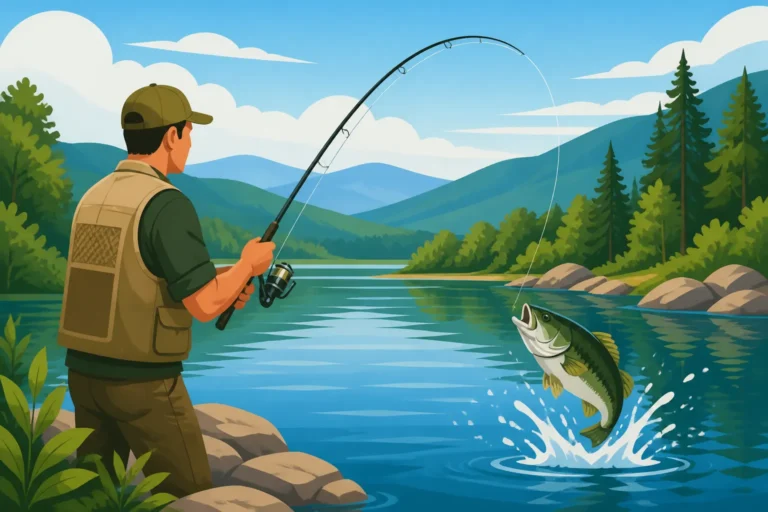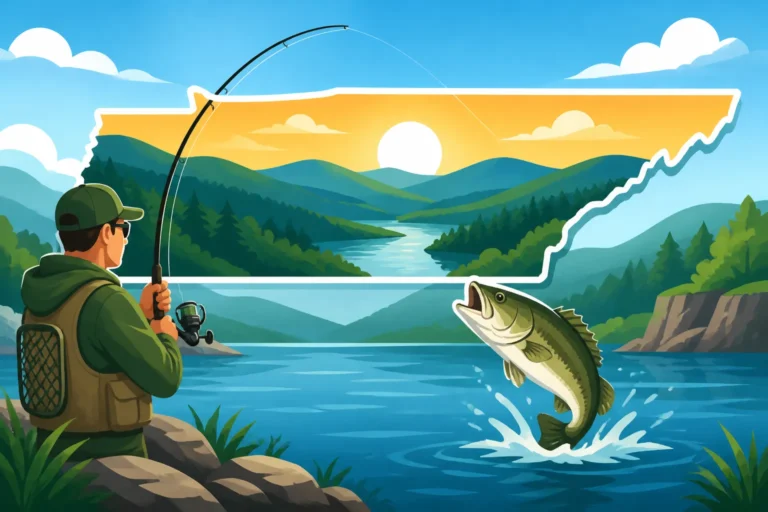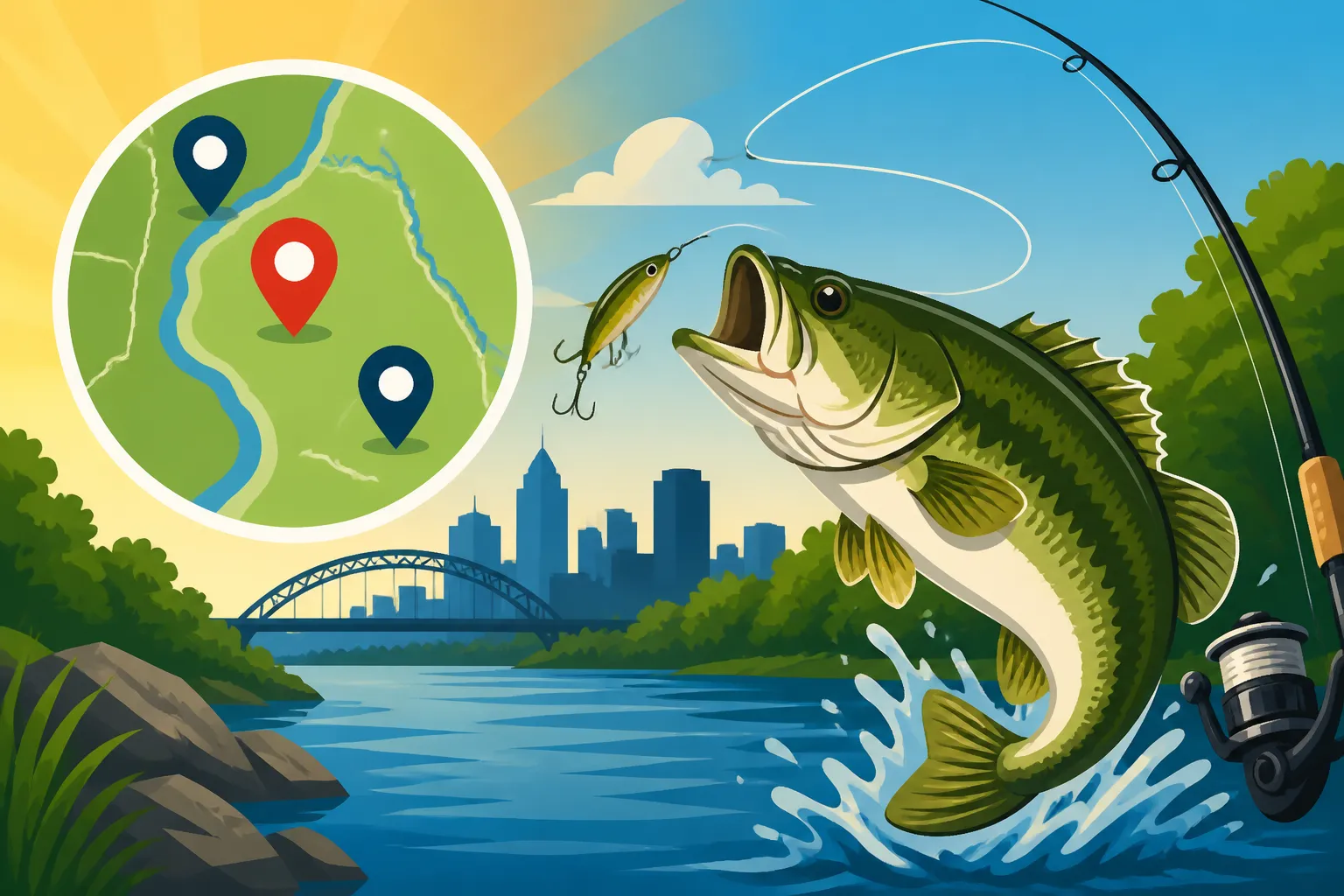
Best Fishing Spots Within an Hour of Memphis, Tennessee
It’s a common dilemma for us anglers, isn't it? You've had a long week, the lure of the water is strong, but the thought of spending hours in the car just to get to a decent fishing spot can be a real buzzkill. For those of us living in or around Memphis, the quest for quality fishing within a reasonable drive is real. This guide is all about cutting down that travel time, pointing you to fantastic fishing opportunities right on your doorstep or just a short drive away, so you can spend more time casting and less time cruising.
Discovering Prime Reservoirs and Major Lakes Near Memphis
When you think of fishing near Memphis, you might automatically picture the mighty Mississippi, but there are some incredible reservoirs and lakes, both large and small, that offer fantastic angling within an hour's reach. These spots provide diverse experiences, from tranquil, stocked ponds perfect for a quiet afternoon to sprawling lakes teeming with trophy fish.
Herb Parsons Lake: A Local Treasure for Diverse Angling
Nestled in Fayette County, just a 30 to 45-minute drive from Memphis, Herb Parsons Lake is truly a local treasure. This 177-acre lake, managed by the Tennessee Wildlife Resources Agency (TWRA), offers a peaceful escape without the long commute. It’s the perfect size – big enough to explore but small enough not to feel overwhelming. Many local anglers, myself included, have spent countless enjoyable hours here. It’s incredibly family-friendly, making it an ideal spot to introduce kids to the joys of fishing.
The lake is regularly stocked, providing a healthy population of largemouth bass, crappie, catfish, and various panfish like bluegill and redear sunfish. For bass anglers, the lake's abundant cover, including submerged timber and aquatic vegetation, creates excellent habitat. You can often find largemouth bass lurking around these structures, especially in the mornings and evenings. Crappie fishing can be phenomenal, particularly in spring when they move into shallower waters for spawning. If you're targeting catfish, try fishing the deeper channels or near the dam with stink bait or cut bait. Bank access is plentiful, with several fishing piers and designated areas perfect for setting up a few rods. For those who prefer to get on the water, you can rent jon boats or use your own small electric motor boat, as gasoline motors are prohibited, which further adds to the lake's serene atmosphere.
Pickwick Lake's Western Edges: Big Water Within Reach
While Pickwick Lake is a massive body of water stretching across Tennessee, Mississippi, and Alabama, its western edges are surprisingly accessible within an hour to an hour and fifteen minutes from Memphis, particularly the areas around Counce, Tennessee, and the Mississippi side. This enormous reservoir, formed by the Tennessee River, is a bucket-list destination for many anglers, known for its incredible smallmouth and largemouth bass, as well as a thriving crappie and catfish population. If you're looking for A Complete Guide to Tennessee Bass Species, Pickwick is a prime spot to encounter several of them.
The sheer size of Pickwick can be intimidating, but focusing on specific embayments and creek arms closer to the Memphis side can yield fantastic results. For smallmouth bass, look for rocky points, ledges, and current breaks, especially during cooler months. Largemouth bass will often be found in the shallower coves and around submerged vegetation. Crappie anglers flock to Pickwick during the spring and fall, targeting brush piles and standing timber in tributary creeks. Catfish, including massive blue and flathead catfish, are abundant throughout the lake, often found in deeper holes or along river channels. Getting out on the main body usually requires a boat, and there are numerous public boat ramps available. For those looking for local expertise, a quick search on FishingBooker can often connect you with experienced guides who know the nuanced patterns and honey holes of this vast lake. It’s an angler’s paradise, offering the chance at true trophy fish, making the slightly longer drive absolutely worth it.
Sardis Lake, Mississippi: Crappie Heaven Just South of the Border
Just about an hour south of Memphis, crossing into Mississippi, you'll find Sardis Lake. While it’s technically across state lines, for Memphis anglers, it’s often considered a prime local spot, especially if your heart beats for crappie. Sardis is legendary for its crappie fishing, attracting anglers from all over the region. You'll want to be aware of Nonresident Fishing License Costs in Tennessee versus Mississippi, as you'll need a Mississippi license for this particular lake.
Sardis Lake is a large flood control reservoir, and its fluctuating water levels can sometimes make finding fish a bit of a puzzle, but when you crack the code, the rewards are immense. The lake is dotted with cypress trees and vast flats, creating ideal crappie habitat. During the spring spawn, crappie move into the shallow cypress knees and flooded timber, making them relatively easy to target with jigs or minnows. As the water warms, they often move to deeper brush piles and creek channels, which can be located with a good fish finder. Beyond crappie, Sardis also holds good populations of largemouth bass, catfish, and bream. There are numerous boat ramps and designated bank fishing areas, though a boat is highly recommended for exploring the best crappie grounds. FishingBooker can be a great resource for finding local crappie guides who specialize in Sardis Lake, ensuring you make the most of your trip. The drive is scenic, and the potential for a cooler full of slabs makes it a perennial favorite for crappie enthusiasts.
The Mighty Mississippi and Local River Access
While the expansive lakes offer clear targets, sometimes the challenge and raw power of river fishing call to us. The Memphis area is defined by the Mississippi River, but smaller, more accessible rivers and streams also present unique opportunities for anglers who prefer flowing water.
The Mississippi River: A Challenge and a Reward
The Mississippi River, flowing right alongside Memphis, is not for the faint of heart, but it offers some of the most exciting and rewarding fishing experiences, especially for those targeting large catfish. Its immense size, powerful currents, and ever-changing conditions demand respect and experience. While fishing from the bank in certain areas is possible, a well-equipped boat is often preferred to safely navigate and access prime fishing spots. For insights into Catfish Species Found in Tennessee Waters, the Mississippi is a prime example of where you can find true giants.
The main draw of the Mississippi River near Memphis is its unparalleled catfish fishery. Blue catfish, flathead catfish, and channel catfish grow to impressive sizes here. Anglers often target deep holes, scour marks, and current breaks, especially around bridge pilings, wing dams, and barge fleeting areas. Cut bait (like skipjack herring or shad) or live bait (like bluegill) are go-to choices for these powerful fish. Beyond catfish, you can also find drum, buffalo, and various carp species, which offer a strong fight. Access points for boats include numerous public ramps along the river, while bank fishing can be done from certain parks and public lands, though caution is always advised due to steep banks and strong currents. Always prioritize safety on this formidable waterway, ensuring you're familiar with Tennessee Life Jacket and PFD Rules for Boaters and boat navigation.
The Wolf River: A Calmer, More Accessible River Experience
For a less daunting river experience close to Memphis, the Wolf River offers a fantastic alternative. This meandering tributary of the Mississippi flows through Shelby County, providing a much calmer and more accessible environment for anglers, particularly those who enjoy kayaking, canoeing, or bank fishing. The Wolf River Greenway project has created numerous access points, making it easier than ever to explore its waters.
The Wolf River is a diverse fishery, holding largemouth bass, various panfish (like bluegill and sunfish), and even some smaller catfish and carp. Its relatively narrow and winding nature means you're often fishing in more intimate settings, surrounded by natural beauty. For bass, target fallen trees, logjams, and undercut banks with spinnerbaits, crankbaits, or soft plastics. Panfish can be caught using small jigs, worms, or crickets under a bobber, especially in slower-moving eddies and backwaters. Kayak and canoe anglers find the Wolf River particularly rewarding, as it allows access to many remote stretches that are otherwise inaccessible. Specific parks like the Wolf River Conservancy's Lucius Burch State Natural Area or the Epping Way access point offer great starting points. It's an excellent spot for a leisurely day of fishing, whether you're floating downstream or finding a quiet spot along the bank.
Family-Friendly and Convenient Bank Fishing Spots
Sometimes, you just want to wet a line without the hassle of a boat, or you're looking for a safe, easy place to take the kids for their first fishing adventure. Memphis and its immediate surroundings have several excellent options that fit this bill perfectly. These spots often feature easy bank access, stocked fish, and a welcoming atmosphere for anglers of all skill levels.
Shelby Farms Park: An Urban Oasis for Anglers
Shelby Farms Park, right in the heart of Memphis, is an absolute gem for local anglers. This sprawling urban park, one of the largest in the country, boasts several lakes and ponds, with Hyde Lake and Patriot Lake being the most popular fishing destinations. The beauty of Shelby Farms is its accessibility; it’s just a 15-30 minute drive from most parts of Memphis, making it incredibly convenient for a quick fishing trip.
These lakes are regularly stocked with largemouth bass, catfish, and a variety of panfish, ensuring there's always something biting. Hyde Lake, the largest, offers ample bank access, fishing piers, and even boat rentals (pedal boats, kayaks), allowing you to explore more of its waters. Patriot Lake is another fantastic option, often quieter and perfect for beginners. For bass, try casting small crankbaits or soft plastics around the shoreline vegetation. Catfish can be caught on the bottom with worms, chicken liver, or prepared baits. Panfish are abundant and eager to bite on crickets, worms, or small jigs, making it an ideal spot for kids who want consistent action. Before you head out, remember to check for any park-specific regulations, though generally, a valid Tennessee Fishing License Guide is all you need. The park provides a wonderful, safe environment for families, and it’s a perfect place to teach youngsters how to fish.
Local Ponds and Neighborhood Lakes: Hidden Gems
Beyond the well-known spots, Memphis and its surrounding communities are dotted with countless smaller ponds and neighborhood lakes in various parks. While they might not have the reputation of a major reservoir, many of these smaller bodies of water are surprisingly productive and can offer fantastic fishing opportunities for bass, bluegill, and catfish. The key is often local knowledge and a bit of exploration.
These smaller ponds are excellent for Fishing From the Bank vs a Boat as most do not allow motorized vessels, and many don't even have boat ramps. They are perfect for a casual afternoon with a simple spinning rod, a handful of worms, or a few basic lures. Imagine a quiet pond in a local park, maybe in Germantown, Collierville, or Lakeland, where you can easily walk the banks, cast a line, and enjoy the peace and quiet. Always look for signs regarding fishing regulations or permits, as some community ponds might have specific rules. These spots are often overlooked but can provide some truly memorable catches, especially for panfish. For those interested in introducing younger anglers to the sport, checking if Do Kids Need a Fishing License in Tennessee is required in these smaller, easily accessible areas is a good first step.
Planning Your Local Fishing Adventure
Getting out on the water, even close to home, still requires a bit of preparation. From having the right gear to understanding the regulations, a little planning goes a long way in ensuring a successful and enjoyable trip.
Essential Gear and Bait for Memphis Waters
Having the right gear doesn't mean you need the most expensive setup, but knowing what works best for the local species can make a huge difference. For the generalist angler targeting bass, crappie, and catfish in these Memphis-area waters, a medium-light to medium action spinning rod and reel combo, spooled with 8-12 lb monofilament or fluorocarbon line, is incredibly versatile. For Best Fishing Gear for Beginners, this setup is perfect.
When it comes to bait, live worms, crickets, and minnows are universal attractants for panfish and crappie. For bass, consider soft plastic worms, spinnerbaits, or small crankbaits. If you're targeting catfish, especially the bigger ones in the Mississippi or larger lakes, cut bait (like shad or skipjack), chicken liver, or prepared stink baits are often the most effective. Don't forget essential terminal tackle: an assortment of hooks (sizes 1/0 to 4/0 for catfish, smaller sizes for panfish), split shots or small weights, and bobbers. A tackle box setup by species can be helpful if you plan on targeting specific fish. For instance, a dedicated crappie box with various jigs and minnow rigs would serve you well at Sardis Lake, as outlined in a Tennessee Crappie Fishing Guide by Season.
Understanding Licenses and Local Regulations
Even for a quick trip close to home, having the correct fishing license is non-negotiable. In Tennessee, anyone 13 years of age or older needs a fishing license. While the primary purpose of this guide is to cover Tennessee spots, remember that if you cross into Mississippi for places like Sardis Lake, you'll need a Mississippi non-resident license. Getting your How to Get a Tennessee Fishing License is straightforward; you can purchase them online, at TWRA offices, or at many sporting goods stores and bait shops.
Beyond the general license, always be aware of specific regulations for the water body you're fishing. This includes daily creel limits and size restrictions, which can vary not just by species but sometimes by the specific lake. For example, Crappie Limits Under Tennessee Fishing Rules might have a statewide guideline, but certain lakes could have special regulations. The TWRA website is an invaluable resource for checking the most current rules. Ignorance of the law isn't an excuse, and game wardens do patrol these local spots.
Tapping into Local Knowledge and Guides
While this guide offers a great starting point, nothing beats hyper-local knowledge, especially on larger, more complex bodies of water like Pickwick or the Mississippi River. Local bait shops are fantastic resources for up-to-the-minute fishing reports and advice on what's biting. Don't be shy about striking up a conversation with fellow anglers you encounter on the bank or at the boat ramp; most are happy to share tips.
For those looking to accelerate their learning curve or target specific trophy fish, hiring a local fishing guide can be an excellent investment. Services like FishingBooker connect you with experienced, licensed guides who specialize in the local waters and species. They can provide all the necessary gear, take you directly to the hot spots, and teach you techniques tailored to the current conditions, whether it's navigating the strong currents of the Mississippi for big catfish or finding schooling bass in Pickwick. A guide can save you countless hours of trial and error, ensuring a memorable and successful outing.
Disclaimer
The information provided in this guide is for general informational purposes only and is subject to change. Always consult the official Tennessee Wildlife Resources Agency (TWRA) regulations or the relevant state wildlife agency for the most current rules, licensing requirements, and safety guidelines before engaging in any fishing activities. Fishing conditions, fish populations, and access points can vary seasonally and due to environmental factors. Please fish responsibly and practice ethical angling.