Night Fishing Spots on Old Hickory Lake
Many Tennessee anglers find themselves longing for cooler temperatures and quieter waters, especially during the sweltering summer months. The bright sun can drive fish deep, making daytime fishing a challenge, and popular spots can get incredibly crowded. If you're looking for a more peaceful, often more productive fishing experience on Old Hickory Lake, then diving into the world of night fishing might be exactly what you need. This guide will shine a light on the best night fishing spots on Old Hickory Lake, what to target, and how to stay safe and successful under the stars.
Why Night Fishing on Old Hickory Lake is a Game Changer
Night fishing isn't just a different time of day to cast a line; it's a completely different experience. On Old Hickory Lake, a sprawling reservoir on the Cumberland River near Nashville, the transformation from day to night brings unique opportunities that many daytime anglers miss out on. If you're new to the lake or night fishing, booking a trip through services like FishingBooker can be an excellent way to learn the ropes from a local expert who knows the nighttime patterns.
Escaping the Heat and Crowds
Let's be real, those Tennessee summers can be brutal. The relentless heat makes fishing uncomfortable, not just for us, but for the fish too. Warm surface waters often push game fish into deeper, cooler havens, making them harder to find and entice. But as the sun dips below the horizon, the surface water begins to cool, and fish often become more active, moving into shallower feeding areas. The cooler ambient temperatures also mean a much more pleasant experience for anglers, allowing for longer, more comfortable sessions on the water without battling the intense sun.
Beyond the temperature relief, night fishing on Old Hickory offers a tranquility you just can't find during daylight hours. Gone are the roaring ski boats, the constant stream of jet skis, and the bustling crowds at the ramps. Instead, you're greeted with the gentle lapping of water against your boat, the sounds of nocturnal wildlife, and a vast, star-lit canvas above. It's an opportunity to truly connect with nature and enjoy a peaceful solitude that's increasingly rare in our busy world. This quiet also means less fishing pressure, giving you a better shot at untouched honey holes that might be heavily worked during the day.
Prime Time for Nocturnal Predators
Many of the most sought-after species in Old Hickory Lake become significantly more active under the cloak of darkness. Think about it: bright sunlight can make fish wary, exposing them to predators and making them less likely to venture far from cover. At night, with reduced visibility, they feel safer and more confident venturing out from cover to feed. This is especially true for species like catfish, crappie, and even some types of bass, which possess adaptations that give them an advantage in low light conditions.
Catfish, for instance, are notoriously nocturnal feeders. Their excellent sense of smell and touch, aided by their prominent whiskers (barbels), makes them perfectly adapted to hunting in low light or complete darkness. When night falls on Old Hickory, channel catfish, blue catfish, and flathead catfish all stir from their daytime lairs, moving into shallower flats, creek channels, and even river bends to forage. Similarly, large predatory bass, which might be hunkered down deep during the day, often move to the shallows to ambush baitfish drawn to artificial lights or simply moving through the cover. It’s a completely different bite, often more aggressive and exciting, offering a unique challenge and reward for anglers willing to embrace the dark.
Essential Preparations for a Successful Night Fishing Trip on Old Hickory
Heading out onto Old Hickory Lake after dark requires a bit more planning than a typical daytime excursion. Safety is paramount, and having the right gear can make all the difference between a memorable night and a frustrating one. Don't underestimate the unique challenges of navigating and operating on the water when visibility is limited.
Essential Night Fishing Gear
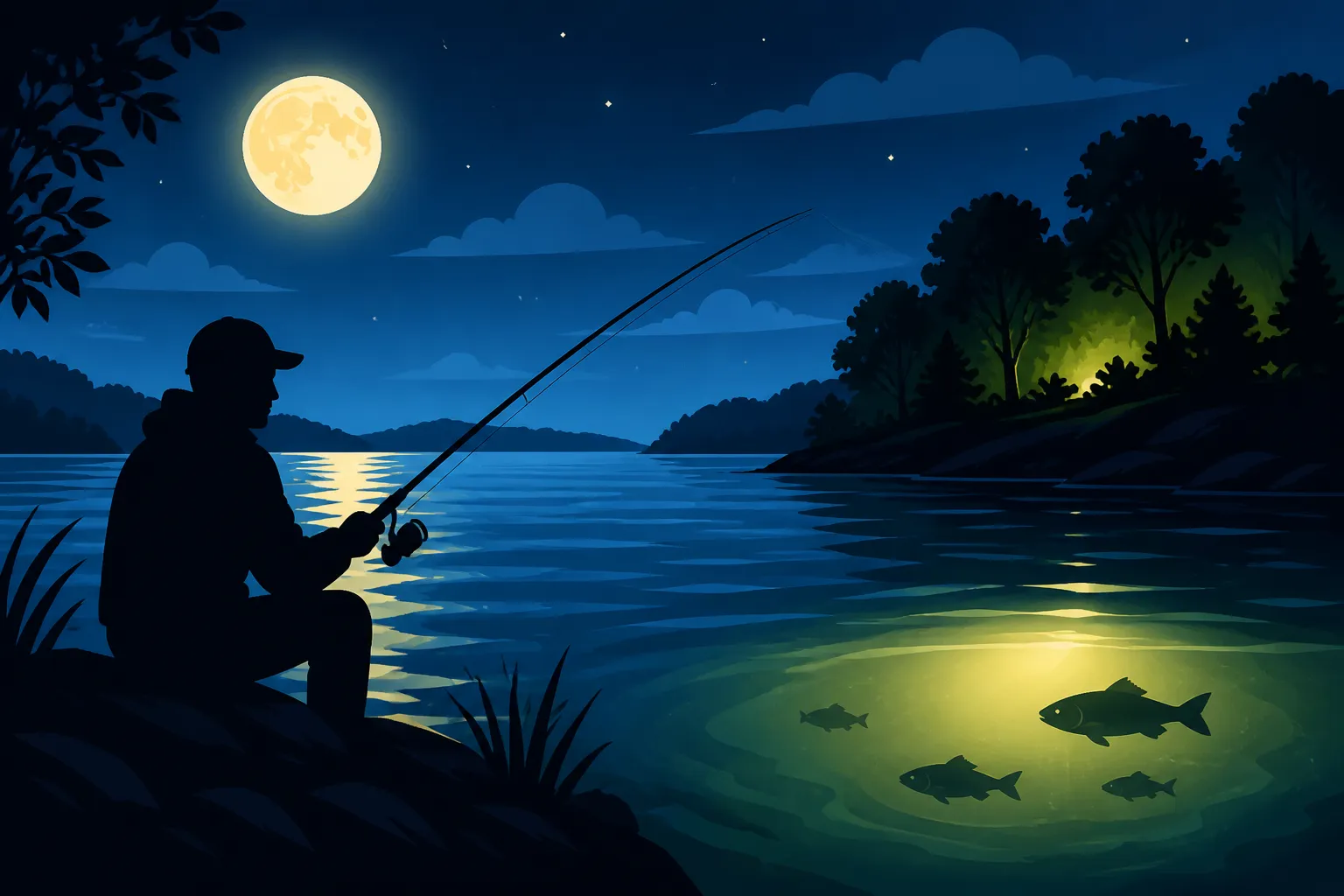
First and foremost, lighting is non-negotiable. You'll need reliable headlamps for tying knots, rigging bait, and moving around the boat, along with backup flashlights in case your primary light source fails. Beyond personal lighting, a good boat-mounted spotlight is invaluable for navigation and spotting buoys or debris in the distance. And crucially, don't forget your boat's navigation lights; these are required by law for safety on the water after sunset, as outlined in guides like Do You Need Navigation Lights for Night Fishing in Tennessee?. Many anglers also use submersible fishing lights, like those from Hydro Glow or Green Blob, which emit a glow (often green or white) that attracts plankton, then baitfish, and finally, the game fish you're after. These lights are especially effective for crappie and catfish, creating a productive fishing zone.
Beyond lights, consider specialized tackle. Glow-in-the-dark lures, soft plastics with rattles, or even baits that emit strong scents can be highly effective when visual cues are limited. For catfish, heavy-duty rods and reels are a must, paired with strong braided line, especially if you're targeting those big blue cats in the river channel. Bug spray is another absolute must-have in Tennessee during warmer months, as mosquitoes and other insects can quickly ruin an otherwise perfect night. A well-stocked first-aid kit is also crucial, because small cuts or scrapes are harder to manage in the dark. Lastly, you'll want to make sure you have appropriate Life Jacket and PFD Rules for Boaters understood and followed for everyone on board, as these are non-negotiable safety items.
Navigating Old Hickory After Dark
Old Hickory Lake is a large body of water, and navigating it at night presents unique challenges. Familiarity with the lake during the day is a huge advantage; pay attention to channel markers, hazards, and popular boat ramps during daylight hours so you have a mental map when it's dark. Using a reliable GPS unit with detailed lake maps is highly recommended. Many modern fish finders and chartplotters offer excellent navigation features, allowing you to mark waypoints for your favorite spots and navigate safely between them, greatly reducing the risk of getting lost or running aground.
Always operate your boat at a reduced speed at night. Debris that's easy to spot during the day, such as floating logs or partially submerged objects, can become invisible hazards in the dark. Keep a sharp lookout for other boats, especially those that might not be properly lit or are operating carelessly. Alcohol and boating don't mix, but they mix even less at night when your senses need to be at their peak. It’s a good idea to always keep a pair of binoculars on hand as well; they can sometimes help you identify distant lights or markers more clearly than the naked eye. For a comprehensive understanding of regulations, reviewing Boat Fishing Rules and License Requirements in Tennessee is always a good idea before heading out.
Safety First: Always Tell Someone
This isn't just a suggestion; it's a golden rule for any outdoor adventure, especially night fishing. Before you launch, inform a friend or family member of your float plan: where you're going, your expected return time, and who's with you. This simple step can be a lifesaver if something unexpected happens on the water. Check the weather forecast thoroughly before you go; pop-up thunderstorms can be dangerous, and high winds can make boating difficult, particularly at night when visibility is already poor.
Beyond telling someone, make sure your boat is in top mechanical condition. Check your battery, fuel levels, and all navigation lights before you leave the dock. Have all necessary emergency equipment on board, including a horn or whistle, a fire extinguisher, and extra rope for anchoring or emergencies. Even if you're just bank fishing, let someone know your plans. The solitude of night fishing is part of its appeal, but it also means fewer people around to notice if you run into trouble. Always have a fully charged cell phone in a waterproof bag, just in case. Understanding Tennessee Boating Safety Education Certificate Guide requirements is also crucial for responsible boating, especially for younger operators.
Top Night Fishing Hotspots on Old Hickory Lake
Old Hickory Lake offers a variety of environments, from the main river channel to numerous feeder creeks, each presenting unique opportunities for night anglers. Knowing where to focus your efforts can significantly improve your chances of success and lead to a memorable night of fishing.
The Main Channel and River Section
The Cumberland River flows directly through Old Hickory Lake, forming a distinct main channel. This area is a highway for fish, offering deeper water, consistent current, and significant structure that holds fish year-round. At night, especially during the warmer months, larger predatory fish like blue catfish and striped bass often use these channels to move and feed aggressively. Look for bends in the river, deep holes, and submerged structures along the channel edges where baitfish might congregate or current eddies form.
Anchor upstream of a promising spot and let your bait drift naturally into the feeding zone. Heavy sinkers are often required to hold bottom in the current, especially if the dam is generating power. Some of the most productive stretches include the deeper waters near the Old Hickory Dam itself (though pay attention to restricted areas and safe distances from the dam) and the confluence of major creeks entering the main river. These areas often concentrate baitfish, which in turn attract larger predators seeking an easy meal. For those targeting catfish specifically, these deep channels are prime territory where you might catch some impressive fish, making it one of the most reliable Old Hickory Lake Catfish Fishing Spots.
Marinas and Lighted Docks
This is often the first place night anglers think of, and for good reason. Marinas, public boat docks, and even private piers around Old Hickory Lake often have underwater lights or overhead lights that spill into the water. This light source creates a complete ecosystem that thrives after dark. Tiny plankton are attracted to the light, which in turn draws in small baitfish like shad and minnows. And where there's bait, there are inevitably predators, making these areas incredibly productive.
Crappie absolutely flock to these lighted areas. They suspend in the illuminated water column, picking off smaller organisms and baitfish that are drawn to the light. Jigging with small jigs or minnows under a slip bobber is incredibly effective here. You might also find bass lurking in the shadows just outside the light's glow, waiting to ambush any unsuspecting baitfish that stray too far from the safety of the main school. Targeting these areas requires a stealthy approach; approach slowly, minimize noise, and use your trolling motor rather than your outboard to avoid spooking the fish. Always be respectful of private property, other boaters, and any posted rules if you’re fishing near active marinas or residential docks. You can often find fantastic Night Fishing Spots on Old Hickory Lake, Tennessee around these lighted structures.
Creek Channels and Inflows
Old Hickory Lake is fed by numerous creeks and smaller rivers, and these inflows can be absolute goldmines for night fishing. When rain brings fresh water into the lake, it also carries nutrients and often baitfish, creating ideal feeding conditions that can draw fish away from the main lake. Even without recent rain, the natural contours and depths of these creek channels provide excellent structure that fish relate to.
Focus your efforts on the mouths of major creeks like Station Camp Creek, Drakes Creek, or Spencer Creek. As the lake cools at night, fish will often move into these shallower creek channels from the deeper main lake to feed on baitfish that have also migrated into these areas. Look for areas where the creek channel winds, drops off sharply, or has submerged brush piles and timber. These are natural ambush points where predators can hide and wait for prey. Catfish will cruise these channels, while crappie might suspend over submerged timber, and bass could be tucked into weed beds or rocky points along the channel edges. A well-placed anchor and some patience can pay off handsomely here, especially if you've done your homework on general Old Hickory Lake Fishing Spots during the day.
Target Species and Techniques for Night Anglers on Old Hickory
While many fish species can be caught at night, some are particularly suited to the nocturnal angling experience on Old Hickory Lake. Adapting your techniques to the darkness is key to success, as fish rely more on senses other than sight.
Catfish: The Nighttime King
Without a doubt, catfish are the reigning champions of night fishing on Old Hickory. Their natural nocturnal habits, combined with their strong senses of smell and touch, make them perfect targets after dark. You can target channel catfish, blue catfish, and even the elusive flathead catfish, all of which grow to impressive sizes in Old Hickory's rich waters.
For channel and blue catfish, cut bait is incredibly effective. Freshly cut shad, skipjack herring, or even chicken liver are popular and potent choices due to their strong scent trail. Use a standard bottom rig with a heavy sinker to keep your bait on the bottom in current, or a Carolina rig in calmer areas. Fishing the deeper holes in the main channel or the bends in creek channels, as mentioned earlier, is a prime strategy. When targeting trophy blue catfish, consider larger cut baits and heavier gear to handle their immense power. For flathead catfish, live bait is almost always preferred – a lively bluegill or shad rigged on a stout circle hook is hard for them to resist. These larger catfish often lurk near submerged timber or rock piles, waiting to ambush. Learning effective Night Fishing Techniques for Catfish will significantly boost your catch rate and help you land more of these whiskered giants.
Crappie and Panfish Under Lights
Crappie are another phenomenal night fishing target, especially when you utilize submersible lights. As the light attracts plankton and baitfish, crappie will move in, often suspending in dense schools just outside or within the illuminated zone. This makes them relatively easy to locate and catch once you find a good school. It's truly mesmerizing to watch the ecosystem develop around your light.
Small jigs, often tipped with a minnow, are the go-to bait for crappie at night. Look for jigs in brighter colors like chartreuse, white, or glow-in-the-dark, especially if you're not using a submersible light, as these colors stand out even in dim conditions. A simple slip bobber rig allows you to present your bait at a precise depth, which is critical when crappie are suspended in a specific water column. Experiment with different depths until you find where the crappie are holding. Marinas and docks are excellent places to find them, but any area where you can deploy a submersible light in relatively still water, such as a protected cove or the mouth of a creek, can be productive. If you’re wondering Where to Catch Crappie on Old Hickory Lake, Tennessee, lighted docks at night are a fantastic starting point.
Bass: Ambush Predators in the Dark
While not as consistently active as catfish or crappie, largemouth and smallmouth bass can provide some thrilling action at night on Old Hickory Lake. They become opportunistic feeders, using the low light to their advantage for ambushing prey that might not see them coming. The strikes can be explosive and incredibly exciting.
Focus your efforts around shallow cover, such as weed lines, brush piles, or rocky points that are adjacent to deeper water. Topwater lures can be incredibly exciting at night, as the sound and surface disturbance often trigger aggressive strikes from lurking bass. Buzzbaits, Jitterbugs, or prop baits can be deadly when retrieved slowly over prime ambush areas. Spinnerbaits with large thumping blades, dark-colored jigs (black and blue are classics), or even slow-rolled crankbaits that make noise can also be effective. The key is to create enough vibration, sound, and profile for the bass to locate your lure in the dark. Work your baits slowly, giving the fish time to find them and commit. Remember that even under the stars, bass can be found in the same kinds of structure they prefer during the day, just often in shallower water as they move up to feed. To truly understand the potential, exploring Best Bass Fishing Spot on Old Hickory Lake during the day can help you pinpoint areas that would be productive at night.
Night Fishing Targets and Techniques on Old Hickory Lake
Here's a quick overview to help you plan your night fishing adventure on Old Hickory Lake:
| Target Species | Best Night Locations | Recommended Baits/Lures | Key Techniques |
|---|---|---|---|
| Catfish (Channel, Blue, Flathead) | Main Channel, Creek Bends, Deeper Holes, Submerged Timber | Cut bait (shad, herring), Chicken liver, Live bluegill/shad | Bottom fishing (stationary or drifting), Look for current breaks, Heavier gear |
| Crappie | Lighted Docks/Marinas, Protected Coves (with submersible lights), Creek Channels | Small jigs (chartreuse, white, glow), Minnows | Vertical jigging, Slip bobber rigs, Varying depth to find schools |
| Largemouth/Smallmouth Bass | Shallow Cover (weed lines, brush), Rocky Points, Transition Areas | Topwater lures (buzzbaits, Jitterbugs), Spinnerbaits, Dark jigs, Slow-rolled crankbaits | Cast to cover, Retrieve slowly, Focus on vibration and sound, Ambush points |
| Panfish (Bluegill, Redear Sunfish) | Lighted Docks/Marinas, Shallow coves near vegetation | Crickets, Worms, Tiny jigs | Bobber fishing, Light jigging, Often incidental catches while targeting crappie |
Disclaimer
Please note that fishing regulations, license requirements, and local rules for Old Hickory Lake can change. Always consult the latest Tennessee Wildlife Resources Agency (TWRA) publications or website before your trip to ensure compliance. This guide is for informational purposes only and does not supersede official regulations.