Norris Lake Tennessee Crappie Spawn Timing in Spring
Trying to figure out exactly when crappie decide to get active in Norris Lake during spring can feel like chasing a ghost. One day they’re shallow, the next they’re nowhere to be found! This guide is going to peel back the layers of the Norris Lake crappie spawn, helping you understand the exact timing and how to consistently find those slabs when the water warms up, so you can stop guessing and start catching.
The Magical Transformation: Understanding the Crappie Spawn in Norris Lake
Ah, spring on Norris Lake. There's nothing quite like it. The dogwoods are blooming, the air smells fresh, and every angler's heart beats a little faster at the thought of crappie moving shallow. But what exactly is happening during the crappie spawn, and why is understanding it so crucial for your success? It's more than just fish moving to the bank; it's a complex dance dictated by nature, primarily water temperature and daylight.
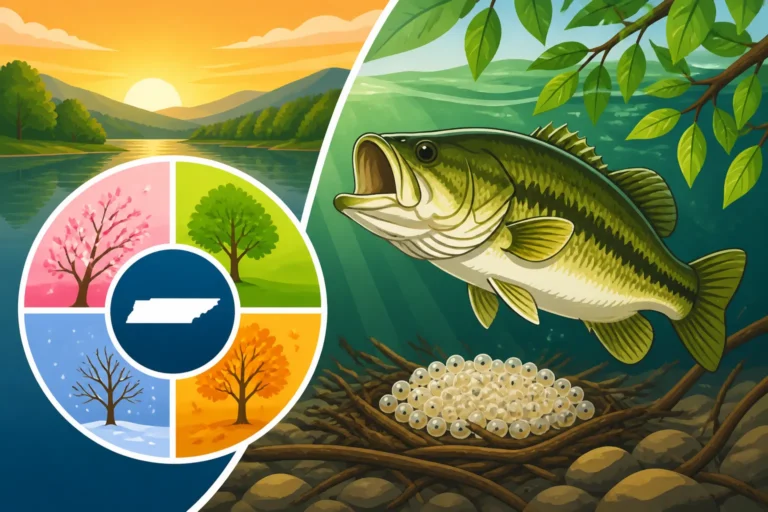
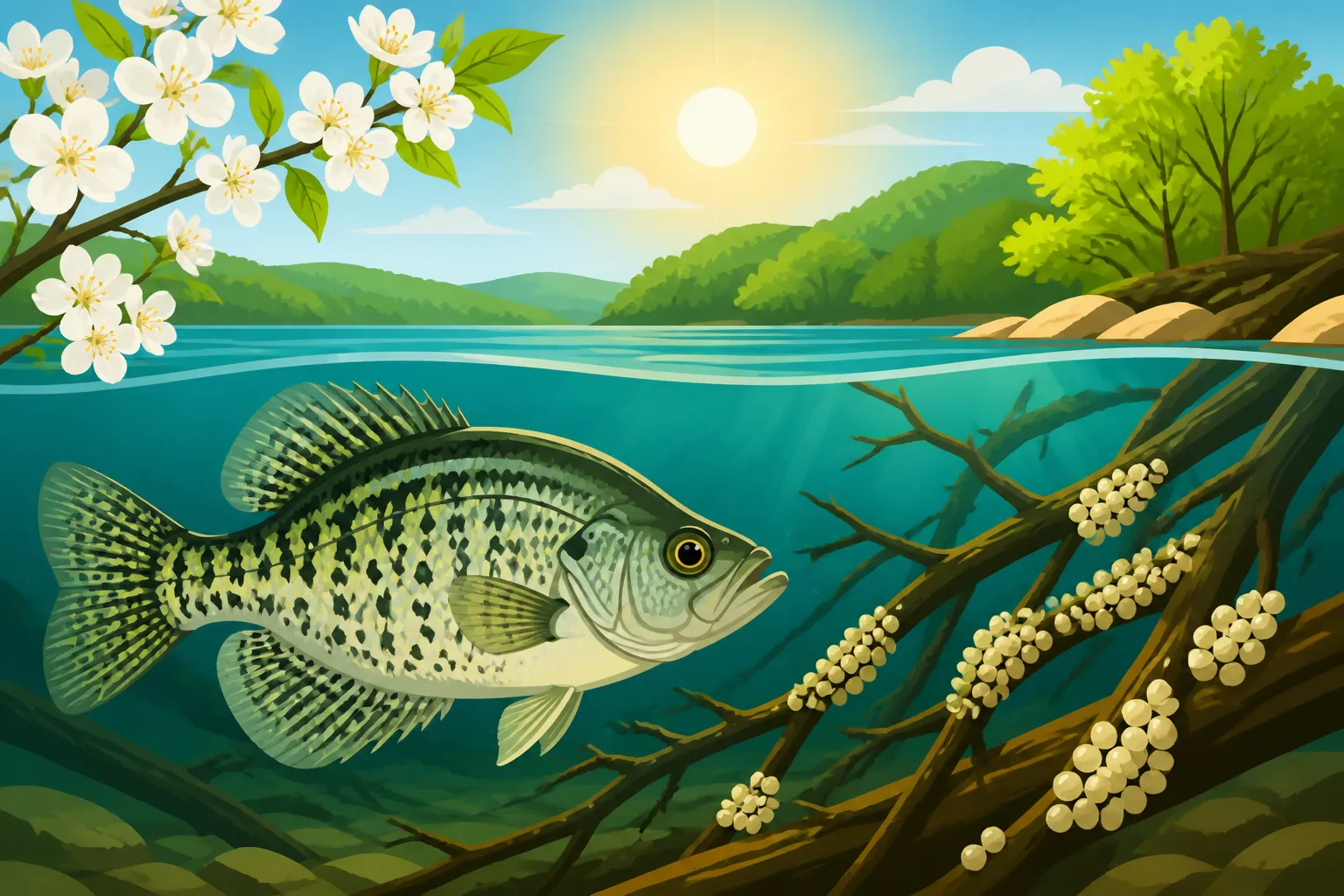
Crappie, both black and white, are looking for very specific conditions to lay their eggs. They aren't just randomly swimming to the shoreline. They're seeking out protected, shallow areas with some form of cover—think submerged brush piles, old stumps, rocky banks, or even man-made structures like docks. This provides safety for their nests against predators and the elements. The males are typically the first to move into these shallower areas, preparing the nests by fanning out small depressions on the bottom. They then guard these nests fiercely once the eggs are laid. This nesting behavior makes them incredibly aggressive and, importantly for us anglers, much more predictable in their locations during this critical window.
The females, on the other hand, will stage a bit deeper, often in slightly cooler water, waiting for those perfect spawning temperatures and the "all clear" from the males. They move in, lay their eggs, and then typically retreat to deeper water to recover, leaving the males to tend to the newly laid eggs. This staggered movement means that at any given time during the spawn, you might find fish in various stages of the process, from pre-spawn staging to actively spawning, and even some post-spawn fish already heading out. It's a dynamic period, and knowing these behaviors helps you target the right depths and structures throughout the spring season. The transition from winter to spring fishing patterns for crappie is one of the most exciting times to be on the water.
Why the Spawn is a Game-Changer for Anglers
For crappie anglers, the spawn is arguably the best time of year to consistently catch good numbers of fish, and often, some of the biggest slabs of the season. During other times of the year, crappie can be spread out across vast depths, suspended in open water, or hunkered down in deep cover, making them notoriously difficult to locate. But when the spawn hits, these fish congregate in relatively shallow, predictable areas. It's like they've sent out invitations to a party, and you just need to know the address and the time.
The concentrated nature of spawning crappie means you don't have to cover miles of water to find them. Instead, you can focus on specific coves, creek arms, and protected points. Their aggressive, protective instincts also mean they're more likely to strike a lure or bait that comes too close to their nest, even if they're not actively feeding. This translates to more bites and often, more opportunities to fill your livewell. It's not uncommon to find several crappie on a single brush pile during the peak of the spawn. This makes it a prime opportunity for both seasoned anglers and those just starting out to experience the thrill of consistent crappie action on a beautiful lake like Norris.
The spawn also offers a fantastic opportunity for shore anglers, as many crappie will move into accessible bank areas, especially those with riprap or submerged wood. You don't always need a fancy boat to get in on the action. Just a simple ultralight rod, a few jigs, and some patience can lead to a great day of fishing from the bank. However, remember that Norris Lake can have significant water level fluctuations, which can impact bank access and fish location, so it's always good to check conditions before you head out.
Decoding the Calendar: Pinpointing Norris Lake's Prime Crappie Spawn Timing
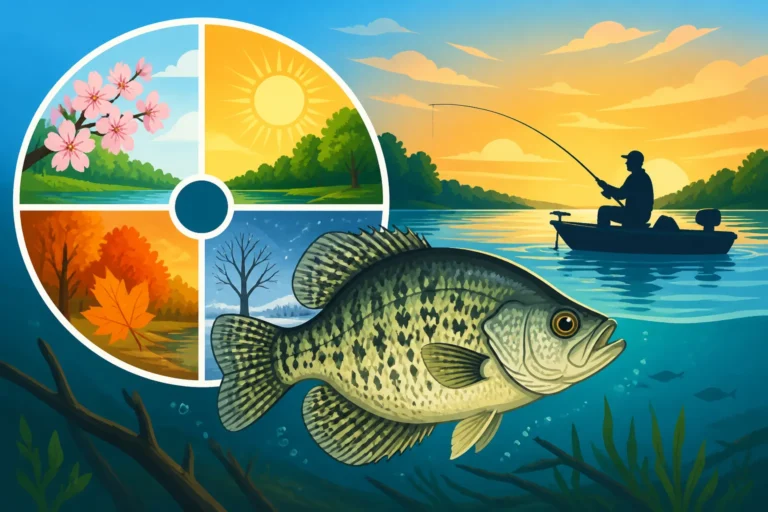
The million-dollar question for any crappie angler heading to Norris Lake in spring is, "When exactly does the spawn happen?" There isn't a single, fixed date, unfortunately. Mother Nature runs on her own schedule, but we can read her signs. The spawn in Tennessee lakes, including Norris, is largely driven by a combination of increasing daylight hours and, most critically, water temperature. Typically, you'll see the action begin in late March, hit its peak in April, and then gradually taper off into early May. However, yearly variations in weather can shift this window by a week or two in either direction.
Norris Lake, being a large, deep reservoir in East Tennessee, tends to warm up a bit slower than some of the shallower, western Tennessee lakes. Its clear waters also play a role, as sunlight penetrates deeper, allowing fish to potentially spawn a bit deeper than in murkier lakes. The key is to pay close attention to the water temperature in the shallower coves and creek arms, as these areas will warm up first and often hold the earliest spawning fish. Don't forget that "Spring Crappie Spawn Timing in Tennessee" is a dynamic event, and staying flexible with your schedule is key.
Monitoring local fishing reports and even talking to bait shop owners or other experienced anglers who spend a lot of time on Norris Lake can provide invaluable, real-time insights into exactly where the fish are and what stage of the spawn they're in. These local experts often have a finger on the pulse of the lake that no calendar can match.
The Crucial Role of Water Temperature Triggers
If there's one factor that dictates the crappie spawn more than any other, it's water temperature. Crappie are cold-blooded creatures, and their biological processes, including reproduction, are directly tied to the temperature of their environment. Here's a general breakdown of what to look for in Norris Lake:
- Pre-Spawn Staging (45-55°F): As the water begins to creep above 45°F, crappie will start to move out of their deep winter haunts. They'll stage in transitional areas, often suspending over deeper creek channels or congregating near the mouths of coves where they can quickly move shallow when conditions are right. They're feeding aggressively at this point, bulking up for the energy demands of spawning. Think about how "How Water Temperature Affects Fish Activity" generally, and apply it specifically to crappie.
- The Prime Spawn Window (55-65°F): This is the sweet spot! When the water temperature consistently reaches the mid-50s and climbs into the low 60s, crappie will move fully into the shallow spawning grounds. Black crappie typically prefer the slightly cooler end of this range (58-62°F), while white crappie might hold out for a degree or two warmer (60-65°F). However, in Norris Lake, you'll often find both species spawning in the same general areas. This is when you'll find them right on the banks, around brush, and under docks.
- Post-Spawn Retreat (65°F and above): Once the water temperatures consistently push past 65°F, most of the crappie will have completed their spawning duties. The females will be the first to retreat to deeper, cooler waters to recover, often suspending over open water or relating to deep cover. The males will typically stay on the nests a bit longer, guarding the eggs, but eventually, they too will move off into deeper sanctuary.
A sudden cold front can temporarily send fish back to deeper water, pausing the spawn, only for them to return when the temperatures stabilize again. That's why consistent temperature readings over a few days are more important than a single hourly check. Having a good thermometer on your boat or even a castable fish finder (many excellent options are available on Amazon) can be incredibly helpful for precise temperature readings.
Reading the Signs: Visual Cues and Natural Indicators
Beyond just the thermometer, nature provides a host of visual cues that can help you predict and pinpoint the crappie spawn on Norris Lake. These are the traditional signs that old-timers have relied on for generations, and they're still incredibly reliable.
One of the most widely known indicators is the blooming of certain trees and plants. When the dogwoods start to bloom in late March and early April, it's often a sign that crappie are either beginning to stage or are already moving onto the beds. The redbud trees blooming around the same time are another reliable signal. These natural phenological events often coincide closely with the optimal water temperatures for crappie spawning.
Beyond the foliage, simply observing other anglers can give you a clue. If you start seeing a lot of boats congregated in shallow coves or anglers consistently pulling fish from specific banks, chances are the crappie spawn is in full swing. Keep an eye out for other fish species, too; bass and bluegill often spawn around similar times, so their activity can be a broader indicator of warming waters and increased fish movement. On Norris Lake, these visual cues are especially important given its size and varied topography. Many anglers find their "go-to" crappie spots by observing these consistent patterns year after year.
Here’s a quick overview of crappie spawn behavior based on water temperature:
| Water Temperature Range | Crappie Behavior | Angling Tip |
|---|---|---|
| 45-55°F | Pre-spawn staging in creek channels, mouths of coves. | Fish deeper structures, slow retrieve jigs or minnows. |
| 55-65°F | Active spawn in shallow coves, brush piles, docks. | Target shallow cover with jigs, minnows, tightlining. |
| 58-62°F | Peak Black Crappie Spawn. | Focus on wood, rock, and cover in slightly cooler shallows. |
| 60-65°F | Peak White Crappie Spawn. | Search for brush and open bottom in slightly warmer shallows. |
| 65°F and above | Post-spawn retreat to deeper, cooler water. | Look for suspended fish over channels or deep cover. |
Dealing with the Unpredictable: Factors Influencing Spawn Fluctuations
While water temperature and natural indicators are generally reliable, the crappie spawn is not without its unpredictability. Several factors can cause the timing or intensity of the spawn to fluctuate, sometimes dramatically.
Cold Fronts: This is perhaps the most frustrating factor. A beautiful stretch of warm spring weather can suddenly be interrupted by a sharp cold front. Overnight, air temperatures drop, and sometimes even snow or ice returns. This can cause surface water temperatures to plummet, sending actively spawning crappie scurrying back to deeper, more stable water. They won't leave the area entirely, but they'll pull back from the very shallowest banks. It might take several days of stable, warming weather for them to resume their shallow water activities. If you're planning a trip to Norris Lake, check the long-range forecast carefully.
Water Level Fluctuations: Norris Lake, like many large reservoirs, experiences water level changes, especially in spring. Heavy rains can cause the lake to rise rapidly, submerging new cover and potentially scattering fish. A dropping water level can pull fish off their shallow nests and expose critical spawning habitat. Significant changes in lake level can disorient crappie and make them harder to locate. It’s always a good idea to check the TVA lake levels for Norris before you head out, as this can give you a heads-up on potential challenges. This kind of information is vital for understanding lake-specific fishing rules that override Tennessee's statewide limits when planning your trip.
Rainfall and Water Clarity: Heavy spring rains not only affect water levels but also water clarity. Murky, muddy water can reduce visibility, making it harder for crappie to see their nests or for anglers to entice bites. While crappie can tolerate some stained water, extremely muddy conditions can push them out of an area. Conversely, exceptionally clear water in Norris Lake might make crappie a bit more skittish in the very shallowest areas, requiring longer casts or more subtle presentations. Understanding how rain affects fish feeding patterns can also give you an edge.
Gear Up for Success: Essential Techniques and Tackle for Spring Crappie
Once you've got a handle on the timing of the Norris Lake crappie spawn, the next step is making sure you have the right tools and techniques in your arsenal. The good news is, you don't need a boatload of expensive gear to catch crappie, especially during the spawn. Simplicity and finesse often win the day.
For targeting these spring slabs, an ultralight spinning rod and reel combo is hard to beat. A 5 to 6-foot rod with a fast action tip and a lightweight reel spooled with 4 to 6-pound monofilament or fluorocarbon line provides the sensitivity needed to detect subtle bites and the backbone to handle surprisingly large crappie. Many anglers find excellent quality, budget-friendly options for these setups on Amazon, ensuring they're well-equipped without breaking the bank.
Beyond your rod and reel, your tackle box should be well-stocked with a variety of jigs, soft plastics, and live bait. This is where you can really fine-tune your approach. Remember that "Best Tackle for Tennessee Crappie Fishing" often boils down to matching the hatch and adjusting to conditions.
The Power of Jigs and Soft Plastics
Jigs are undoubtedly the most popular and effective lures for crappie, especially during the spawn. Their versatility allows you to present them in numerous ways, mimicking small baitfish or insects that crappie feed on.
- Jig Heads: Stick to lighter jig heads, typically 1/16 to 1/8 ounce, especially in the shallower waters of Norris Lake. In extremely calm, shallow conditions, you might even drop down to a 1/32 ounce. The lighter weight allows for a slower, more natural fall, which is often key to enticing a strike from a cautious crappie. Ensure you have a selection of colors, from traditional black and chartreuse to white, pink, and natural baitfish patterns.
- Soft Plastics: Pair your jig heads with a variety of soft plastic bodies. Small tubes, grubs, and curly-tail baits are perennial favorites. Experiment with sizes, usually ranging from 1 to 2 inches. Again, color can be critical. On bright, sunny days in clear Norris Lake water, natural colors like shad or smoke might work best. On cloudy days or in slightly stained water, bright colors like chartreuse, orange, or bubblegum can be more effective. Don't be afraid to experiment; sometimes a subtle change in color is all it takes to trigger bites. Many popular brands like Bobby Garland or Strike King offer excellent crappie jigs and plastics.
- Presentation: During the spawn, a slow, steady retrieve or a gentle lift-and-drop motion is often all you need. Crappie are often focused on protecting their nests rather than actively chasing down fast-moving prey. Vertically jigging next to submerged timber or docks is also highly effective. For those who enjoy a more active approach, understanding "How to Jig for Crappie" can significantly improve your catch rates.
The Unbeatable Allure of Live Bait
While jigs are fantastic, sometimes nothing beats the appeal of live bait for stubborn crappie, especially during the spawn. A lively minnow suspended under a bobber can be absolutely deadly.
- Minnows: Small shiner or fathead minnows are the go-to live bait for crappie. Hook them lightly through the back or lips, allowing them to swim freely. Present them under a small slip bobber or tightline them directly to cover. The natural movement and scent of a struggling minnow are often irresistible to crappie. When fishing with minnows, try to match the size of your minnow to the size of the crappie you expect to catch. Larger minnows might deter smaller fish but could entice a trophy slab.
- Bobber Rigging: A slip bobber allows you to easily adjust your fishing depth without constantly re-tying. This is particularly useful when you're trying to pinpoint the exact depth crappie are holding, whether they're suspended a few feet off the bottom or right up under a dock. Keep your bobber small and sensitive to detect those subtle crappie bites.
- Tightlining: Another effective method, particularly when fishing dense cover like brush piles or standing timber, is tightlining. This involves simply tying a jig or a minnow on a hook directly to your main line, sometimes with a small split shot a foot or so above the hook for added weight. Drop your bait vertically into the cover and feel for the bite. This technique requires a keen sense of touch but can be incredibly rewarding. It's also an excellent strategy when fish are tucked deep into cover due to cold fronts or high pressure.
When it comes to Norris Lake, having a mix of both artificial and live bait options is usually the best approach. Start with one, and if the bite is slow, switch to the other. Sometimes, a combination, like tipping a small jig with a minnow, can be the ultimate crappie magnet. And always remember to check the "Crappie Limits Under Tennessee Fishing Rules" before you head out, to ensure you're compliant with local regulations. Norris Lake is consistently ranked among the "Best Crappie Fishing Lakes in Tennessee", so you're in a great spot for success!
Navigating Norris Lake's Unique Features for Crappie Success
Norris Lake is a vast, beautiful reservoir, known for its deep, clear waters and extensive shoreline. This offers both opportunities and challenges for crappie anglers, especially during the spring spawn. Understanding the lake's specific characteristics will greatly enhance your crappie fishing success.
Norris Lake is characterized by its numerous long, winding creek arms and coves, many of which contain excellent crappie habitat. These protected areas are where the water tends to warm up faster, making them prime spawning grounds. Look for areas with a mix of submerged timber, rocky banks, and brush piles. The clearer water of Norris Lake means that crappie might be a bit more sensitive to boat noise and shadows, so a stealthy approach, especially in shallow water, is often beneficial. Using a quiet trolling motor or making long casts can make a difference.
The lake's depth also plays a role. While crappie move shallow to spawn, the main lake channels and deeper sections of creek arms are where they'll stage before and retreat after the spawn. Having a good fish finder (again, many reliable models are available on Amazon for various budgets) can help you locate these staging fish, giving you an edge throughout the spring season.
Prime Crappie Spawning Habitats in Norris Lake
Norris Lake boasts an abundance of features that crappie love for spawning. Knowing where to focus your efforts can save you a lot of time on the water.
- Creek Arms and Coves: The numerous creek arms, such as Big Creek, Davis Creek, or the Powell River arm, are classic crappie highways during the spawn. These areas provide the warmer, shallower water and protection from wind that crappie seek. Focus on the secondary coves and pockets within these larger arms.
- Submerged Timber and Brush Piles: Norris Lake has a lot of standing timber and many anglers and the TWRA have sunk brush piles. These structures are absolute magnets for spawning crappie, providing crucial cover for nests. A good sonar unit can help you pinpoint these hidden gems. If you find one productive brush pile, chances are there are more in the vicinity. Mark these spots on your GPS!
- Docks and Man-Made Structures: Private docks, especially those with some brush or old tires sunk underneath them, are prime crappie real estate. These structures offer shade, cover, and a stable surface for crappie to nest near. Always be respectful of private property when fishing around docks. Public access points and marina docks can also hold fish.
- Rocky Banks and Riprap: While less common than wood, crappie will also spawn on rocky banks and riprap, particularly if there are larger rocks that create crevices for protection. These areas also tend to warm up quickly.
Remember, crappie are looking for cover, protection, and a stable substrate. Any combination of these in the right water temperature range is likely to hold fish during the spawn.
Dealing with Fishing Pressure and Finding Your Own Spots
Norris Lake is a popular destination, and during the crappie spawn, some of the most well-known spots can get crowded. Dealing with fishing pressure is part of the game, but with a bit of strategy, you can still find plenty of unpressured fish.
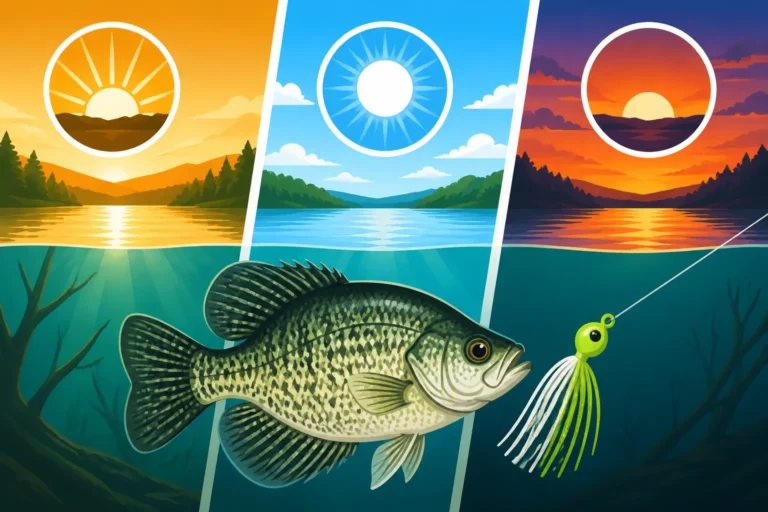
- Go Early or Late: Hitting the water at first light or staying out until dusk can help you avoid the peak crowds and often coincides with prime feeding times for crappie.
- Explore Off-the-Beaten-Path Coves: Instead of hitting the most obvious, easily accessible coves, spend some time exploring smaller, harder-to-reach pockets. A good map or a fish finder with detailed mapping can help you identify these overlooked areas. Sometimes, a short paddle into a skinny cove can put you on undisturbed fish.
- Vary Your Depth: If everyone is fishing shallow, try moving slightly deeper to the immediate pre-spawn staging areas or slightly beyond the visible cover. Crappie might be holding just outside the main spawning grounds, waiting for the perfect moment, or retreating from pressure.
- Consider Mid-Week Trips: If your schedule allows, fishing on a weekday can significantly reduce the amount of boat traffic and competition you'll encounter. This allows for a more relaxed and often more productive fishing experience.
Ultimately, Norris Lake is a massive body of water. With a little persistence and willingness to explore, you can always find your own sweet spots away from the crowds and enjoy some fantastic spring crappie fishing. The lake offers diverse environments, from rocky cliffs to sprawling flats, making it a truly rewarding challenge for any angler.
Disclaimer
Fishing conditions and regulations in Tennessee, particularly on Norris Lake, can change. Always consult the latest rules and regulations from the Tennessee Wildlife Resources Agency (TWRA) before heading out. This guide provides general information and recommendations based on common fishing practices. Fishing involves inherent risks, and safety should always be your top priority.