Best Time of Day to Jig for Crappie
There's nothing quite like the thrill of a crappie tugging at your line, especially when you're jigging them up from their hidden haunts. But let's be honest, trying to figure out the absolute best time of day to consistently land those slabs can feel like a guessing game. It's frustrating to dedicate hours to the water only to come home empty-handed because you were there at the wrong moment. This guide is here to shed light on crappie behavior throughout the day in Tennessee's diverse waters, helping you time your jigging efforts for maximum success.
Understanding Crappie Behavior Through the Day in Tennessee
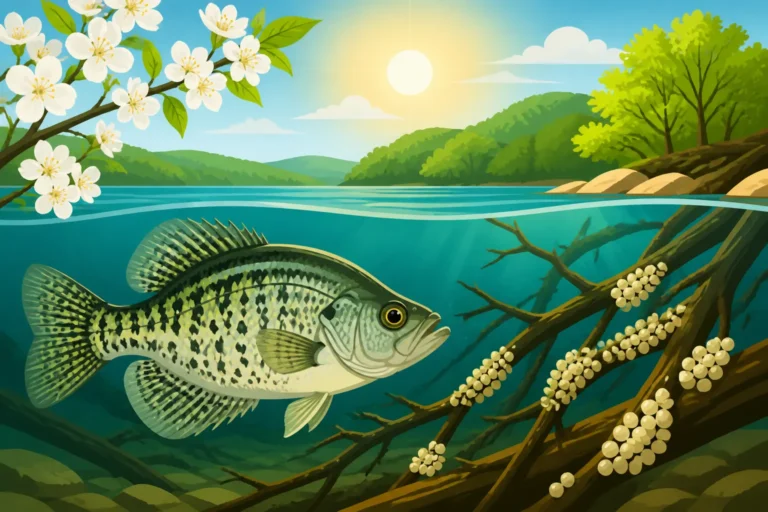
Crappie, whether they're the feisty black crappie or the elusive white crappie, are fascinating fish. Their daily routines are heavily influenced by environmental factors, and understanding these patterns is key to becoming a more successful angler here in Tennessee. It's not just about throwing a jig in the water; it's about knowing when and where they're likely to bite based on the time of day.
How Light and Temperature Influence Crappie Activity
Just like us, crappie have preferred comfort zones, and these are largely dictated by light penetration and water temperature. As the sun rises and sets over Tennessee's beautiful lakes like Kentucky Lake or Percy Priest Lake, the light levels in the water change dramatically. Crappie are known for being light-sensitive, meaning they often shy away from intense, direct sunlight. This is why you'll often find them congregating in deeper, shadier areas during the harsh midday sun, seeking refuge under docks, brush piles, or beneath submerged timber.
Conversely, during periods of low light – dawn, dusk, and even on heavily overcast days – crappie tend to become much more active and will move into shallower waters to feed. The subdued light provides a sense of security, making them bolder in their pursuit of baitfish. Water temperature also plays a significant role. Crappie are cold-blooded, so their metabolism and activity levels are directly tied to the water temperature. In cooler months, their activity might be lower throughout the day, whereas in warmer seasons, they might be more energetic during the cooler parts of the day, such as early morning or late evening, to avoid the warmest water.
The Impact of Forage Movement on Crappie Feeding Times
Crappie are ambush predators, and their feeding schedule is heavily influenced by the movement of their primary food sources. Think about it: if the buffet isn't open, they're not going to be actively eating. Their diet consists mainly of smaller baitfish like shad, minnows, and even juvenile bluegill, along with various aquatic insects and crustaceans. These forage species also have their own daily patterns influenced by light, temperature, and current.
For instance, shad often school up in open water during the day but can move into shallower coves and creek channels during low-light conditions. When these baitfish move, the crappie are usually not far behind. You might find schools of crappie suspended just below large bait balls in the main lake during the day, or scattered through submerged vegetation in shallow bays as the sun begins to set. Understanding where the bait is likely to be at different times of the day is a huge advantage when you're trying to pinpoint active crappie.
Prime Jigging Windows for Crappie in Tennessee
While crappie can be caught at any time of day if you know where to look and what techniques to use, some periods offer a distinct advantage. These "golden hours" often align with predictable changes in light and the movement of their food. Knowing these windows will significantly increase your chances, especially when you're trying to master how to jig for crappie.
Dawn and Dusk: The Golden Hours for Crappie
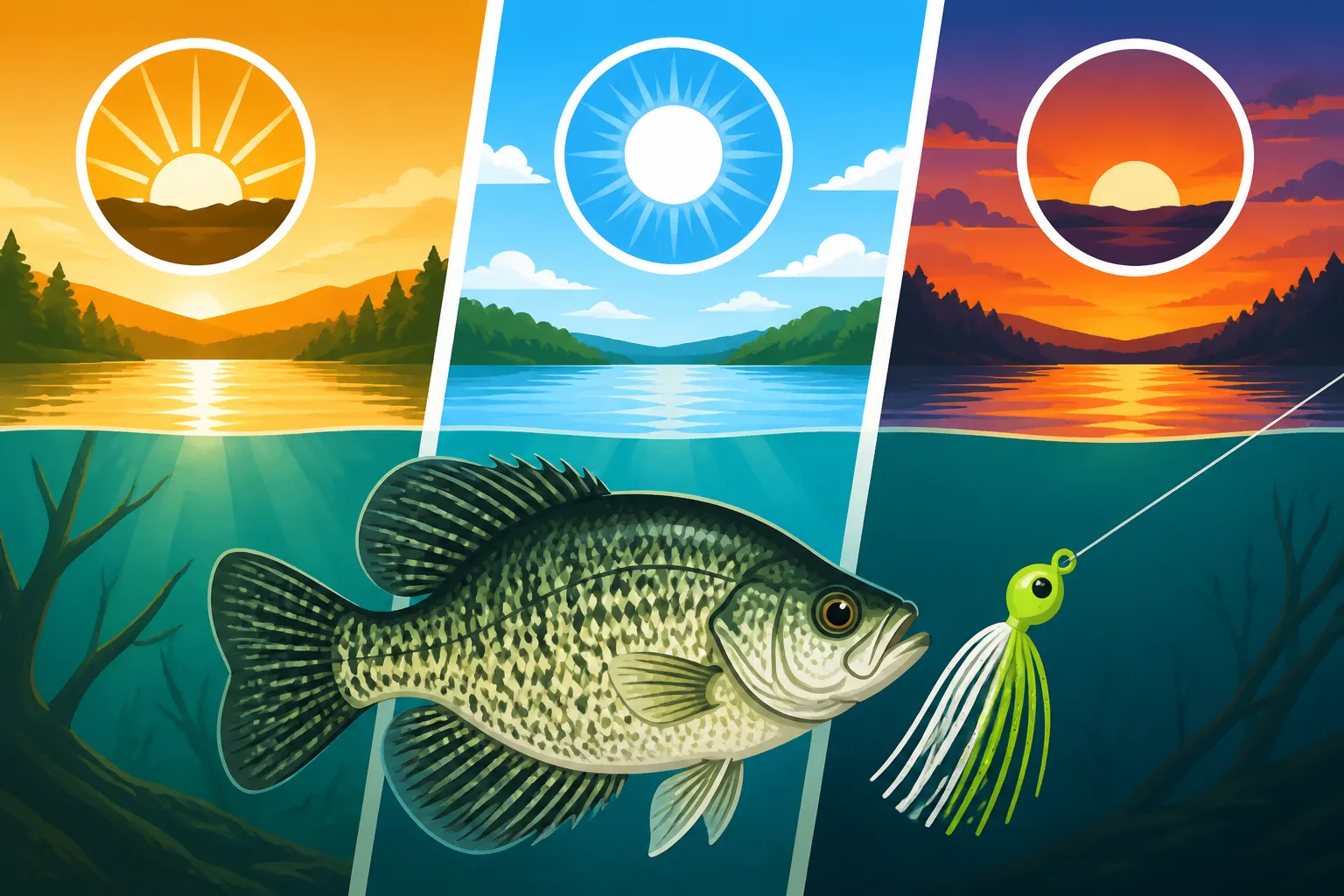
If you're looking for the absolute best time to jig for crappie, many seasoned Tennessee anglers will tell you it's during the transitional periods of dawn and dusk. As the sun barely peeks over the horizon in the morning or dips below it in the evening, the light levels are ideal for crappie. This low-light environment makes crappie feel more secure as they venture out from deeper cover into shallower feeding grounds. The baitfish, too, are often more active during these times, moving in response to the changing light.
During dawn, as the first rays of light touch the water, crappie will often move to the edges of weed lines, submerged brush, or dock pilings in relatively shallow water. A small jig, perhaps a 1/32 or 1/16 ounce, fished slowly through these areas can be incredibly effective. The same applies to dusk; as the shadows lengthen and the light fades, crappie will repeat this pattern, moving shallower to feed before retreating to deeper, safer havens for the night. This is a fantastic time for precise presentations, often requiring subtle twitches of your rod tip to make the jig dance enticingly.
Midday Strategies: Finding Crappie When the Sun is High
While dawn and dusk are prime, that doesn't mean you can't catch crappie when the sun is blazing high overhead. It just means you need to adjust your strategy. When the midday sun beats down, especially during the warmer months, crappie typically retreat to deeper, cooler, and shadier water. This is where your electronics, like a good fish finder, become invaluable for locating them. Look for crappie suspended in open water over deep channels, hugging the steep breaks of ledges, or nestled deep within brush piles or submerged timber.
Jigging in these conditions often means fishing vertically right over the crappie you mark on your sonar. You might need heavier jigs, like a 1/8 or 1/4 ounce, to reach these depths quickly, paired with a sensitive rod to detect those light bites. Focus on structure – bridge pilings, submerged creek beds, or even deep docks that offer extensive shade. It's a different game than shallow-water dawn fishing, but with patience and precise boat control, you can still fill your cooler. Don't be afraid to experiment with your retrieve; sometimes a fast, aggressive jigging motion will trigger a reaction strike, while other times, a barely-moving dead stick approach is what they're looking for.
Night Fishing for Crappie: A Different World
For many anglers, night fishing for crappie is a revelation. It opens up an entirely new window of opportunity, especially during the hot summer months when daytime fishing can be challenging. The key to successful night jigging for crappie often revolves around attracting them with light. Many anglers use submersible fishing lights, like those you can find on Amazon, to draw in plankton, which then attracts baitfish, and inevitably, crappie. These lights create a concentrated feeding zone.
Once the lights have done their work and a community of bait and crappie has gathered, you can jig directly in or around the illuminated area. Small jigs, often in chartreuse, white, or glow-in-the-dark colors, are incredibly effective. The retrieve can be slow and methodical, just letting the jig hang in the strike zone, or a slow lift-and-drop. This method is popular on many Tennessee lakes, offering a peaceful and often productive alternative to daytime fishing, allowing you to catch fish that might be too wary during daylight hours.
Adjusting Your Jigging Approach Based on the Time of Day
Crappie might be consistent in their preference for low light, but that doesn't mean a "one size fits all" approach to jigging. The time of day significantly impacts how you should present your bait, from the colors you choose to the depth and speed of your retrieve. Adapting to these nuances is what separates a good crappie angler from a truly great one.
Lure Color and Size Selection for Different Light Conditions
The rule of thumb for crappie jig colors often boils down to light penetration. In low-light conditions, such as dawn, dusk, or heavily overcast days, brighter or darker colors tend to be more visible. Think chartreuse, bright orange, or even black and blue. These colors create a stronger silhouette against the muted light and can be seen more easily by crappie. You'll find a wide array of these tiny jigs on Amazon, making it easy to stock up on different options. Many anglers find the best jig colors for spring crappie often lean towards chartreuse or bright greens, especially in stained waters.
When the sun is high and bright, especially in clear water, crappie can become more discerning. This is when more natural or translucent colors often shine. Pearl, smoke, or light greens can mimic natural baitfish more effectively. Sometimes, even white or silver jigs can work wonders by reflecting the available light. As for size, smaller jigs (1/32 or 1/16 ounce) are generally excellent for shy crappie or when they are keying in on very small forage. You might bump up to a 1/8 ounce or larger if you need to get down deep quickly or if the crappie are aggressive and targeting bigger meals.
Jigging Depth and Retrieve Speed Variations
The depth at which you present your jig is absolutely critical and directly tied to the time of day and water conditions. During those early morning and late evening bites, crappie are often in shallower water, perhaps 2-10 feet deep, relating to cover. A slow, steady retrieve with occasional pauses is often most effective here, mimicking a stunned or easy meal. Your jig might just be fluttering down naturally, or you could impart a subtle lift and drop.
As the day progresses and the sun intensifies, crappie will move deeper. You might find them suspended at 15-25 feet in open water, or tight to submerged structure in 30+ feet. Here, a vertical presentation is key. Drop your jig directly to the depth where you're marking fish and try various retrieve speeds. Sometimes a rapid jigging motion with a quick drop will entice a strike, while at other times, a painstakingly slow, almost imperceptible lift, followed by a long pause, is what it takes. Remember, crappie activity levels can vary. In colder water, you'll want to focus on how to catch crappie in cold water, which almost always means a much slower, more deliberate retrieve.
Importance of Seasonal Changes on Daily Patterns
While this guide focuses on the time of day, it's impossible to ignore how seasonal changes in Tennessee dramatically shift those daily patterns. The "best time of day" for jigging crappie in the spring spawn is vastly different from the peak of summer or the dead of winter. For a more comprehensive understanding of these broader shifts, consider diving into our detailed Tennessee Crappie Fishing Guide by Season A lot of anglers flock to the water during the Spring Crappie Spawn Timing in Tennessee when crappie are shallow and highly active, making them easier to target throughout much of the day, though dawn and dusk still hold an edge.
In summer, as water temperatures soar, crappie often go deeper during the day, making night fishing or early morning/late evening crucial. Understanding How to Find Crappie in Summer often means looking for them in thermoclines or deep brush piles. In fall, as temperatures cool, crappie might scatter but still feed actively, and their daily patterns can be a bit more unpredictable. Winter often sees crappie schooled tightly in deep water, requiring precise vertical jigging. Each season brings its own set of challenges and opportunities, influencing when and how you should approach your daily crappie jigging efforts.
Here's a quick reference guide to help you plan your crappie jigging trips:
| Time of Day | Light Conditions | Crappie Behavior | Ideal Jigging Depth | Recommended Jigging Technique |
|---|---|---|---|---|
| Dawn | Low, increasing | Moving shallow, actively feeding near cover | 2-10 feet | Slow lift-and-drop, subtle twitches, steady retrieve |
| Morning | Brightening | Gradually retreating to deeper cover/structure | 5-20 feet | Erratic retrieve near cover, vertical jigging as they go deeper |
| Midday | High, intense | Deep, tight to structure, often suspended in shade | 15-30+ feet | Vertical jigging, slow drops, sometimes aggressive reaction strikes |
| Afternoon | Fading | Gradually moving towards shallower feeding areas | 10-25 feet | Similar to morning, follow fish as they transition, focus on structure edges |
| Dusk | Low, decreasing | Moving shallow, actively feeding near cover | 2-10 feet | Slow lift-and-drop, subtle twitches, steady retrieve |
| Night | Dark | Attracted to artificial light, active in feeding zones | Varies (often 5-20 feet near light) | Slow presentation, dead sticking, small twitches near light source or structure |
Whether you're fishing one of the Best Crappie Fishing Lakes in Tennessee or a hidden farm pond, remember that adapting to these daily rhythms is essential. You'll find many useful tools for your Tackle Box Setup for Crappie Fishing on Amazon, from diverse jig styles to the right line. Pairing the right jigging technique with the optimal time of day will undoubtedly lead to more successful and enjoyable crappie fishing experiences.
Disclaimer
Fishing conditions and regulations in Tennessee can change. Always check the latest rules and licensing requirements with the Tennessee Wildlife Resources Agency (TWRA) before heading out. Safety first, always wear a life jacket and be aware of your surroundings.