How to Rig Cut Bait for Catfish
There’s nothing quite like the thrill of feeling that powerful tug on your line, signaling a big Tennessee catfish has found your bait. But let's be honest, getting that bite isn't always as simple as it sounds. Many anglers wrestle with how to present their bait effectively, especially when targeting those elusive bottom-dwellers. This guide is all about cutting through the confusion, literally, and showing you exactly how to rig cut bait for catfish, ensuring your offering is irresistible to the whiskered giants lurking in our lakes and rivers.
Why Cut Bait Is a Catfish Magnet
When it comes to tempting catfish, few things can compete with the potent allure of fresh cut bait. It’s not just a preference; it’s a biological imperative. Catfish are primarily scavengers and opportunistic predators, relying heavily on their incredibly sensitive sense of smell and taste to locate food, especially in murky or low-light conditions.
The Irresistible Scent Trail
Think about it: when you drop a piece of fresh cut bait into the water, it immediately starts to release a powerful plume of oils and blood. This creates a scent trail that travels downstream, calling to every catfish in the vicinity like a dinner bell. Unlike artificial baits, which rely on scent attractants applied externally or molded into the plastic, cut bait has that natural, raw appeal that just can’t be replicated. It’s the difference between smelling a fancy cologne and a sizzling steak – one is a hint, the other is an undeniable declaration. Many anglers get frustrated trying to make artificial lures work when the catfish are being picky, but often, the simplest, most natural approach is the best. If you're struggling to get bites, switching to cut bait can often turn your day around.
Species-Specific Appeal
While all catfish appreciate a good meal, different species in Tennessee waters have their own preferences when it comes to cut bait.
- Channel Catfish: These are probably the most common target for cut bait. They're aggressive eaters and will readily hit smaller chunks of smelly fish. Their keen sense of smell makes them perfect candidates for scent-driven baits. You'll find channel catfish in almost every major waterway, from the smaller creeks to large reservoirs like Percy Priest Lake.
- Blue Catfish: The true giants of Tennessee, blue catfish are even more drawn to cut bait, especially larger pieces. They often prefer oily fish like skipjack or shad. When targeting blues, bigger bait often means bigger fish, so don't be afraid to use substantial chunks. Places like Kentucky Lake are renowned for their massive blue catfish. If you're aiming for a trophy, learning Blue Catfish Identification and Habitat in Tennessee is a great first step.
- Flathead Catfish: Flatheads are a bit different. While they will eat cut bait, they generally prefer live bait. However, a fresh, bloody piece of cut bait presented strategically, especially at night, can absolutely tempt a flathead, particularly if it's from a species they would naturally prey upon when alive. Flathead Catfish Habitat in Tennessee Rivers often includes deep holes and structure where cut bait can be presented effectively.
When to Reach for the Knife
Cut bait shines in several specific scenarios where other baits might fall short.
- Muddy or Stained Water: When the water is murky after a rain, visibility is low for fish. This is where the powerful scent of cut bait becomes an unparalleled advantage. Catfish don't need to see it; they can smell it from a distance.
- Strong Currents: In rivers like the Cumberland River or the Tennessee River, the current helps to disperse the scent of your cut bait over a wider area, attracting fish from further away. The trick is to keep your bait anchored while still allowing the scent to flow freely.
- Night Fishing: Catfish are often most active at night, and again, their reliance on smell and lateral lines means cut bait is incredibly effective in the dark. Many of the biggest catfish are caught under the cover of darkness, and a well-placed chunk of stinky bait can be your ticket to a memorable catch. If you’re planning a late-night outing, our guide on Night Fishing Techniques for Catfish has even more tips.
- Warm Water: In warmer months, fish metabolism speeds up, making them more aggressive feeders. The oils in cut bait disperse more readily in warm water, enhancing its scent-spreading capabilities.
Choosing and Preparing Your Cut Bait for Tennessee Waters
The success of your cut bait rig starts long before you even cast your line. It begins with selecting the right fish and preparing it properly to maximize its appeal to hungry catfish.
Best Fish for Cut Bait
In Tennessee, we're lucky to have an abundance of excellent baitfish that make fantastic cut bait. The key is to use fresh, oily species that catfish are naturally accustomed to eating.
- Shad: Gizzard shad and threadfin shad are absolute catfish magnets. They are oily, have a strong scent, and their flesh holds up well on a hook. You can often net shad in many Tennessee reservoirs, especially in the larger open water areas of lakes like Watts Bar Lake. These are arguably the most popular choice for serious catfishermen.
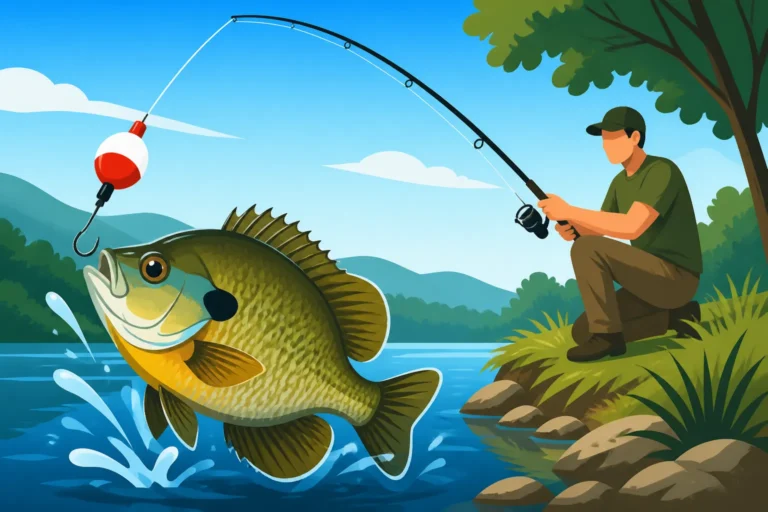
- Bluegill (and other sunfish): These panfish are readily available and make excellent cut bait, particularly for channel cats and smaller blues. They're easy to catch, and their tough scales help them stay on the hook. Just be sure to check local regulations on using game fish as bait; generally, panfish caught legally can be used. Many anglers find them convenient for a quick bait source from local ponds or smaller lakes.
- Skipjack Herring: If you're serious about targeting trophy blue catfish, skipjack are gold. These are incredibly oily and generate an intense scent trail. They're often found in the tailwaters below dams on the Tennessee and Cumberland Rivers. Getting a good supply of skipjack can sometimes be a challenge, but the reward in terms of big blue cats is often worth the effort.
- Carp or Drum: These rough fish are also very oily and can provide large chunks of bait perfect for big blues and flatheads. They’re common in many of our river systems.
Fresh vs. Frozen: The Debate
While fresh bait is almost always superior, frozen cut bait can still be highly effective if handled correctly.
- Fresh Bait: This is the ideal scenario. Freshly caught and cut bait retains all its natural oils, blood, and robust scent. The flesh is firm, staying on the hook better and resisting the nibbles of smaller fish. If you have the opportunity to catch your bait fresh on the day you fish, absolutely do it. The difference in bites can be remarkable.
- Frozen Bait: If fresh isn't an option, frozen bait is your next best bet. The key is how it's frozen and thawed.
- Freezing: Flash-freeze your bait whole or in pre-cut chunks immediately after catching. Vacuum sealing helps prevent freezer burn and preserves the quality. Label with the date!
- Thawing: Thaw your bait slowly in the refrigerator overnight. Avoid microwaving or rapid thawing, as this can degrade the flesh and make it mushy, causing it to fall off the hook easily. Some anglers even prefer to let it thaw partially, so it's still a bit firm for rigging.
- The "Re-Freeze" No-No: Never re-freeze thawed bait. It will become mushy and lose almost all its appeal. Once it’s thawed, use it or lose it.
The Art of the Cut
How you cut your bait profoundly impacts its scent dispersion and how it sits on the hook. There’s no single "right" way, but these techniques are popular and effective. You’ll want a sharp filleting knife for this, which you can find readily on Amazon or at your local tackle shop.
- Chunking (Steaking): For medium to large catfish, especially channel and blue cats, cutting your baitfish into 1-2 inch thick "steaks" is highly effective. You simply slice the baitfish crosswise. This exposes a lot of skin, flesh, and bone, creating a fantastic scent trail. The tougher skin helps hold the chunk on the hook.
- Filleting: For larger baitfish, or if you want to avoid bones, you can fillet the fish and then cut the fillets into strips or chunks. Leaving a piece of skin attached to each strip helps it stay on the hook. This method is great for fish like carp or larger drum.
- Head/Tail Sections: Don't discard the heads and tails! The head, especially from an oily fish like shad or skipjack, is incredibly potent and can tempt large blue cats. Rig the head through the eye sockets or lips. Tails also release good scent and can be rigged through the base. These are often overlooked but can be highly productive.
Essential Gear for Rigging Cut Bait
Having the right terminal tackle and rod setup is crucial for successfully fishing with cut bait, especially when you're targeting those powerful Tennessee catfish.
Hooks and Line: Built for Battle
Catfish aren't delicate biters, and they can be incredibly strong, so your gear needs to stand up to the fight.
- Hooks:
- Circle Hooks: These are hands-down the best choice for catfish, especially if you're practicing catch and release. When a catfish takes the bait and swims away, the circle hook is designed to roll into the corner of its mouth, resulting in fewer gut hooks and higher survival rates. Sizes range from 5/0 for smaller channel cats up to 10/0 or even larger for monster blues.
- J-Hooks: Traditional J-hooks work, but they are more prone to gut hooking fish, which can be fatal. If you use J-hooks, pay close attention to your rod and set the hook quickly.
- Main Line: You'll want a strong, abrasion-resistant main line.
- Monofilament: A classic choice, monofilament (20-40 lb test) offers good stretch, which can act as a shock absorber against powerful runs. It’s also relatively inexpensive.
- Braided Line: Many serious catfishermen prefer braided line (30-80 lb test) due to its incredible strength, small diameter, and zero stretch. The lack of stretch provides excellent sensitivity, allowing you to feel even subtle bites, and powerful hooksets.
- Leader Material: A heavy monofilament or fluorocarbon leader (30-80 lb test) is essential. It provides an extra layer of abrasion resistance against rough catfish mouths, sharp fins, and underwater structure. It also creates a small buffer if your main line is braid, preventing direct contact with the fish. Make your leaders 18-36 inches long, depending on the rig and conditions.
Sinkers and Swivels: Anchoring Your Offering
Keeping your bait in the strike zone and preventing line twist are key components of a successful cut bait setup.
- Sinkers:
- Egg Sinkers: These are probably the most common. Their oval shape allows them to roll freely on the main line above a swivel, letting the fish pick up the bait without feeling the weight of the sinker. This is fantastic for shy biters.
- No-Roll Sinkers: As the name suggests, these flat-sided sinkers are designed to stay put, even in strong currents. They're excellent for river fishing where you need your bait to remain in a specific spot. They have a hole through the middle, similar to egg sinkers.
- Bank Sinkers: A pyramid or bell shape, bank sinkers are great for heavy current because they dig into the bottom. Often used with a three-way swivel rig.
- Disc/Coin Sinkers: These flatter sinkers are also good for minimizing roll in current or on sloping bottoms.
- Swivels: High-quality barrel swivels or ball-bearing swivels are non-negotiable. They prevent line twist, which can weaken your line and lead to tangles. Use strong, appropriately sized swivels that match your line test. A good swivel is a small investment that saves a lot of headaches, especially when you consider how often your bait might spin in the current. You can find robust swivels and sinkers on Amazon, or at any well-stocked local bait and tackle shop.
Rods and Reels for Battle: Heavy-Duty Performance
You're not trout fishing here; you need robust gear that can handle powerful fish.
- Rods: Look for heavy or medium-heavy action rods, 7 to 10 feet long. Longer rods help with casting heavy baits and give you more leverage when fighting big fish. A strong backbone is essential for driving those large hooks home and turning a charging catfish away from snags. Many specific "catfish rods" are available designed for this purpose.
- Reels:
- Baitcasting Reels: These are preferred by many experienced catfishermen for their power, cranking ability, and capacity for heavy line. They offer better control when fighting large fish and are built to handle the strain.
- Heavy-Duty Spinning Reels: A large, durable spinning reel with a good drag system can also work, especially for lighter catfishing or for anglers who prefer them. Ensure it has enough line capacity for your chosen line test. The key is durability and a smooth, reliable drag system that won't give out when a lunker decides to run.
Tried-and-True Cut Bait Rigs for Tennessee Catfish
Now that you've got your bait and gear sorted, let's talk about putting it all together. These are some of the most effective and commonly used rigs for presenting cut bait to catfish in Tennessee.
The Carolina Rig: A Catfish Classic
The Carolina rig is probably the most popular and versatile rig for catfishing. It’s simple, effective, and allows a fish to take the bait without immediately feeling the weight of the sinker, leading to more confident bites. This rig excels in still or slow-moving water, and for bottom fishing in general. It's often the first rig I teach new anglers who want to start catching catfish. Our article on Catfish Bottom Fishing Basics goes even deeper into this technique.
How to Tie It:
- Thread your sinker: Start by sliding an egg sinker (or no-roll sinker) onto your main line.
- Add a bead (optional but recommended): Slide a small plastic or glass bead onto the line after the sinker. This bead protects your knot from the sinker's repeated impact during casting and retrieving, extending its life significantly.
- Tie on a swivel: Tie a strong barrel swivel to the end of your main line using a reliable knot like a Palomar or improved clinch knot.
- Attach your leader: To the other end of the swivel, tie your monofilament or fluorocarbon leader (18-36 inches long).
- Tie on your hook: Finally, tie your circle hook (or J-hook) to the end of your leader.
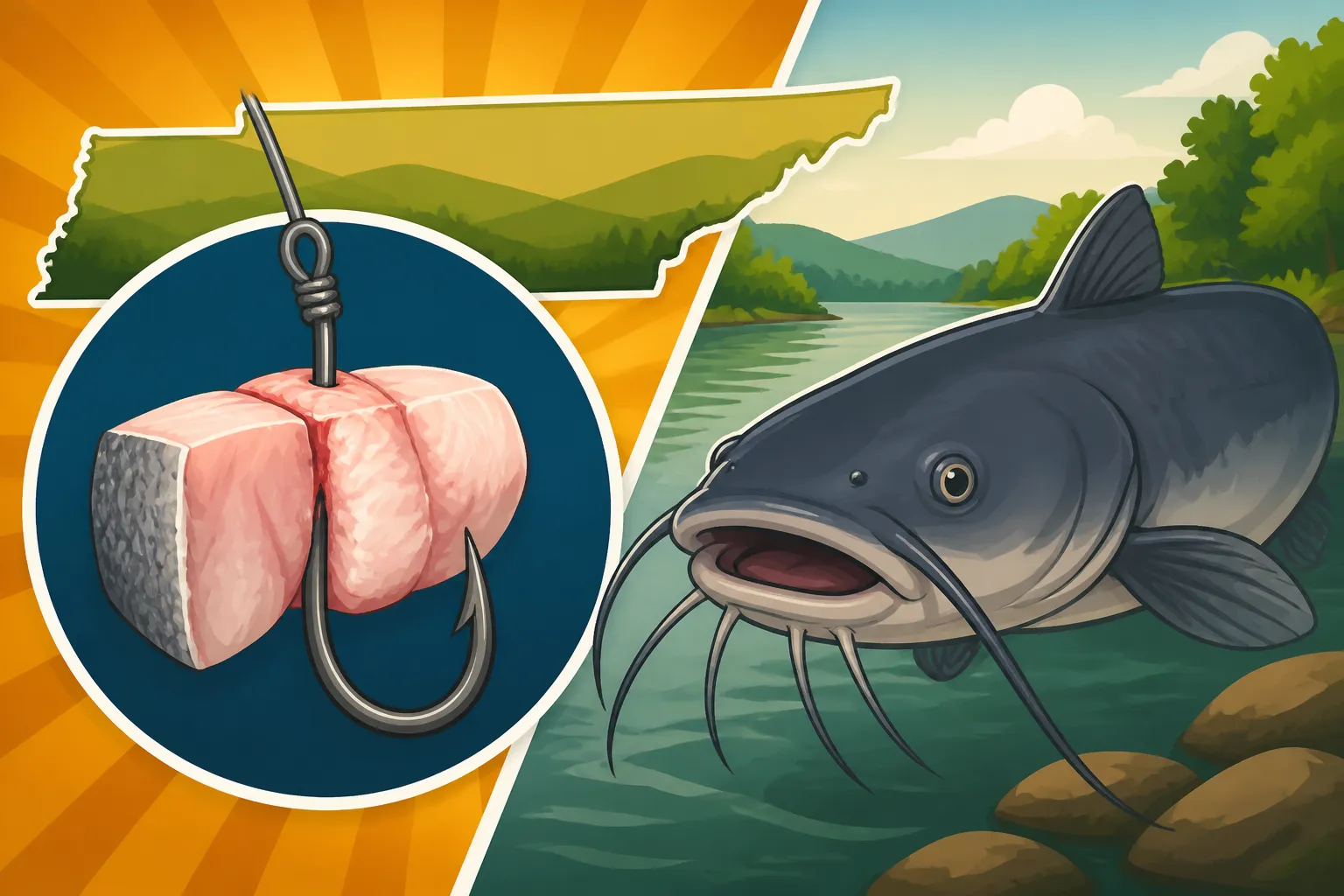
- Bait it up: Thread your cut bait onto the hook. For chunks, push the hook through the tough skin side first, then bring the point out through the fleshy part, ensuring the hook point is exposed. For fillets, pierce one end and thread it so it drapes naturally.
Best Uses: This rig is excellent for targeting catfish in lakes like Chickamauga Lake or Norris Lake where you might be casting to specific spots or letting your bait sit for extended periods. It’s fantastic when fishing from the bank or when anchored from a boat. The free-sliding sinker allows for very subtle bite detection, which is key when catfish are finicky.
The Santee Cooper Rig: Lifting Bait in Current
The Santee Cooper rig is essentially a modified Carolina rig, and it’s a game-changer when you're fishing in areas with current or over soft, mucky bottoms. The added float keeps your bait slightly off the bottom, making it more visible and preventing it from getting buried in silt or snatched by crabs. This is a favorite of many seasoned Tennessee river anglers.
How to Tie It:
- Follow Carolina Rig steps 1-3: Thread your sinker, add a bead, and tie on your swivel to the main line.
- Attach your leader: Tie your leader (12-24 inches) to the other end of the swivel. This leader will be shorter than a standard Carolina rig.
- Add a small float: Slide a small, cigar-shaped, or in-line foam float onto your leader, positioned about 4-6 inches above where your hook will be. This float can be fixed or free-sliding, depending on preference.
- Tie on your hook: Tie your circle hook (or J-hook) to the end of the leader.
- Bait it up: Rig your cut bait, again ensuring the hook point is exposed.
Best Uses: The Santee Cooper rig truly shines on the Tennessee River or the Cumberland River where currents are present. It's also fantastic when fishing over softer lake bottoms where your bait might sink into the mud and be less accessible to fish. The float keeps the bait suspended, allowing the current to gently waft its scent, and keeping it clear of snags on the bottom. If you're fishing a spot where you know the bottom is silty, this rig can significantly increase your success rate.
The Three-Way Swivel Rig: For Heavy Current and Multiple Baits
When the current is ripping, or you want to present multiple baits at different depths or distances, the three-way swivel rig (also known as a dropper rig) is an excellent choice. It’s a workhorse for river fishing and can be incredibly effective for targeting larger fish holding tight to the bottom in strong flows.
How to Tie It:
- Main Line to Swivel: Tie your main line to one eye of a three-way swivel.
- Sinker Leader: To a second eye of the three-way swivel, tie a short leader (6-12 inches) made of slightly lighter line than your main line. At the end of this leader, tie on a heavy bank sinker or no-roll sinker. The lighter leader here acts as a "breakaway" if your sinker gets snagged, allowing you to save the rest of your rig and the fish if you hook one.
- Bait Leader: To the third eye of the three-way swivel, tie a longer leader (18-36 inches) for your hook and bait.
- Tie on your hook: Secure your circle hook (or J-hook) to the end of the bait leader.
- Bait it up: Rig your cut bait onto the hook.
Best Uses: This rig is perfect for spots with strong currents, like below dams or in deep river channels. The heavy sinker keeps your bait anchored, while the bait leader allows your cut bait to drift enticingly just above the bottom. You can also vary the length of your leaders to adjust how high off the bottom your bait sits. This rig is particularly useful when you're anchored from a boat in the main channel of a river, allowing you to precisely target the catfish holding in those currents. It’s also adaptable; some anglers will tie two bait leaders off the three-way swivel for double the chances!
Here's a quick comparison of these popular cut bait rigs:
| Rig Type | Key Components | Ideal Conditions | Advantages | Disadvantages |
|---|---|---|---|---|
| Carolina Rig | Sliding Sinker, Bead, Swivel, Leader, Hook | Still/Slow Current, Clean Bottom | Natural bait presentation, good bite detection | Bait can get buried in soft mud |
| Santee Cooper Rig | Sliding Sinker, Bead, Swivel, Float, Leader, Hook | Moderate Current, Softer Bottom | Keeps bait off bottom, enhanced visibility | Can be affected by strong winds or very heavy current |
| Three-Way Swivel Rig | Three-Way Swivel, Sinker Leader, Bait Leader, Hook | Heavy Current, Deep Water, River Fishing | Stays anchored in strong current, customizable bait depth | More components, potential for tangles with multiple lines |
No matter which rig you choose, remember that fresh, well-prepared cut bait is your greatest asset. Pair it with appropriate tackle and a bit of patience, and you'll be well on your way to reeling in some impressive Tennessee catfish. So next time you're heading out, grab that filleting knife and get ready to cut yourself a path to success!
Disclaimer
This article is for general informational purposes only and does not constitute professional advice. Laws, prices and regulations vary by location and change over time. Consult a qualified professional for guidance on your specific situation.