Brook Trout in Tennessee’s Cold-Water Streams
For many anglers, the thought of fishing in Tennessee immediately brings to mind trophy bass lakes or bustling crappie spots. But tucked away in the highest reaches of our mountains, often in waters so clear and cold they'll make your toes tingle, lies a true gem: the brook trout. These beautiful, native fish offer a unique challenge and a deeply rewarding experience, and this guide is dedicated to helping you understand and pursue them in their secluded Tennessee strongholds.
Understanding Tennessee's Native Brook Trout
The brook trout, Salvelinus fontinalis, isn't just any trout; it's Tennessee's only truly native salmonid, a remnant of a colder, more ancient landscape. When you encounter a brook trout, you're not just catching a fish; you're connecting with a wild legacy. They are distinct from the rainbow and brown trout that populate many of our waters, having called these Appalachian streams home for thousands of years. Their existence is a testament to the resilience and unique ecological character of our highest mountain regions.
Identifying These Beautiful Natives
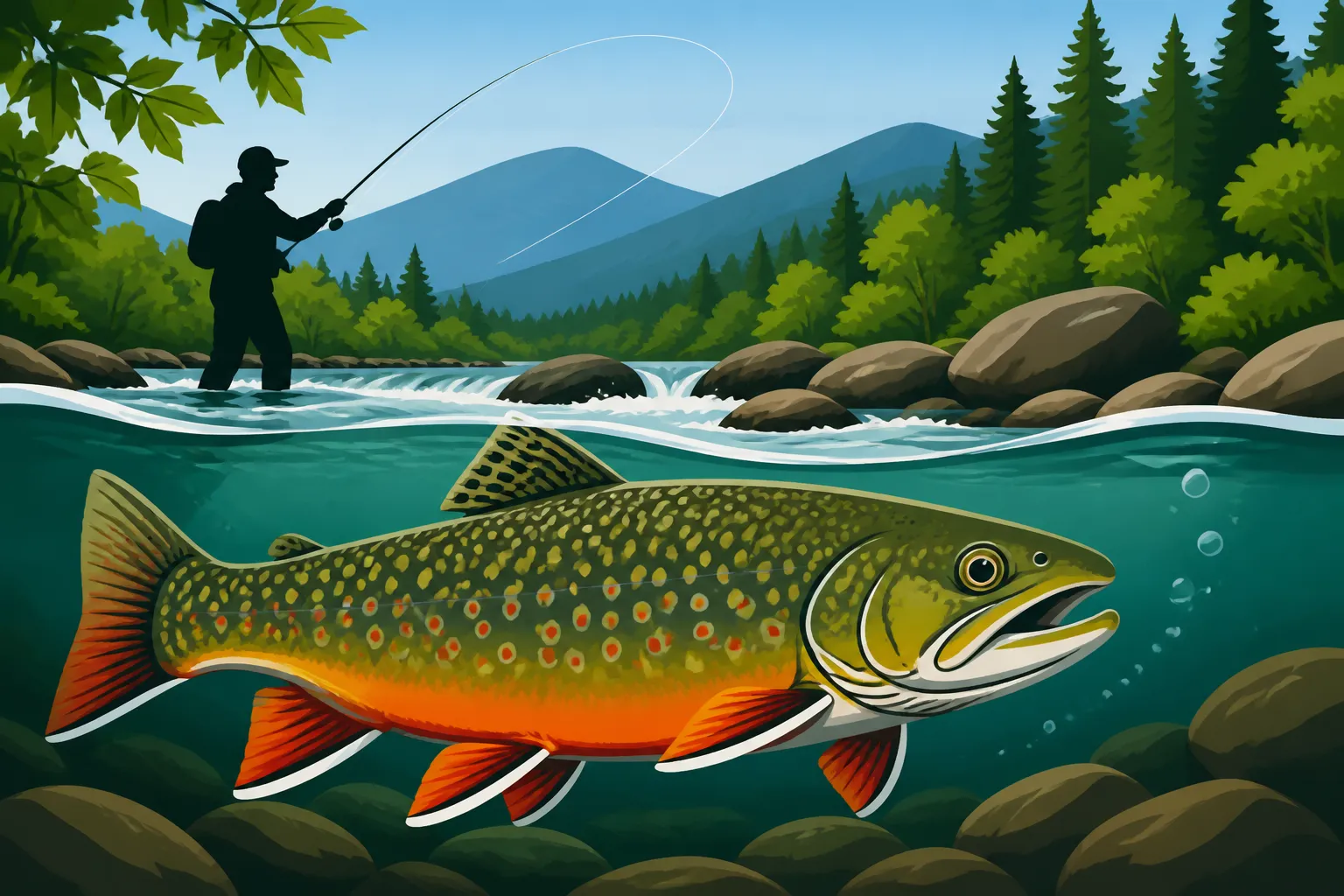
You'll know a brook trout when you see one, even if you've only ever caught rainbows or browns. Their vibrant colors are unmistakable, a mosaic of greens, yellows, and oranges that make them look like living jewels. The most striking features are the distinctive "worm-like" markings (known as vermiculation) on their dark green backs and dorsal fins, and the bright, almost iridescent red spots, often ringed with blue halos, along their sides. Their lower fins, particularly the pectoral, pelvic, and anal fins, are typically edged with white, followed by a black stripe, and then a fiery orange or red color. This unique pattern is a dead giveaway.
Compared to rainbow trout, which often have a pink or red stripe along their side and small black spots, or brown trout, which typically have larger, darker spots, some with red halos, brook trout stand out. They generally don't grow as large as their introduced cousins, especially in the small, nutrient-poor streams they inhabit in Tennessee. A 10-inch brook trout is a genuine trophy here, though they can reach larger sizes in more hospitable environments elsewhere. Observing these distinct markings and size differences will quickly help you confirm you've landed one of our cherished native fish. You can learn more about how they differ from other species in our guide, Tennessee Trout Guide: Rainbow, Brown, and Brook Trout.
The Cold, Clear Waters They Call Home
Brook trout are quintessential cold-water specialists. They absolutely thrive in the purest, coldest, and most oxygenated streams, which in Tennessee means primarily the headwater streams of the Great Smoky Mountains National Park and other high-elevation areas. These aren't your typical wide, meandering rivers; think narrow, shaded streams, often no wider than a car, tumbling over rocks and through dense rhododendron thickets. The water temperature is paramount for them; they cannot tolerate warm water, especially during the summer months. Any slight increase in temperature can stress them, making their habitat incredibly fragile.
Their survival hinges on consistent cold temperatures, which is why you'll rarely find them below certain elevations where stream temperatures naturally rise. The pristine quality of these waters is also non-negotiable. They rely on clean, sediment-free environments for spawning and feeding, making them excellent indicators of stream health. These streams are typically spring-fed or runoff-fed from high mountain peaks, ensuring a steady supply of frigid, clear water year-round. You might hike for miles to reach these isolated pockets, often finding yourself bushwhacking through dense foliage, but the reward of seeing their vibrant colors against the crystalline water is truly unparalleled. Understanding Where Do Brook Trout Live in Tennessee Streams? is key to your search.
Essential Gear for Brook Trout Anglers
When you're chasing brook trout in Tennessee, particularly in their native high-country streams, your gear needs to be thoughtfully selected. It's not about brute force or casting huge baits; it's about finesse, stealth, and being prepared for rugged terrain. This kind of fishing demands a lighter touch and a willingness to embrace simplicity.
Fly Fishing Rods and Reels
For many, fly fishing is the quintessential method for brook trout, and for good reason. It allows for delicate presentations of small flies, mimicking the insects these fish naturally feed on. You'll want a very light setup, typically a 2-weight or 3-weight fly rod, between 6 and 7.5 feet long. A shorter rod is advantageous for navigating the tight, brush-lined streams where longer rods become a liability, constantly snagging on overhead branches or bankside vegetation. A compact, lightweight fly reel that balances well with the rod is sufficient, as these fish rarely make long, drag-screaming runs.
Your fly line should match your rod weight, and a weight-forward floating line is generally ideal for delicate dry fly presentations and light nymphing. You'll want a tapered leader, often 7.5 to 9 feet, ending in a tippet of 5x or 6x fluorocarbon or monofilament. The thinner tippet allows for a more natural drift and is less visible to these wary fish. On Amazon, you can find a great selection of these specialized ultralight setups, perfect for making those precise casts into tiny pockets of water. For a comprehensive look at the best options, check out Best Fly Rods and Waders for Tennessee Trout Streams.
Ultralight Spinning Gear Options
While fly fishing is popular, don't feel like it's the only way to catch brook trout. Ultralight spinning gear is a fantastic and often more accessible alternative, especially for beginners or those who prefer a different angling style. A light-action spinning rod, typically 4.5 to 5.5 feet long, paired with a small spinning reel (size 500 or 1000) is perfect. This setup offers excellent sensitivity for detecting subtle bites and allows for very light lures or baits.
Spool your reel with 2 to 4-pound test monofilament or fluorocarbon line. The thin diameter reduces visibility and allows for longer, smoother casts with tiny offerings. Small spinners, such as Panther Martins or Mepps, in sizes #00 to #1, are incredibly effective. Tiny inline spinners with dark or natural patterns often work wonders. Small spoons and micro jigs can also entice a strike. The key is to keep everything small and light to match the size of the fish and their natural forage. Having a small tackle box filled with these types of lures is a smart move, and many anglers find excellent choices for these on Amazon, often in multi-packs, which are perfect for experimenting.
Where to Find Tennessee's Brook Trout
Finding brook trout in Tennessee is less about vast lakes and more about precise, high-elevation stream exploration. These fish are true natives, holding out in the most pristine and often challenging-to-reach pockets of our Appalachian landscape. Their locations speak volumes about their environmental needs.
High-Elevation Streams and Headwaters
The primary habitat for brook trout in Tennessee is within the high-elevation headwaters of the Great Smoky Mountains National Park. Think of streams originating near peaks like Clingmans Dome or Mount Le Conte. These waters are fed by snowmelt and mountain springs, maintaining consistently frigid temperatures even during the warmest summer months. As you ascend in elevation, the water gets colder, and the brook trout become more prevalent. The higher you go, the better your chances of encountering these vibrant fish.
Many of these streams are quite small, often only a few feet wide, carving their way through dense forest. Access can be challenging, requiring hikes of several miles, often off marked trails, and sometimes involving scrambling over rocks and through thick rhododendron tunnels. These efforts are part of the adventure and contribute to the untouched feel of these fishing experiences. Streams like those in the Little River watershed or the upper reaches of the Tellico River system are prime examples. The solitude and natural beauty you find in these areas are as much a part of the reward as the fish themselves.
Designated Wild Trout Waters
Beyond the national park, Tennessee has designated "Wild Trout Waters" managed by the Tennessee Wildlife Resources Agency (TWRA) that specifically protect and promote native brook trout populations. These areas are typically managed to preserve the natural reproduction and genetic integrity of the brook trout. Often, they have specific regulations in place, such as artificial lures only, catch-and-release, or special size limits, all designed to ensure the sustainability of these fragile populations. It's crucial to consult the current TWRA regulations before heading out, as these rules can differ from general trout regulations.
These wild trout waters are often found in wilderness areas or state forests with similar cold-water characteristics to the national park streams. They represent critical conservation zones where careful management allows brook trout to thrive naturally. While they might still require some hiking to access, they offer fantastic opportunities to target truly wild, native brookies. Always remember that the health of these ecosystems relies heavily on responsible angling practices. You can often find details on these specific areas in the Tennessee Fishing Regulations Explained guide or directly from the TWRA website.
Techniques for Catching Tennessee Brook Trout
Catching brook trout is often more about patience, stealth, and delicate presentation than brute strength. These fish, especially in their native, wild environments, are incredibly wary and react quickly to disturbance. Adapting your approach to their habitat and temperament is key to success.
Stealth and Presentation
When fishing for brook trout, consider yourself a hunter. These fish live in incredibly clear water, and they have excellent eyesight. Any sudden movement, heavy footsteps on the bank, or even the shadow of your rod can send them darting for cover. Approach stream sections slowly and deliberately, keeping a low profile, even crouching or crawling on hands and knees as you near the water's edge. Think about how your presence might impact the water before you even make a cast.
The presentation of your fly or lure is equally important. In these small streams, you're often targeting specific pools, eddies, or undercut banks where brook trout hide. Your goal is to make your offering land as softly and naturally as possible, mimicking an insect falling onto the water or a small baitfish drifting downstream. Avoid splashing your lure down loudly or making casts that drag your line across the water, which can spook fish. For fly anglers, a gentle upstream cast that allows your fly to drift naturally back towards you is often most effective. For spin anglers, precise short casts are usually better than long, errant ones. Mastering this subtle approach is crucial for these skittish natives.
Effective Lures and Flies
Matching the hatch, or at least presenting something that looks appetizing, is vital for brook trout. For fly anglers, small dry flies are often incredibly effective, especially during warmer months when insects are active. Patterns like Royal Wulff, Adams, Elk Hair Caddis, or small Stimulators in sizes #14 to #18 are good starting points. If fish aren't rising, don't hesitate to go subsurface with small nymphs like a Pheasant Tail, Hare's Ear, or a simple Copper John. Terrestrials, such as small ant or beetle patterns, can also be deadly, especially after a summer rain when bugs get washed into the stream.
Spin anglers will find success with a variety of micro-lures. Small inline spinners, as mentioned before, in natural colors or with a bit of flash, are consistent producers. Pay attention to the current; in faster water, a slightly heavier spinner might be needed to get down. Tiny spoons, particularly those with a fluttering action, can also be great. Micro jigs, often tipped with a piece of worm or a small soft plastic, are another excellent option, especially when bounced along the bottom of deeper pools. The key for both fly and spin is often to keep your offerings small and subtle, matching the typically small forage base in these high-mountain streams. Don't forget to pack a variety, easily found on Amazon, as the fish's preferences can change throughout the day.
Conservation and Responsible Angling
Brook trout populations in Tennessee, while resilient, are also quite vulnerable. They are at the mercy of their delicate cold-water habitats, which are susceptible to a variety of environmental pressures. As anglers, we have a profound responsibility to protect these native treasures for future generations.
Catch and Release Practices
For most brook trout fishing in Tennessee's wild streams, especially in designated wild trout waters, catch-and-release is the golden rule. These fish grow slowly in their high-elevation homes, and losing even a few large breeding individuals can significantly impact a small, isolated population. When you do catch a brook trout, handle it with the utmost care. Try to keep the fish in the water as much as possible, or at least minimize its time out of the water. Wet your hands before touching them to avoid removing their protective slime coat, which guards against disease.
Use barbless hooks, or pinch down the barbs on your hooks with pliers. This makes removal quicker and less damaging to the fish's mouth. If the hook is deeply set, consider cutting the line as close to the hook as possible rather than tearing the fish's delicate tissues. Gently revive the fish by holding it upright in the current, allowing water to flow over its gills, until it swims away under its own power. These simple practices dramatically increase the survival rate of released fish and ensure these populations can continue to thrive.
Protecting Their Fragile Habitats
The biggest threat to Tennessee's brook trout is habitat degradation. Anything that increases water temperature, introduces pollution, or causes sedimentation can be devastating. This means protecting the riparian zones—the vegetated banks alongside the streams—is paramount. Trees and shrubs provide crucial shade, keeping water temperatures low, and their root systems stabilize the banks, preventing erosion and sediment runoff into the pristine waters. Always stay on marked trails where possible, and avoid disturbing stream banks.
Responsible angling also means packing out everything you pack in, leaving no trace of your visit. Even seemingly small pieces of litter can degrade water quality or entangle wildlife. Avoid introducing non-native species, whether intentionally or accidentally, by cleaning your gear thoroughly between different bodies of water. Supporting conservation organizations and being aware of local regulations, like those covered in Tennessee Fishing Rules Every Angler Should Know, also plays a vital role. By being mindful stewards of these precious mountain streams, we can ensure that the vibrant brook trout continue to grace Tennessee's cold waters for centuries to come.
Planning Your Brook Trout Adventure
Embarking on a brook trout fishing trip in Tennessee is more than just a day of casting; it's an immersive experience into some of the state's most pristine and wild landscapes. Proper planning will ensure not only a more successful outing but also a safer and more enjoyable one.
Best Time of Year and Conditions
While brook trout are cold-water fish, the best time to target them in Tennessee often hinges on balancing water temperature with accessibility. Spring, from late March through May, is often prime. Snowmelt and spring rains keep the streams flowing strong and cold, and insect hatches are becoming more active, encouraging the fish to feed. As summer progresses, especially in July and August, water temperatures can become critical. Even in high-elevation streams, a prolonged heatwave can stress brook trout. During these times, focus your efforts on the highest elevations, fish early in the morning before the sun heats the water, and be extra diligent with catch-and-release.
Fall, from September through October, can also be excellent, as water temperatures begin to cool, and brook trout often become more active and colorful as they prepare for their spawning season. Winter fishing is possible but can be challenging due to cold weather, ice, and limited access to high-elevation trails. Always check local weather forecasts and stream conditions before you go. Clear, stable weather after a period of light rain is often ideal, as it provides good water flow without excessive turbidity. You can learn more about seasonal patterns in Tennessee Trout Fishing Season Explained.
Safety and Preparedness for Mountain Streams
Fishing in remote mountain streams, while incredibly rewarding, also comes with inherent risks. Safety should always be your top priority. Always let someone know where you are going and when you expect to return. Cell service in these remote areas is often nonexistent, so don't rely on it for communication or navigation. A physical map and compass, or a GPS device (like those you might find on Amazon, preloaded with topographic maps), are indispensable tools.
Be prepared for sudden weather changes. Mountain weather can be unpredictable, with sunshine quickly giving way to rain, fog, or even snow, even in summer. Pack layers of clothing, including waterproof outerwear, and always carry enough water and high-energy snacks. A small first-aid kit is also essential. Wading safety is critical; wear appropriate wading boots with good traction, as rocks can be slippery. A wading staff can provide extra stability in swift currents. Be aware of wildlife; you are in bear country, so know how to store food properly and what to do in an encounter. The more prepared you are, the more you can relax and truly enjoy the beauty and challenge of chasing Tennessee's native brook trout.
Disclaimer
This article is for general informational purposes only and does not constitute professional advice. Laws, prices and regulations vary by location and change over time. Consult a qualified professional for guidance on your specific situation.