Nonresident anglers in Tennessee pay double for a trout-inclusive annual license
Planning a fishing trip to Tennessee, especially if you're coming from out of state, can be exciting, but the cost of a fishing license can sometimes throw a wrench in your budget expectations. It's particularly frustrating when you start looking into specific options, like an annual license that includes trout fishing, only to discover the price is significantly higher for nonresidents. This guide is here to break down exactly why that trout-inclusive annual license for nonresident anglers in Tennessee costs more, what you're getting for your money, and how it compares to other options so you can make an informed decision without any unpleasant surprises.
Understanding the Nonresident Annual Fishing License in Tennessee
As an angler visiting the Volunteer State, you're probably already aware that you'll need a fishing license to cast a line in most public waters. What often catches people off guard is the tiered pricing structure, especially when it comes to the added cost for trout fishing. It’s not just a small bump; it’s a substantial increase that reflects the state's investment in maintaining its diverse fisheries.
The Standard Annual License Without Trout
For many nonresident anglers, the standard annual fishing license is the go-to choice if they plan on spending a fair amount of time fishing in Tennessee throughout the year. This particular license, currently priced at $49, covers a vast array of fishing opportunities across the state's incredible lakes and rivers. With this license, you can target popular warmwater species like largemouth and smallmouth bass, crappie, catfish, and various panfish without issue. It's a fantastic value if your focus is primarily on these species and you don't anticipate venturing into dedicated trout waters.
This license grants you access to almost all of Tennessee’s public waters, from the mighty Tennessee River and its expansive reservoirs like Chickamauga Lake and Kentucky Lake, to smaller community ponds and state park lakes. It's designed for the angler who enjoys the flexibility of returning multiple times over a 12-month period without having to purchase a new short-term license for each visit. For those considering a trip that might include different types of fishing, understanding your options is key, and you can delve deeper into the different types of permits in our Tennessee Fishing License Costs and Types guide.
The Significant Jump for Trout Access
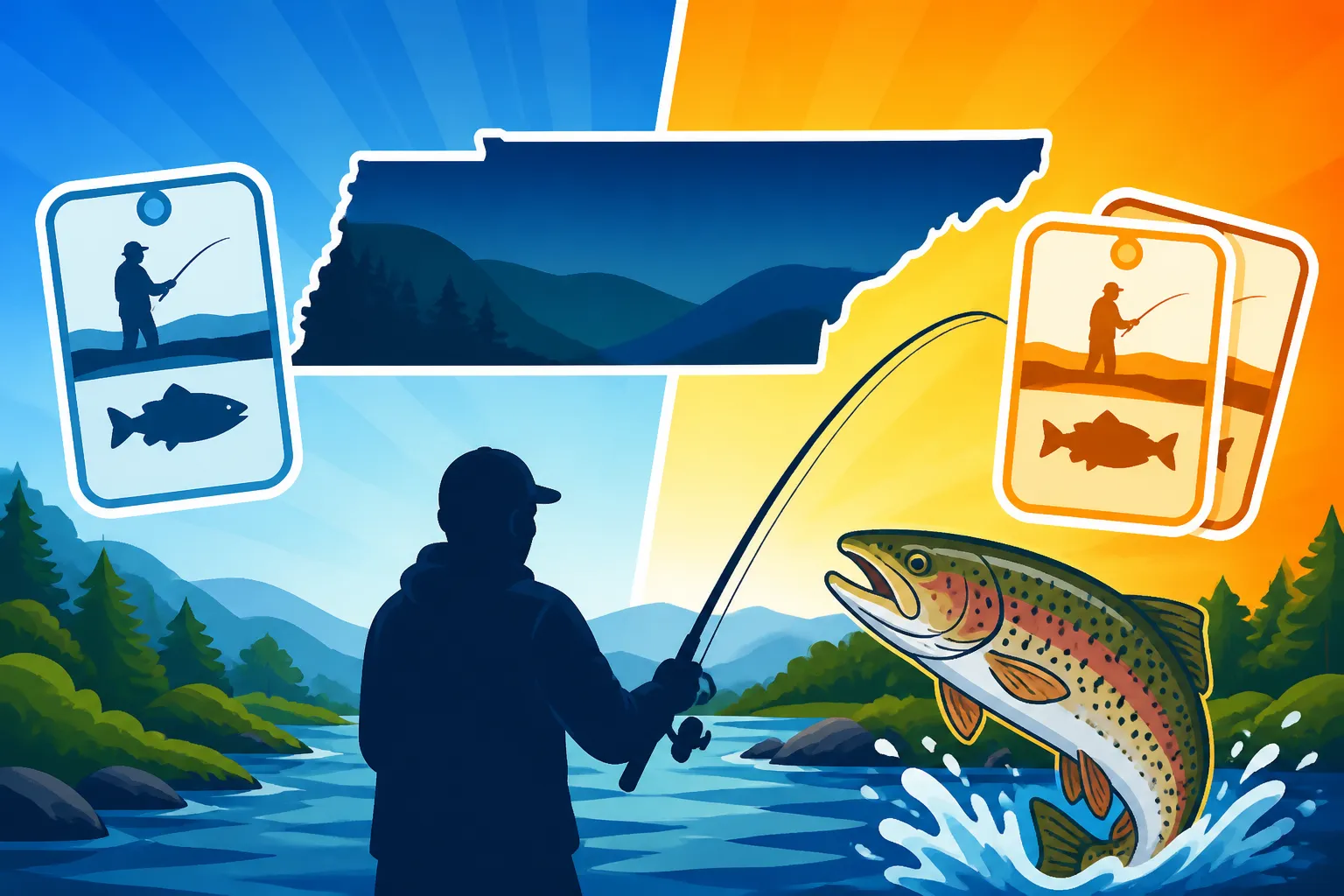
Now, here's where many nonresidents feel a bit of sticker shock: the annual fishing license that includes the trout permit. This option, which covers all the species mentioned above plus the privilege of fishing in designated trout streams and lakes, costs $98. Yes, you read that right – it's literally double the price of the standard nonresident annual license. This jump can be jarring, especially if you're accustomed to other states where trout permits might be a more modest add-on.
The reason for this substantial increase is rooted in the significant resources the Tennessee Wildlife Resources Agency (TWRA) dedicates to its trout program. Fishing for trout, particularly in the pristine cold-water streams of East Tennessee, is a highly sought-after experience. These waters require specialized management, consistent stocking efforts, and habitat protection that far exceed what's needed for many other fisheries. For instance, the renowned Clinch River, a tailwater fishery below Norris Dam, is a prime example of a productive trout fishery that benefits from intensive management. The higher cost reflects the commitment to maintaining these unique and often fragile ecosystems, ensuring a quality experience for anglers who seek them out. Many anglers find themselves asking, Do You Need a Trout Permit With Your Tennessee License? This section really hammers home why the cost escalates so much.
Why the Trout Permit Drives Up Nonresident Costs
It’s easy to look at that $98 price tag and feel a pinch, wondering why trout fishing alone commands such a premium. The truth is, it’s not just about the trout; it's about the comprehensive system the state has in place to support these specific fisheries, and how that system is funded.
The Value of Tennessee's Trout Program
Tennessee boasts some truly exceptional trout fishing, from the freestone streams in the Great Smoky Mountains National Park (though those have their own specific rules) to the powerful tailwaters below large dams that offer year-round opportunities. Maintaining these fisheries involves a monumental effort. The TWRA regularly stocks hundreds of thousands of trout – rainbow, brown, and brook trout – into dozens of streams and lakes across the state. This isn't a one-time event; it's a continuous process that ensures robust populations for anglers to enjoy. The cost of rearing these fish in hatcheries, transporting them, and distributing them to various locations is substantial. Beyond stocking, there’s ongoing work on habitat improvement, water quality monitoring, and scientific research to ensure the long-term health of these cold-water environments.
Think about the specific demands of a delicate trout fishery compared to a large reservoir primarily managed for bass. Trout often require colder, cleaner water, making them more susceptible to environmental changes. The state invests in protecting these sensitive areas, which in turn benefits all wildlife and water users. The additional cost for the trout-inclusive license helps directly fund these vital conservation and management efforts. If you're passionate about pursuing these species, our Tennessee Trout Fishing Season Explained guide offers more details on when and where to find them, giving you a better understanding of the program's scope.
Residency Versus Non-Residency Principles
The disparity in license fees between residents and nonresidents is a common practice across states, and Tennessee is no exception. Residents contribute to the state’s fish and wildlife resources through various taxes, both direct and indirect. When a resident buys a fishing license, it’s often seen as a supplementary contribution to a system they already help fund through their daily lives. Nonresidents, on the other hand, do not contribute to the state's general tax base in the same way. Therefore, their fishing licenses are priced to more fully cover the direct cost of the services and resources they utilize.
The principle is straightforward: if you don’t live in Tennessee and contribute to its infrastructure and natural resource management year-round, you’re expected to pay a higher fee for the privilege of accessing those resources. This approach ensures that the burden of funding robust conservation programs doesn't fall disproportionately on residents. While it can feel steep for a nonresident, especially with the trout endorsement, it's a reflection of the state's commitment to maintaining its fisheries for everyone who enjoys them. This is a crucial distinction that comes up when discussing topics like Nonresident Fishing License Costs in Tennessee in general.
Weighing Your Options: Annual Versus Short-Term Nonresident Licenses
Knowing the price difference for the annual license with and without trout is just one piece of the puzzle. The real decision often comes down to how frequently you plan to fish in Tennessee and what species you're truly after. Sometimes, an annual license isn't the most economical choice, even if you love fishing.
Comparing Annual, 3-Day, and 10-Day Licenses
Tennessee offers a few different options for nonresidents, which is incredibly helpful for tailoring your license to your trip length and fishing goals. Here's a breakdown of the common nonresident fishing licenses and their approximate costs:
| License Type | Without Trout | With Trout | Notes |
|---|---|---|---|
| Annual All-Species Fishing | $49 | $98 | Valid for 12 months from purchase date. Best for frequent visitors. |
| 3-Day All-Species Fishing | $20 | $40 | Good for short weekend trips. |
| 10-Day All-Species Fishing | $30 | $61 | Offers more flexibility than 3-day for slightly longer visits. |
Looking at this table, it becomes clear that if you're only planning a single, short trip to Tennessee, opting for a 3-day or 10-day license, even with the trout permit, might be significantly cheaper than the annual option. For example, a single 3-day trout-inclusive license at $40 is a lot less than $98. The annual license only starts to make financial sense if you anticipate visiting Tennessee for fishing three or more times within a 12-month period. For those planning a week-long vacation that involves some serious fishing, the Nonresident 3-Day and 10-Day License Options for Tennessee article provides a more in-depth comparison to help you choose wisely.
Consider a hypothetical scenario: you're visiting for a week in the spring, hoping to catch some rainbow trout in the Hiwassee River and maybe some bass on Watts Bar Lake. The 10-day trout-inclusive license for $61 would be your best bet. If you were to buy the annual for $98, you'd be overpaying for that single trip. However, if you're a snowbird who spends several months each year in Tennessee, fishing frequently, then the annual $98 license (if you fish for trout) or the $49 license (if you don't) quickly becomes the most cost-effective choice. Many anglers often browse sites like Amazon to research equipment or read reviews before making a purchase for these extended trips.
Deciding If the Trout-Inclusive Annual is Worth It
This is the million-dollar question for many nonresident anglers. Is paying double for the annual trout-inclusive license truly worth it? The answer largely depends on your specific fishing habits and priorities. If you are an avid trout angler who plans multiple trips throughout the year specifically to target rainbow, brown, or brook trout in Tennessee’s premier cold-water fisheries, then the $98 annual license is likely a worthwhile investment. It offers convenience and full legal coverage for all your trout pursuits, as well as any warmwater fishing you might do.
However, if trout fishing is just a "maybe" or a "once-a-year" event for you, it might be more economical to purchase a standard annual nonresident license for $49 and then add a short-term trout-inclusive license (like a 3-day for $40) only on the specific trip when you plan to pursue trout. This strategy allows you to avoid the higher annual fee if your trout fishing is infrequent. You might even find some great regional fishing guides available on Amazon that dive deeper into specific techniques or spots, helping you decide if trout fishing is truly for you. Don't forget, for specific questions like Why Nonresident Licenses Cost More With Trout Included, it often comes down to balancing cost with your actual fishing plans.
Acquiring Your Nonresident Tennessee Fishing License
Once you've decided which license type best fits your needs, the process of actually getting your license is quite straightforward. Tennessee has made it relatively easy for both residents and nonresidents to obtain their permits, ensuring you can hit the water quickly and legally.
Online Purchase and Instant Access
The most convenient way to purchase your nonresident fishing license for Tennessee is online through the Tennessee Wildlife Resources Agency (TWRA) website. The process is typically quick and user-friendly. You'll simply navigate to their licensing portal, select the appropriate nonresident annual license (with or without trout, based on your decision), fill in your personal information, and complete the payment. The best part? Once your transaction is complete, you'll usually receive a digital copy of your license almost instantly. You can save this to your phone or print it out, ensuring you have immediate proof of purchase.
This instant access is a huge advantage, especially if you're traveling and decide at the last minute to extend your trip or try a new fishing spot. There's no waiting for a physical card to arrive in the mail. Just make sure your phone is charged so you can easily present your digital license if a game warden asks to see it. Before you head out, make sure you have all the necessary gear. You can find excellent tackle, lines, and even portable fish finders on Amazon, ready to be shipped directly to you or your destination. Our guide on How to Buy or Renew a Tennessee Fishing License Online can walk you through the steps in detail.
In-Person Options and What to Bring
While online purchasing is incredibly convenient, Tennessee also offers plenty of in-person options for acquiring your fishing license. Many sporting goods stores, local bait and tackle shops, and even some county clerk offices are authorized TWRA license agents. This can be a great option if you prefer a physical license card, want to ask questions about local conditions, or need to pick up some last-minute bait and tackle at the same time.
When purchasing in person, you'll need to bring a valid form of identification, such as a driver's license. The agent will guide you through the available options and print your license on the spot. It's always a good idea to confirm their operating hours before you make a special trip. Whether you buy online or in person, always carry your license with you when fishing. Ignorance of the license requirement isn't an excuse, and fishing without one can lead to fines. So, make sure you're always covered when you're out enjoying the beautiful waters of Tennessee. Don't forget to stock up on essentials like sunscreen, bug spray, and a good cooler – all readily available on Amazon.
Disclaimer
Please remember that fishing regulations, license fees, and specific limits can change. While this guide provides current information, it is always your responsibility to check the latest regulations directly with the Tennessee Wildlife Resources Agency (TWRA) before engaging in any fishing activities. This ensures you are fully compliant with all state laws and contribute to the conservation efforts that make Tennessee a fantastic fishing destination.