Tennessee Bluegill and Panfish Size Expectations
Tennessee bluegill and crappie size expectations help anglers set realistic goals for catching six to eight inch panfish in local waters.
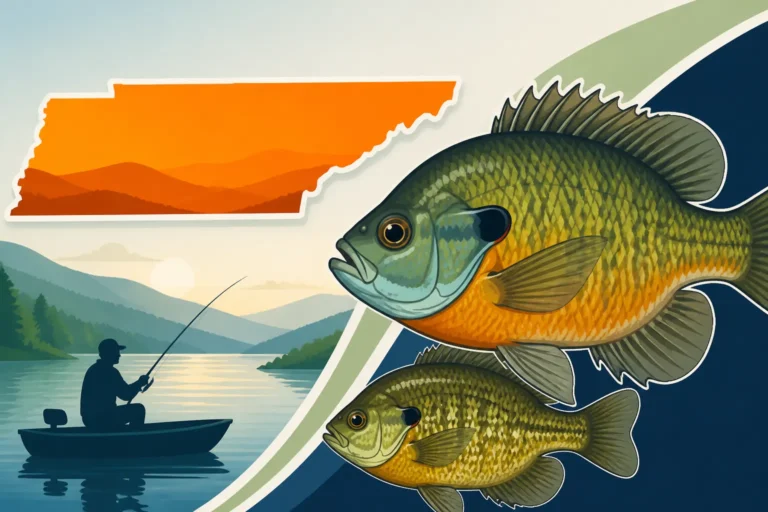
Tennessee bluegill and crappie size expectations help anglers set realistic goals for catching six to eight inch panfish in local waters.
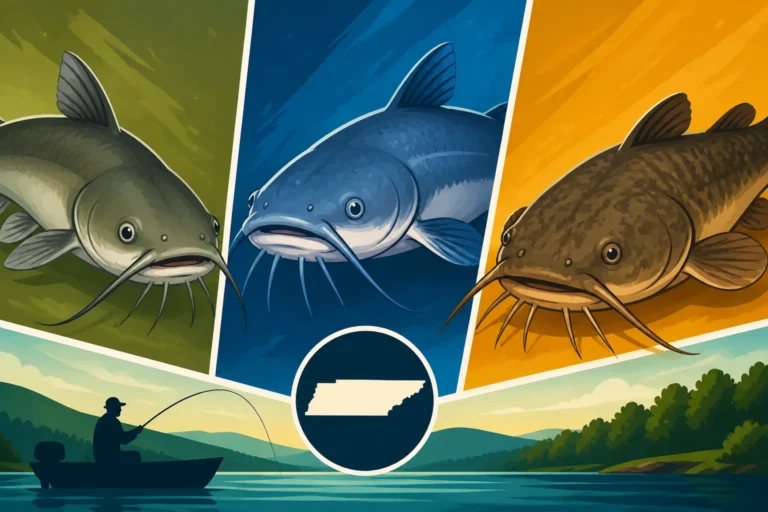
Tennessee catfish species differences, habitats, and traits explained to help anglers target channel, blue, and flathead catfish.
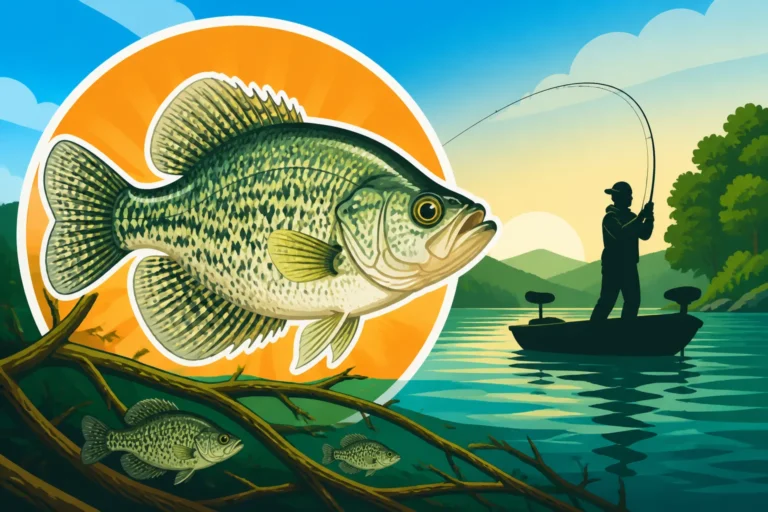
Crappie seasonal behavior in Tennessee lakes explains water temperature triggers and precise locations for catching black and white fish.
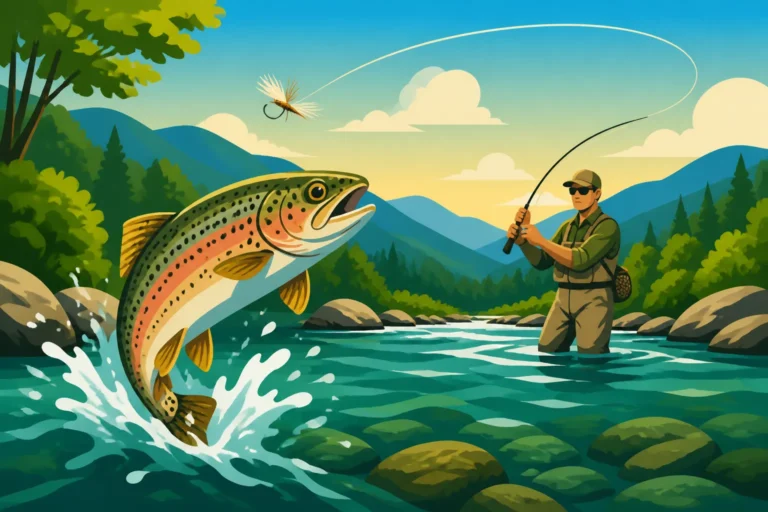
Tennessee trout streams offer fly fishing for rainbow, brown, and brook trout across tailwaters, freestone creeks, and national park rivers.
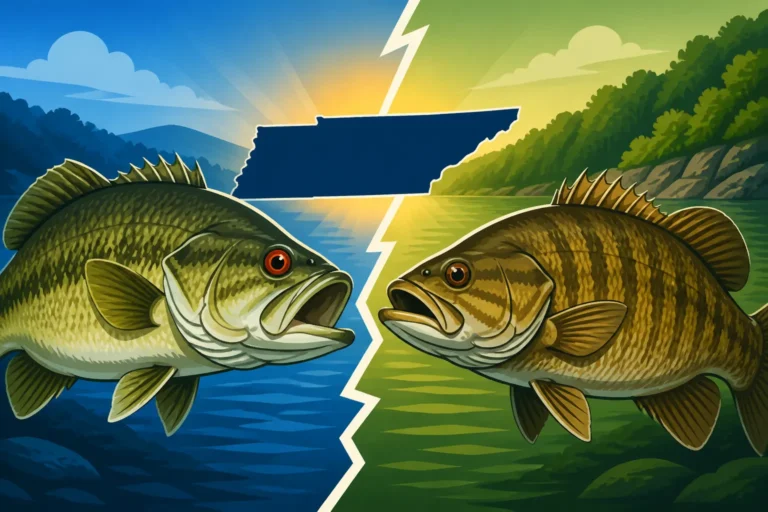
Redeye bass and smallmouth bass identification details, physical differences, habitats, and Tennessee fishing regulations.
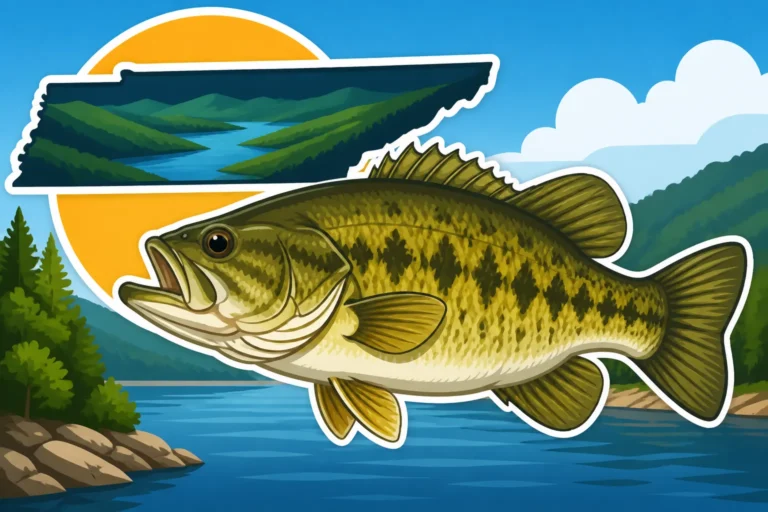
Spotted bass identification in Tennessee reservoirs helps anglers distinguish species and follow local size and creel limits.
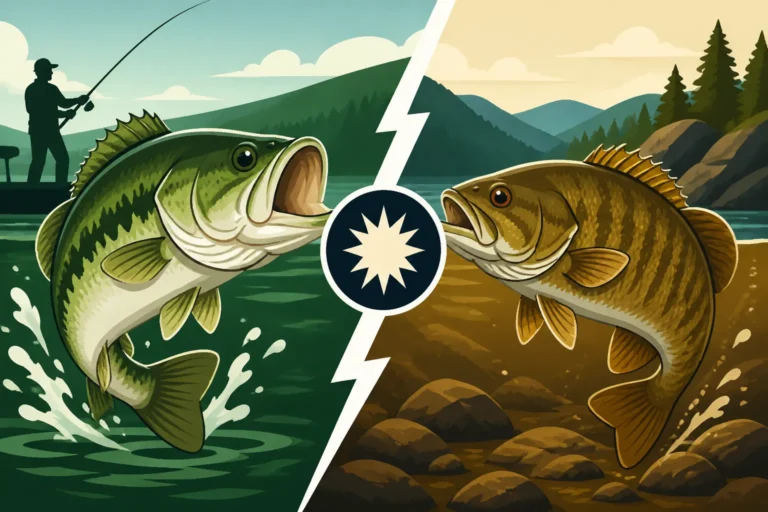
Largemouth and smallmouth bass identification, habitats, and fighting styles help Tennessee anglers target fish correctly.
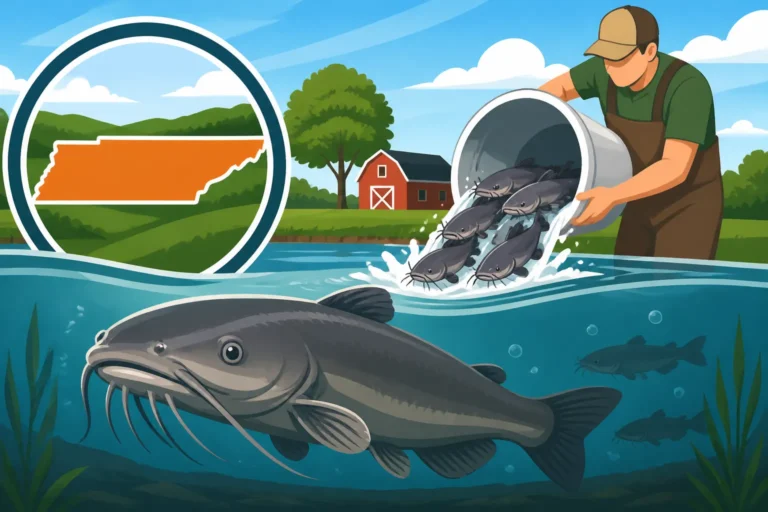
Tennessee farm pond catfish stocking provides adaptable fingerlings, fast growth, sport fishing, and fresh meals with proper water testing.
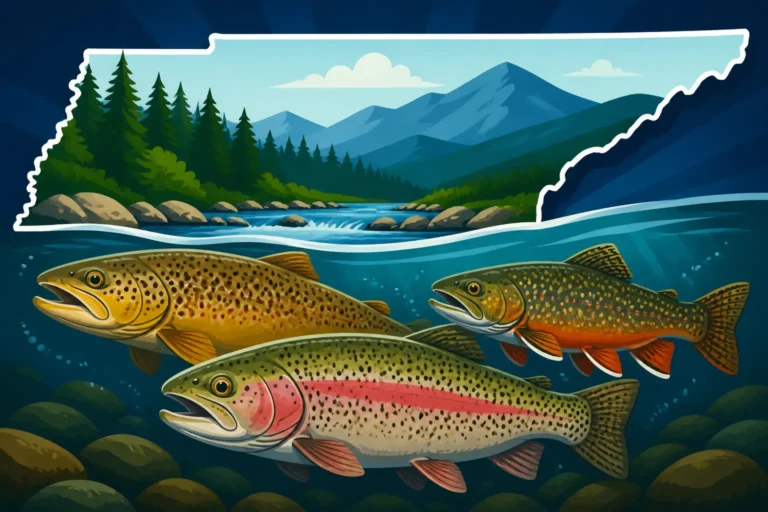
Tennessee cold water trout habitats, oxygen requirements, and fishing techniques across mountain streams and tailwater fisheries.
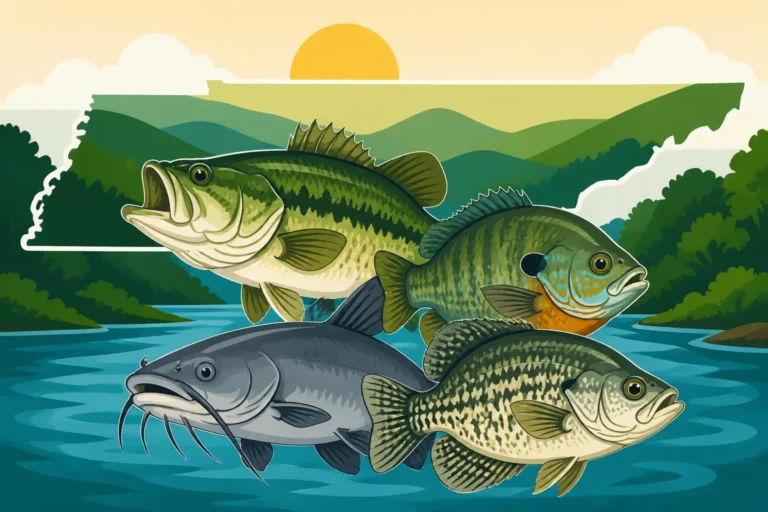
Tennessee warmwater gamefish populations, including bass, crappie, and catfish, thrive in reservoirs and rivers above sixty-five degrees.