How Tennessee’s 291 Native Fish Species Break Down
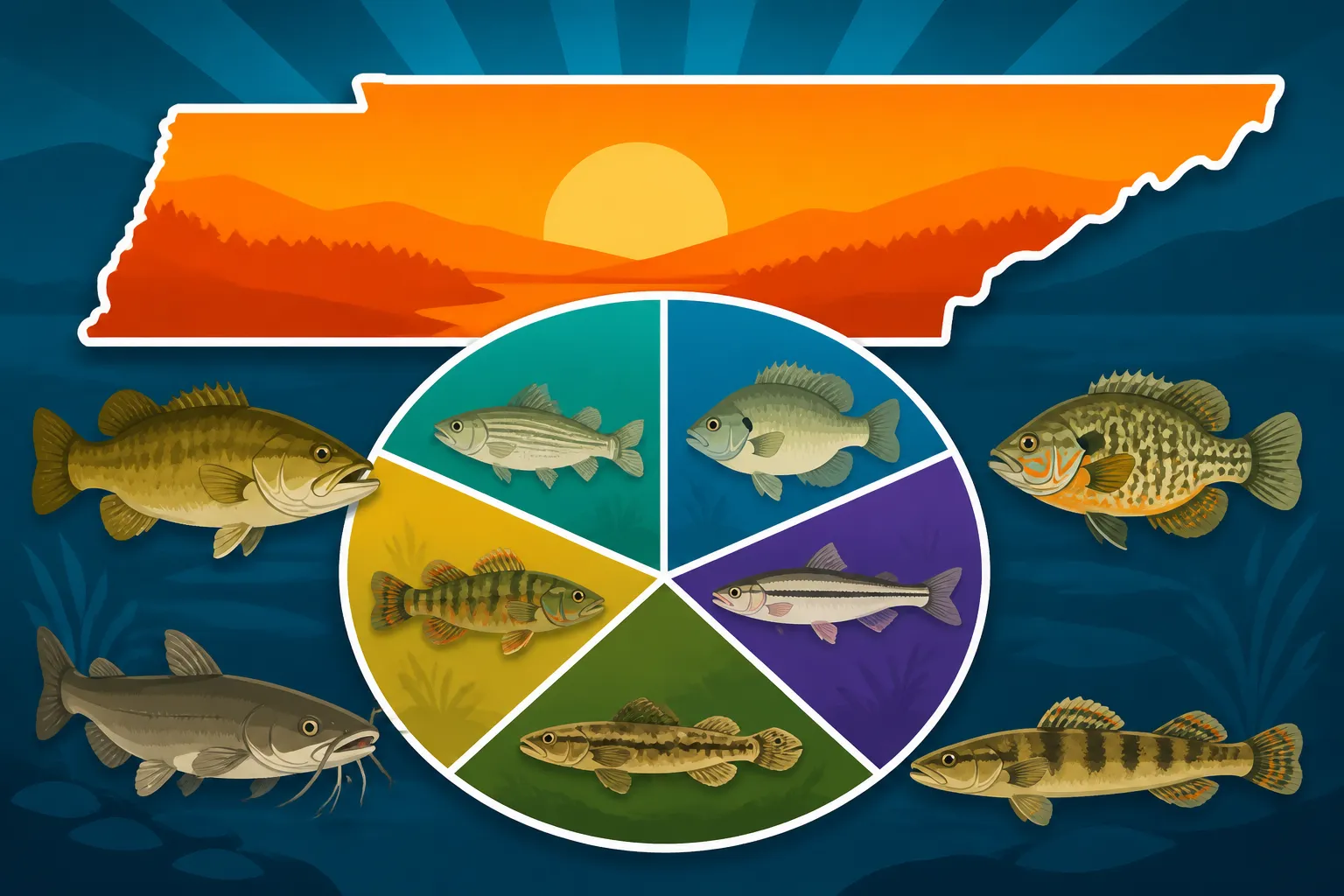
It's easy to think of Tennessee fishing as just chasing after those big largemouth bass on Chickamauga or hauling in crappie on Kentucky Lake, but beneath the surface, our waters hold an incredible, vibrant secret. Most folks don't realize that Tennessee is a biological hotspot, home to a staggering 291 native fish species! This isn't just a number; it's a testament to the diverse habitats we have, from mountain streams to massive reservoirs. This guide will peel back the layers, breaking down this amazing aquatic biodiversity and helping you understand what makes Tennessee's underwater world so special.
The Sheer Diversity: More Than Just Game Fish
When we talk about fishing in Tennessee, our minds often jump to the sport fish – the ones we actively target with rods and reels. But the truth is, the vast majority of our native fish species are not what you'd typically find on a fishing report. They are the unsung heroes of our aquatic ecosystems, forming the base of the food chain, controlling insect populations, and indicating the health of our waterways. Understanding this broader picture truly deepens your appreciation for every ripple and every cast.
Understanding "Native" Species
The term "native" might seem straightforward, but in the world of aquatic biology, it carries a lot of weight. A native fish species is one that has naturally occurred in Tennessee's waters, evolving and adapting to its specific environment over thousands of years, without human intervention for introduction. These are the fish that were here before European settlement, forming a complex, self-sustaining web of life. They are perfectly adapted to our unique geology, climate, and water chemistry.
Why does this matter? Native biodiversity is the bedrock of a healthy ecosystem. When native species thrive, it's a strong indicator that the water quality is good, the habitat is intact, and the entire system is functioning as it should. Conversely, a decline in native species can be a warning sign of environmental stress, pollution, or habitat loss. Protecting these original inhabitants is crucial for the long-term health of our rivers, streams, and lakes, and ultimately, for the future of all fishing in our state. Sometimes, even seemingly small, overlooked species play a monumental role in the big picture.
The Big Picture: Numbers and Categories
So, 291 native fish species – that's a lot to wrap your head around! To put it in perspective, Tennessee boasts one of the highest numbers of freshwater fish species of any inland state in the entire country. It's truly a biological treasure chest. While a significant portion of these are indeed game fish that anglers love to pursue, a much larger segment falls into categories like darters, minnows, shiners, and suckers.
These smaller, often brightly colored, and incredibly diverse groups of fish might not end up on your dinner plate, but they are absolutely essential. They are the primary food source for many of the larger game fish we pursue, cleaning the riverbeds, and helping to cycle nutrients through the ecosystem. Without a healthy population of native forage fish, our popular sport fish populations would struggle significantly. It’s a delicate balance, and every one of those 291 species plays a part in keeping the whole system humming along.
Warmwater Wonders: The Backbone of Tennessee Angling
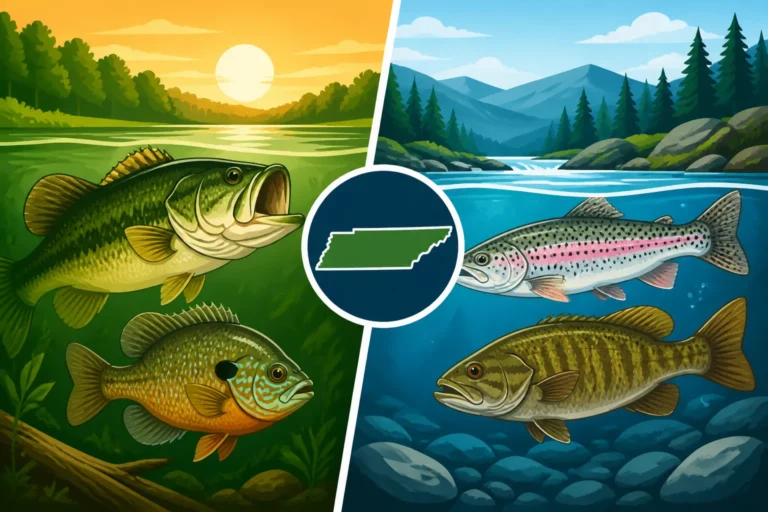
When most anglers think of fishing in Tennessee, their minds immediately go to the incredible warmwater fisheries that dominate many of our major reservoirs and rivers. These waters are home to a phenomenal array of species that thrive in the warmer temperatures, offering diverse angling opportunities for beginners and seasoned pros alike. From powerful bass to abundant panfish, these species truly form the backbone of our recreational fishing scene.
Black Bass Species and Their Relatives
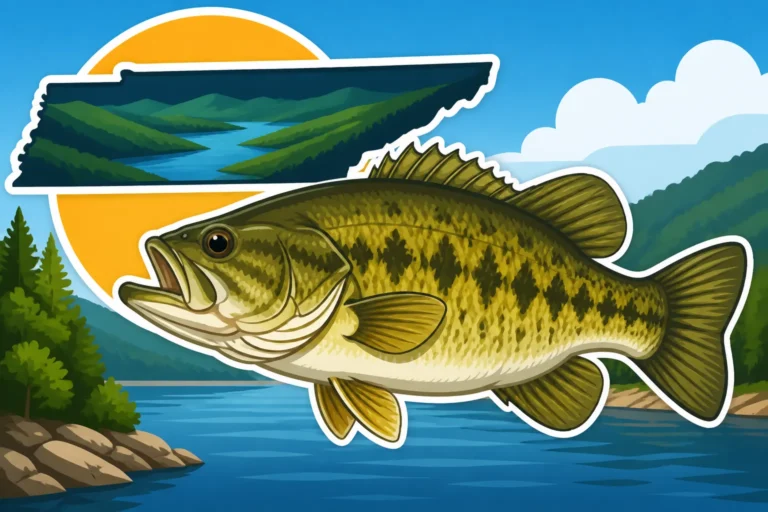
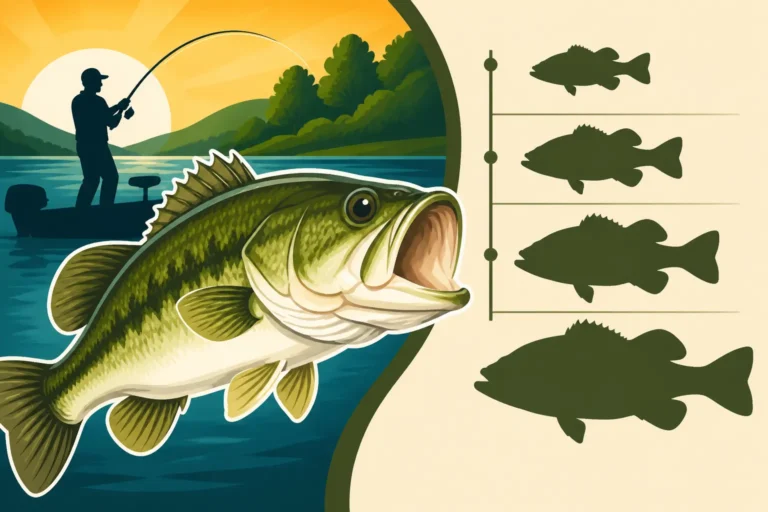
Tennessee is truly a bass angler's paradise, boasting not just one, but several native black bass species that draw enthusiasts from all over. The undisputed king of many of our reservoirs is the Largemouth Bass, known for its aggressive strikes and impressive size, especially on lakes like Chickamauga. Then there's the Smallmouth Bass, Tennessee's official state fish, celebrated for its fierce fighting spirit and preference for cooler, clearer waters in river systems and reservoirs like Dale Hollow. You'll also find Spotted Bass, often mistaken for largemouth, but with distinct markings and a tendency to school in deeper water. And for those seeking a more unique challenge in specific river systems, the Redeye Bass offers a smaller, but equally feisty catch. Each species has its own habitat preferences, making understanding them key to a successful day on the water. For a deeper dive, check out A Complete Guide to Tennessee Bass Species.
Distinguishing between these species can sometimes be a fun challenge. Largemouth have that distinct jaw extending past their eye, while smallmouth jaws typically stop under the eye. Spotted bass have rows of spots on their lower flanks that largemouth lack. Learning these nuances not only helps you correctly identify your catch but also improves your understanding of their behavior and where to find them. Anglers often spend years refining their techniques for each, whether it's throwing topwater lures for largemouth in the shallows or dragging jigs for smallmouth on rocky points. The sheer variety ensures that bass fishing in Tennessee never gets old, always presenting a new puzzle to solve.
Crappie, Sunfish, and Other Panfish
Beyond the exhilarating tug of a bass, Tennessee’s warm waters are teeming with delightful panfish that are perfect for a relaxing day on the water, especially for families and beginner anglers. Black Crappie are incredibly popular, often found schooling around submerged structures like brush piles and fallen timber. Their cousins, the White Crappie, are equally sought after, thriving in murkier waters and offering a similar fantastic fight on light tackle. But the panfish world extends much further!
Bluegill, often simply called "bream," are a quintessential childhood fishing experience, abundant in nearly every pond and lake. They're eager biters, making them ideal for introducing kids to the joy of fishing. You'll also encounter Redear Sunfish, known for their preference for snails and often found near weed beds, and the feisty Green Sunfish, which can tolerate a wide range of water conditions. These panfish are not only fun to catch but also make for excellent table fare. Whether you're jigging for crappie in the spring or dropping a worm for bluegill under a bobber, these species provide consistent action and are a vital part of Tennessee's fishing heritage. If you're looking for more tips on these smaller but mighty fighters, our Bluegill and Panfish Guide for Tennessee Anglers has got you covered.
Catfish: The Bottom Dwellers
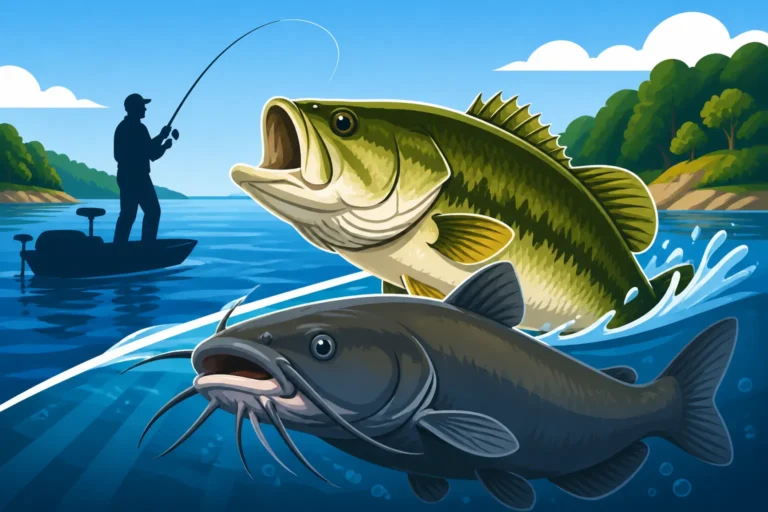
For many anglers, there’s nothing quite like the powerful pull of a big catfish. Tennessee’s rivers and reservoirs are renowned for their robust populations of native bottom dwellers, offering some truly epic fishing experiences. The Channel Catfish is perhaps the most widespread and recognizable, easily identified by its sleek body and forked tail. These opportunistic feeders can be found in a variety of habitats and are a favorite for trotlining, jug fishing, or simply baiting up a bottom rig.
Then you have the true giants of our waters: the Blue Catfish. These behemoths can reach incredible sizes, sometimes weighing over 100 pounds, making them a serious test of an angler's strength and gear. They prefer larger rivers and deep holes in reservoirs, often feeding on smaller fish. Finally, the Flathead Catfish, with its distinctive flat head and mottled brown color, is a solitary, ambush predator that favors woody cover and live bait. While all three are delicious, targeting the larger blue and flathead requires specialized tackle and patience. Many dedicated catfish anglers find essential gear for these pursuits, from heavy-duty rods to specialized hooks, on platforms like Amazon before their big trips. These powerful fish offer a completely different kind of challenge and reward, making them a cherished part of Tennessee’s diverse fishery. For a deeper look into these fascinating creatures, read our Catfish Species Found in Tennessee Waters.
Cold-Water Gems: Tennessee's Trout Heritage
While the warmwater species get a lot of attention, Tennessee also harbors a precious cold-water heritage, particularly in its eastern mountain regions. These pristine streams and rivers, fed by snowmelt and cold springs, create the perfect habitat for trout. When we talk about native fish, it’s crucial to distinguish between our truly indigenous species and those that have been introduced, even if they've become well-established and beloved by anglers.
Native Brook Trout
The Brook Trout is Tennessee's only truly native trout species, a vibrant jewel found in the highest, coldest, and most pristine headwater streams of the Appalachian Mountains. These beautiful fish, often characterized by their striking vermiculation patterns (worm-like markings) on their backs and brilliant red spots bordered by blue halos, are a true indicator of unspoiled wilderness. They are relatively small compared to their introduced cousins, rarely exceeding a foot in length, but their fierce fight and stunning beauty make them a prized catch for fly anglers and conservationists alike.
Catching a native brook trout is more than just fishing; it's an experience of connecting with an ancient, wild ecosystem. These sensitive fish require exceptionally clean, cold, and oxygen-rich water, making them highly vulnerable to habitat degradation, pollution, and rising water temperatures. Conservation efforts are paramount to their survival, focusing on protecting their delicate stream habitats within areas like the Great Smoky Mountains National Park and other designated wilderness areas. For more on these incredible fish, delve into Brook Trout in Tennessee's Cold-Water Streams.
Introduced Rainbow and Brown Trout
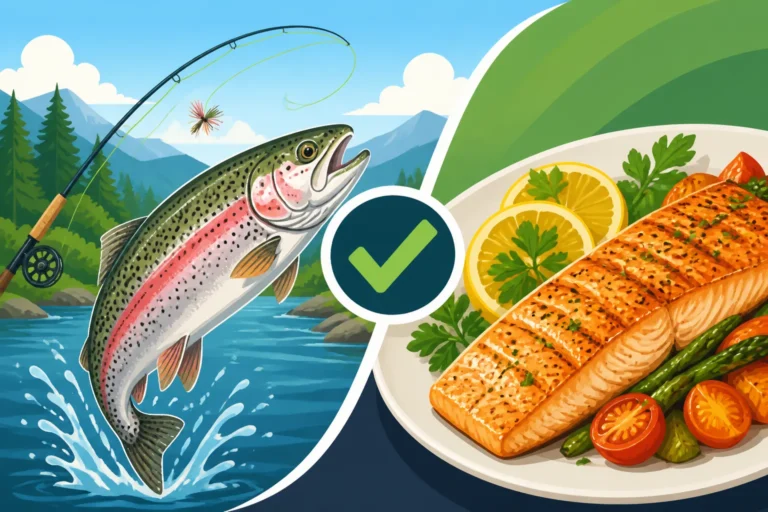
While the Brook Trout is our native cold-water resident, the Rainbow Trout and Brown Trout are not indigenous to Tennessee. They were introduced to our waters decades ago and have since become incredibly popular sport fish, thriving in the colder tailwaters below dams and in many stocked streams throughout the state. Rainbow trout, originally from the Pacific Northwest, are known for their vibrant iridescent stripe and acrobatic jumps when hooked. They are extensively stocked by the Tennessee Wildlife Resources Agency (TWRA) to provide ample angling opportunities, especially in larger, easily accessible streams and reservoirs.
Brown trout, on the other hand, originate from Europe and are revered for their elusive nature, larger size potential, and beautiful golden-brown coloration. They are more tolerant of slightly warmer water than brook trout and often grow to trophy sizes in the larger rivers like the Clinch River tailwater. While these species are not native, they are a significant and cherished part of Tennessee's cold-water fishery, providing fantastic angling recreation. Anglers often pursue them with different techniques, from spin fishing with artificial lures to delicate fly fishing with nymphs and dry flies. The Tennessee Trout Guide: Rainbow, Brown, and Brook Trout offers a comprehensive overview of these species and how to target them.
The Lesser-Known but Vital Fish Families
Beyond the charismatic game fish that dominate the fishing headlines, Tennessee's waters are bustling with hundreds of other native species that, while often overlooked by anglers, are absolutely crucial to the health and functioning of our aquatic ecosystems. These fish might not provide the thrill of a trophy catch, but they perform essential roles, from cleaning the environment to serving as a primary food source for almost everything else that swims.
Darters, Minnows, and Shiners
This group represents the vast majority of Tennessee's native fish diversity, and they are truly fascinating. Darters, for example, are small, bottom-dwelling fish named for their characteristic darting movements. Tennessee is home to an incredible number of darter species, many of which are endemic, meaning they are found nowhere else in the world. Each species often has specific habitat requirements, from swift riffles to quiet pools, and their presence is a strong indicator of excellent water quality and healthy stream ecology. They come in a dazzling array of colors and patterns, especially during spawning season, making them a favorite among fish enthusiasts and researchers.
Minnows and shiners, while often lumped together as "bait fish," are also incredibly diverse and play a critical role as primary consumers and forage for larger predators. They graze on algae and small invertebrates, helping to keep streams clean, and then become a vital food source for bass, crappie, and even some trout species. Imagine a healthy bass lake without a robust population of shiners – it just wouldn't be the same! From the Tennessee Shiner to the various creek chubs, these small but mighty fish are the unsung heroes maintaining the balance of our aquatic world.
Suckers, Carp, and Gar
These fish families might not always win beauty contests or the top spot on an angler's bucket list, but they contribute significantly to the biodiversity and ecological balance of Tennessee's waters. Suckers, with their downward-pointing mouths, are nature's vacuum cleaners, sifting through bottom sediments for food. Species like the River Redhorse or the various carpsuckers are common in our larger rivers and reservoirs. While not traditionally targeted by many sport anglers, they provide a unique challenge for those seeking something different, and their health reflects the quality of the benthic (bottom) environment.
Common Carp, an introduced species from Europe, have certainly made their mark in Tennessee, but there are also native carp-like species and other robust bottom feeders. Then there are the gars – toothy, ancient-looking predators that lurk in the calmer, often shallower parts of our lakes and rivers. Longnose Gar and Spotted Gar are two common species, characterized by their elongated, tooth-filled jaws and armored bodies. They are formidable predators and a true testament to the primeval nature of some of our waterways. While often perceived as "rough fish," they are a vital part of the food web, controlling populations of other fish. They can be incredibly challenging and exciting to catch, requiring specialized techniques and gear.
How TWRA Manages and Protects This Diversity
Managing a state with such immense aquatic biodiversity is no small feat. The Tennessee Wildlife Resources Agency (TWRA) plays a critical role in balancing the demands of recreational anglers with the paramount need for conservation and protection of our native fish species. It's a complex dance between supporting popular sport fisheries and safeguarding the ecological integrity of our unique aquatic habitats.
Stocking vs. Conservation of Native Species
One of the most visible aspects of TWRA's management is its stocking programs. They routinely stock popular game fish like Rainbow Trout, Walleye, and certain Black Crappie strains into appropriate waters to enhance recreational opportunities and ensure a robust harvest for anglers. These programs are often designed to supplement populations where natural reproduction is limited or to create put-and-take fisheries in specific locations. However, it's a careful balance. Stocking is primarily done for introduced species or for native species in environments where their genetic integrity won't be compromised.
On the flip side, TWRA dedicates significant resources to the conservation of our truly native species, especially those that are rare, endangered, or highly sensitive to environmental changes. This involves extensive research into fish populations, habitat restoration projects (like improving water quality, removing barriers, or restoring natural stream flows), and implementing protective regulations. For instance, specific stretches of streams might have special restrictions to protect native Brook Trout populations. The goal is always to maintain healthy, self-sustaining populations of our indigenous fish, recognizing their irreplaceable value to Tennessee's natural heritage. Understanding these Tennessee Fishing Regulations Explained is key for every angler.
Angler's Role in Protecting Native Fish
As anglers, we are on the front lines of conservation. Our actions, both on and off the water, have a direct impact on the health of Tennessee's fish populations, especially its native species. One of the most important things we can do is practice responsible angling. This includes knowing and adhering to all catch limits and size restrictions, especially for sensitive species. For those fish you intend to release, mastering proper catch-and-release techniques is crucial to ensure their survival. Minimizing handling time, using barbless hooks, and avoiding contact with dry surfaces can make a huge difference.
Beyond the immediate catch, anglers can contribute by being vigilant against the spread of invasive species, such as zebra mussels or non-native aquatic plants, which can outcompete or disrupt native ecosystems. Always clean, drain, and dry your boats and gear before moving between different bodies of water. Furthermore, supporting conservation initiatives and understanding the importance of preserving habitat are vital. Even something as simple as choosing eco-friendly fishing line or tackle, readily available on platforms like Amazon, can make a small but collective difference. Every angler has a role to play in protecting the incredible diversity of Tennessee's native fish, ensuring that future generations can also experience the wonder of our vibrant waters.
Breaking Down Tennessee's Native Fish Diversity
To help illustrate the incredible range of native fish species found in Tennessee, let's look at a simplified breakdown by their primary ecological role and some common examples. This table highlights how diverse our aquatic life truly is, far beyond just the fish we typically cast a line for.
| Ecological Role | Description | Common Native Examples | Angler Interest Level |
|---|---|---|---|
| Primary Game Fish | Highly sought after by anglers for sport and food. | Largemouth Bass, Smallmouth Bass, Channel Catfish, Black Crappie | Very High |
| Panfish/Forage | Smaller fish, often targeted by beginners, crucial food source for larger fish. | Bluegill, Redear Sunfish, Green Sunfish, various Minnows & Shiners | High (for panfish), Low (for pure forage fish) |
| Bottom Dwellers | Fish that feed along the riverbed, often large. | Blue Catfish, Flathead Catfish, River Redhorse (sucker species) | Medium to High (especially for trophy catfish) |
| Cold-Water Natives | Require pristine, cold water habitats. | Brook Trout (Tennessee's only native trout) | High (especially fly anglers, highly protected) |
| Darters & Small Stream Fish | Small, often colorful fish inhabiting riffles and runs; ecosystem indicators. | Tennessee Darter, Saffron Darter, Logperch, various Madtoms | Low (primarily for scientific observation/enthusiasts) |
| Rough Fish / Other | Diverse group, sometimes large, with unique adaptations. | Longnose Gar, Spotted Gar, various types of suckers | Medium (for gar, bowfishing), Low (for most suckers) |
Disclaimer
This article is for general informational purposes only and does not constitute professional advice. Laws, prices and regulations vary by location and change over time. Consult a qualified professional for guidance on your specific situation.