Best Rivers for Smallmouth Bass Fishing in Tennessee
Finding a river in Tennessee where you can consistently hook into feisty smallmouth bass can sometimes feel like chasing a ghost. Many anglers know the thrill of these hard-fighting fish, but pinpointing the best stretches of water, understanding their habits, and having the right gear can make all the difference between a frustrating day and a memorable one. This guide is dedicated to helping you unlock the secrets of Tennessee's premier smallmouth bass rivers, offering detailed insights into where to go, what to use, and how to fish effectively to maximize your chances of success.
Why River Smallmouth Are a Prized Catch in Tennessee
For many, the smallmouth bass is the ultimate freshwater game fish, especially when found in its natural riverine environment. There's something truly special about the bronze backs that inhabit Tennessee's flowing waters, offering an experience that differs significantly from their lake-dwelling cousins.
The Thrill of the Fight and Unique Habitat
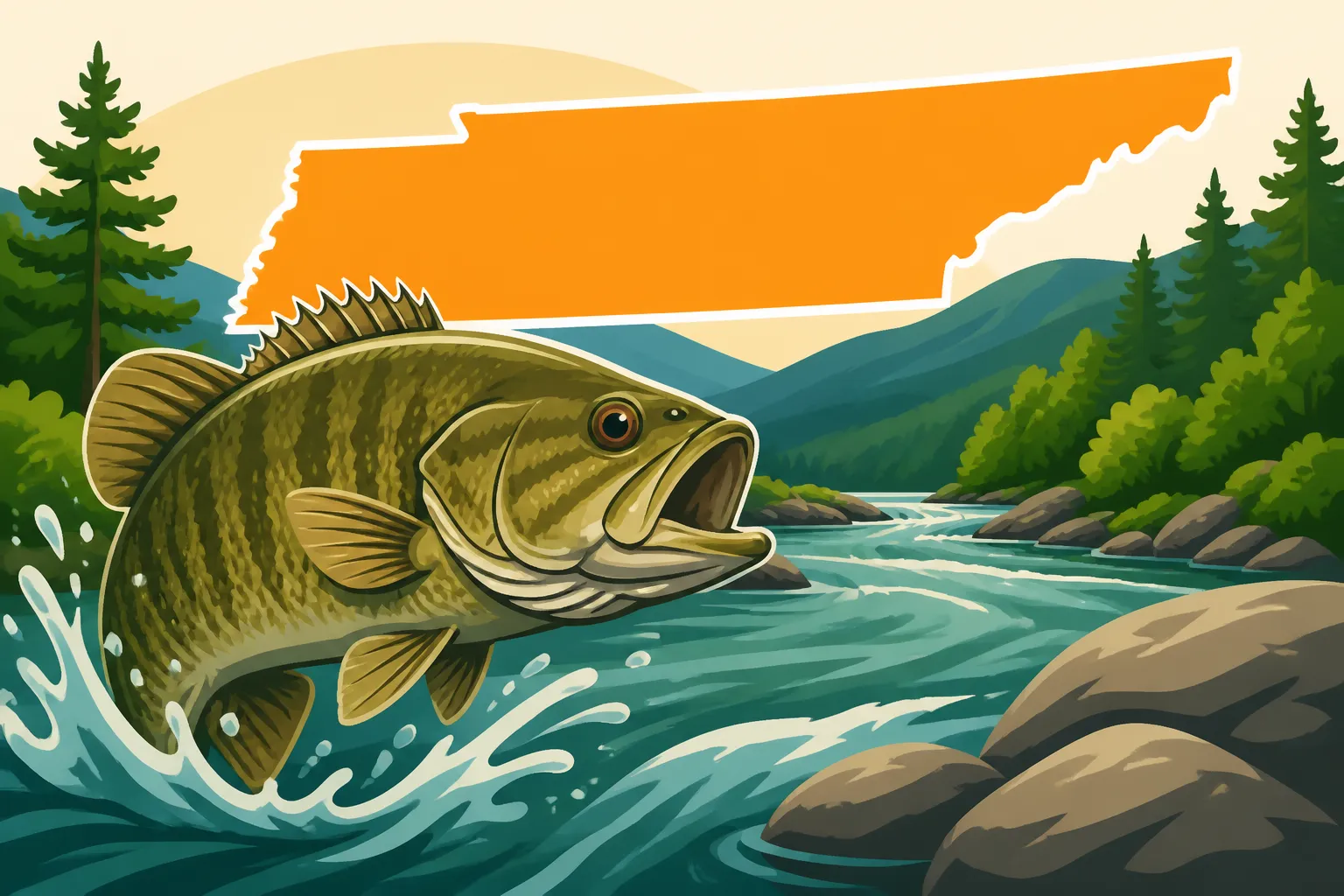
River smallmouth bass are legendary for their incredible fighting spirit. Hook into one, and you’re in for an acrobatic display of jumps, powerful runs, and head shakes that will test your tackle and skill. They are lean, muscular, and perfectly adapted to the constant current, making every catch a well-earned victory. Unlike largemouth bass that prefer slower, weedier waters, smallmouth thrive in moving water, gravitating towards clear, cool flows with abundant rock structure.
Their habitat is a mosaic of riffles, runs, and pools, often characterized by gravel, cobble, and large boulders. This rocky bottom provides excellent cover, ambush points for prey, and a prime environment for the crayfish and baitfish that make up the bulk of their diet. Understanding this preference for current and structure is key to consistently finding them. They are indeed a magnificent species, and it's no wonder that Smallmouth Bass: Tennessee's Official State Fish holds a special place in the hearts of anglers across the state.
Reading the River: Key to Finding Smallmouth
Successfully targeting river smallmouth isn't just about casting randomly; it's about "reading the water" and understanding where these fish position themselves. Smallmouth are incredibly efficient at conserving energy while maximizing their feeding opportunities. This means they'll position themselves just out of the main current, in a seam, behind a boulder, or within an eddy, waiting for food to drift by.
Look for areas where the current changes—a noticeable seam where fast water meets slow, the downstream side of large rocks, or deep pockets behind fallen trees. These current breaks create ideal ambush points. Riffles and rapids also push food into deeper pools, making the heads and tails of these pools productive areas. Tributary mouths, especially after a rain, can be hotspots as they bring in fresh water and nutrients. Pay attention to water clarity; clearer water usually means smallmouth are more visually oriented and will hold tighter to structure. Learning Where Do Smallmouth Bass Live in Tennessee? in different river conditions is a skill that develops with experience but starts with keen observation.
Top Tennessee Rivers for Smallmouth Bass
Tennessee is blessed with an abundance of diverse waterways, and several rivers stand out as prime destinations for smallmouth bass anglers. Each offers a unique experience, from serene wade-fishing opportunities to exhilarating float trips.
The Holston River System
The Holston River system, particularly its various forks (South Fork, Middle Fork, and North Fork), is arguably one of Tennessee's most renowned smallmouth fisheries. Flowing through East Tennessee, these rivers offer stunning scenic beauty and boast robust populations of smallmouth, often with the potential for trophy-sized fish. The water is generally clear, cool, and highly oxygenated, creating perfect conditions for bronze backs.
Access along the Holston can vary. There are numerous public access points and boat ramps, especially below dam releases, but many stretches are best fished by wading or floating. Wade fishing the shoals and runs can be incredibly productive, but always be mindful of rapidly changing water levels, especially below hydropower dams. Float trips in kayaks or canoes allow you to cover more water and reach less-pressured sections. While the upper reaches are famous for trout, the smallmouth thrive as the water warms and the river broadens, offering a fantastic transition fishery.
The French Broad River
Winding its way through East Tennessee, the French Broad River is another exceptional smallmouth bass destination. This river offers a diverse angling experience, ranging from faster, rock-strewn sections to broader, deeper pools. It’s a fantastic river for both dedicated wade fishing and longer float trips, accommodating canoes, kayaks, and small jon boats. The river's character changes as you move downstream, providing varied challenges and opportunities.
Anglers on the French Broad can expect to encounter plentiful smallmouth holding around its numerous boulders, ledges, and submerged timber. The river is often slightly stained but typically clear enough for visual fishing. Many anglers report strong action during the warmer months, but the fishing can be excellent through spring and fall. Beyond smallmouth, the French Broad also holds good populations of redeye bass and spotted bass, making for a diverse catch. It's a truly beautiful river, offering a classic Appalachian river fishing experience.
The Clinch River (Lower Section)
While the upper section of the Clinch River is world-famous for its pristine trout fishing due to cold tailwater releases, the lower Clinch offers an equally compelling, yet different, opportunity for smallmouth bass. As the water flows further from Norris Dam and begins to warm, the ecosystem transitions, and smallmouth bass become the dominant game fish. This transition zone and the warmer downstream sections are where you'll want to focus your efforts for smallmouth.
The lower Clinch provides a mix of shallower runs and deeper holes, often with substantial rock and gravel bars. It's accessible by boat, float, and even some bank fishing areas. The smallmouth here are robust and respond well to a variety of tactics. This river truly showcases how diverse Tennessee's waterways can be, offering prime trout fishing in one stretch and excellent smallmouth action just a few miles downstream. Understanding Tennessee Smallmouth Bass Fishing Season often means knowing which sections of a river are best at different times of the year.
Other Notable Rivers and Considerations
Tennessee boasts many other excellent rivers for smallmouth bass, each with its own charm and challenges. The Nolichucky River in East Tennessee, with its rugged beauty and some whitewater sections, offers fantastic smallmouth fishing for those willing to brave a more adventurous float. The Elk River in Middle Tennessee is known for its clear waters and abundant smallmouth, often providing great wading opportunities. Further west, the Duck River is another gem, renowned for its diverse aquatic life and healthy smallmouth populations, often more accessible for beginners due to gentler currents.
Before heading out to any of these rivers, always check the current water levels and flow rates, especially after heavy rains or planned dam releases. Conditions can change rapidly, impacting safety and fishing success. A simple online search for local river gauges can provide crucial real-time information.
To give you a quick overview of some of these fantastic smallmouth rivers, here's a helpful table:
| River Section | Primary Access Method | Typical Fish Size | Best Season | Key Features |
|---|---|---|---|---|
| Holston River (Forks) | Wade, Float | 1-3 lbs (trophy potential) | Spring, Fall | Clear, rocky, cold water; excellent current |
| French Broad River | Float, Wade | 1-4 lbs (trophy potential) | Spring, Summer, Fall | Diverse structure, scenic, larger river |
| Clinch River (Lower) | Boat, Float, Bank | 1-3 lbs | Summer, Fall | Warmer sections, good for mixed species |
| Nolichucky River | Float (whitewater) | 1-2 lbs | Summer, Fall | Wilderness feel, challenging access |
| Duck River | Wade, Float | 1-3 lbs | Spring, Summer | Gentle current, good for beginners, abundant |
Techniques, Baits, and Gear for River Smallmouth
Successfully hooking into river smallmouth requires a combination of the right techniques, appropriate baits, and reliable gear. These fish are opportunistic feeders but can also be particular, especially in clear water.
Go-To Lures and Baits
When it comes to tempting river smallmouth, you want to mimic their natural forage, which primarily consists of crayfish, various minnow species, and aquatic insects like hellgrammites.
- Soft Plastics: These are often the bread and butter for river smallmouth.
- Tubes: Smallmouth absolutely love tube jigs. Greens, browns, and pumpkinseed colors are highly effective. Rig them on an internal jig head and drag, hop, or swim them along the bottom to imitate a fleeing crayfish.
- Grubs: Single-tail or double-tail grubs on a small jig head are simple yet deadly. Cast them upstream and let them tumble naturally with the current, retrieving just fast enough to keep the tail working.
- Ned Rigs: These finesse rigs, particularly Z-Man Finesse TRDs, are fantastic when the bite is tough or in highly pressured waters. They stand up off the bottom, presenting a subtle, enticing target. You can find a huge variety of soft plastics from reputable brands on Amazon.
- Hard Baits:
- Crankbaits: Small, shallow-diving crankbaits (square bills are excellent) that deflect off rocks are incredibly effective. Look for natural patterns that resemble crayfish or shad. Medium-diving crankbaits can reach deeper pools and runs.
- Jerkbaits: In clear water, suspending jerkbaits can draw strikes from wary smallmouth. A twitch-twitch-pause retrieve is often irresistible.
- Topwater Lures: For explosive, heart-stopping action, nothing beats topwater. Poppers, walk-the-dog baits, and prop baits can be deadly during low light conditions (early morning, late evening) or on overcast days. The key is to work them erratically, mimicking a struggling baitfish.
- Live Bait: When all else fails, live bait is often the answer. Crayfish, shiners, and nightcrawlers can be incredibly effective, especially fished on a simple Carolina rig or under a bobber in slower pools. Best Bait for Smallmouth Bass in Cold Water will often include live bait, as well as slow-moving artificials.
Rods, Reels, and Line for River Action
Your gear choice can significantly impact your success and enjoyment. For river smallmouth, versatility and sensitivity are paramount.
- Rods: A medium-light to medium power spinning rod, typically 6'6" to 7'0" in length, is ideal. This range provides enough backbone to fight strong fish in current, yet enough tip sensitivity to cast lighter lures and detect subtle bites. For those who prefer baitcasting, a light action baitcaster with similar specs can also be effective for slightly heavier jigs or small crankbaits.
- Reels: Pair your rod with a high-quality spinning reel in the 2000-3000 size range. Smooth drag and reliable retrieves are essential when fighting fish in current. If using a baitcaster, opt for a reel with a good braking system for accurate casting of lighter lures. Best Rods and Reels for Tennessee Smallmouth Bass can be found at most sporting goods stores or online.
- Line: Spool your spinning reel with 6-10 lb fluorocarbon line or a braided line (10-15 lb test) with a 6-10 lb fluorocarbon leader. Fluorocarbon offers low visibility and good abrasion resistance for rocky environments. Braid provides superior casting distance and sensitivity, and the leader maintains stealth. The abrasion resistance of your line is especially important when you consider How to Catch Smallmouth Bass in Rocky Streams.
- Accessories: Don't forget polarized sunglasses (crucial for spotting fish and structure), a good pair of pliers or forceps for hook removal, and a comfortable fishing vest or backpack for carrying tackle and water. Many anglers assemble their ideal river fishing kit by browsing the extensive selections on Amazon.
Wading and Floating Strategies
How you approach the river determines your access and the techniques you'll employ.
- Wading: Wade fishing is an intimate way to experience river smallmouth. Invest in sturdy wading boots (felt or studded soles offer the best grip on slippery rocks) and a reliable wading staff for safety and balance in current. Always shuffle your feet to avoid disturbing the bottom too much and to identify sudden drops or obstacles. Focus on working upstream, casting into current breaks and slowly retrieving. Pay close attention to current seams and submerged cover.
- Floating: Kayaks, canoes, or small drift boats are excellent for covering long stretches of river, especially on larger waters like the French Broad or Holston. This allows you to reach less-pressured areas and fish a variety of habitats as you drift downstream. Always wear a PFD (Personal Flotation Device), understand river hazards like strainers (fallen trees) and rapids, and plan your put-in and take-out points carefully. Many anglers find high-quality inflatable PFDs and dry bags suitable for river adventures on Amazon. A float trip often gives you the advantage of hitting multiple Best Fishing Lakes in Tennessee correction, should be rivers on the same trip!
Responsible Angling and Conservation for Smallmouth Rivers
The health of Tennessee's smallmouth bass rivers depends on the responsible actions of every angler. Practicing ethical angling ensures that these incredible fisheries remain vibrant for generations to come.
Catch and Release Practices
While Tennessee does have harvest regulations, many dedicated smallmouth anglers choose to practice catch and release, especially for larger breeding-size fish. These bigger fish are crucial for the sustainability of the population. When practicing catch and release:
- Handle Fish Minimally: Avoid touching the fish with dry hands, as this can remove their protective slime coat. If you must handle them, wet your hands first.
- Use De-barbed Hooks: Crimp down the barbs on your hooks. This makes hook removal quicker and less damaging to the fish.
- Quick Release: Get the fish back in the water as quickly as possible. If it's struggling, hold it gently upright in the current until it swims away on its own.
- Consider Photography: If you take a photo, do so quickly and keep the fish wet. Never hold a fish by the gills or vertically by the jaw without supporting its body.
- Always be aware of Tennessee's Smallmouth Bass Limit Explained and follow all state regulations, even if you plan on releasing your catch. These rules are in place for the health of the fishery.
Protecting River Habitats
The beauty and productivity of our rivers are fragile. As anglers, we are stewards of these natural resources.
- Leave No Trace: Pack out everything you pack in, and perhaps even a little extra trash you find. Litter can be harmful to wildlife and detracts from the natural beauty of the river.
- Respect Riparian Zones: Avoid trampling vegetation along the riverbanks, as this can lead to erosion and habitat degradation. Stick to established trails and access points.
- Mind Spawning Areas: During spawning season (typically late spring to early summer), smallmouth bass build nests on gravel beds. Avoid disturbing these areas, as doing so can significantly impact reproductive success.
- Support Conservation: Consider joining or donating to local conservation groups dedicated to river health and coldwater fisheries. These organizations often play a vital role in habitat restoration, cleanups, and advocating for responsible land and water management. Understanding broader topics like Tennessee Fishing Regulations Explained can give you context for why these conservation efforts are so vital.
By embracing these responsible angling practices, we can all contribute to ensuring that the best rivers for smallmouth bass fishing in Tennessee continue to thrive and offer incredible opportunities for years to come.
Disclaimer
This article is for general informational purposes only and does not constitute professional advice. Laws, prices and regulations vary by location and change over time. Consult a qualified professional for guidance on your specific situation.