Tennessee Fishing Season and Catch Limits
Navigating Tennessee's fishing regulations can sometimes feel like trying to untangle a snarled fishing line—confusing, frustrating, and leaving you wishing for a simpler solution. But understanding the ins and outs of fishing seasons and catch limits isn't just about avoiding a citation from a game warden; it's truly about protecting our incredible natural resources and ensuring that the next generation of anglers gets to enjoy the same fantastic fishing we do. This comprehensive guide will unravel the complexities of Tennessee's fishing calendar and help you confidently understand the limits for all your favorite species, so you can spend less time worrying about rules and more time making memories on the water.
The Foundation of Tennessee Fishing Regulations
Before we dive into the nitty-gritty of specific species, it's really important to understand why we have these rules in the first place. These aren't just arbitrary numbers dreamed up to make your life harder. They are carefully crafted by wildlife biologists and conservationists at the Tennessee Wildlife Resources Agency (TWRA) to ensure the long-term health and sustainability of our fisheries. Without these regulations, overfishing could quickly deplete fish populations, leading to fewer fish, smaller fish, and ultimately, a much less enjoyable fishing experience for everyone.
Why Regulations Are Essential for Sustainable Fishing
Think about it: if everyone kept every fish they caught, regardless of size or quantity, many species wouldn't stand a chance. The regulations on Tennessee fishing are designed to allow fish populations to reproduce, grow, and maintain a healthy balance within their ecosystems. This balance means that you, your kids, and even your grandkids can continue to enjoy the thrill of a bending rod and a strong fight. It's about ensuring a thriving ecosystem where fish can prosper, which in turn benefits all the other wildlife that depend on these aquatic environments. It's a delicate dance between giving anglers opportunities and safeguarding the future.
Balancing Angler Enjoyment and Conservation Efforts
The TWRA walks a fine line, constantly balancing the desire of anglers to catch and keep fish with the critical need for conservation. They use scientific data, angler surveys, and environmental studies to make informed decisions. Sometimes, limits might seem restrictive, but they're always in place for a good reason – to prevent depletion, protect spawning fish, or allow juvenile fish to reach a more reproductive age. It’s a dynamic system, and regulations can change based on the health of a particular fishery, environmental factors, or new research findings. This adaptability is what keeps our waters productive year after year. For a broader overview of all the rules, be sure to check out our detailed guide on Tennessee Fishing Regulations Explained.
General Fishing Season in Tennessee
One of the great things about fishing in Tennessee is that, for most species, the season is open year-round. This means you don't have to pack away your gear for months on end, eagerly awaiting a specific "opening day." However, while the calendar might be forgiving, nature itself has its own seasons, and fish behavior changes dramatically throughout the year. Understanding these natural cycles can often be more important than strict calendar dates for planning your trips.
Tennessee's Mostly Year-Round Fishing Opportunities
For common sport fish like bass, crappie, and catfish, you can typically cast a line any day of the year, provided you have your valid Tennessee Fishing License Guide. This continuous access is a huge perk for local anglers and visitors alike. Whether it's a brisk winter day targeting deep-holding catfish on Kentucky Lake, or a warm summer evening chasing topwater bass on Chickamauga, the opportunities are there. This flexibility allows anglers to fish when it best suits their schedule and preferred techniques, making fishing a truly accessible pastime in the Volunteer State. You'll find specific daily creel and size limits apply at all times, rather than restrictive "open" or "closed" seasons for most species.
Special Seasonal Considerations for Specific Species
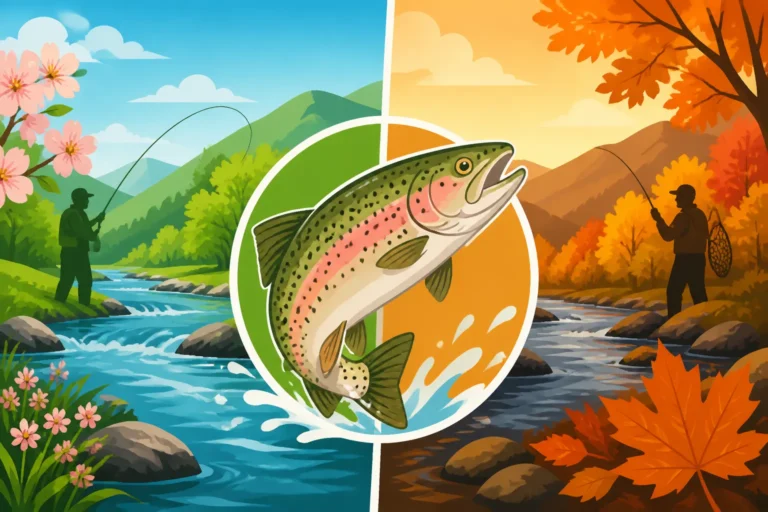
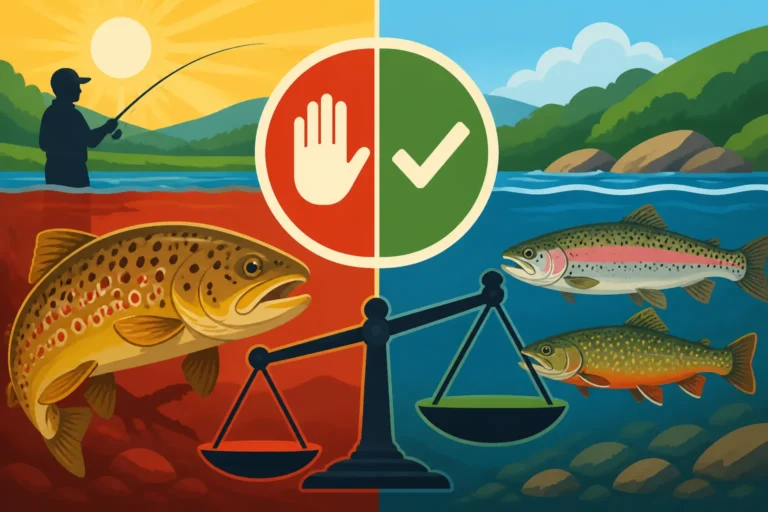
While many species are available year-round, there are crucial seasonal considerations, especially when it comes to trout. Tennessee has a vibrant trout program, but these cold-water species require more careful management. For example, some trout streams have different regulations depending on whether it's the "summer" season (March through September) or the "winter" season (October through February). These changes often involve different daily limits or even specific lures and bait restrictions to protect vulnerable populations. Always consult the most current TWRA regulations for the specific body of water you plan to fish, especially if targeting trout. Our Tennessee Trout Fishing Season Explained article goes into much greater detail on these nuances.
Navigating Tennessee's Bass Fishing Limits
Bass fishing in Tennessee is legendary, particularly for largemouth bass, but smallmouth, spotted, and Alabama bass also provide incredible action. With such diverse species, it's easy to get them confused, and even easier to get the regulations mixed up. The limits are designed to protect the trophy potential of our lakes while ensuring healthy populations for everyday anglers.
Size and Creel Limits for Largemouth and Smallmouth Bass
When it comes to the iconic largemouth bass, Tennessee has a daily creel limit of 5 fish per day. The key detail here, and one that often trips up even experienced anglers, is the length restriction: only one largemouth bass over 18 inches may be kept daily. This rule is a cornerstone of protecting our trophy fisheries, giving those big fish a chance to spawn and grow even larger. For smallmouth bass, which are often found in cooler, rockier waters, the daily limit is also 5 fish, but this limit is combined with spotted and Alabama bass. Furthermore, only one of these combined bass species can be over 16 inches daily. These specific size regulations are in place to help maintain robust populations of reproductive-sized fish, especially in highly pressured waters.
Imagine you're out on Kentucky Lake, known for its incredible bass fishing, and you reel in a beautiful 19-inch largemouth. You're thrilled! You can keep that one. But if later that day you catch another 19-inch largemouth, you'd have to release it, even if you still only have two fish in your livewell. The rule is about preserving the genetic potential of those larger fish. The same principle applies to smallmouth on a lake like Dale Hollow; if you catch a 17-inch smallmouth, that's your one over-16-inch fish for the day from the smallmouth/spotted/Alabama group. These distinctions are vital for conscientious anglers. For more insights on seasonal patterns, check out Tennessee Bass Fishing Seasons and Patterns.
Understanding the Spotted and Alabama Bass Rules
Spotted bass and Alabama bass (which are sometimes considered a type of spotted bass in Tennessee) also fall under the "black bass" umbrella of regulations. As mentioned, they are combined with smallmouth bass for a collective 5 fish per day limit, with only one of them allowed to be over 16 inches. These bass species are often found in similar habitats to smallmouth, particularly in reservoirs like Norris Lake or Watts Bar Lake. They might not grow as large as largemouth, but they put up a fantastic fight and are plentiful in many Tennessee waters.
It's crucial to be able to identify these different bass species, as their regulations, while similar, are tied to specific lengths. A misidentification could lead to unknowingly violating a rule. For instance, a spotted bass can sometimes be mistaken for a smallmouth, especially to the untrained eye. Familiarizing yourself with the distinct characteristics, such as the rough patch on the tongue of a spotted bass or the lateral line patterns, is highly recommended. Many excellent fish identification guides are available, often found on Amazon, which can be invaluable tools for distinguishing between species quickly and accurately on the water.
Crappie Limits Under Tennessee Fishing Rules
Crappie, both black and white, are immensely popular in Tennessee, and for good reason! They're abundant, fun to catch, and absolutely delicious. However, their popularity means that careful management of their populations is key to ensuring sustained excellent fishing. Tennessee has specific limits that allow anglers to enjoy a generous harvest while protecting the future of crappie fishing.
Daily Bag Limits and Size Restrictions for Crappie
For both black and white crappie combined, Tennessee anglers have a daily creel limit of 20 fish per day. This is a pretty substantial limit, allowing a good haul for a fish fry! However, there's a critical size restriction within that limit: only 5 of your 20 daily crappie may be over 12 inches. This particular rule is designed to protect larger, more mature crappie, which are often the most prolific spawners. By limiting the harvest of these larger fish, the TWRA aims to ensure a robust breeding population, leading to more crappie for everyone in the long run.
Imagine you're out on Percy Priest Lake, and the crappie are biting like crazy! You're filling up your livewell with slabs. You might catch several crappie that are 10-11 inches, which are perfectly legal and count towards your 20-fish limit. But as soon as you keep your fifth crappie that measures over 12 inches, any subsequent crappie you catch that are also over 12 inches must be released, even if you haven't hit your total 20-fish daily limit yet. It's a nuance that requires a little attention to detail but is easily managed with a quick measurement. Keeping a small measuring board handy, perhaps one you picked up from Amazon, is a smart move for any dedicated crappie angler. This strategy helps distribute the harvest across different size classes and ensures a sustainable fishery. For more specific details on catching these tasty panfish, you might want to read our article on Crappie Limits Under Tennessee Fishing Rules.
Tennessee Trout Limits and Season Rules
Trout fishing in Tennessee is a unique experience, especially in the cold, clear waters of the Great Smoky Mountains region and the tailwaters of our large reservoirs. Because trout are particularly sensitive to water temperature and environmental changes, their regulations are a bit more intricate than those for warmwater species. It’s critical to understand these rules, as they vary significantly by season and often by specific body of water.
Summer Trout Season March through September
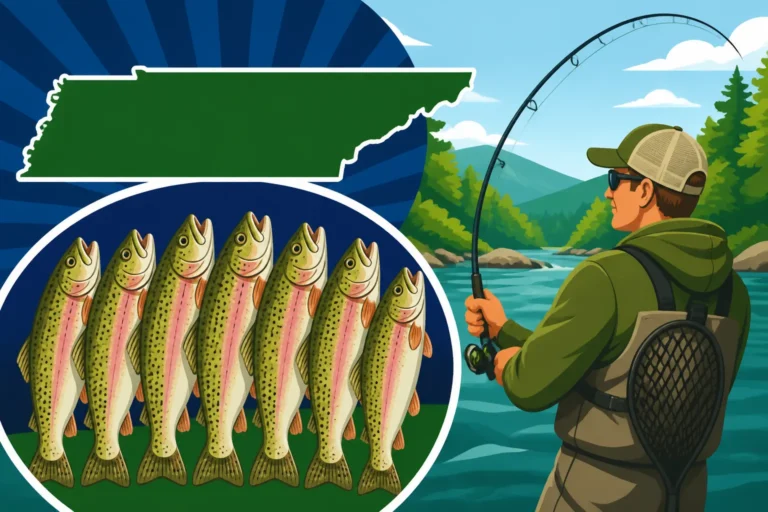
During what is generally considered the "summer" trout season, which runs from March through September, the statewide daily creel limit for trout is 7 fish. This limit applies to all trout species combined, which typically includes rainbow, brown, and brook trout. However, there's a specific sub-limit for brown trout: no more than 2 brown trout may count towards your 7-fish daily limit. This restriction is in place because brown trout often take longer to grow to a catchable size and can be more challenging to manage in certain fisheries.
Let's say you're fly fishing on the Caney Fork River in June. You might catch several rainbow trout, a couple of brook trout, and then a few brown trout. If you decide to keep fish, you can only keep two of those brown trout, even if you're still under your overall seven-fish limit. All other brown trout you catch after your two-fish brown trout limit is reached must be immediately released. This careful management ensures a healthy population of all trout species, but especially protects the slower-growing brown trout.
Winter Trout Season October through February
The "winter" trout season, spanning from October through February, brings a significant shift in regulations. During these colder months, the statewide daily creel limit for trout often becomes water-specific. This means that the general 7-fish limit (with 2 brown trout) no longer universally applies. Instead, many streams, especially those that receive heavy stocking or are designated as "put-and-take" fisheries, may have different daily limits, size restrictions, or even tackle restrictions (e.g., artificial lures only, single hook, no bait).
These winter rule changes are frequently implemented to manage fishing pressure during stocking events or to protect spawning trout. For instance, some streams might have a higher limit, while others might have a lower limit, or even become catch-and-release only for certain periods. It is absolutely essential to check the latest TWRA fishing guide for the specific stream or lake you plan to fish during this period. Ignorance of these local rule changes is not an excuse for violations. Many anglers find it helpful to keep a printed copy of the latest regulations, or a digital version on their phone, to consult on the spot.
Wild versus Stocked Trout Considerations
Tennessee manages both wild trout fisheries and extensive stocking programs. Wild trout, particularly native brook trout found in high-elevation streams of the Smoky Mountains, are often subject to much stricter regulations, frequently being catch-and-release only or having very low harvest limits. These pristine headwater streams are delicate ecosystems, and protecting wild trout populations is a top conservation priority.
On the other hand, many tailwater fisheries and urban lakes are regularly stocked with rainbow trout by the TWRA, especially in the fall and winter. These stocked fish are often intended for harvest, providing ample opportunity for anglers to fill their coolers. Understanding whether you're fishing for wild or stocked trout can significantly impact the rules you need to follow. Always pay attention to stream signs and the TWRA's specific listings for the body of water you're targeting. For instance, the Clinch River is well-known for its trout, but you'll need to know the specific section you're fishing to confirm the rules. Our article on Tennessee Trout Stocking Schedule and Season provides a wealth of information on where and when to expect stocked trout.
Catching Catfish and Panfish in Tennessee
Beyond the popular bass and trout, Tennessee offers fantastic opportunities for catching various catfish species and panfish like bluegill and redear sunfish. These fish are staples for many anglers, especially families, due to their abundance and willingness to bite. While the regulations for these species are generally more liberal than for bass or trout, it's still important to know the limits.
Daily Limits for Channel, Blue, and Flathead Catfish
Tennessee is home to three main species of catfish: channel catfish, blue catfish, and flathead catfish. All three provide exciting fishing and make excellent table fare. For channel catfish and blue catfish, the daily creel limit is a generous 20 fish per day, in any combination. This means you can keep 20 channel cats, 20 blue cats, or any mix totaling 20. There are generally no size restrictions for these species on a statewide basis, allowing anglers to keep fish of various sizes.
Flathead catfish, however, are a bit different. These powerful, predatory catfish have a statewide daily creel limit of 5 fish per day, with only one of these flatheads allowed to be over 34 inches. Flathead catfish are known for their massive size and slower growth rates, and this regulation aims to protect the truly trophy-sized fish, allowing them to continue growing and contributing to the gene pool. If you're targeting big flatheads on the Tennessee River, you might spend all day hoping for one over that 34-inch mark! Knowing these distinct rules for each catfish species is key to a legal and responsible harvest. For those passionate about catfish, our guide to Catfish Species Found in Tennessee Waters offers further reading.
Bluegill and Other Panfish Regulations
Bluegill, redear sunfish (often called shellcrackers), and other various sunfish species collectively known as "panfish" are some of the most accessible and enjoyable fish to catch in Tennessee. They are perfect for introducing kids to fishing and provide consistent action for anglers of all skill levels. The good news is that the daily creel limits for these panfish are very liberal.
For bluegill, sunfish (including redear, green sunfish, longear sunfish, etc.), and other similar panfish, the statewide daily creel limit is a whopping 50 fish per day, in any combination. This incredibly generous limit means you can easily catch enough for a massive fish fry. There are generally no size restrictions for these panfish species on a statewide basis, so you can keep anything from small frying-pan size to larger plate-sized specimens. This abundance and straightforward regulation make panfish fishing a fantastic option for a relaxed day on the water, whether you're fishing from the bank of a local pond or from a boat on one of Tennessee's major reservoirs.
It's a wonderful opportunity to teach youngsters about responsible fishing, allowing them to experience the joy of catching many fish while still understanding the concept of limits. Often, a simple bobber and a worm will do the trick for bluegill, providing hours of entertainment without the need for specialized gear. You might even find some beginner fishing kits, complete with rods, reels, and tackle, available on Amazon, making it super easy to get started with panfish.
Here's a quick summary of general statewide limits for popular species:
| Species | Daily Creel Limit | Size Restrictions | Notes |
|---|---|---|---|
| Largemouth Bass | 5 | Only 1 over 18 inches | |
| Smallmouth/Spotted/Alabama Bass | 5 (combined) | Only 1 over 16 inches | Combined limit for these three species |
| Black/White Crappie | 20 | Only 5 over 12 inches | Combined limit for both crappie species |
| Rainbow/Brown/Brook Trout (March-Sept) | 7 | No more than 2 Brown Trout within the 7-fish limit | Statewide rule, varies October-February (water-specific) |
| Channel/Blue Catfish | 20 (combined) | No size restriction | Combined limit |
| Flathead Catfish | 5 | Only 1 over 34 inches | |
| Bluegill/Sunfish | 50 (combined) | No size restriction | Includes Redear Sunfish, Green Sunfish, etc. |
Always consult the current TWRA regulations for exact and up-to-date information, as rules can change and lake-specific regulations often override statewide limits.
Understanding Local Variations and Special Waters
While statewide regulations provide a solid baseline, one of the most critical aspects of fishing responsibly in Tennessee is recognizing that not all waters are created equal when it comes to rules. Many specific lakes, rivers, and Wildlife Management Areas (WMAs) have their own unique sets of regulations that can override or add to the statewide limits. Ignoring these local variations is a common pitfall for even seasoned anglers.
Lake-Specific Fishing Rules That Override Tennessee's Statewide Limits
It's absolutely vital to remember that a Tennessee lake with its own posted rules takes priority over standard limits. For instance, while the statewide largemouth bass limit allows one over 18 inches, some lakes might have a "slot limit" where you can keep fish under a certain size and over another, but not in between, or they might have different daily creel limits altogether. These specific rules are typically implemented to address unique management needs for that particular body of water, perhaps to develop a trophy fishery, control a stunted population, or protect spawning grounds.
A perfect example is Chickamauga Lake, renowned for its trophy bass. While it largely follows statewide bass limits, anglers must still be acutely aware if any special tournament rules or temporary changes are in effect, or if any particular cove or area has a specific restriction. Other lakes might have different minimum size limits for crappie, or even specific bait restrictions in certain areas. Before you cast your first line into any new lake, or even a familiar one, take a moment to look for signage at boat ramps or access points. Better yet, check the TWRA's official fishing guide or their website, where these lake-specific rules are clearly listed. Our article on Lake-Specific Fishing Rules That Override Tennessee's Statewide Limits can offer more detailed examples.
Understanding Wildlife Management Area Fishing Rules
Wildlife Management Areas (WMAs) are tracts of land managed by the TWRA for wildlife conservation, hunting, and fishing. Many of these WMAs include ponds, lakes, or sections of rivers that offer excellent fishing opportunities. However, because these areas are managed intensely, they frequently have fishing regulations that differ from statewide norms. These WMA-specific rules can include unique daily creel limits, size restrictions, seasonal closures, specific open/close times, or even restrictions on boat motor types (e.g., electric motors only).
For example, a small WMA pond designed for youth and senior fishing might have a reduced creel limit for bluegill to ensure everyone has a chance to catch fish, or it might be catch-and-release only for bass. Some WMAs might also have special permits required beyond your regular fishing license. Always, always check the WMA-specific regulations before planning a trip to one of these areas. This information is usually available on the TWRA website or posted at WMA entrances. Don't assume the statewide rules apply; doing so could lead to an unexpected and unnecessary fine. You can learn more by checking our guide on Wildlife Management Area Fishing Rules in Tennessee.
Reciprocity on Border Waters
Tennessee shares significant waterways with neighboring states, such as Kentucky Lake along the Kentucky border, and the Mississippi River bordering Arkansas and Missouri. On these shared border waters, special reciprocity agreements sometimes come into play. This means that in certain sections of these shared waters, a valid fishing license from either state might be honored.
However, these agreements are usually very specific to designated border sections and do not mean your Kentucky license is valid on Norris Lake in Tennessee, or vice-versa. For instance, on the main body of Kentucky Lake, a valid Tennessee or Kentucky fishing license may be accepted. But as soon as you fish an embayment or tributary that is entirely within one state, you need that state's license. It's a common point of confusion, and it's always best to err on the side of caution. If you plan to fish border waters, thoroughly research the specific reciprocity agreement for that body of water. Having both state licenses is the safest bet if you plan to venture away from the main channel into areas definitively within one state's jurisdiction.
Staying Updated on Tennessee Fishing Regulations
The world of fishing regulations isn't static. Just like fish move with the seasons, rules can shift based on population trends, environmental factors, and management goals. As a responsible angler, staying informed is part of the game. It ensures you're always fishing legally and contributing to the health of our fisheries.
How to Stay Updated on Tennessee Fishing Regulations
The primary and most reliable source for current fishing regulations in Tennessee is the Tennessee Wildlife Resources Agency (TWRA). They publish an annual Fishing Guide, which is available in both print and digital formats. You can pick up a physical copy at many bait and tackle shops, TWRA offices, or large outdoor retailers like Bass Pro Shops or Academy Sports + Outdoors. The digital version is readily accessible on the TWRA website, and I highly recommend having it bookmarked on your phone or tablet. This digital guide is always the most up-to-date and accessible resource.
Beyond the annual guide, the TWRA website will also post any emergency regulation changes or important updates throughout the year. Subscribing to their newsletters or following their social media channels can also be a good way to get timely notifications. Many local fishing forums and community groups also share updates, but always cross-reference with official TWRA sources to avoid misinformation. Being proactive about checking regulations before each trip, especially if you're visiting a new body of water, is the mark of a truly committed and responsible angler. You might even find comprehensive fishing guidebooks or region-specific charts on Amazon that help supplement the official TWRA guide.
The Role of TWRA in Enforcement and Education
The TWRA plays a dual role in both enforcing fishing regulations and educating the public. Their wildlife officers are on the water and in the field, ensuring that anglers are following the rules, possess valid licenses, and adhere to creel and size limits. These officers are not just there to issue tickets; they are also a fantastic resource for information. If you have a question about a specific regulation while out fishing, and it's safe to do so, don't hesitate to ask an officer. They are usually more than happy to clarify rules and help educate anglers.
Enforcement is crucial for the integrity of our conservation efforts. Unfortunately, fishing without a license or exceeding limits can lead to penalties ranging from fines to confiscation of gear or even more severe consequences for repeated offenses. It's not just about losing money; it's about undermining the efforts to preserve the very resource we all enjoy. Ensuring you have your Tennessee Fishing License Costs and Types sorted out before you hit the water is foundational to legal fishing.
Final Thoughts and Ethical Angling
Understanding Tennessee's fishing seasons and catch limits might seem like a lot to take in, but it's an essential part of being a responsible and ethical angler. These regulations are the backbone of our state's incredible fisheries, ensuring that the Volunteer State remains a premier destination for anglers for generations to come. By taking the time to learn the rules, checking for local variations, and respecting the limits, you're not just avoiding a fine—you're actively participating in the conservation of a treasured natural resource.
Remember, fishing is more than just catching fish; it's about enjoying the outdoors, connecting with nature, and respecting the environment. Let's all do our part to keep Tennessee fishing fantastic! And hey, if you're ever in doubt, the TWRA's online guide is always just a few clicks away, providing clear answers so you can focus on what really matters: that next bite! Consider taking advantage of special opportunities like Bobby Wilson Free Fishing Day in Tennessee as a low-stress way to introduce someone new to the sport.
Disclaimer
The information provided in this guide is intended for general informational purposes only and is not a substitute for official legal advice or the current regulations published by the Tennessee Wildlife Resources Agency (TWRA). Fishing regulations, seasons, and limits are subject to change without notice. Always consult the most recent official TWRA Fishing Guide or their website before engaging in any fishing activities to ensure compliance with all applicable laws and regulations. The author and publisher are not responsible for any errors or omissions, nor for any actions taken based on the information presented herein.