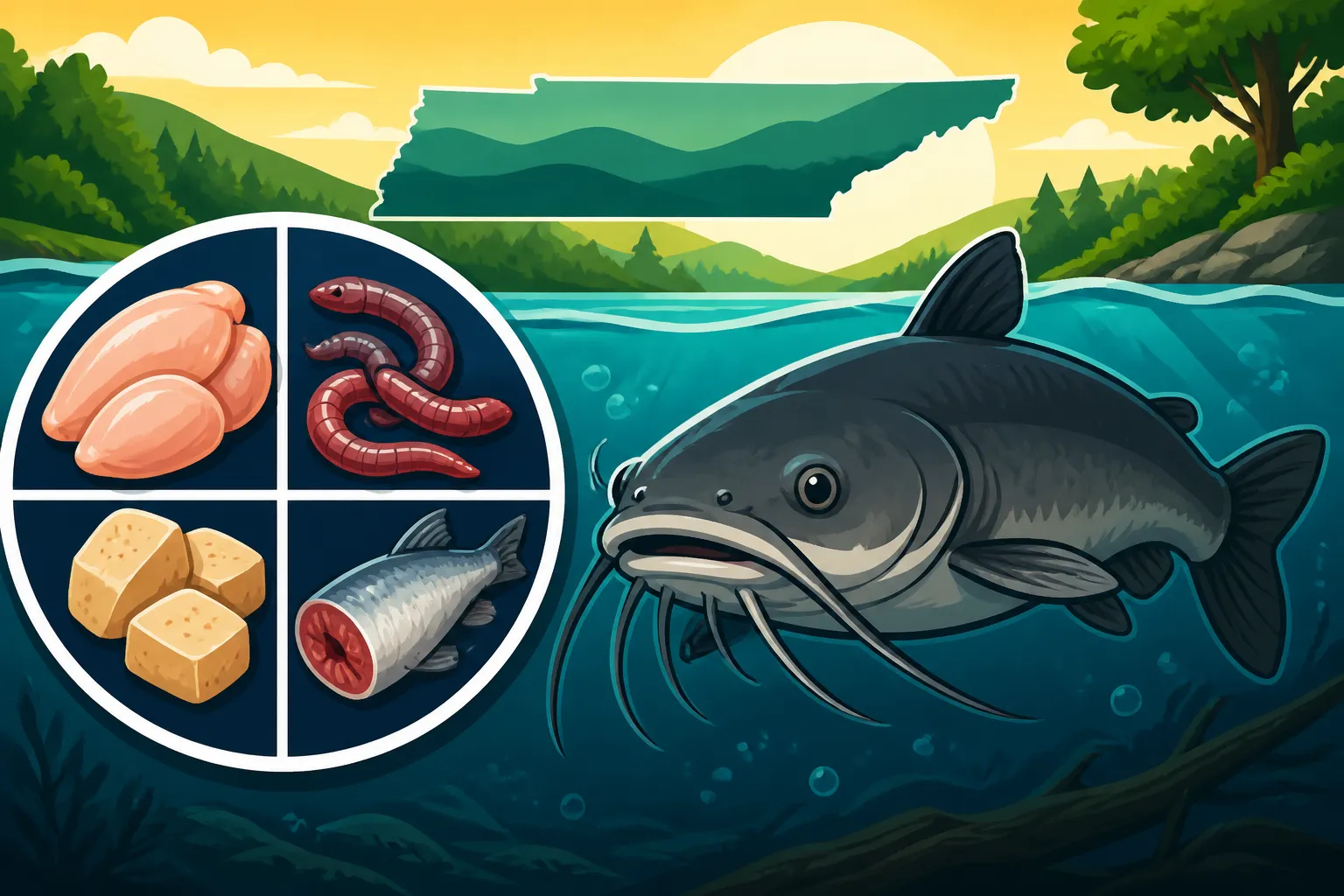
Best Bait for Channel Catfish Fishing
There’s nothing quite as frustrating as heading out to your favorite fishing spot, full of hope, only to spend hours with barely a nibble. You’ve got your gear, your patience, but if you’re using the wrong bait for channel catfish in Tennessee, you might as well be casting a bare hook. This comprehensive guide is here to unravel the mystery of what truly entices these whiskered bottom-dwellers, diving deep into the best baits and how to use them effectively across our beautiful Tennessee waters.
Understanding Channel Catfish Preferences in Tennessee Waters
Channel catfish are incredibly popular targets for anglers across Tennessee, from the calm farm ponds to the mighty Tennessee River. They're known for their powerful fights and, let's be honest, their delicious taste. But to consistently bring them to the bank or into your boat, you need to understand what makes them tick – or, more accurately, what makes them bite. It's not just about throwing any old thing in the water; it's about appealing to their unique senses and feeding habits.
The Omnivorous Nature of Channel Catfish
One of the beautiful things about channel catfish is their willingness to eat almost anything. They are true omnivores, meaning their diet in the wild consists of a wide array of foods. This includes smaller fish, insects, crustaceans like crawfish, worms, and even plant matter or decaying organic material. This diverse diet is precisely why so many different baits can be effective. They're opportunistic feeders, always on the lookout for an easy meal, especially one that emits a strong scent.
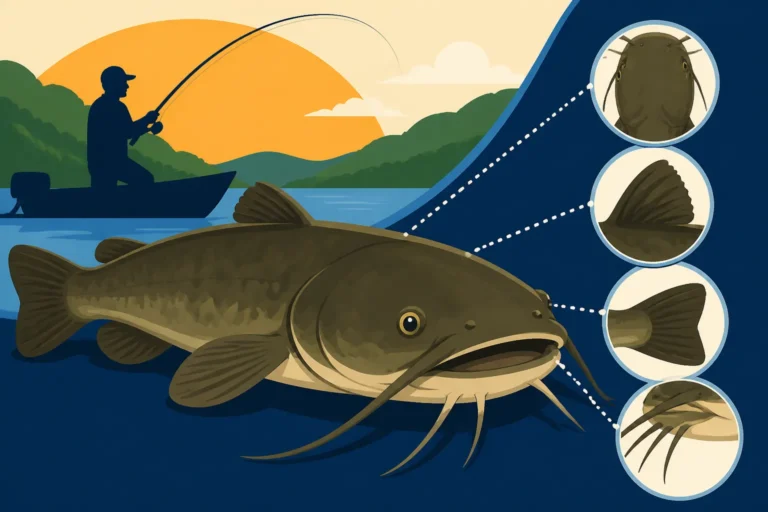
Their sense of smell is legendary, far superior to many other fish species. Those long whiskers, called barbels, are packed with chemoreceptors that can detect even minute traces of dissolved chemicals in the water. This means a potent, smelly bait that creates a strong scent trail is often irresistible to a channel catfish, even if they can't see it clearly in murky water. This is a critical factor when choosing your bait – you want something that screams "dinner" through its aroma. They often cruise the bottom, using these barbels to "taste" their way around, zeroing in on anything that smells edible. This is why baits that leach scent slowly into the water can be particularly effective over longer periods.
Habitat and Feeding Behavior Influence on Bait
The type of water you're fishing in and the time of day can significantly impact which bait will perform best. Channel catfish in a fast-flowing river, for instance, might be more inclined to chase a larger piece of cut bait drifting by, whereas those in a stagnant farm pond might be more interested in something sitting still on the bottom, offering a persistent odor. Knowing where Channel Catfish Are Found in Tennessee Streams is key to matching your bait to the environment.
During daylight hours, especially in clear water, channel catfish might be a bit pickier. They might prefer a more natural presentation, like a lively worm or a fresh piece of cut bait. However, as evening approaches and into the night, their activity often increases. This is when those incredibly smelly baits really shine. Night fishing for catfish is a time-honored tradition in Tennessee, and strong-smelling baits like chicken livers or commercial stink baits are often the stars of the show because their powerful odor can cut through the darkness and draw fish from a greater distance. Understanding these nuances allows you to tailor your approach, making your bait choice not just a shot in the dark, but a strategic decision based on the conditions you face.
Top Natural Baits for Channel Catfish in Tennessee
When it comes to channel catfish, sometimes the simplest and most natural options are the best. These baits mimic what catfish already eat in their natural environment and often produce fantastic results without requiring fancy preparations. Plus, there’s a certain satisfaction in catching a fish on something you dug up yourself or caught moments before.
Live and Cut Bait – The Classics
Nothing screams "easy meal" to a channel catfish quite like a struggling live baitfish or a juicy piece of fresh cut bait. These options are top-tier for their natural appeal, scent, and sometimes, their movement.
- Shad: If there’s one bait that Tennessee anglers swear by for big channel cats, it’s fresh shad. Threadfin and gizzard shad are abundant in many of our reservoirs and rivers, and they are a primary food source for larger catfish. You can use them whole, if legal and appropriate for the size of catfish you're targeting, or cut into chunks. Cut shad bleeds profusely, creating an irresistible scent slick that can draw catfish from surprisingly far away. The oily flesh continues to release scent for a long time, making it excellent for Catfish Bottom Fishing Basics. When fishing large bodies of water like Kentucky Lake or Chickamauga, bringing a cast net for fresh shad can be a game-changer.
- Bluegill: Another fantastic option, especially for bigger channel cats, is a small bluegill, either live or cut. Bluegill are tough and stay alive on a hook for a long time, their struggles sending out distress signals that attract predators. If you cut them, the firm flesh and robust scent are very appealing. Always check local regulations about using game fish as bait; generally, you can use bluegill caught legally with a hook and line, but there might be size limits or restrictions on specific waters.
- Worms: The humble worm remains a perennial favorite. Nightcrawlers, red wigglers, or even just garden worms are fantastic. They’re easy to acquire, easy to keep, and every catfish seems to love them. They wriggle enticingly on the hook and release a subtle, natural scent that's always a hit. A big ball of worms can be particularly effective, creating a larger target and a stronger scent profile. Worms are excellent for general fishing and are especially good if you’re fishing a Tennessee Farm Pond Channel Catfish Stocking.
| Bait Type | Pros | Cons | Best Use Cases |
|---|---|---|---|
| Shad (Cut) | Strong, natural scent; highly effective | Requires catching/acquiring fresh shad | Large rivers, reservoirs, targeting bigger cats |
| Bluegill (Cut/Live) | Durable, natural prey; good for large cats | May require catching yourself; check regs | Deeper holes, slow current, trophy hunting |
| Worms | Universally appealing, easy to acquire | Can be picked off by smaller fish easily | Ponds, smaller rivers, general all-around fishing |
| Chicken Livers | Extremely strong scent, affordable | Messy, falls off hook easily | Still water, heavy current requires netting |
| Hot Dogs | Convenient, readily available, less messy | Less scent than natural baits | Casual fishing, kids, stocked ponds |
| Prepared Baits | Potent scent, designed for catfish | Can be expensive, specialized rigs needed | Targeting actively feeding fish, murky water |
Prepared Baits from Your Kitchen
You don't always need to hit the bait shop or cast a net to find effective catfish bait. Sometimes, the best options are already in your fridge or pantry. These baits are often incredibly effective due to their potent smell and convenience.
- Chicken Livers: Oh, the legendary chicken liver! This bait is a staple for a reason. Its super-strong, bloody scent is an absolute magnet for channel catfish. They are relatively inexpensive and can be bought at almost any grocery store in Tennessee. The main challenge with chicken livers is keeping them on the hook, as they are very soft. Many anglers combat this by letting them "toughen up" in the sun for a short period or by wrapping them with a small piece of mesh, like pantyhose or a bait thread, to secure them. Despite the mess, chicken livers are so effective that they are a must-try for any channel catfish outing.
- Hot Dogs: Believe it or not, ordinary hot dogs can be a surprisingly effective catfish bait. They’re incredibly convenient, easy to cut into chunks, and they stay on the hook remarkably well. While they don't have the natural blood and guts appeal of chicken livers, many brands are quite pungent, especially after soaking them in a little garlic powder or a flavored drink mix. They're a fantastic, no-fuss option for a casual fishing trip, especially if you're introducing kids to fishing. Best Bait for Bluegill and Panfish often works for smaller catfish too.
- Dough Balls and Corn: While perhaps not as potent as the meatier options, dough balls and even canned corn can catch channel catfish, especially smaller ones or those in heavily fished, clearer waters. Dough balls, often made from flour, cornmeal, and various flavorings (garlic, vanilla, anise), offer a slow-release scent. Corn is more subtle but is often used in chumming operations to attract fish to an area, and then fished directly. These are usually less messy and can be good for situations where you want a clean bait.
Commercial Baits for Consistent Success
Sometimes, you need something specifically engineered to attract catfish, and that's where commercial baits come in. These concoctions are often developed through years of angler experience and scientific understanding of what drives catfish to bite. They're designed for maximum scent dispersion and ease of use, making them a great addition to any angler's arsenal.
Punch Baits and Dip Baits
These are perhaps the most famous types of commercial catfish baits, known for their incredibly strong, often pungent odors that can be detected by catfish from a considerable distance. They rely heavily on the catfish's acute sense of smell.
- Punch Baits: As the name suggests, punch baits are typically thick, sticky, and used by "punching" a treble hook into the bait, scooping up a glob that adheres to the hook. They're designed to stay on the hook even in current and release a powerful, long-lasting scent trail. Many brands are available, often touting secret ingredients for maximum appeal. These are fantastic for anglers who want a consistent, easy-to-use bait that truly capitalizes on the catfish's olfactory prowess. You can often find these at local bait shops or through online retailers like Amazon, offering a wide selection of scents and textures.
- Dip Baits: Similar to punch baits in their strong scent profile, dip baits are usually more liquid or paste-like. They require a specialized "dip worm" or "bait holder" — often a plastic worm or sponge-like lure with ridges or pockets designed to hold the gooey bait. You simply dip the holder into the jar of bait, and it clings to the surface, slowly releasing its powerful odor into the water. These are incredibly effective, especially in murky waters where visibility is low. Many anglers have their favorite brands, and exploring different options, perhaps by checking reviews on platforms like Amazon, can help you find a winner for your local waters. Both punch and dip baits are excellent choices for Night Fishing Techniques for Catfish.
Pellets and Pre-Formed Baits
Beyond the super-smelly dip and punch baits, there's a range of pre-formed or pelletized commercial baits that offer convenience and efficacy, particularly in certain situations.
- Catfish Pellets: These are often used in aquaculture to feed farmed catfish, so they're designed to be highly palatable. They come in various sizes and, when introduced into the water, slowly dissolve, releasing food particles and a fishy scent. While they can be a bit soft and fall off the hook easily, they can be highly effective, especially when fishing for stocked catfish that are already accustomed to eating pellets. You can often find these in bulk at feed stores or in smaller quantities at bait shops. Sometimes, soaking them briefly in a flavored oil can make them more durable and even more attractive.
- Pre-Formed Baits: Many companies offer pre-formed catfish baits that are essentially compressed, scented nuggets designed to stay on the hook. These can be convenient for quick trips or when you don't want to deal with messy natural baits. They come in various shapes, sizes, and scents, from blood flavor to cheese. While they might not always outperform fresh cut bait or chicken livers, their ease of use and consistent performance make them a valuable option, particularly for bank anglers or those who prefer a cleaner fishing experience. Exploring the range of these convenient baits on sites like Amazon can yield some surprisingly effective finds.
Essential Bait Rigging and Presentation Tips
Having the best bait in the world won't do you much good if it's not presented correctly. Channel catfish are often bottom feeders, but they'll also come up for a floating meal if the scent is strong enough. Understanding how to rig your bait properly and where to place it in the water column is just as important as the bait itself.
Hooks and Line for Catfish
Choosing the right hook and line can make a significant difference in your hook-up ratio and your ability to land a big channel cat.
- Circle Hooks: For catfish, especially if you're practicing catch and release, circle hooks are your best friend. They are designed to hook the fish in the corner of its mouth, preventing gut hooks and making release much easier. You don't "set the hook" with a circle hook; instead, you let the fish take the bait and swim away, allowing the line tension to rotate the hook into place. This is a crucial distinction for success. Most anglers will opt for sizes from 2/0 to 8/0, depending on the size of catfish they expect to encounter.
- J-Hooks: Traditional J-hooks are also effective, especially if you prefer a more aggressive hook set. However, they do carry a higher risk of gut hooking, particularly with smaller fish. Sizes will range similarly to circle hooks. When using messy baits like chicken livers, some anglers use treble hooks to help keep the bait on, though treble hooks can be harder on the fish and harder to remove.
- Line Strength: Channel catfish can pull hard! You’ll want a line that can withstand their power and the abrasive nature of fishing the bottom. Monofilament lines in the 10-20 lb test range are common, offering good abrasion resistance and a bit of stretch to absorb sudden runs. Braided line, in similar breaking strengths, offers superior sensitivity and strength, which can be advantageous when detecting subtle bites or fishing in heavy cover. Consider using a leader of slightly heavier line, especially if you’re fishing around rocks or submerged timber, to protect your main line. For more on appropriate gear, check out Best Rods for Catfish Fishing.
Proper Presentation: Bottom Rigging and Floats
Most of the time, channel catfish are found near the bottom, so presenting your bait there is usually the most effective strategy.
- Carolina Rig (Slip Sinker Rig): This is arguably the most popular and effective rig for channel catfish. It consists of a slip sinker (often an egg sinker) on your main line, followed by a bead (to protect the knot), a barrel swivel, and then a leader (12-24 inches) tied to your hook. The slip sinker allows the line to pass freely through it, meaning the catfish can pick up the bait and swim off without immediately feeling the weight of the sinker. This gives them confidence and time to fully ingest the bait before you feel the bite. It's incredibly effective for Best Bait for Bottom Fishing Catfish.
- Three-Way Swivel Rig: This rig is excellent for keeping your bait off the bottom in varying currents. One eye of the three-way swivel is tied to your main line, another to a short leader (6-12 inches) with a sinker, and the third to a longer leader (18-36 inches) with your hook and bait. This allows your bait to drift naturally just above the bottom, keeping it visible and away from snags, while the sinker holds it in place.
- Bobber or Float Rigs: While bottom fishing is typical, don't discount a good old bobber. If you're fishing shallower areas, near cover, or where catfish might be suspended, a float rig can be very effective. This allows your bait to hang at a specific depth, which can be crucial if catfish are holding at a certain thermocline or just above thick weeds. The visual cue of a bobber disappearing can also add an extra layer of excitement to your fishing trip.
Maximizing Scent Trail
Since channel catfish rely so heavily on their sense of smell, anything you can do to enhance your bait's scent trail will increase your chances of success.
- Freshness and Juiciness: For natural baits like cut shad or bluegill, the fresher and juicier, the better. Fresh blood and oils create a potent scent cloud. If using chicken livers, try to keep them as intact as possible to ensure a slow, steady release of their potent aroma.
- Scent Additives: Many anglers will "doctor up" their baits with additional attractants. Garlic powder is a classic, but commercially available liquid attractants and sprays can be added to cut baits, worms, or even hot dogs to boost their allure. These are readily available at most bait and tackle shops and can often be found on Amazon.
- Chumming: While not always necessary, lightly chumming an area can draw catfish in. This involves throwing small amounts of attractive material into the water to create a scent trail and attract fish. Crushed corn, soured grains, or small pieces of cut bait can work wonders. Be sure to check local regulations on chumming, as rules can vary by waterbody in Tennessee. A consistent, appealing scent is the catfish equivalent of a dinner bell, and maximizing that trail will undoubtedly improve your fishing success.
Disclaimer
This article is for general informational purposes only and does not constitute professional advice. Laws, prices and regulations vary by location and change over time. Consult a qualified professional for guidance on your specific situation.