Tennessee Farm Pond Channel Catfish Stocking
For many Tennessee landowners, the dream of a thriving farm pond is a very real one, but achieving a healthy, productive fishery can feel like a mystery. You might be staring at your pond, wondering how to turn it from just a water feature into a vibrant ecosystem that provides hours of fishing enjoyment. This comprehensive guide will walk you through everything you need to know about successful Tennessee farm pond channel catfish stocking, from why they're a great choice to how to ensure their long-term success.
Why Channel Catfish Are the Perfect Choice for Your Tennessee Pond
Let's be honest, there's something incredibly satisfying about reeling in a fish from your own backyard pond. But not all fish species are created equal when it comes to suitability for a managed pond environment. Channel catfish, in particular, stand out as a fantastic choice for many reasons, offering both ecological benefits and pure angling pleasure.
Understanding Their Role in Pond Ecosystems
Channel catfish are incredibly adaptable creatures, which makes them ideal for a wide range of pond conditions found across Tennessee. They're not overly picky about water quality compared to some other game fish, and they can tolerate warmer water temperatures better than, say, trout. This hardiness means less stress for you as a pond owner and a higher chance of a successful stocking program. They are omnivores, meaning they'll eat a variety of things – insects, small fish, aquatic plants, and even commercial feed. This flexible diet helps them thrive and can also contribute to keeping your pond ecosystem balanced, especially by consuming detritus from the pond bottom.
Beyond their dietary habits, channel catfish are also known for their growth potential. With proper management and feeding, those little fingerlings you stock can turn into impressive fighters surprisingly quickly. This provides a tangible reward for your efforts and helps maintain a healthy population structure in your pond. They don't typically overpopulate a pond like some sunfish species can, which often leads to stunted growth. Instead, they grow at a more predictable rate, providing consistent fishing opportunities. Learning more about their biology can truly help you understand why they're such a good fit for farm ponds, as detailed in How to Identify Channel Catfish, Tennessee's Other Official State Fish.
The Joy of Catching and Eating Your Own Catfish
There’s a unique pride that comes with catching a fish you've helped raise, especially when that fish is destined for the dinner table. Channel catfish are renowned for their firm, white, flaky meat, which holds up beautifully to frying, baking, or grilling. Many anglers find farm-raised catfish to have a cleaner, milder flavor compared to their wild counterparts, especially if they're fed a high-quality commercial diet. Imagine hosting a backyard fish fry with fresh, delicious catfish caught just hours earlier from your own pond – it's an experience that creates lasting memories with family and friends.
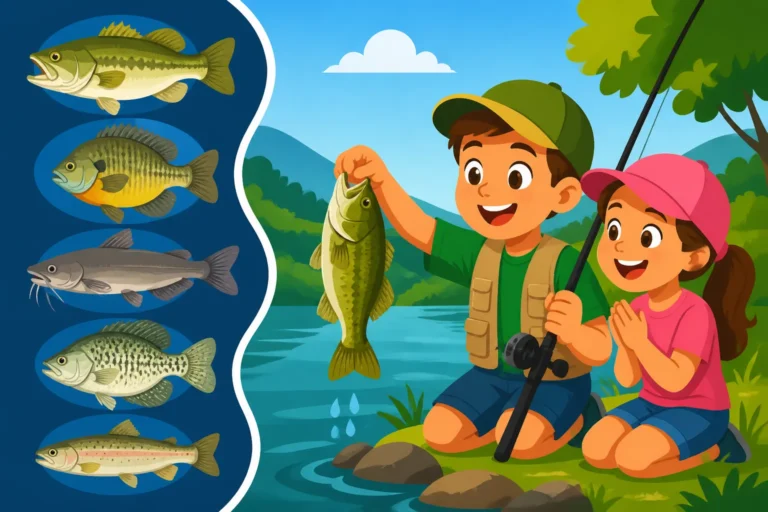
And let's not forget the fight! While they might not jump like a bass, channel catfish are strong, determined fighters, especially the larger specimens. They pull hard and deep, making for an exciting battle on the end of your line. This makes them a rewarding target for anglers of all skill levels, from seasoned veterans to excited kids with their first rod and reel. Plus, the relative ease of catching them, especially when they're actively feeding, ensures that even novice anglers can experience success, fostering a lifelong love for fishing. If you're looking for tips on how to target them, check out Best Bait for Channel Catfish Fishing.
Planning Your Channel Catfish Stocking Project
Successfully stocking your farm pond with channel catfish isn't just about tossing a bunch of fish in the water and hoping for the best. It requires a bit of planning, understanding your pond's specific characteristics, and sometimes working within the guidelines set by the Tennessee Wildlife Resources Agency (TWRA). Taking the time to plan upfront will save you headaches and heartbreak down the road.
Assessing Your Pond's Current Condition
Before you even think about buying fingerlings, you need to understand the "health" of your pond. What's its size? How deep is it? What kind of cover does it have? Does it have a good source of fresh water, or does it primarily rely on rainfall? A crucial factor is water quality. Ideally, you want to know your pond's pH levels, dissolved oxygen, and alkalinity. These parameters will dictate how well your catfish (and any other fish) will thrive. For example, very acidic or very alkaline water can stress fish, making them susceptible to disease or even leading to mortalities. You might need to consider aeration if your pond is prone to low dissolved oxygen, especially during hot summer months or if it has a lot of decaying organic matter.
Another critical step is to understand the existing fish population. Is your pond already teeming with stunted bluegill or an overabundance of aggressive sunfish? If so, these existing fish will compete directly with your new catfish fingerlings for food and space, potentially hindering their growth and survival. In some cases, you might need to consider a partial or complete renovation of your pond's fish population before introducing channel catfish. This could involve selective harvesting, or in extreme cases, chemically treating the pond to reset the ecosystem. It's a big decision, but it can make all the difference in the success of your Tennessee Farm Pond Channel Catfish Stocking efforts.
Navigating TWRA Recommendations and Regulations
While stocking your private pond often comes with fewer stringent regulations than fishing public waters, it's always wise to be aware of TWRA's recommendations, especially when it comes to species and stocking rates. The TWRA is a fantastic resource for pond owners, offering guidance on everything from pond construction to fish management. They want to see successful ponds just as much as you do! While you won't need a fishing license to fish your own private pond as the owner, there can be nuances if you allow others to fish or if your pond connects to public waterways.
The TWRA provides general stocking guidelines for different fish combinations to help ensure a balanced ecosystem. For instance, they often recommend a specific ratio of predator to prey fish, or a certain number of catfish per acre, depending on whether you plan to feed them. It's not about strict rules for private ponds, but rather tried-and-true advice based on sound fisheries science. Ignoring these recommendations can lead to common pond problems like overpopulation, stunted growth, or poor fishing. Always check with the TWRA for the most current advice and any specific guidelines for stocking in your region of Tennessee, as local conditions can sometimes influence the best practices. Knowing the broader scope of what's out there can be helpful, like in Catfish Species Found in Tennessee Waters.
| Pond Size (Acres) | Catfish Fingerlings (Unfed Pond) | Catfish Fingerlings (Fed Pond) | Key Considerations |
|---|---|---|---|
| 0.25 | 25-50 | 50-100 | Smallest ponds may need aeration |
| 0.5 | 50-100 | 100-200 | Monitor water quality closely |
| 1 | 100-200 | 200-400 | Good for family fishing |
| 2 | 200-400 | 400-800 | Consider multiple species stocking |
| 5+ | 500-1000 | 1000-2000+ | Professional guidance recommended for large ponds |
Note: These are general recommendations. Actual stocking rates should be adjusted based on pond health, existing fish, and management goals. Always consult with a local fisheries expert or TWRA for tailored advice.
The Nitty-Gritty: Sourcing, Stocking, and Long-Term Care
Once you've done your planning homework and assessed your pond, it's time for the exciting part: actually getting those channel catfish into the water! But the journey doesn't end there. Proper sourcing, careful stocking, and ongoing management are critical for developing a thriving fishery that you can enjoy for years to come.
Finding Reputable Fingerling Suppliers
The success of your Tennessee Farm Pond Channel Catfish Stocking project heavily relies on the quality of the fish you introduce. You want healthy, disease-free fingerlings that have been raised in conditions similar to your pond if possible. The best place to start looking for suppliers is often through local recommendations, your county extension office, or the TWRA website, which sometimes lists reputable hatcheries. These local suppliers often have fish acclimated to Tennessee's climate and water conditions, reducing stress during transport and release.
When selecting a supplier, don't be afraid to ask questions. Inquire about their fish health protocols, what they feed their fish, and how they handle transportation. A good supplier will be transparent and knowledgeable. Avoid buying fish from unverified sources or those that look sickly or lethargic. You might even find specialized pond supply companies online, and while the convenience of having items shipped can be great, always verify the reputation and practices of fish suppliers. For other pond management needs, like aeration systems or quality fish food, browsing a wide selection on a site like Amazon could be beneficial, but for live fish, local experts are often best. Remember, healthy fingerlings have a much better chance of survival and growth, ultimately leading to a more robust fishery in your pond.
Post-Stocking Management for Optimal Growth
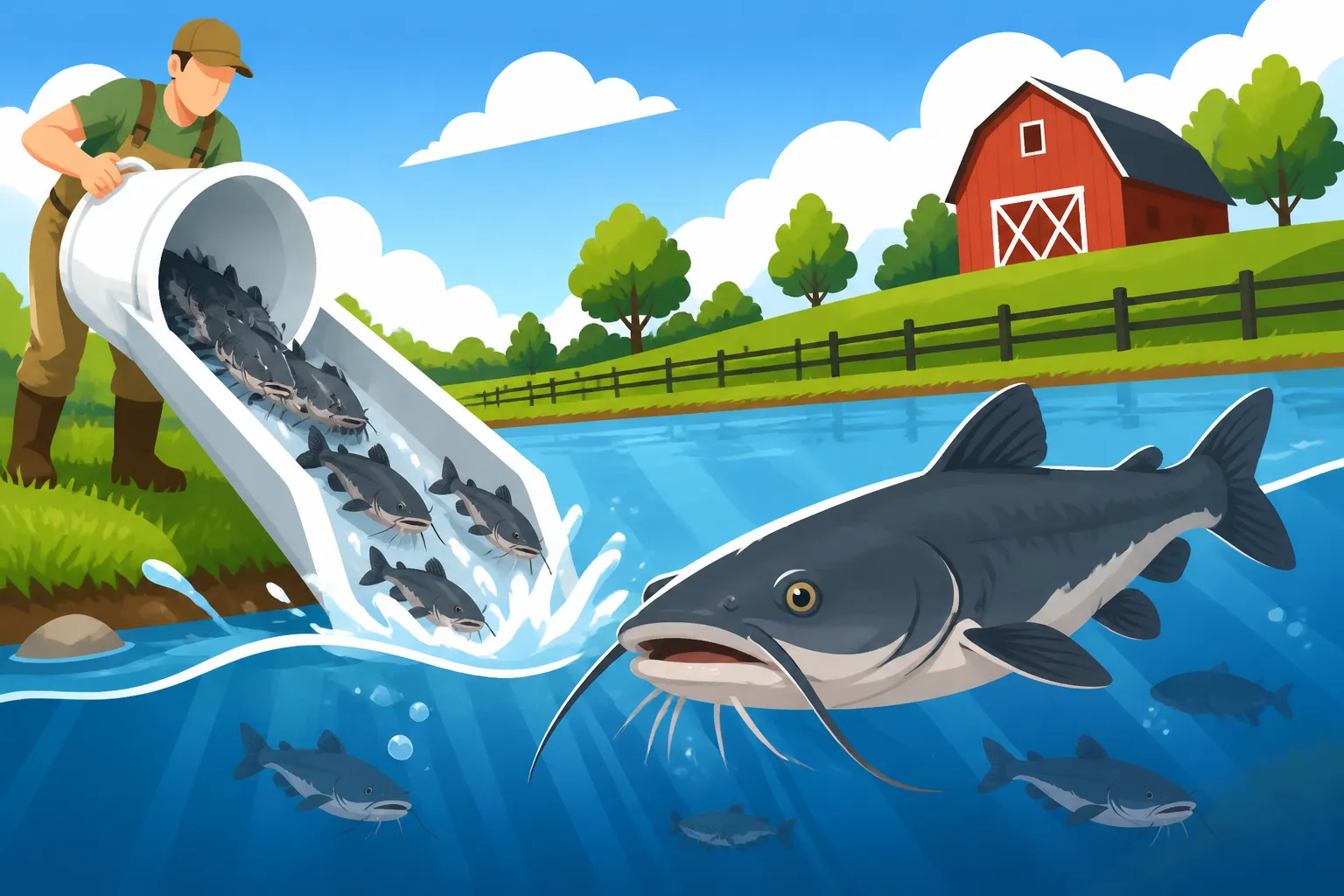
The moment those channel catfish fingerlings hit your pond water, your role as a pond manager truly begins. The initial days and weeks after stocking are crucial. Minimize disturbance to the pond to allow the fish to acclimate to their new environment. Avoid heavy fishing pressure immediately, giving them time to settle in and find natural food sources. One of the biggest advantages of stocking channel catfish in a farm pond is the ability to manage their growth through supplemental feeding. High-quality floating fish feed can dramatically increase their growth rate and overall health, turning those fingerlings into catchable-sized fish faster. This also concentrates them, making them easier to catch. You can find quality feeds at local farm supply stores or even on platforms like Amazon.
Beyond feeding, ongoing pond health management is key. Regularly monitor water quality, especially during hot summer months when oxygen levels can drop. Be vigilant for any signs of disease or unusual fish behavior. Maintaining proper vegetation control can also help keep your pond balanced. Too much aquatic vegetation can deplete oxygen at night and make fishing difficult, while too little can remove important cover and food sources for smaller organisms. Regular harvesting is also a vital part of pond management. Once your catfish reach a good size, start harvesting them regularly to prevent overcrowding and to make room for the next generation. This keeps the population healthy and ensures continued good fishing. Understanding Channel Catfish Size and Growth Rates will help you know when your fish are ready for harvest.
Essential Gear and Feeding Strategies
To truly maximize your Tennessee Farm Pond Channel Catfish Stocking success, having the right tools and strategies in place is incredibly helpful. For feeding, investing in a good quality floating feed is paramount. It allows you to observe the fish feeding and ensures the food is eaten before it sinks and decays, potentially affecting water quality. A simple broadcasting method by hand works for smaller ponds, but for larger ponds, a timed automatic fish feeder can be a game-changer. These feeders dispense food at regular intervals, which conditions the fish to come to a certain spot and provides consistent nutrition. You can find various types of feeders, from basic models to more advanced ones, on retailer sites like Amazon.
When it comes to fishing, channel catfish aren't overly complicated, but a few gear considerations can make a difference. A medium-action spinning rod paired with a reel spooled with 8-12 lb test line is usually perfect. As for bait, they’re not picky! Nightcrawlers, chicken livers, hot dogs, corn, and even specially prepared stink baits all work wonderfully. For beginners, a simple bottom-fishing rig with a sinker and a hook is often all you need. Consider exploring options like Best Rod Setup for Channel Catfish and Best Gear for Tennessee Catfish Fishing to get set up for success. Remember, consistent feeding and proper gear will not only result in healthier, faster-growing fish but also provide a more enjoyable and productive fishing experience right in your own Tennessee backyard.
Disclaimer
This article is for general informational purposes only and does not constitute professional advice. Laws, prices and regulations vary by location and change over time. Consult a qualified professional for guidance on your specific situation.