Where to Catch Trophy Blue Catfish in Tennessee
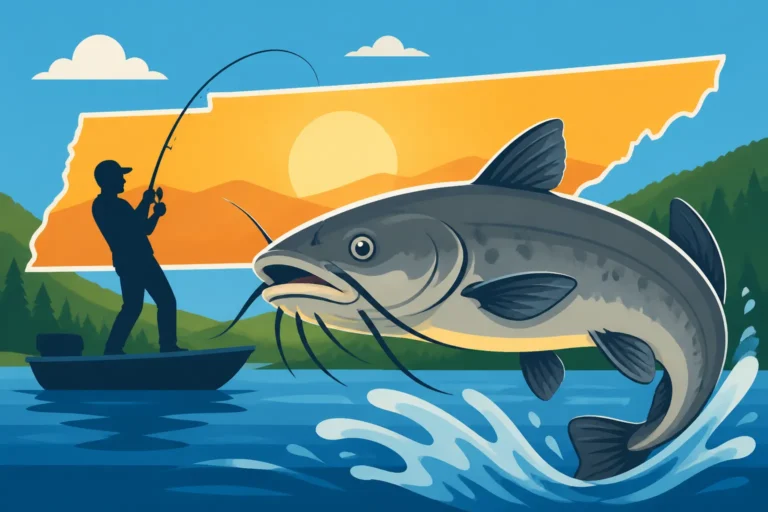
Many anglers in Tennessee dream of the day they hook into a truly massive blue catfish, a fish so big it tells a story all its own. But let's be honest, figuring out exactly where these whiskered giants hide in our vast lakes and rivers can feel overwhelming, like trying to find a needle in a hayfield. This guide is dedicated to pulling back the curtain, sharing the secrets to locating Tennessee's premier trophy blue catfish spots, and equipping you with the knowledge and tactics to make that dream a reality.
Prime Hunting Grounds: Tennessee's Top Waters for Trophy Blue Catfish
Tennessee is blessed with an abundance of fantastic fishing waters, but when it comes to landing a blue catfish that truly qualifies as a "trophy," certain lakes and river systems stand head and shoulders above the rest. These aren't just good fishing spots; they're legendary battlegrounds where record-breaking fish are caught year after year. The key to success isn't just showing up, but understanding what makes these particular locales so special for big blues.
The Mighty Kentucky Lake: A Catfish Haven
When you talk about trophy blue catfish in Tennessee, Kentucky Lake Catfish Fishing Spots is almost always the first name that comes up, and for good reason. This massive reservoir, shared with Kentucky, offers an incredible habitat for blue cats, particularly in its deeper channels and extensive river bends. The sheer size of Kentucky Lake means there's a huge amount of prime territory for these fish to roam and grow. The lake stretches over 160,000 acres in Tennessee alone, providing miles upon miles of ideal conditions. Anglers frequently target the main river channel, especially around submerged timber, old creek beds, and abrupt depth changes. The areas around New Johnsonville and Big Sandy are particularly renowned for producing giant blue catfish. These fish thrive in the plentiful forage base, including gizzard shad, skipjack herring, and various panfish, allowing them to pack on serious weight. Many of the state's biggest blue cats have been pulled from these very waters, making it a bucket-list destination for anyone serious about landing a monster.
You’ll often find that the biggest blue cats are not in the shallow flats, but rather holding near deeper structure where they can ambush prey. Think about the old riverbed of the Tennessee River, now submerged under Kentucky Lake. These historical features create fantastic current breaks and deep pockets where a massive blue cat can comfortably reside. Targeting these specific features, especially those with some sort of cover like stumps or rock piles, is paramount. Many dedicated trophy anglers spend countless hours on Kentucky Lake, mapping out these submerged structures with advanced sonar units to identify exactly where the biggest fish might be holding. It's not just about finding deep water; it's about finding structured deep water.
Watts Bar Lake: Deep Waters, Big Catfish
Another phenomenal destination for trophy blue catfish is Watts Bar Lake Catfish Fishing Spots. Located on the Tennessee River between Knoxville and Chattanooga, Watts Bar offers a different kind of blue cat experience than Kentucky Lake but is equally productive for big fish. Watts Bar is known for its strong currents in the main river channel and its numerous deep pockets, particularly around the hydroelectric dam. The oxygen-rich water and abundant forage create an ideal environment for blue cats to grow to impressive sizes.
Anglers often focus their efforts downstream from the Watts Bar Dam, where the turbulent water concentrates baitfish and, consequently, large predators like blue catfish. The strong current here often dictates fishing techniques, requiring heavy weights to keep bait on the bottom. Further down the lake, the confluence of the Clinch and Tennessee Rivers also creates prime feeding grounds. Look for areas where the river channel narrows or makes a significant bend, creating natural ambush points. The deeper holes and humps in the middle and lower sections of Watts Bar Lake are also notorious for producing colossal blue cats. Just like Kentucky Lake, understanding the submerged topography and finding those key structural elements where current meets cover is critical for success. It’s a lake that demands patience and knowledge of riverine dynamics, but the rewards can be truly spectacular.
Other Notable Blue Catfish Hotspots
While Kentucky Lake and Watts Bar are top contenders, Tennessee boasts several other fantastic locations that consistently yield trophy blue catfish. Don't overlook these other gems if you're chasing a monster:
- Mississippi River: The western border of Tennessee is defined by the mighty Mississippi River, a true big-cat factory. The sheer volume of water, diverse habitat (from main channels to backwater oxbows), and endless food sources make it a premier destination. The areas around Memphis are particularly popular, with anglers targeting deep holes, wing dams, and barge tie-ups. Catfish Species Found in Tennessee Waters are abundant here, with blue cats often reaching truly colossal sizes due to the river's rich ecosystem. Fishing the Mississippi requires specialized knowledge of river currents and navigation, but the potential for a world-class blue cat is always present.
- Pickwick Lake: Downstream from Wilson Dam, Pickwick Lake is another Tennessee River reservoir that holds significant numbers of large blue catfish. Its deep channels, extensive rock structures, and abundant baitfish make it a prime target. Anglers often find success near the tailwaters of the dam and in the main river channel where current flows.
- Chickamauga Lake: Though more famous for its record-breaking bass, Chickamauga Lake Catfish Fishing Spots also boasts a healthy population of large blue catfish. The main river channel and deep creek arms provide excellent habitat. While perhaps not as renowned for trophy blue cats as Kentucky Lake, it still produces some impressive fish for those who know where to look.
- Old Hickory Lake: Near Nashville, Old Hickory Lake Catfish Fishing Spots offers good opportunities for big blues, especially in the main channel and around the dam. Like other river-run reservoirs, finding those deeper, current-swept areas is key.
Each of these locations offers its own unique challenges and rewards, but they all share the fundamental characteristic of providing vast, nutrient-rich environments where blue catfish can thrive and grow to incredible sizes.
Decoding the Depths: Understanding Trophy Blue Catfish Habitat and Behavior
Simply knowing which lake to fish isn't enough; you also need to understand why trophy blue catfish choose certain areas and how their behavior changes throughout the year. These aren't just random occurrences; big fish are predictable if you know what to look for. Think like a blue cat – where would you hide, ambush food, and feel safe from predators?
Key Structural Elements Attracting Large Blues
Trophy blue catfish are drawn to specific structural elements that offer both protection and proximity to food. These aren't typically found in featureless open water; they gravitate towards changes in the underwater landscape.
- River Channels and Bends: In reservoirs like Kentucky Lake, Watts Bar, and Pickwick, the old river channels are prime real estate. Blue catfish will hold on the edges, humps, and holes within these channels. Bends in the river channel are particularly good, as the current often scours out deeper pockets and creates areas of slack water where baitfish congregate.
- Submerged Timber and Brush Piles: Catfish, even big ones, love cover. Submerged trees, brush piles, and even old building foundations provide ambush points and a sense of security. These areas can be especially productive when located near deeper channels or ledges.
- Ledges and Drop-offs: Abrupt changes in depth, known as ledges or drop-offs, are natural highways for baitfish. Trophy blue cats will often position themselves at the base of these ledges, waiting for an easy meal to swim by. The deeper the drop-off and the stronger the current flow over it, the better.
- Dam Tailwaters and Power Generation: Below large dams, the turbulent, oxygen-rich water from generation attracts massive schools of baitfish, which in turn draw in big blue cats. This can be one of the most consistent places to find trophy fish, though it often requires heavy tackle and an understanding of navigating strong currents.
- Man-Made Structures: Bridge pilings, rip-rap banks, and even old roadbeds (if submerged) can hold significant numbers of blue catfish. These structures break the current, create eddies, and often provide rocky cover for baitfish.
Understanding these habitat preferences is like having a treasure map. You're not just casting anywhere; you're strategically placing your bait where a big fish is most likely to be holding, waiting for its next meal.
Seasonal Movements and Feeding Patterns
Blue catfish behavior isn't static; it changes with the seasons, largely driven by water temperature and spawning cycles.
- Spring (Pre-Spawn): As water temperatures begin to rise in late spring, blue catfish become incredibly active. They're feeding heavily to build energy for the upcoming spawn. During this time, you'll often find them moving into shallower areas adjacent to deeper channels, staging for the spawn. They're aggressive and can be caught shallower than you might expect, sometimes in 10-20 feet of water, especially on sunny days.
- Summer (Spawn and Post-Spawn): The blue catfish spawn typically occurs when water temperatures reach the upper 70s. During the spawn itself, fishing can be tough as the fish are focused on reproduction. Post-spawn, however, they quickly move back into deeper water to recover and feed. During the heat of summer, large blue cats will often retreat to the deepest, coolest, and most oxygenated parts of the lake or river, often holding tight to the main channel or deep structure. Night Fishing Techniques for Catfish can be particularly effective during the warmer summer months as blue cats often become more active under the cover of darkness.
- Fall: As water temperatures cool, blue catfish embark on a major feeding binge to fatten up for winter. This is often considered one of the best times to target trophy fish. They become more active and will often move into shallower areas, following schools of shad or other baitfish that are also feeding heavily before winter. Look for them on ledges and humps adjacent to deep water.
- Winter: Don't write off winter! While blue cats are less active, they often congregate in large schools in the deepest parts of the main river channel or reservoir basins. They might be sluggish, but if you can locate these large winter schools, you can have incredible days. Fishing typically requires presenting bait directly to them, as they won't chase aggressively.
Knowing these seasonal shifts helps you adjust your location and technique, putting your bait in front of the biggest fish when they're most likely to bite.
Essential Gear and Proven Tactics for Hooking a Monster
Landing a truly enormous blue catfish isn't just about finding them; it's about having the right tools and employing the most effective strategies. These fish fight hard, and your gear needs to be up to the task. Skimping on tackle when targeting trophy blues is a surefire way to lose the fish of a lifetime.
Heavy-Duty Rods, Reels, and Line for the Fight
This isn't your panfish setup. Trophy blue catfish demand serious muscle.
- Rods: Look for heavy-action or extra-heavy action casting rods, typically 7 to 9 feet long. These rods need a stout backbone to handle powerful runs and a strong butt section to apply maximum pressure. A quality graphite composite rod offers sensitivity for detecting subtle bites and the power to control a big fish. You can find excellent options for specialized catfish rods on platforms like Amazon.
- Reels: A robust baitcasting reel is non-negotiable. Look for models with a high line capacity (to hold plenty of heavy line), a smooth yet powerful drag system (crucial for wearing out big fish), and durable gears. Reels specifically designed for saltwater big-game fishing often cross over well into trophy catfishing.
- Line: Forget light monofilament. You'll want to spool up with at least 50-80 lb test monofilament or braided line. Braided line offers superior strength-to-diameter ratio and zero stretch, which is fantastic for feeling subtle bites in deep water and driving hooks home. If using braid, a leader of 60-100 lb test monofilament or fluorocarbon can be beneficial for abrasion resistance and to prevent the fish from seeing the main line. Always check your knots carefully; a weak knot is often the first point of failure with a monster fish.
| Gear Type | Key Characteristics for Trophy Blue Catfish | Why It Matters |
|---|---|---|
| Rod | Heavy/Extra-Heavy Action, 7-9 feet length | Power to turn big fish, absorb shock, set hooks |
| Reel | High Line Capacity, Powerful/Smooth Drag, Durable Gears | Holds enough heavy line, prevents line breaks, withstands brutal fights |
| Line | 50-80 lb Monofilament or Braided (with heavy leader) | Maximum breaking strength, abrasion resistance, hook setting power |
| Hooks | 8/0 to 12/0 Circle Hooks, Heavy-Duty | Strong enough not to bend, designed for jaw hooking, safer for fish |
| Weights | 3-12 oz Pyramid, Sinker, or River Sinkers | Keeps bait on bottom in strong current, prevents drift |
The Best Baits to Entice Trophy Blue Cats
Blue catfish are primarily scavengers and opportunistic predators, and the bigger they get, the more they appreciate a substantial meal. When targeting trophy fish, fresh cut bait is almost always the answer. Best Bait for Blue Catfish Fishing often comes down to what's natural in the waters you're fishing.
- Fresh Cut Bait: This is the undisputed king for trophy blue catfish. Skipjack herring, gizzard shad, threadfin shad, or even fresh mullet are top choices. The key is freshness. Catfish are attracted to the scent trail these baits emit. Cut them into chunks or use whole heads/sections for the biggest fish. The oilier the bait, the better.
- Live Bait: While cut bait is usually preferred for scent, a large live bluegill, sunfish, or even a small carp can be irresistible to a trophy blue cat. Use caution and check local regulations, as some areas have restrictions on using live baitfish.
- Prepared Baits: While effective for smaller channel catfish, most commercial "stink baits" or dough baits won't cut it for a true trophy blue cat. They're looking for a substantial, natural meal.
Always match your hook size to your bait size. For trophy blue cats, you'll be using large, stout circle hooks, typically in the 8/0 to 12/0 range. Circle hooks are excellent because they're designed to hook the fish in the corner of the mouth, reducing gut hooking and making release easier if you choose to.
Effective Fishing Techniques: Bottom Fishing, Drifting, and Jugging
Different techniques are effective depending on the water body and conditions.
- Anchor and Bottom Fish: This is a classic and highly effective method. Anchor upstream from a known holding area – a deep hole, a ledge, or submerged structure. Cast your heavy bait rigs (Carolina rigs or Santee Cooper rigs work well) into the desired area and let the current carry the scent downstream. This method is great for pinpointing specific spots.
- Controlled Drifting: On larger bodies of water like Kentucky Lake or Watts Bar, controlled drifting can cover a lot of ground and locate active fish. Use your trolling motor or the natural current (or even the wind with a drift sock) to slowly move your boat across productive areas, dragging multiple baited lines behind or beside the boat. This allows you to present bait to a wider range of potential holding spots and find where the fish are concentrated.
- Jug Fishing: How to Set Up a Trotline for Catfish and jug fishing are methods for covering even more water, especially in open areas. With jug fishing, individual lines with hooks are attached to floating jugs or bottles. These are then deployed and allowed to drift, covering vast areas. Anglers then motor around collecting the jugs that indicate a fish has been hooked. Check local regulations on jug fishing, as rules regarding the number of jugs, labeling, and attendance vary.
- Tailwater Fishing: Below dams, the strong currents and concentrated baitfish create a unique environment. Heavy weights are essential here, often 6-12 ounces or more, to hold your bait on the bottom. Position your boat safely out of the immediate danger zones and cast into the eddies and current breaks. Pay close attention to current seams where fast water meets slow water; these are prime ambush points.
No matter the technique, patience is paramount when targeting trophy blue catfish. These fish might not bite every five minutes, but when they do, you'll know it! Keep your tackle in top shape, use fresh bait, and keep a watchful eye on your rod tips for that tell-tale pull. Remember to always check Tennessee Fishing Regulations Explained before heading out, as limits and rules can change by waterbody or season.
Disclaimer
This article is for general informational purposes only and does not constitute professional advice. Laws, prices and regulations vary by location and change over time. Consult a qualified professional for guidance on your specific situation.