Tennessee’s Type IV Throwable Device Rule for Boats 16 Feet and Longer
Hitting the stunning waters of Tennessee, whether it's for a peaceful afternoon of fishing or a lively day of watersports, requires more than just your rods, reels, and a Tennessee Fishing License Guide. Many boaters, myself included, have learned the hard way that understanding specific safety regulations is just as crucial as knowing your way around a lake map. One such regulation that often causes confusion, especially for those with larger boats, is the requirement for a Type IV throwable personal flotation device (PFD). This guide is designed to cut through that confusion, explaining exactly what a Type IV throwable device is, why it's mandated for boats 16 feet and longer in Tennessee, and how to ensure you're always compliant.
Understanding the "Why" Behind the Rule
It's easy to view safety regulations as just another set of hoops to jump through, but when you spend enough time on the water, you quickly realize they're often born from real-world incidents and a deep understanding of potential dangers. The rule requiring a Type IV throwable device is no different; it’s a proactive measure designed to save lives in moments when every second counts.
The Importance of On-Water Safety
Imagine this scenario: you're out on Kentucky Lake, cruising along, perhaps with family or friends, enjoying a beautiful Tennessee afternoon. Suddenly, and without warning, someone slips and falls overboard. Maybe it was an unexpected wake, a sudden turn, or just a momentary loss of balance. In that split second, panic can set in. If they weren't wearing a life jacket—and let's be honest, many of us don't wear them constantly, especially on larger boats in calm conditions, even though we probably should—they're suddenly in the water, potentially disoriented or even injured.
This is where a readily accessible throwable device becomes a critical lifeline. You don't have time to dig through a compartment for an extra vest or try to fish someone out of the water manually, especially if they're struggling or the current is strong. Having a buoyant cushion or a ring buoy within arm's reach means you can immediately toss them something to grab onto, providing crucial flotation while you maneuver your boat back for a safe retrieval. It’s a vital piece of the puzzle in preventing a minor mishap from turning into a life-threatening emergency.
Tennessee's Commitment to Boater Welfare
Tennessee, with its vast network of rivers, reservoirs, and lakes, is a boater's paradise. From the sprawling waters of Chickamauga Lake to the tranquil stretches of the Clinch River, these waterways see countless hours of recreational activity. With so many people on the water, ensuring safety becomes a paramount concern for the Tennessee Wildlife Resources Agency (TWRA). Their regulations, including the one for throwable devices, are crafted with the sole purpose of minimizing risks and protecting everyone enjoying the state's natural resources.
These rules aren't arbitrary; they are based on data, experience, and a genuine desire to prevent tragedies. The TWRA understands that accidents happen, even to the most experienced boaters. By requiring readily available flotation, they add an extra layer of protection, particularly for those critical moments when someone might unexpectedly find themselves in the water without a PFD already donned. This commitment to boater welfare extends to all aspects of on-water safety, from enforcing proper boat registration requirements, as outlined in Tennessee Boat Registration Requirements Explained, to dictating the types of personal flotation devices required aboard different vessels.
What Exactly is a Type IV Throwable Device?
When we talk about personal flotation devices, or PFDs, many people immediately picture the vests and jackets worn on boats. And while those are certainly crucial, the Type IV throwable device is a distinct category with a very specific purpose. It's not designed to be worn; it's designed to be thrown.
Distinguishing Type IV from Other PFDs
To truly understand a Type IV device, it helps to know how it differs from its wearable cousins. PFDs are categorized by the U.S. Coast Guard (and followed by state agencies like the TWRA) into five main types, each with specific design characteristics and intended uses.
- Type I (Offshore PFD): Designed for rough, open water where rescue may be delayed. It can turn an unconscious person face-up.
- Type II (Near-Shore Buoyant Vest): Good for calm, inland waters, but may not turn an unconscious person face-up.
- Type III (Flotation Aid): Most common type, good for general recreational use. Comfortable to wear, but requires the wearer to put themselves face-up.
- Type V (Special Use Device): Designed for specific activities (e.g., deck suits, work vests) and must be worn to be considered a PFD.
The Type IV device stands apart because it is explicitly not designed to be worn. Instead, it's a "throwable" device, meaning its primary function is to be thrown to a person in the water who is conscious and can grasp it. It offers supplemental buoyancy to assist in keeping a person afloat until they can be rescued. The reason it's crucial for the person to be conscious is that, unlike some wearable PFDs, it won't automatically turn an incapacitated individual face-up.
This distinction is really important. Think of it as a crucial backup. While everyone on board, especially children, should be wearing a life jacket, as discussed in Tennessee Life Jacket and PFD Rules for Boaters, reality often dictates that adults might take them off while relaxing or moving around the boat. The throwable device provides that immediate, accessible piece of flotation for those unexpected moments.
Common Types of Throwable Devices
When you hear "Type IV throwable device," two main forms typically come to mind: the buoyant cushion and the ring buoy (often called a life ring). Both serve the same fundamental purpose but have different shapes and slight advantages depending on the situation.
1. Buoyant Cushions:
These are probably the most common Type IV devices you'll see on recreational boats. They look much like a seat cushion, often square or rectangular, filled with buoyant foam and covered in durable vinyl or fabric.
- Pros: They are relatively inexpensive, easy to store (though remember, not under a pile of gear!), and can be used for multiple purposes like a spare seat when not needed for an emergency. Their flat shape makes them easy to grab and hold onto. Many anglers even use them as knee pads while fishing. You can find a wide variety of these, often brightly colored for visibility, at any major outfitter like Bass Pro Shops or even online at Amazon.
- Cons: Because they are often multi-purpose, there's a risk they might be used as actual seating or stored improperly, which can compress the foam over time, reducing its buoyancy, or make it inaccessible in an emergency. They are also lighter, which can make them harder to throw accurately in windy conditions.
2. Ring Buoys (Life Rings):
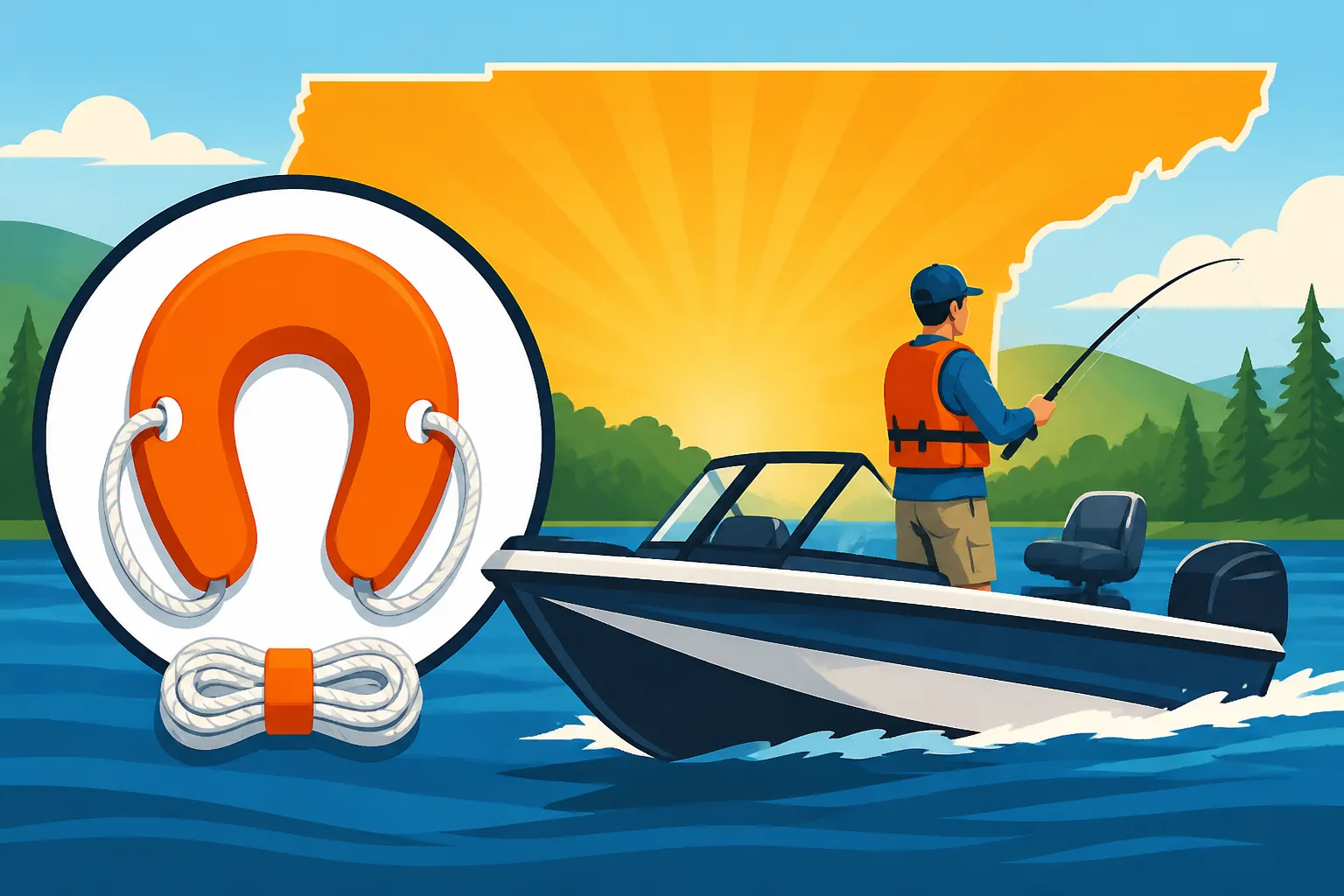
These are the classic "life preserver" rings, typically round, white or orange, and often found with a rope attached. They are generally seen on larger vessels, commercial boats, or docks, but are perfectly acceptable and often preferred for larger recreational boats.
- Pros: Their weight and shape make them easier to throw longer distances and more accurately, especially in windy or choppy conditions. They are highly visible and specifically designed for emergency flotation, so there's less chance of them being misused.
- Cons: They are bulkier and can be harder to store on smaller recreational boats, requiring dedicated mounting brackets. They are generally more expensive than buoyant cushions.
Here's a quick comparison of the PFD types, with a focus on Type IV:
| PFD Type | Intended Use | Buoyancy (Minimum) | Wearable/Throwable | Turns Unconscious Face Up? | Best For |
|---|---|---|---|---|---|
| Type I | Offshore, rough waters | 22 lbs | Wearable | Yes | Extended survival, remote areas |
| Type II | Near-shore, calm waters | 15.5 lbs | Wearable | May not | General recreational boating in calm waters |
| Type III | Flotation Aid | 15.5 lbs | Wearable | No | Active recreational sports, comfortable |
| Type IV | Throwable Device | 16.5 lbs | THROWABLE ONLY | No | Supplemental aid for conscious victims |
| Type V | Special Use Device | Varies | Wearable (usually) | Varies | Specific activities (e.g., kayaking, work) |
As you can see, the Type IV throwable device fills a crucial gap in boating safety by providing an immediate, secondary flotation option for those unexpected "man overboard" situations.
Boats 16 Feet and Longer: Who Needs One?
The specific wording of the Tennessee regulation is key: it applies to "all vessels 16 feet or more in length." This isn't just an arbitrary measurement; it's a threshold often used in boating regulations across the country to distinguish between smaller, often single-person craft and larger vessels that typically carry more passengers and operate in more open waters.
Defining "16 Feet and Longer"
So, how do you measure your boat to determine if this rule applies to you? The length of a vessel is generally measured from the tip of the bow in a straight line to the stern, excluding any outboard motors, brackets, bowsprits, or swim platforms. This is often referred to as the "length overall" (LOA) or "registered length." If your boat, measured this way, is exactly 16 feet or extends beyond that, then you are required to have at least one Type IV throwable device on board.
This means that many popular boat types on Tennessee's waters fall under this rule.
- Larger fishing boats: Most bass boats, center consoles, and even some larger jon boats will easily meet or exceed the 16-foot mark. For instance, if you're out chasing those legendary bass on Chickamauga Lake in a 19-foot bass boat, this rule applies directly to you.
- Pontoons and Deck Boats: Almost all pontoon boats and deck boats are well over 16 feet in length, making a throwable device mandatory. These boats often carry more passengers, increasing the potential need for such a device.
- Cruisers and Houseboats: These larger vessels are almost universally above the 16-foot threshold and absolutely require multiple PFDs, including at least one throwable device.
- Larger Runabouts and Ski Boats: Many of the family-friendly runabouts and ski boats found on lakes like Norris Lake or Percy Priest Lake will also be 16 feet or longer.
Understanding your boat's exact length is the first step to ensuring compliance. If you're unsure, consult your boat's manufacturer specifications or your vessel's registration documents. The size of your vessel also impacts other requirements, such as the need for fire extinguishers and sound-producing devices, all part of a comprehensive Safety Gear Checklist for Tennessee Boaters.
Exemptions and Special Cases
While the "16 feet or more" rule covers a vast array of vessels, there are a few notable exemptions to be aware of. The primary exemptions typically revolve around vessels that are inherently small, non-motorized, or operate in a manner that makes a throwable device less practical or necessary compared to other PFD types.
- Canoes and Kayaks: Regardless of their length, canoes and kayaks are generally exempt from the Type IV throwable device requirement. This is because occupants in these vessels are typically expected to wear a PFD at all times, given the higher likelihood of capsizing and the ease with which one can re-enter the vessel or swim to shore. For example, even a 17-foot tandem kayak, while exceeding the length, falls under these specific exemptions. The rules for these types of vessels are often different, as highlighted in topics like Do Kayaks Need to Be Registered in Tennessee?, which also points to their unique regulatory framework.
- Paddleboards and Rowboats: Similar to canoes and kayaks, these unmotorized, typically smaller craft are also usually exempt. The direct and continuous interaction with the water and the expectation of wearing a PFD make the throwable device requirement redundant.
- Sailboards/Windsurfers: These highly specialized craft have their own set of specific regulations, and the Type IV throwable rule typically does not apply.
It's important to remember that while these vessels might be exempt from the throwable device rule, they still have stringent PFD requirements, usually mandating that an approved wearable PFD be carried for each person on board, and often, worn by particular age groups or during specific conditions. The key takeaway is to know your vessel type and its specific requirements, not just the general rule. When in doubt, always err on the side of caution and carry one.
Choosing the Right Throwable Device for Your Boat
Once you've confirmed that your boat is 16 feet or longer and therefore requires a Type IV throwable device, the next step is selecting the right one. It's not just about grabbing the first thing you see; considering factors like material, buoyancy, and how it suits your specific boating activities can make a real difference in an emergency.
Considering Material and Buoyancy
The effectiveness of any PFD, including a throwable device, largely comes down to its construction and its ability to provide adequate flotation.
- Material: Most Type IV devices, whether buoyant cushions or ring buoys, feature an outer shell made from durable, marine-grade materials like vinyl, heavy-duty nylon, or polyester fabric. These materials are chosen for their resistance to UV damage, mildew, and general wear and tear from exposure to water and sun. The inner core is typically made of closed-cell foam, which is crucial because it doesn't absorb water. If the foam were open-cell, it would become waterlogged and lose its buoyancy over time. When choosing, look for robust stitching and a material that feels substantial, not flimsy. You want something that can withstand being thrown, grabbed, and potentially dragged through the water without falling apart.
- Buoyancy Rating: All U.S. Coast Guard-approved Type IV devices will have a minimum buoyancy rating of 16.5 pounds. This means they are designed to provide enough lift to keep an average adult's head above water. While you won't typically find devices marketed with "higher" buoyancy for Type IV, ensuring yours is approved and meets this minimum standard is critical. Check for the Coast Guard approval stamp or label on the device itself. A good rule of thumb is that if it looks worn, faded, or suspiciously cheap without proper labeling, it might not meet the standard. Retailers like Bass Pro Shops or online marketplaces like Amazon will clearly list the Coast Guard approval status for their PFDs.
It's also worth noting the color. Bright, high-visibility colors like orange, yellow, or even vibrant red are preferred. In an emergency, especially in choppy water or low light, a brightly colored device is much easier for a person in the water to spot and for rescuers to locate.
Matching Device to Boat Type and Activity
The type of boat you have and the activities you typically engage in can help you decide between a buoyant cushion and a ring buoy, or even influence where you buy it.
- For smaller fishing boats or runabouts: A buoyant cushion is often a practical choice. It's compact, can be stored more easily, and is often less expensive. If you're primarily doing Boat Fishing Rules and License Requirements in Tennessee on a smaller bass boat or a runabout on a lake like Percy Priest, a sturdy cushion fits the bill perfectly. Just ensure it's not buried under tackle boxes or other gear! Its smaller size and lighter weight make it easy to grab and toss quickly.
- For larger pontoon boats, cruisers, or houseboats: A ring buoy might be a more effective option. Its increased weight and larger profile make it easier to throw accurately over longer distances, which can be critical on a big lake with significant wind or current. For example, if you're navigating the wide expanses of the Tennessee River, the extra throwing range of a ring buoy could be a lifesaver. Plus, these larger boats usually have more space to mount a ring buoy in a visible, easily accessible location.
- Consider the number of people: While only one Type IV is legally required, if you often have a large group on board, especially children, you might consider carrying more than just the bare minimum. While not required, an extra cushion or two could provide additional peace of mind.
Ultimately, the best throwable device is the one that you can deploy quickly and effectively in an emergency. Think about the physical layout of your boat, where you typically sit or stand, and how quickly you could get to and throw the device if someone suddenly went overboard. Don't just meet the letter of the law; consider how to best meet its spirit of safety.
Proper Placement and Maintenance of Your Throwable Device
Having the right Type IV throwable device is only half the battle; ensuring it's always ready for action is the other. Many boaters inadvertently render their safety gear useless by improper storage or neglecting routine care. The TWRA's regulations specifically address this, emphasizing accessibility above all else.
Accessibility is Key
The rule states that the Type IV throwable device must be "readily accessible." What does this mean in practical terms? It means it cannot be stored in a compartment that requires a key or combination to open, nor can it be buried under a pile of gear, clothing, or fishing rods. It needs to be somewhere that anyone on board could grab and deploy within a matter of seconds, without fumbling or obstruction.
Consider these common scenarios and what "readily accessible" looks like:
- On a pontoon boat: A buoyant cushion could be stored flat on a seat, as long as it's the top item and not covered by other cushions, towels, or bags. Many pontoon owners prefer to keep a ring buoy mounted on a rail, making it extremely visible and easy to detach.
- On a bass boat: This can be trickier, given the often-cramped storage on performance bass boats. A buoyant cushion might be placed on the rear deck, un-covered, or secured to a railing where it won't impede movement but can be quickly grabbed. It certainly shouldn't be stashed deep inside a tackle compartment.
- On a runabout: Often, these boats have an open stern area or a designated spot on the dash or under a clear seat that allows for quick access.
The core idea is speed and simplicity. If you have to take time to explain where it is, or if it requires significant effort to retrieve, it's not "readily accessible." Practice grabbing and throwing it (maybe not into the actual lake, but simulating the action) to ensure your chosen location truly works in an emergency. This proactive approach applies to all your safety gear, as detailed in our comprehensive guide Essential Safety Gear Checklist Before a Tennessee Fishing Trip.
Regular Checks and Care
A throwable device, like any piece of safety equipment, isn't a "set it and forget it" item. It requires periodic inspection and proper maintenance to ensure it will perform when needed most.
- Inspect for Damage: Regularly check the outer material for any rips, tears, or excessive wear. Even small punctures can allow water to seep into the foam core, which can reduce buoyancy over time. Look for signs of mildew or sun damage (fading, brittleness). For ring buoys, check the integrity of any attached ropes and their connection points.
- Check for Waterlogging: Pick up the device and feel its weight. If it feels unusually heavy, it might be waterlogged, meaning the foam has absorbed water. This significantly compromises its flotation capabilities. A waterlogged device is essentially useless.
- Avoid Misuse: While buoyant cushions can double as seats, making it a regular habit can compress the internal foam. Over time, this compression can permanently reduce the cushion's buoyancy. It's best to use them only for emergencies or as a temporary, light-use seating option, but never as a permanent fixture that is constantly sat on or squashed.
- Clean and Store Properly: After each trip, especially if it's gotten wet, allow your throwable device to air dry completely before storing it. This prevents mildew growth. Store it in a cool, dry place out of direct sunlight when the boat is not in use, if possible. This prolongs the life of the materials and foam.
By following these simple maintenance steps, you ensure that your Type IV throwable device remains in optimal condition, ready to serve its critical purpose. Remember, a degraded or inaccessible device is just as bad as not having one at all.
Consequences of Non-Compliance and What to Expect
Ignoring boating safety regulations in Tennessee isn't just about risking a fine; it's about putting lives in jeopardy. However, understanding the legal ramifications of not having a Type IV throwable device can be a powerful motivator for compliance. The TWRA takes these rules seriously, and their game wardens are diligent in enforcing them.
Potential Fines and Penalties
If a Tennessee Wildlife Resources Agency (TWRA) game warden stops your boat and finds you are operating a vessel 16 feet or longer without a readily accessible, Coast Guard-approved Type IV throwable device, you can expect consequences.
- Initial Stop: The warden will typically pull alongside your vessel or direct you to a safe area. They will likely ask to see your registration, proof of Tennessee Fishing License Costs and Types, and conduct a safety inspection. This is standard procedure for checking various compliance issues, from proper registration to having the required number of life jackets for everyone onboard, including specific requirements for those born after a certain date, as discussed in Tennessee Boating Safety Education Certificate Guide.
- Violation Identification: If they discover the absence of the Type IV device, they will inform you of the violation.
- Warning or Citation: For a first offense, especially if it's an otherwise compliant boater and the situation isn't egregious, a warning might be issued. This is often an educational opportunity, explaining why the device is necessary and giving you a chance to correct the deficiency. However, it's much more common to receive a citation. A citation is essentially a ticket, similar to a traffic ticket, which carries a specific fine amount. These fines can vary, but they are designed to be a deterrent and cover administrative costs. Expect a fine that can certainly put a damper on your fishing trip budget. While I can't give specific figures, know that it's far less costly to buy the required device than to pay the penalty.
- Delayed Trip: Beyond the financial penalty, a stop for a safety violation also means a delay to your plans. The warden might hold you until the issue is resolved (e.g., if a friend can bring a device to you), or they might advise you to return to shore to rectify the situation before continuing. This loss of valuable time on the water can be frustrating, but it's a direct result of non-compliance.
It's crucial to remember that ignorance of the law is not a valid excuse. As a boat operator, you are responsible for knowing and adhering to all applicable Tennessee boating regulations. The TWRA publishes its rules clearly, and it's up to us as responsible anglers and boaters to stay informed. This is no different than understanding the Penalties for Fishing Without a License in Tennessee – the rules are there for a reason, and enforcement ensures safety for all.
The Real Cost of Negligence
While fines and delays are certainly unpleasant, the true cost of neglecting safety regulations like the Type IV throwable device rule can be far more devastating: the loss of a life. Imagine the unspeakable grief and regret if someone falls overboard, and you realize you had the chance to provide immediate flotation but didn't because you failed to comply with a simple, inexpensive rule.
- Moral and Ethical Burden: If an accident occurs and someone drowns, the moral burden on the boat operator and those on board can be immense. Knowing that a readily available throwable device could have made a difference is a heavy weight to carry.
- Legal Liability: Beyond the TWRA citation, in the event of a serious accident or fatality, failing to have required safety equipment can open you up to significant civil liability. This could involve lawsuits for wrongful death or personal injury, leading to substantial financial and legal battles.
- Reputation and Community Impact: No one wants to be known as the boater who cut corners on safety. The boating community in Tennessee is often tight-knit, and prioritizing safety is a shared value.
- Peace of Mind: Conversely, the peace of mind that comes from knowing you are fully prepared for an emergency is priceless. Investing a small amount in a Coast Guard-approved throwable device, and ensuring it's always accessible and in good condition, is a small price to pay for that security. Knowing that you've done everything you can to protect your passengers, just like choosing the Best Fishing Gear for Beginners to make a first trip enjoyable, allows you to truly relax and enjoy Tennessee's beautiful waterways without unnecessary worry.
In essence, the Type IV throwable device isn't just a requirement; it's an essential piece of your on-water safety net. Take the time to understand the rule, choose the right device (easily found at Bass Pro Shops or on Amazon), ensure it's accessible, and maintain it properly. Your life, or the life of someone you care about, might depend on it.
Disclaimer
This article is for general informational purposes only and does not constitute professional advice. Laws, prices and regulations vary by location and change over time. Consult a qualified professional for guidance on your specific situation.