Best Boats for Fishing Norris Lake in Tennessee
Navigating the vast, deep, and often clear waters of Norris Lake presents a unique challenge for anglers looking to find the perfect fishing vessel. It's not like fishing a small pond where almost any boat will do; Norris demands a boat that can handle its impressive size, sudden changes in weather, and diverse fishing opportunities. If you've ever felt overwhelmed trying to figure out if a bass boat, a pontoon, or something else entirely is the right fit for your adventures on this beautiful Tennessee gem, this guide is specifically designed to cut through that confusion and help you make an informed decision about the best boats for fishing Norris Lake.
Understanding Norris Lake's Unique Characteristics
Before we even talk about specific boat types, it's crucial to understand what makes Norris Lake, well, Norris Lake. This reservoir isn't just another body of water; its distinct features significantly influence what kind of boat will serve you best. From its immense depths to its sometimes-tricky shoreline, knowing the environment is half the battle in choosing your ideal fishing machine.
The Deep, Clear Waters and Steep Drop-offs
Norris Lake is renowned for its exceptional water clarity and dramatic underwater topography. We're talking about depths that can plunge hundreds of feet, coupled with stark underwater cliffs, submerged timber, and sharp contour changes. This isn't a shallow, muddy fishing hole; it's a deep, often crystal-clear system that demands respect from both anglers and their equipment.
Fishing in such clear, deep water means that fish often relate to structure that's not visible from the surface. You'll spend a lot of time scanning with your electronics, searching for those subtle ledges, humps, or suspended schools of baitfish. A boat that offers a stable platform for interpreting sonar readings and allows for precise boat positioning, even in a breeze, becomes incredibly valuable. The clear water also means fish can be more wary, often requiring longer casts or specialized techniques that a well-designed casting deck on a boat can facilitate.
Furthermore, a boat designed to handle deep water will have a hull that can cut through the chop that inevitably develops on such a large expanse. You don't want to be caught in a small craft when a squall rolls in or when heavy boat traffic creates rollers. A deeper V-hull can provide a much smoother, safer ride, allowing you to comfortably travel across the lake even when conditions are less than ideal.
Shoreline Access and Terrain
Unlike some other lakes with gentle, sloping banks perfect for wading or easy bank fishing, Norris Lake often features steep, rocky shorelines. This means that bank access for fishing is often limited, making a boat almost a necessity for exploring the vast majority of its coves, points, and river arms. Trying to reach prime fishing spots without a boat on Norris is like trying to hike a mountain without sturdy boots – possible, but far from ideal and often frustrating.
The steep terrain extends to many of the boat ramps as well. While there are plenty of excellent launch facilities, some can be quite steep, especially during lower water levels. This means you need a boat and trailer combination that your tow vehicle can handle with confidence. A smaller, lighter boat might be easier to launch and retrieve single-handedly on these ramps, while a larger, heavier setup will definitely require more power and careful maneuvering. Think about where you plan to launch most often and consider the angles and conditions of those particular ramps. You can find more details on general ramp conditions in our Boat Ramp Access on Tennessee's Major Lakes guide.
Moreover, the sheer amount of shoreline on Norris Lake (over 800 miles!) means you'll likely want a boat that can cover distance efficiently. While kayaking can be amazing for specific coves, if you want to explore different arms of the lake, move from point to point, or follow migrating fish patterns, a boat with reliable engine power becomes essential.
Diverse Fish Species and Fishing Styles
Norris Lake is a veritable smorgasbord for anglers, boasting a fantastic variety of sport fish. You can find trophy largemouth and smallmouth bass, hard-fighting striped bass, delicious crappie, chunky walleye, and plenty of panfish like bluegill and shellcrackers. This incredible diversity means that your preferred target species and fishing style will heavily influence your boat choice.
Are you primarily a bass angler who loves to pitch jigs to cover or throw crankbaits along ledges? A boat designed for quick movement, ample casting decks, and powerful trolling motors will be your friend. If you're chasing suspended striped bass in open water, you might prioritize speed, a deep V-hull for rough water, and plenty of storage for trolling gear. For crappie or panfish, especially if you enjoy spider rigging or just leisurely jigging, stability and space for multiple anglers might be more important than blistering speed.
Someone targeting walleye might need specific features like rod holders for trolling deep diving crankbaits and a sonar system capable of accurately marking bottom structure. Even if you're a multi-species angler, think about which species you'll be dedicating most of your time to. The best boat for fishing Norris Lake is one that aligns perfectly with your angling ambitions and the techniques you love to employ.
Top Boat Types for Norris Lake Anglers
With Norris Lake's characteristics in mind, let's dive into the types of boats that most commonly grace its waters and why each might be a great, or not-so-great, choice for your specific fishing needs.
Bass Boats: Speed, Storage, and Precision
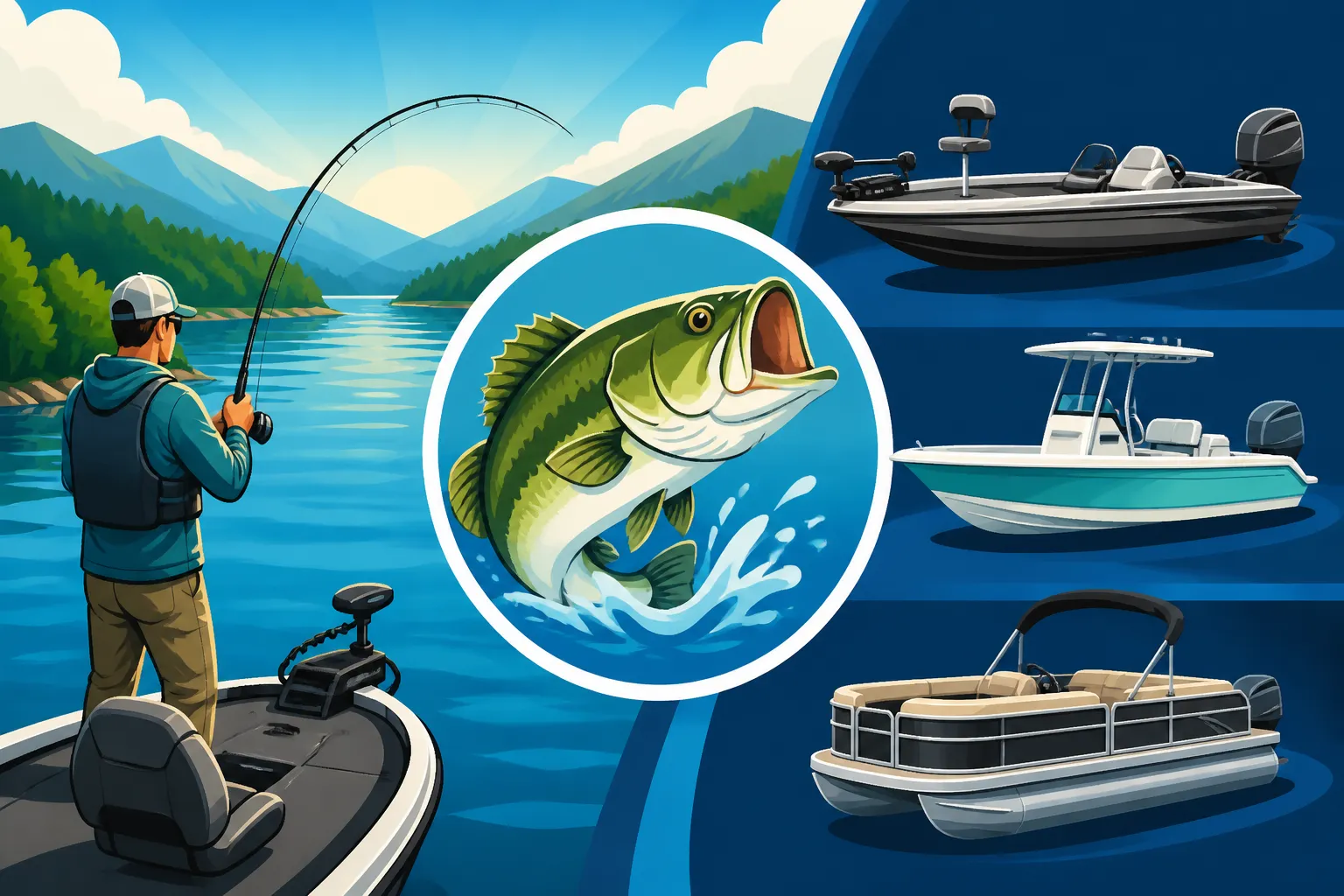
Ah, the classic bass boat. These sleek, powerful machines are a familiar sight on Norris Lake, especially during tournaments. They are specifically designed for competitive bass fishing, and they do it incredibly well.
The primary advantages of a bass boat are their speed, impressive storage capacity, and angler-focused layout. With powerful outboard motors, they can get you across vast stretches of Norris Lake in a hurry, which is crucial if you're trying to hit multiple spots during a short bite window or navigate to a far-off fishing ground. Their expansive front and rear casting decks provide a stable, elevated platform perfect for sight fishing or making long, accurate casts. Underneath these decks, you'll find cavernous storage compartments for rods, tackle, safety gear, and more. Modern bass boats also feature sophisticated livewell systems to keep your catch healthy for weigh-ins. When it comes to chasing the big ones, many anglers find Best Bass Fishing Spot on Norris Lake from the deck of a bass boat.
However, bass boats do have their limitations, particularly on a lake like Norris. Their low-profile design, while great for cutting through the wind and allowing for easy casting, can make for a very wet and bumpy ride in rough water. If the wind whips up or there's heavy boat traffic creating large waves, you'll feel every bump. They also tend to be less versatile for other fishing styles, and while you can take your family out on one, they aren't typically designed for comfortable leisure cruising or accommodating large groups. For the dedicated bass enthusiast, they're hard to beat, but for a family-oriented or multi-species angler, their specialized nature might be a drawback.
Deep-V Walleye Boats/Multi-Species Boats: Versatility for All Conditions
If you're looking for a boat that can truly do it all on Norris Lake, a deep-V multi-species or walleye boat should be high on your list. These boats blend many of the best features of bass boats with the rough-water capability of a traditional utility boat.
The defining feature of these boats is their deep-V hull, which allows them to slice through waves and chop with remarkable comfort. You won't get soaked and bounced around nearly as much as in a low-profile bass boat when the lake gets nasty. This makes them ideal for covering long distances on Norris, especially when moving between different fishing zones or dealing with strong winds. They offer generous interior space, often with convertible seating, allowing them to switch easily between a serious fishing platform and a comfortable family cruiser. This versatility is perfect for anglers who want to target bass one day, troll for walleye or stripers the next, and then take the kids out tubing on the weekend.
Many multi-species boats come equipped with large livewells, ample rod storage, and often feature both bow and stern casting decks that are comfortable but not as sprawling as a dedicated bass boat. Brands like Lund, Ranger (specifically their multi-species lines), and Crestliner are popular choices in this category. For those who want one boat that handles everything Norris can throw at it, from calm crappie fishing to rough-water striper trolling, a deep-V multi-species boat is an excellent compromise that often excels across the board.
Pontoon Boats: Family Fun with Fishing Capabilities
Pontoon boats are the ultimate party barges on many lakes, and Norris is no exception. While traditionally seen as leisure vessels, modern pontoons have evolved significantly and can be surprisingly effective fishing platforms, especially for specific styles or when family comfort is a priority.
The biggest advantage of a pontoon boat is its incredible stability and abundant space. The wide, flat deck provides a rock-solid platform that barely rocks, even with multiple people moving around. This is fantastic for families with young children, elderly anglers, or anyone who simply appreciates a steady ride. There's plenty of room for coolers, chairs, picnic lunches, and all your gear. For panfish, crappie, or even leisurely bass fishing, the sheer amount of deck space makes it easy for several anglers to fish comfortably without getting in each other's way. Many modern pontoons can be outfitted with fishing packages, including rod holders, livewells, and even comfortable swiveling fishing seats. They're also wonderfully social boats, perfect for combining a fishing trip with a family outing or a day of swimming and relaxing.
However, pontoons are not built for speed or rough water performance in the same way a deep-V boat is. While some performance pontoons with larger engines and lifting strakes can achieve decent speeds, they won't outrun a bass boat. Their flat bottom means they will pound through larger waves rather than cut through them, which can be an uncomfortable and wet experience. They also aren't ideal for precise boat positioning required for certain bass fishing techniques. But if your priority is comfort, stability, and family enjoyment, with fishing as a strong secondary consideration, a pontoon can be a fantastic choice for Norris Lake. You'll definitely want to check the specific engine size and hull design to ensure it meets your performance expectations.
Jon Boats and Utility Boats: Budget-Friendly and Adaptable
For anglers on a tighter budget, or those who prefer a simpler, more rugged approach, jon boats and other utility boats offer an accessible entry point to fishing Norris Lake. These boats are the workhorses of the fishing world, known for their simplicity, durability, and customization potential.
Jon boats are typically flat-bottomed aluminum boats, ranging from small car-toppers to larger, semi-V versions. Their main benefits include affordability, ease of maintenance, and the ability to access very shallow water or launch from less-than-ideal spots. They are lightweight, making them easy to tow and launch, which can be a huge plus on some of Norris's steeper ramps. Many anglers love to customize jon boats, adding floors, pedestals, trolling motors, and electronics to create a personalized fishing machine that perfectly suits their needs without breaking the bank. They're excellent for quiet cruising in coves, targeting panfish, or even for dedicated bass anglers who don't need blistering speed.
The trade-off for their affordability and simplicity is performance in rough water. A flat-bottom jon boat will deliver a very rough, wet ride in choppy conditions on a large lake like Norris. They are generally slower and not designed for covering long distances efficiently in big water. While a larger, deeper utility V-hull can mitigate some of these issues, they still won't offer the comfort of a dedicated deep-V multi-species boat. However, for the angler who prioritizes cost-effectiveness, ease of handling, and has the patience to pick their days or stick to calmer areas, a jon boat or utility boat can provide years of enjoyable fishing on Norris Lake. You can often find great deals on these at retailers like Bass Pro Shops or even through online marketplaces.
Key Features to Consider When Choosing Your Norris Lake Fishing Boat
Once you've got a general idea of the boat type that might suit you, it's time to drill down into the specific features that will make or break your Norris Lake fishing experience. Thinking about these details before you buy will save you a lot of headaches later on.
Hull Design and Stability
The hull is the foundation of your boat, and its design dictates how the boat performs on the water. On a lake like Norris, which can go from glassy calm to a choppy mess in minutes, hull design is paramount for both comfort and safety.
A deep-V hull, common on multi-species boats, offers the best ride in rough water. The sharp V at the bow cuts through waves, providing a smoother, dryer experience for passengers. This is especially important if you plan on fishing when the wind is up or if you frequently run long distances across the main lake. However, a deep-V hull can be less stable when sitting still, meaning it might rock more as you move around or if someone else is battling a fish. For serious fishing, especially standing on a casting deck, a boat that's stable at rest is a huge plus.
Conversely, a flatter hull, like those found on jon boats or some bass boats, offers superior stability at rest, making it easier to stand and cast. However, these hulls tend to pound and spray more in rough water, leading to a much less comfortable and often wet ride. Many modern bass boats try to strike a balance, incorporating a modified V-hull that offers a decent ride while maintaining stability for fishing. Pontoon boats, with their multiple tubes, offer unparalleled stability and deck space, but as mentioned, they're not built for speed or cutting through heavy chop. Think about how much rough water you're willing to endure versus how much stability you need for your preferred fishing style.
Engine Power and Fuel Efficiency
Norris Lake is massive, with over 34,000 acres of water and countless coves and channels. Covering this territory efficiently and safely requires adequate engine power. You don't want to be puttering across the lake for an hour to reach a spot, only to find the bite window is closing.
For larger boats, a powerful outboard motor is almost a necessity. It allows you to get on plane quickly, reach your destination in good time, and outrun impending storms. When considering horsepower, remember that more isn't always better if it means sacrificing fuel efficiency or exceeding the boat's rated capacity. Modern outboards are incredibly efficient, but a large engine on a heavy boat will still consume a significant amount of fuel over a full day of running. Many anglers prefer a four-stroke outboard for its quiet operation and fuel economy.
Think about your typical fishing trip. Do you mostly stick to one arm of the lake, or do you range widely? If you plan to explore the far reaches of Norris, investing in a boat with sufficient horsepower and a reliable, efficient engine will significantly enhance your experience. Don't forget to factor in the cost of fuel when budgeting for your boat!
Electronics and Trolling Motors
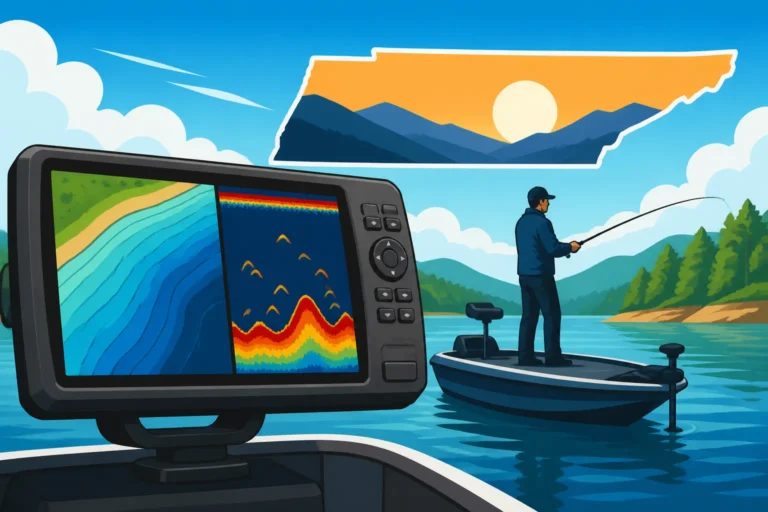
In the deep, clear waters of Norris Lake, high-quality electronics are not just a luxury; they are an absolute necessity. A reliable fish finder with good down imaging and side imaging capabilities will help you locate those deep ledges, submerged brush piles, and schools of baitfish that hold the biggest fish. GPS is also crucial for marking waypoints, navigating unfamiliar territory, and safely returning to the ramp, especially if you're out past dark.
A powerful and dependable trolling motor, preferably with GPS-enabled spot-lock technology, is equally vital. Whether you're holding your position over a deep-water hump, slowly picking apart a shoreline with jigs, or maneuvering against the wind, a good trolling motor gives you precise boat control. For a large lake like Norris, a 24-volt or 36-volt system with a thrust level appropriate for your boat's size and weight is highly recommended. Brands like Minn Kota and MotorGuide offer excellent options, which you can often explore and purchase through Amazon or specialized marine stores. Having these tools will dramatically increase your fishing success and reduce frustration on the water. For more specific guidance, check out our Best Fish Finders for Tennessee Reservoir Fishing article.
Storage, Livewells, and Comfort Features
Fishing often means bringing a lot of gear. Rods, tackle boxes, coolers, safety equipment, rain gear – it all adds up. A boat with ample, well-organized storage is a game-changer. Look for dry storage compartments that keep your gear safe from the elements, dedicated rod lockers, and easily accessible tackle storage areas.
If you plan on keeping your catch, especially for tournaments, a well-designed livewell system is critical. It should be adequately sized for the species you target, have good aeration, and ideally include a recirculation system to keep water fresh. Consider whether you need one large livewell or multiple smaller ones for different species.
Comfort features might seem secondary, but they become very important on long days. Comfortable seating, especially a well-padded helm seat, makes a big difference. Shade options, like a bimini top, are valuable during the scorching Tennessee summers. Other thoughtful touches might include a built-in cooler, cup holders, and even a small swim platform if you enjoy taking a dip. These elements contribute to overall enjoyment and can make a long day on the water much more pleasant.
Practical Considerations for Norris Lake Boating
Beyond the boat itself, there are several practical aspects of owning and operating a boat on Norris Lake that you'll want to factor into your decision-making process. Thinking about these details upfront can prevent unforeseen challenges down the road.
Launching and Trailering
As discussed earlier, some of Norris Lake's boat ramps can be steep. This means your tow vehicle needs to be up to the task of safely launching and retrieving your boat. A heavy boat on a single-axle trailer, pulled by a small SUV on a steep, slick ramp, is a recipe for a stressful day. Ensure your vehicle has adequate towing capacity and, ideally, four-wheel drive.
The trailer itself is also a critical component. It should be properly sized for your boat, with functioning lights, brakes (for heavier boats), and good tires. Maintenance on your trailer is just as important as on your boat, especially the wheel bearings, which are constantly submerged and subjected to wear. Practice backing up your trailer in an empty parking lot before attempting a busy Norris Lake ramp on a Saturday morning. You'll thank yourself later! Being confident with your trailer makes the whole experience much smoother. For tips on general boating rules, you might want to read Tennessee Fishing Regulations Explained.
Maintenance and Durability
A boat is an investment, and like any investment, it requires care and maintenance. The durability of your chosen boat type will impact how much time and money you spend on upkeep. Fiberglass boats are generally more robust and offer a smoother ride but can be more susceptible to gel coat damage from impacts and require waxing to maintain their finish. Aluminum boats, particularly jon boats and many multi-species boats, are incredibly durable, resistant to minor dents, and often require less cosmetic maintenance.
Regardless of the material, regular engine service is paramount. Changing oil, checking spark plugs, and winterizing your motor (if you store it for the cold months) will extend its life and prevent costly breakdowns. Keeping the boat clean, flushing the engine after use, and storing it properly (covered or indoors) will also help preserve its value and appearance. Neglecting maintenance on a boat used frequently on a large lake like Norris can quickly lead to expensive repairs and lost time on the water.
Budget and Resale Value
Let's be real, a boat is a significant purchase, and your budget will naturally play a huge role in your decision. Beyond the initial purchase price, remember to factor in ongoing costs like insurance, registration (Tennessee Fishing License Costs and Types can give you an idea of related permits), fuel, storage, and maintenance. Sometimes, a slightly higher initial investment in a quality boat can save you money in the long run through better reliability and higher resale value.
Speaking of resale value, certain brands and types of boats tend to hold their value better than others. Well-known manufacturers with a reputation for quality craftsmanship often command higher prices on the used market. While a boat is rarely an appreciating asset, choosing wisely can minimize depreciation if you ever decide to upgrade or sell. Consider your long-term plans: is this a boat you'll keep for decades, or do you anticipate trading up in a few years? This can influence how much you prioritize initial cost versus long-term value. Don't forget that accessories like high-end electronics or a quality trolling motor can also add to a boat's appeal and resale value.
Comparing Popular Norris Lake Fishing Boat Options
To help you visualize the trade-offs, here's a quick comparison of the common boat types discussed:
| Feature/Boat Type | Bass Boat | Deep-V Multi-Species Boat | Pontoon Boat | Jon Boat/Utility Boat |
|---|---|---|---|---|
| Primary Use | Tournament bass, fast travel | Versatile multi-species, family | Leisure, family, panfish | Budget fishing, shallow water |
| Rough Water Ride | Poor (wet, bouncy) | Excellent (smooth, dry) | Poor (pounds, wet) | Very Poor (harsh, wet) |
| Stability at Rest | Good (wide, flat deck) | Moderate (deeper V) | Excellent (wide, multiple tubes) | Good (flat bottom) |
| Speed | Excellent | Good | Moderate | Poor |
| Casting Deck | Excellent (large, elevated) | Good (bow & stern platforms) | Moderate (flat deck, open space) | Basic (can be customized) |
| Storage | Excellent (rod lockers, gear) | Good (versatile compartments) | Moderate (under seats, console) | Basic (highly customizable) |
| Livewell | Excellent (multiple, aerated) | Good (often aerated) | Optional (can be added) | Basic (can be added) |
| Family Friendliness | Moderate (fishing-focused) | Good (comfortable seating, space) | Excellent (space, comfort, safety) | Poor (basic, minimal comfort) |
| Price Point | High | High | Moderate to High | Low to Moderate |
| Typical Engine | High HP Outboard | Moderate to High HP Outboard | Moderate HP Outboard | Small HP Outboard/Trolling Motor |
Ultimately, the "best" boat for fishing Norris Lake is the one that best suits your individual fishing style, budget, and how you plan to enjoy this magnificent body of water. Whether you're a hardcore bass angler, a multi-species master, or a family looking for fun on the water, there's a boat out there for you.
Disclaimer
This article is for general informational purposes only and does not constitute professional advice. Laws, prices and regulations vary by location and change over time. Consult a qualified professional for guidance on your specific situation.