Tennessee’s Free Fishing Week for Kids
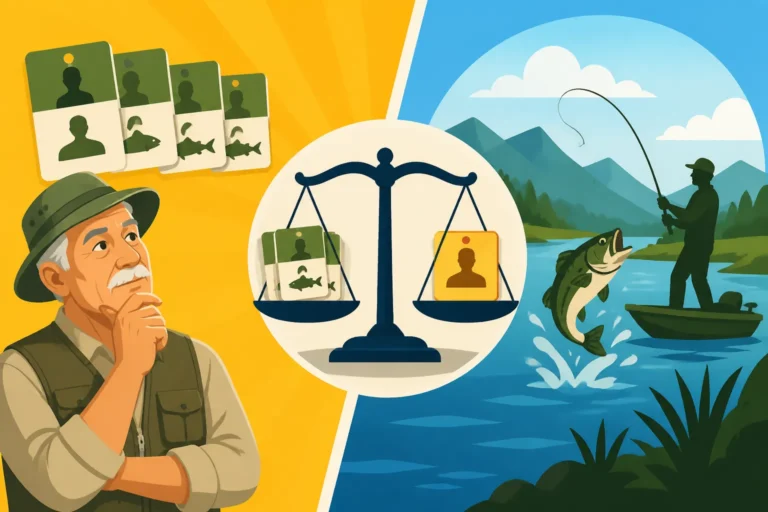
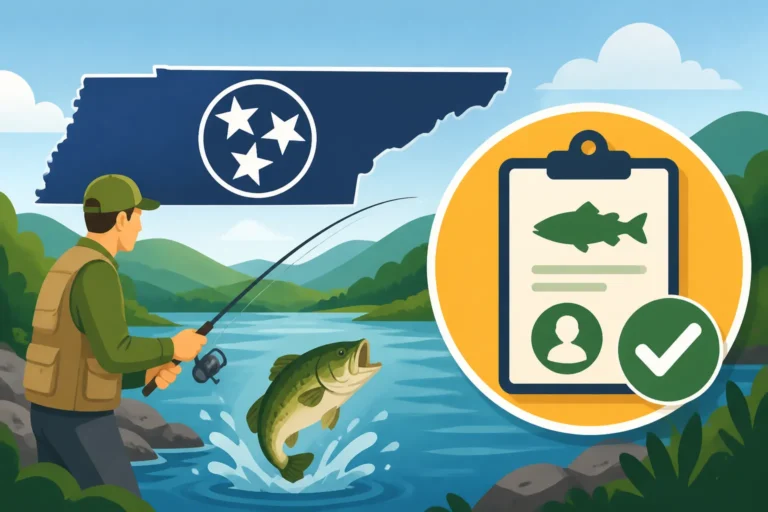
It's a familiar scene: you're trying to introduce your child to the joys of the great outdoors, perhaps even the quiet thrill of fishing, but the thought of navigating fishing licenses, regulations, and costs can feel like wading through muddy waters. For many families, that initial hurdle is enough to deter them from even dipping a toe in. That's why Tennessee's Free Fishing Week for Kids is such a lifesaver, offering a golden opportunity to let children experience angling firsthand without any of those common barriers.
Understanding Tennessee's Free Fishing Week for Kids
Introducing children to fishing is one of the most rewarding experiences a parent or guardian can have, and Tennessee truly makes it easier with its annual Free Fishing Week. This special period is specifically designed to get our youngest anglers excited about the sport, removing the primary barrier of needing a fishing license. It’s a thoughtful initiative that highlights the state’s commitment to fostering a love for nature and outdoor recreation in the next generation.
What is Free Fishing Week and How Does it Differ from Free Fishing Day?
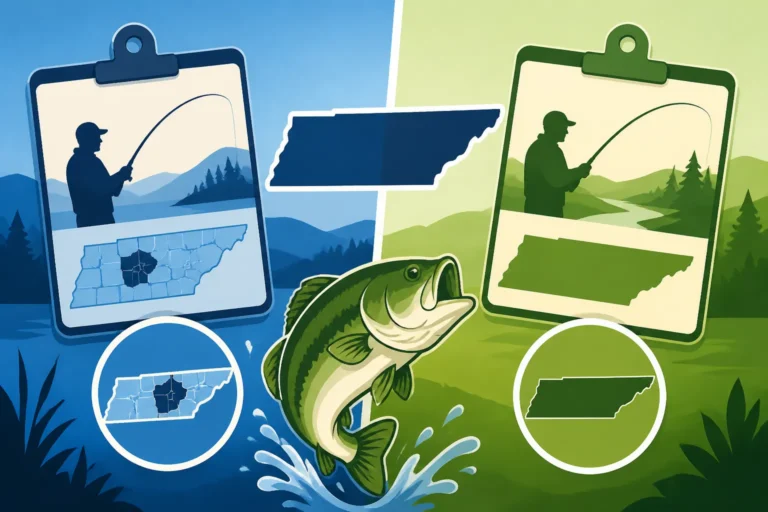
While many Tennesseans are familiar with Bobby Wilson Free Fishing Day in Tennessee, a single day where everyone (residents and non-residents alike, of all ages) can fish license-free, Free Fishing Week is a slightly different, more extended affair. Free Fishing Day, typically the first Saturday in June, is a fantastic launchpad for the season, a day of widespread celebration where the entire family can cast lines without worrying about permits. It’s a beautiful spectacle, seeing lakes and rivers come alive with anglers of every age.
However, the beauty of Free Fishing Week lies in its duration and its specific focus. This period immediately follows Free Fishing Day, running for a full week from the Sunday after until the following Friday. During this dedicated week, the license requirement is waived exclusively for children 15 years old and younger. This extended window gives families more flexibility, more opportunities to plan a fishing trip, and allows kids to truly immerse themselves in the experience beyond just a single Saturday outing. It’s not just a free day; it's a free experience for the youth.
Who Qualifies for Free Fishing During This Week?
The eligibility for Free Fishing Week is straightforward, which is part of its charm. Any child who is 15 years old or younger can fish in Tennessee's public waters without a fishing license. This applies to both residents of Tennessee and non-resident children visiting our beautiful state. It’s a wonderful gesture that ensures every kid, regardless of where they call home, has the chance to discover the magic of fishing. There's no paperwork, no online application, and certainly no cost for these young anglers during this specific week.
It’s important to clarify that this age limit is strictly enforced. Once a child turns 16, they are no longer eligible for the free fishing privileges of this week and would need to obtain a valid Tennessee fishing license if they wish to continue fishing. This transition period is why understanding Youth Fishing License Rules in Tennessee becomes crucial as your child grows and develops a deeper passion for the sport. For this special week, though, any kid under 16 can fish to their heart's content, making it an ideal time for parents, grandparents, or mentors to introduce them to the hobby.
When Does Free Fishing Week Typically Occur?
Marking your calendar for Free Fishing Week is pretty easy once you know the pattern. It consistently kicks off the day after Free Fishing Day falls on the first Saturday of Tennessee's fishing calendar. So, if Free Fishing Day lands on June 6, 2026, as it often does in early June, then Free Fishing Week for kids would begin on Sunday, June 7th, and run through Friday, June 12th. It's a prime time of year, with generally pleasant weather and many fish species becoming more active, making for exciting angling.
While the general timeframe is reliable, it's always a good idea to double-check the exact dates with the Tennessee Wildlife Resources Agency (TWRA) each year. They will publish the official calendar, often with reminders and details about any specific events or promotions tied to the week. Keeping an eye on the TWRA website or local outdoor news sources ensures you have the most up-to-date information, helping you plan your family's fishing adventures perfectly.
The Benefits of Free Fishing Week for Young Anglers and Families
Free Fishing Week isn't just about catching fish; it's about opening doors, building connections, and planting seeds for a lifetime of outdoor appreciation. The advantages extend far beyond the immediate joy of a tug on the line, creating ripple effects that benefit both the individual child and the family unit.
Removing Financial Barriers for First-Timers
One of the most significant hurdles for families considering a new outdoor hobby like fishing is often the initial outlay. Between rods, reels, tackle, and the often-overlooked cost of a fishing license, it can add up quickly, especially if you're not sure your child will even enjoy it. Free Fishing Week completely eliminates the license cost for kids, making that first step into fishing significantly less intimidating. Imagine not having to worry about purchasing a youth license right off the bat, giving you the freedom to focus on getting a basic rod, some bait, and heading to the water.
This reduced commitment is absolutely critical for encouraging participation. If a child tries fishing during Free Fishing Week and decides it's not for them, there's no sunk cost of a license. If they fall in love with it (which, let's be honest, is highly likely!), then you can confidently invest in a full Tennessee Fishing License Guide for them for future trips. It’s a fantastic "try before you buy" opportunity that truly supports families in exploring new recreational activities without financial pressure. It allows for a low-risk introduction to what can become a lifelong passion.
Fostering a Love for the Outdoors and Conservation
In today's increasingly digital world, getting kids outside can sometimes feel like a challenge. Free Fishing Week provides a compelling reason to disconnect from screens and reconnect with nature. When a child casts a line, waits patiently, and then feels that thrilling bite, they're not just fishing; they're engaging with an entire ecosystem. They're watching dragonflies, listening to birds, feeling the sun, and observing the subtle movements of the water. This direct interaction with the natural world is invaluable for their development and well-being.
Beyond the immediate outdoor experience, these moments lay the groundwork for a deeper understanding and appreciation of conservation. As kids learn about different fish species and their habitats, they naturally begin to understand the importance of protecting these environments. Fishing can be a powerful tool for teaching environmental stewardship, demonstrating firsthand why clean water, healthy fish populations, and responsible angling practices are so vital. It transforms abstract concepts of conservation into tangible, personal experiences, fostering a sense of responsibility for Tennessee’s incredible natural resources.
Educational Opportunities Beyond the Catch
Fishing is a masterclass in patience, observation, and natural science, all rolled into one exciting activity. During Free Fishing Week, kids aren't just trying to reel something in; they're learning about fish behavior, what different baits attract, and how weather conditions can influence a bite. They might even get curious about identifying their catch, leading to discussions about Tennessee's 291 Native Fish Species and 52 Sport Fish Explained. Each moment on the water presents a new learning opportunity.
Consider a child spending an afternoon by a pond. They're learning to cast, to identify different types of aquatic insects, or even to understand how water temperature affects fish activity. These are practical, hands-on lessons that can spark a lasting curiosity about biology, ecology, and outdoor skills. From understanding basic knots to learning how to properly release a fish, the educational benefits are immense. It’s an informal classroom with endless lessons, all while creating cherished family memories.
Where Kids Can Fish During Free Fishing Week
Tennessee is absolutely brimming with fantastic fishing spots, offering diverse environments from vast reservoirs to intimate streams. During Free Fishing Week, these waters become even more inviting for young anglers, offering countless opportunities to experience the thrill of a catch. The beauty is that most of Tennessee's public fishing areas are fair game, providing a wide array of choices for families.
Public Waters Across the State
When we talk about "public waters" in Tennessee, we're talking about the vast majority of our lakes, rivers, and streams that are accessible to the public. These include iconic bodies of water like Chickamauga Lake, Kentucky Lake, and Norris Lake, as well as smaller community lakes and countless miles of rivers like the Tennessee and Cumberland. The great news is that during Free Fishing Week, kids 15 and under can cast their lines in any of these locations without a license. This widespread access means families usually don't have to travel far to find a suitable spot.
Understanding What Counts as a Public Water for License Purposes is key, and essentially, if it's not explicitly private property that restricts access, it's generally considered public. This broad allowance means you can explore different environments, from tranquil pond settings perfect for panfish to larger lakes where you might encounter bass or catfish. Many of these public access points offer amenities like boat ramps, fishing piers, or ample bank access, making them ideal for a family outing. A quick search for local parks or public access areas will often yield excellent results for a convenient fishing trip.
TWRA Lakes and State Park Ponds
For families looking for particularly reliable and accessible fishing experiences, Tennessee's network of TWRA-managed lakes and state park ponds are excellent choices. The TWRA actively manages many smaller lakes across the state, specifically for public recreation. These often feature easy bank access, amenities, and are sometimes stocked with fish, making them prime locations for kids to have a higher chance of success. These waters are designed with the public, and especially new anglers, in mind.
Similarly, many of Tennessee's beautiful state parks boast ponds or lake access that are perfect for younger anglers. Spots like those highlighted in Best State Park Fishing Spots for Family Outings are not only scenic but also often have designated fishing areas, accessible piers, and facilities that make a family trip comfortable and enjoyable. While state parks may have their own specific rules regarding park hours or boat usage, the general fishing license waiver for kids during Free Fishing Week still applies. These locations often provide a safe, clean, and family-friendly environment, ideal for creating lasting memories.
Local Community Fishing Ponds
Sometimes, the best fishing spots are the ones closest to home, and local community fishing ponds often fit that bill perfectly. Many towns and cities in Tennessee have small, publicly accessible ponds that are frequently stocked with easy-to-catch species like bluegill and catfish. These smaller waters are fantastic for kids because they typically offer excellent bank access, don't require a boat, and provide a higher probability of catching something, which is crucial for keeping a child's interest.
These ponds, like some of the suggestions in Easy Bank-Access Ponds for a First Fishing Trip Near Knoxville, are often overlooked but can provide some of the most consistent action for young anglers. They're usually calmer, less crowded than major reservoirs, and offer a more controlled environment where kids can learn to cast and reel without feeling overwhelmed. It's a great way to introduce them to the basics, build their confidence, and ensure they have a positive first fishing experience. Don't underestimate the power of a small, local pond for sparking a lifelong love for fishing!
Tips for a Successful Free Fishing Week Outing with Kids
Taking kids fishing, especially for the first time, is an adventure in itself. While the goal is to catch fish, the real success lies in creating a fun, safe, and positive experience that encourages them to want to go again. A little planning and the right approach can make all the difference.
Choosing Kid-Friendly Gear and Bait
When you're taking a child fishing, simplicity is key, especially for their first outing during Free Fishing Week. You don't need a high-end, expensive setup. A basic spin-casting rod and reel combo, often called a "push-button" reel, is perfect. These are incredibly easy for small hands to operate, minimizing tangles and frustration. Look for combos in the 4 to 6-foot range with light to medium-light action. Brands like Zebco and Ugly Stik offer durable, affordable options that can withstand a bit of rough handling. Many retailers, including larger online platforms like Amazon, offer fantastic beginner kits that include a rod, reel, and a small tackle box to get started.
As for bait, live bait almost always outperforms artificial lures for beginner anglers, especially when targeting panfish. Worms (red wigglers or nightcrawlers) are universally effective and fascinating for kids to handle. Crickets are also excellent for bluegill. For a truly simple setup, consider a Simple Bluegill Rig for Kids, which usually involves a small hook, a split shot weight, and a bobber. The bobber provides a visual indicator of a bite, which is incredibly exciting for a child. Having a variety of small hooks, sinkers, and bobbers, along with some pliers to remove hooks, will cover most situations.
Targeting Easy-to-Catch Species
For a child's first fishing experience, success breeds enthusiasm. That's why targeting easy-to-catch species is paramount. In Tennessee, bluegill and other panfish (like sunfish) are the absolute superstars for young anglers. They are abundant in almost every public water body, readily bite on simple baits, and provide consistent action. The thrill of feeling even a small bluegill tug on the line is often enough to hook a child on fishing for life. Learning Bluegill Fishing Techniques for Kids will often lead to a much more productive and enjoyable outing.
While bigger fish like bass or catfish might be tempting, they can be harder to catch consistently, leading to long periods of inactivity that can quickly bore a child. Save those for when they've developed more patience and skill. Focus on quantity over size for these initial trips. If you're in an area known for crappie, they can also be good targets, especially during their spawning season when they move into shallower waters, though they might require a slightly different approach than bluegill. The goal is to maximize bites and celebrate every single catch, no matter how small.
Emphasizing Safety and Fun
Beyond the gear and the fish, the most important elements of a Free Fishing Week outing are safety and fun. Always ensure that children, especially those who can't swim, wear properly fitted life jackets when near or on the water. Sunscreen, hats, and plenty of water are essential, as days on the water can lead to sunburn and dehydration. Teach children how to handle hooks safely, both when baiting and unhooking fish. A small first-aid kit is also a wise addition to your tackle box.
But perhaps most importantly, keep the atmosphere light and positive. Fishing isn't always about catching fish; sometimes it's about the adventure, the quiet moments, and the time spent together. If the fish aren't biting, turn it into an opportunity to explore nature, skip rocks, or simply chat. Celebrate effort, not just results. A child's first fishing experience should be memorable for all the right reasons, instilling a sense of wonder and joy, rather than frustration. Let them get their hands dirty, reel in a fish (or a boot!), and just have a blast.
Important Rules and Regulations to Remember
While Free Fishing Week for Kids wonderfully removes the license requirement for young anglers, it's crucial to understand that this doesn't mean all rules go out the window. Just like any other time of year, fishing in Tennessee requires adherence to specific regulations designed to protect our fisheries and ensure sustainable angling for everyone. Being informed ensures a smooth and legal experience for your family.
Catch Limits and Size Restrictions Still Apply
This is a point that often catches people off guard. Even during Free Fishing Week, and even for kids fishing without a license, all other established fishing regulations remain in full effect. This includes daily creel limits (how many fish you can keep) and size restrictions (minimum or maximum lengths for certain species). For instance, if you're targeting crappie, even a 10-year-old would be subject to Crappie Limits Under Tennessee Fishing Rules, which typically allow for 20 fish per day, with only 5 of those being over 12 inches.
It's vital to check the current TWRA fishing guide for the specific body of water you plan to visit, as Lake-Specific Fishing Rules That Override Tennessee's Statewide Limits are common. Some lakes might have unique regulations for bass, crappie, or even panfish that differ from the statewide defaults. Ignoring these rules, even unknowingly, can lead to fines and penalties. The spirit of Free Fishing Week is to encourage participation, not to provide a free-for-all, so responsible angling and adherence to limits are still expected.
Adult Supervision and Licensing
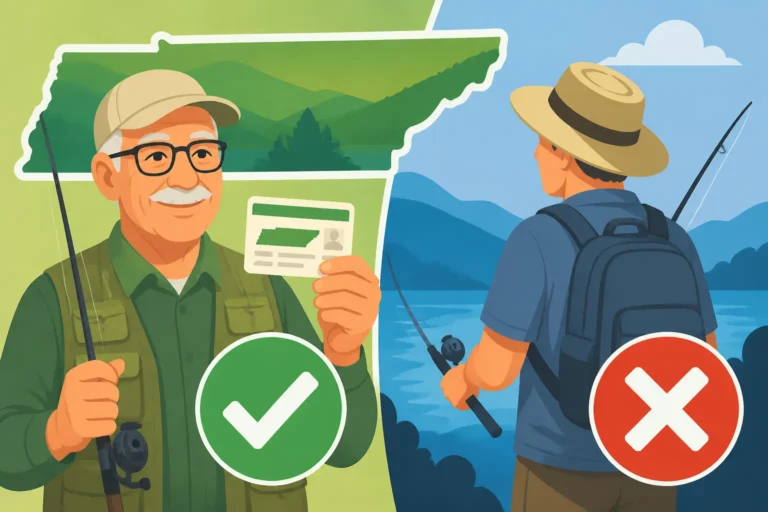
Here's another important detail: while the kids fish for free, any adult (age 16 and over) accompanying them who plans to fish themselves must possess a valid Tennessee fishing license. This is a common misconception during free fishing periods. If you, as a parent or guardian, plan to cast a line, even just to demonstrate or help untangle, you'll need to have your How to Get a Tennessee Fishing License in order. This could be an annual resident license, a short-term nonresident license, or another valid permit.
However, if an adult is simply supervising, coaching, or assisting a child without actively fishing (i.e., not holding a rod, not casting, not reeling in a fish themselves), they generally do not need a license. The key distinction is whether the adult is engaging in fishing activity. To avoid any confusion or potential issues with a game warden, it's always safest for any accompanying adult who might touch a fishing rod to have a license. This ensures you can fully participate in the fun without any worries.
Respecting the Environment and Other Anglers
Part of teaching kids to love fishing is teaching them to respect the places they fish and the people they share those places with. Free Fishing Week is an excellent time to instill principles of environmental responsibility and outdoor etiquette. This means practicing "Leave No Trace" principles: packing out everything you pack in, including all trash, discarded fishing line, and bait containers. Littering is not only harmful to wildlife but also detracts from the beauty of our natural spaces.
Additionally, teach children to be mindful of other anglers. This includes maintaining a respectful distance, keeping noise levels down, and being considerate when casting. Encourage proper handling of fish, especially those that will be released, to ensure their survival. Teaching these values early helps foster a generation of responsible anglers who understand that the health of our fisheries and the enjoyment of our outdoor spaces depend on everyone's actions. It's about being a good steward, not just a good fisherman.
Beyond Free Fishing Week: Continuing the Angling Journey
Free Fishing Week is just the beginning! If your child had a blast reeling in bluegill or perhaps even a feisty bass, that initial spark can be nurtured into a lifelong passion. Tennessee offers many pathways for young anglers to continue their journey, making it easy to keep the excitement going year-round.
Exploring Youth Fishing License Options
Once Free Fishing Week wraps up and your child has truly caught the fishing bug, the next logical step is to explore the available youth fishing license options. In Tennessee, children 15 years old and younger generally do not need a license. However, if they are approaching their 16th birthday, or if you simply want to support conservation efforts, understanding the various licenses becomes important. For instance, once a child turns 16, they are considered an adult angler and will need a standard fishing license, just like you would.
The Tennessee Wildlife Resources Agency (TWRA) offers various permits, including combination hunt and fish licenses for residents, which can be a cost-effective choice if your family enjoys other outdoor activities. By introducing your kids to the licensing system at an appropriate age, you’re not only ensuring legal compliance but also teaching them about their role in funding conservation programs that protect and enhance Tennessee’s fish populations and natural habitats. It’s an investment in the future of the sport.
Discovering More Family Fishing Opportunities
Fishing doesn't have to be a once-a-year event tied to Free Fishing Week. Tennessee has incredible fishing opportunities year-round, from the vibrant spring crappie spawn to the exciting fall trout stocking season. Make it a regular family activity! Explore new fishing spots – maybe a different state park pond each month, or try a new stretch of river. Many local communities and organizations, often in partnership with the TWRA, host youth fishing rodeos, clinics, and educational events throughout the year. These can be fantastic ways for kids to learn new skills, meet other young anglers, and deepen their interest in the sport.
Consider branching out beyond just "easy-to-catch" species. As your child's skills and patience grow, you might introduce them to targeting bass, catfish, or even trout in some of Tennessee's cooler streams. Family fishing trips create incredible bonding experiences and lasting memories, fostering a shared love for the outdoors. It's about building traditions and making outdoor recreation an integral part of your family's lifestyle.
Investing in Basic Gear for Future Adventures
After a successful Free Fishing Week, if your child is eager for more, it might be time to invest in some basic, reliable gear that will last beyond a single trip. A dedicated youth fishing combo, perhaps a slightly better quality spin-caster or even a lightweight spinning reel, can make a huge difference in their enjoyment and success. You don't need to break the bank; many reputable brands offer excellent entry-level equipment. Look for durable, easy-to-use rods and reels.
A small tackle box filled with their own bobbers, hooks, sinkers, and a few simple lures (like small spinners or plastic worms) can give them a sense of ownership and excitement. Retailers, including Amazon, provide a wide range of affordable and practical starter kits. This investment in their personal gear signals to them that their new hobby is valued and encourages them to take pride in their equipment. Having their own rod and tackle box makes every trip feel more official and personal, cementing their connection to the world of fishing.
| Feature | Bobby Wilson Free Fishing Day | Tennessee's Free Fishing Week for Kids |
|---|---|---|
| Who Can Fish? | All ages (residents & non-residents) | Kids 15 and under (residents & non-residents) |
| Duration | One specific Saturday in June | One full week (Sunday through Friday) |
| Timing | First Saturday of June | Immediately follows Free Fishing Day |
| License Waived | Yes, for everyone | Yes, for kids 15 and under only |
| Adult License | Not required for anyone | Required for adults (16+) who fish |
| Purpose | Broad public access for all | Focus on youth introduction to fishing |
Disclaimer
Please note that while this guide provides comprehensive information on Tennessee's Free Fishing Week for Kids, fishing regulations and dates can change. Always consult the official Tennessee Wildlife Resources Agency (TWRA) website or their current fishing guide for the most up-to-date and accurate information before planning any fishing trip. Adherence to all rules and regulations is the responsibility of the angler.