Only one largemouth bass over 18 inches may be kept daily
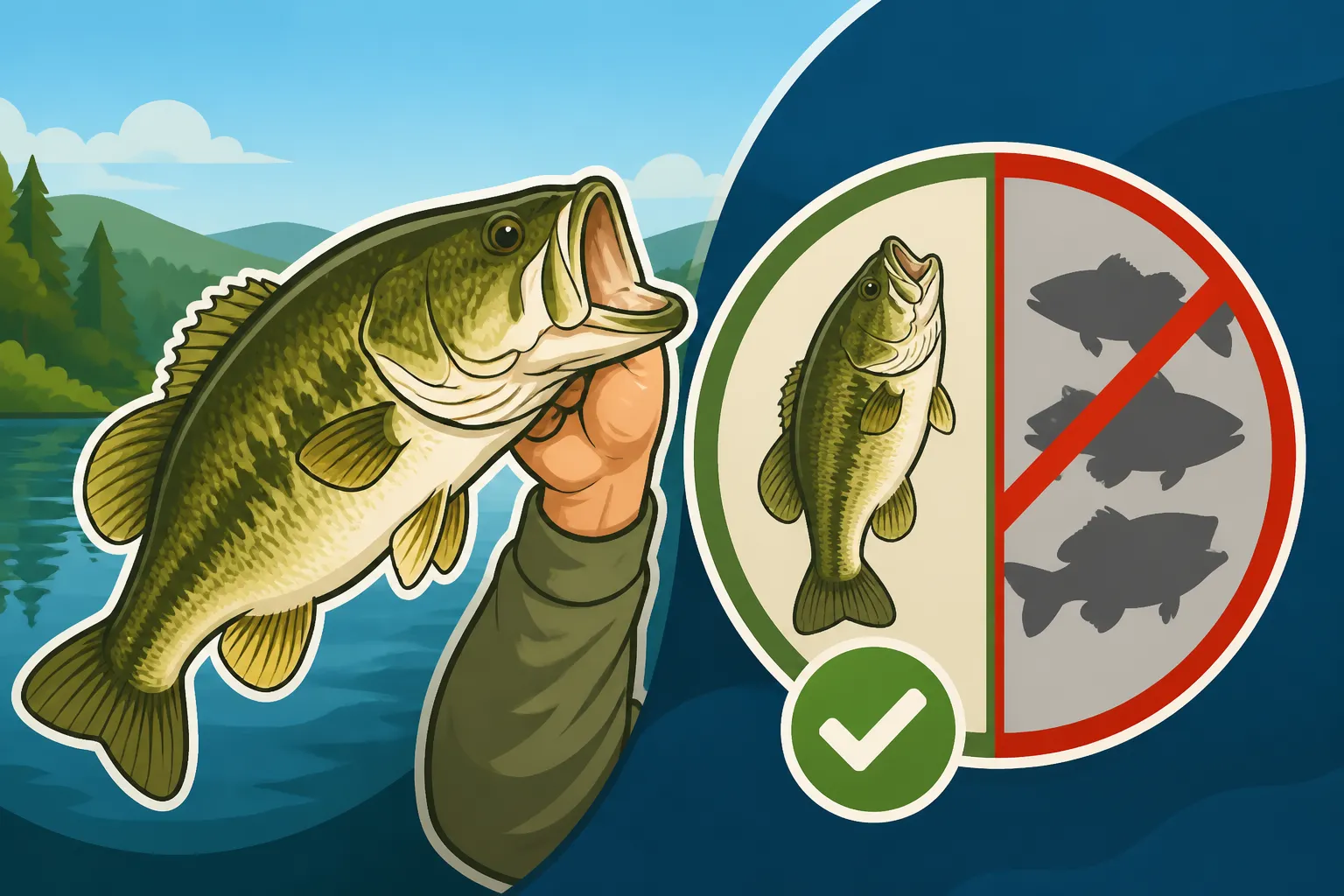
There's nothing quite as exciting as feeling that solid thump on your line, setting the hook, and battling a true Tennessee largemouth bass. But when you land a real lunker, a majestic fish that stretches beyond the average, a moment of confusion can sometimes creep in. Many anglers struggle to remember the precise rules regarding trophy-sized largemouth. This guide is here to clear up that confusion, specifically addressing the regulation that only one largemouth bass over 18 inches may be kept daily in Tennessee.
Understanding the "One Over 18 Inches" Largemouth Bass Rule
Catching a truly massive largemouth bass is a highlight for any angler, but it's crucial to understand Tennessee's specific regulations surrounding these bigger fish. While the statewide daily limit for largemouth bass is generous, there's a special provision designed to protect and promote the growth of trophy-sized fish: you can only keep one largemouth bass that measures over 18 inches per day. This rule is a cornerstone of Tennessee's fishery management, aimed at ensuring the long-term health and quality of our bass populations. It's not about preventing you from catching big fish; it's about making sure enough of them stay in the water to reproduce and grow even larger for future generations of anglers.
Why This Size Restriction Matters for Largemouth Bass
This specific length limit isn't just an arbitrary number conjured up by the Tennessee Wildlife Resources Agency (TWRA). It's a scientifically backed decision, part of a broader strategy known as "protected slot limits" or "minimum/maximum size limits" in other contexts. The 18-inch mark is generally considered the threshold where a largemouth bass has reached a significant reproductive age and has likely contributed to the gene pool for several spawning seasons. By restricting anglers to keeping only one such fish, the TWRA ensures that a healthy number of large, genetically superior bass remain in the water to continue breeding.
This practice directly benefits the fishery by maintaining a robust population of mature fish. Without such regulations, there's a risk of overfishing the larger, more desirable specimens, which could lead to a decline in the overall quality and size of bass in our lakes and rivers over time. Imagine if everyone kept every 20-inch bass they caught – soon, those impressive fish would become a rarity. This rule helps strike a balance, allowing anglers to still enjoy the reward of taking home a substantial fish while actively conserving the breeding stock. It's a forward-thinking approach that helps preserve the angling experience for everyone.
How to Accurately Measure Your Largemouth Bass
Proper measurement is absolutely critical to avoid unintentional violations. When a game warden asks to check your catch, they aren't just looking at the number of fish; they're also checking their sizes against the regulations. For a largemouth bass, the measurement is taken from the tip of the jaw (with the mouth closed) to the farthest tip of the tail (with the tail compressed). This "total length" measurement is the standard.
Many anglers use a bump board or a tape measure attached to their boat or a dedicated fish ruler. Lay the fish flat on its side, ensure its mouth is closed and touching the "zero" end of the measuring device, and then gently squeeze the tail lobes together to get the maximum length. It’s always a good idea to measure twice, especially if you think the fish is close to that 18-inch mark. A slight miscalculation could turn a legal catch into a violation. Having a reliable measuring device is just as important as having the right bait, so make sure yours is easily accessible and accurate before you even make your first cast.
What to Do If You Catch Multiple Large Largemouth Bass
So, you've hit the jackpot! You've caught two beautiful largemouth bass, both well over 18 inches. This is a fantastic problem to have, but it immediately puts you in a position where you must make a choice. According to Tennessee's fishing regulations, you are permitted to keep only one of these magnificent fish per day. The other must be released. This isn't just a suggestion; it's a strict rule.
The decision of which fish to keep and which to release often comes down to personal preference or the health of the fish. Some anglers might keep the larger of the two, while others might keep the one that seems less vigorous after the fight, ensuring the stronger, healthier fish goes back to reproduce. Regardless of your choice, the key is responsible handling and quick release of the fish you're not keeping. Knowing these rules beforehand is crucial, as ignorance isn't an excuse if you're checked by a game warden. This scenario perfectly highlights the balance between sport and conservation that the regulations aim to achieve.
Tennessee's Overall Largemouth Bass Limits
While the 18-inch rule focuses on individual trophy fish, it's just one piece of the puzzle when it comes to managing bass populations. The broader picture involves the daily creel limit, which applies to all largemouth bass, regardless of size (within legal parameters). Understanding both the overall limit and the specific size restriction is essential for staying compliant and contributing to sustainable fishing practices in Tennessee's incredible waterways. The Tennessee Fishing Regulations Explained article goes into even more detail about the various rules in place across the state.
The statewide daily limit for largemouth bass is 5 fish per day. This means that, in any given 24-hour period, you can keep a maximum of five largemouth bass. This limit is designed to prevent overharvesting of the species, ensuring that enough bass remain in the lakes and rivers to sustain the population. This overall limit, combined with the one-over-18-inches rule, creates a comprehensive management strategy. For instance, if you've kept one 19-inch largemouth, you can still keep four more largemouth bass, provided they are all 18 inches or under.
Daily Creel Limit for Largemouth Bass
The Largemouth bass limit in Tennessee is 5 fish per day. This limit applies across most of Tennessee's public waters. So, whether you're targeting bass on the mighty Chickamauga Lake or a smaller reservoir, you generally cannot possess more than five largemouth bass at any one time. This limit includes any fish you might have already kept that day. If you catch and keep three bass under 18 inches, and then later catch and keep one over 18 inches, you still have one more "slot" for a largemouth bass that is 18 inches or under.
It's important to remember that this is a daily limit, not a possession limit over multiple days unless you are camping or staying at a cabin and continuously possessing fish from previous days' catches without processing them. Most anglers simply abide by the daily limit from sunrise to sunset, or within a 24-hour period from their first cast. Always verify if any local or lake-specific rules supersede this statewide regulation, as some waters, especially Wildlife Management Areas or small city lakes, may have different limits. These details are usually clearly posted at boat ramps or access points.
Combined Limits with Other Bass Species
While largemouth bass have their own distinct daily limit and size restrictions, Tennessee also has regulations for other popular bass species. For instance, smallmouth bass, Alabama bass, and spotted bass often share a combined daily creel limit. This means that if you're catching a mix of these species, they all count towards a single, shared limit. Typically, the limit for these species combined is also 5 fish per day, though this can vary by waterbody.
For example, the Smallmouth, Alabama and spotted bass share one combined 5-fish daily limit, with specific size restrictions, often allowing only one fish over a certain length (like 16 inches) within that combined limit. This distinction is vital for anglers who might be targeting multiple bass species in the same outing, perhaps exploring the diverse fisheries in places like Dale Hollow Lake, known for its smallmouth. It's not uncommon to catch a largemouth and a smallmouth on the same trip. In such a scenario, your largemouth count would be separate from your smallmouth/spotted/Alabama bass count, but you'd still be restricted by the individual species limits and the "one over" rule for largemouth. Always check the current Tennessee Fishing Regulations Explained before heading out, as these rules can occasionally be updated.
Penalties for Exceeding Bass Limits
Let's be realistic: getting caught with more fish than allowed, or with an oversized fish when you've already kept your one, is not just a slap on the wrist. It's a violation of state law, and the Tennessee Wildlife Resources Agency (TWRA) takes these infractions seriously. The consequences for exceeding bass limits can range from significant fines to the forfeiture of your fishing gear, and in some cases, even the loss of your fishing privileges. A game warden has the authority to issue citations on the spot, and you'll likely have to appear in court.
Imagine you've had an incredible day on Kentucky Lake, but you got a little too excited and ended up with two largemouth over 18 inches in your livewell, plus a few others, pushing you over the 5-fish daily limit. When a TWRA officer checks your boat, you're looking at fines that can quickly add up, easily costing you hundreds of dollars. Not only that, but the stress and hassle of dealing with a legal issue can ruin what should have been a relaxing day on the water. It’s far better to err on the side of caution, measure meticulously, and release any questionable fish than to face the penalties. As a reminder, if you are unsure, just release the fish. It's simply not worth the risk.
Practical Tips for Adhering to Bass Regulations
Staying on the right side of Tennessee's fishing regulations isn't just about avoiding fines; it's about being a responsible angler and contributing to the health of our fisheries. The rules are there for a reason, to ensure that future generations can enjoy the same incredible fishing opportunities we have today. By adopting a few simple habits and making sure you have the right gear, you can easily comply with the "one over 18 inches" largemouth bass rule and all other limits. It’s about being prepared and mindful while you're out on the water.
Essential Gear for Responsible Bass Fishing
Having the right tools at hand makes all the difference when it comes to complying with regulations and practicing good sportsmanship. First and foremost, a reliable measuring device is non-negotiable. Whether it's a dedicated bump board like those from brands such as Fish Stik or a simple, accurate tape measure, ensure it's easily accessible in your boat or tackle box. This allows for quick and precise measurements without unduly stressing the fish. You can find excellent options for measuring devices on Amazon or at your local bait and tackle shop.
Next, invest in a quality fish scale if you're interested in weight, though it's not strictly required for regulations. However, for a quick reference, a scale can help you estimate size if you're trying to decide which of two large fish to keep. More importantly, proper fish handling tools are crucial for catch and release. A good set of long-nose pliers for hook removal, and perhaps a lip gripper or fish landing net, can minimize stress on the fish. For those delicate large bass, a large, rubberized landing net is ideal, as it protects their slime coat and fins much better than string nets. Lastly, always keep a copy of the current Tennessee Fishing Regulations Explained with you, either a physical pamphlet or a digital version on your phone.
Best Practices for Catch and Release
Even if you plan to keep your daily limit, you'll undoubtedly encounter many fish that need to be released, especially if you're chasing that one trophy over 18 inches. Proper catch and release techniques are paramount for the survival of those fish. Minimize the time the fish is out of the water. Handle the fish gently with wet hands to protect its protective slime coat. Avoid squeezing its belly or gills.
When removing the hook, use pliers to quickly back it out. If the fish is deeply hooked, it’s often best to cut the line as close to the hook as possible rather than trying to rip it out, which can cause internal damage. For larger fish, especially that prized largemouth over 18 inches that you decide to release, hold it horizontally, supporting its weight, and allow it to recover in the water until it swims away under its own power. Never just toss it back; gently submerge it, headfirst, and move it back and forth to force water over its gills until it's strong enough to swim off. These practices ensure that the fish has the best chance of survival, continuing to grow and contribute to the fishery. Remember, Catch-and-release tournaments still require licensed participants in Tennessee, underscoring the importance of these skills even when no fish are kept.
Staying Informed About Current Regulations
Fishing regulations are not set in stone forever. While the core rules tend to be stable, specific lake-specific exceptions, temporary changes, or updated statewide limits can occur. It is your responsibility as an angler to stay informed. The easiest and most reliable way to do this is by regularly checking the Tennessee Wildlife Resources Agency (TWRA) website. They publish the official annual fishing guide, which is updated yearly. You can also pick up a physical copy of the guide at most sporting goods stores or bait shops across Tennessee.
Additionally, many local bait and tackle shops are excellent resources for hyper-local updates, as they deal with these regulations daily. Don't be afraid to ask questions! Before embarking on a fishing trip, especially to a new lake or river, make a quick check. This vigilance ensures you won't accidentally break a rule simply because you weren't aware of a recent change. The Tennessee Fishing License Guide or a comprehensive guide like A Complete Guide to Fishing Licenses in Tennessee will often have links or references to the most current regulations, making it easier to find the information you need.
Here’s a quick overview of Tennessee's statewide bass limits:
| Species | Daily Creel Limit | Size Restriction | Notes |
|---|---|---|---|
| Largemouth Bass | 5 fish | Only 1 fish over 18 inches | Includes various color phases. |
| Smallmouth Bass | 5 fish (combined) | Only 1 fish over 16 inches | Combined with Alabama and Spotted Bass. |
| Spotted Bass | 5 fish (combined) | Only 1 fish over 16 inches (where applicable) | Combined with Smallmouth and Alabama Bass. |
| Alabama Bass | 5 fish (combined) | Only 1 fish over 16 inches (where applicable) | Combined with Smallmouth and Spotted Bass. |
| Striped Bass | 2 fish | 15-inch minimum length | Special rules apply to Cherokee, Melton Hill, and Watts Bar lakes. |
| White Bass | 15 fish | No minimum size limit | Often schooling fish, popular for their aggressive bites. |
| Hybrid Striped | 2 fish | 15-inch minimum length, 2 fish over 18 inches limit | Found in larger reservoirs, great fighters. |
Note: Always check the current TWRA Fishing Guide for any lake-specific or seasonal changes to these regulations. The table above provides general statewide guidelines.
Disclaimer
Please remember that fishing regulations, including creel limits and size restrictions, are subject to change. While every effort has been made to provide accurate and up-to-date information, it is the angler's sole responsibility to consult the official Tennessee Wildlife Resources Agency (TWRA) regulations before heading out. This guide is for informational purposes only and should not be considered a substitute for the official TWRA fishing guide.