Checking local rules before keeping trout caught between October and February
One of the trickiest parts about trout fishing in Tennessee, especially as the crisp air of autumn gives way to the chill of winter, is navigating the specific regulations that govern your catch. Many anglers, used to the more straightforward statewide limits during the warmer months, can easily get caught off guard when October rolls around, leading to potential fines or unintentional violations. This guide is dedicated to helping you understand exactly why and how you absolutely must check local rules before keeping any trout caught between October and February, ensuring your fishing adventures remain both fruitful and legal.
Understanding Tennessee's General Trout Season Split
Tennessee's approach to trout fishing isn't a one-size-fits-all, year-round deal. The state wisely recognizes that trout populations and angler pressure change dramatically with the seasons, especially when it comes to the colder months. This is why you'll find a clear split in the regulatory calendar.
The Statewide Standard for Warmer Months
From March through September, things are generally pretty consistent across most of Tennessee's trout waters. During this period, the statewide daily creel limit for trout is usually seven fish per day. This limit typically includes a stipulation that no more than two of those can be brown trout, which helps manage this particular species. It's a system designed to provide ample opportunity for anglers while also safeguarding the trout populations during their more active feeding and spawning periods. When you're fishing during these months, you're generally safe knowing these broader rules, though it's always smart to double-check. For a deeper dive into these general rules, you can explore the comprehensive guide to Tennessee Trout Fishing Season Explained.
The Shift to Water-Specific Rules in Colder Months
However, once October hits and extends through February, the game changes entirely for many waterways. This is when Trout limits shift to water-specific rules from October through February. Instead of a blanket statewide limit, many streams, rivers, and even sections of larger impoundments will have their own specific regulations. These might include different daily creel limits, slot limits (where fish within a certain size range must be released), or even a total catch-and-release mandate.
Imagine casting your line into your favorite stream near the Great Smoky Mountains National Park in mid-November, happily catching what you believe are legal-sized trout, only to realize that particular section of the stream has a two-trout limit, or even worse, is catch-and-release only during these months. It's a common scenario for those who don't stay vigilant about the details. This seasonal shift is critical, and understanding Why Tennessee's trout limit isn't the same in winter as in summer is key to being a responsible angler.
Why Local Rules Take Priority in Winter
The reason behind these localized, winter-specific regulations is complex, but it boils down to balancing conservation efforts with recreational opportunities. Trout are cold-water species, and their behavior and vulnerability change significantly as water temperatures drop.
Protecting Spawning Trout and Habitat
Many trout species, particularly brown trout and brook trout, spawn in the fall and early winter. During this sensitive period, they gather in shallower, gravelly areas of streams, making them more vulnerable to angling pressure. Local regulations are often put in place to protect these spawning fish and their eggs, ensuring the next generation of trout. For example, some stretches of the Holston River, famous for its trophy trout, might have specific restrictions to safeguard spawning populations.
Consider a small tributary of the Caney Fork River. During the summer, it might be open to a general limit. But come November, that same tributary could become a protected spawning area, with strict catch-and-release rules or even a temporary closure. Ignoring these specific rules isn't just a minor infraction; it directly impacts the long-term health and sustainability of the trout fishery. This is why consulting Tennessee Trout Limits and Season Rules for the current year is so crucial.
Managing Stocked vs. Wild Populations
Tennessee has a robust trout stocking program, with countless rainbow trout, and sometimes brown trout, introduced into various waterways throughout the year, including the colder months. Simultaneously, many streams host thriving wild or naturally reproducing trout populations, especially in the eastern part of the state. Local rules often differentiate between these.
For instance, a stocked put-and-take stream might have more liberal limits during the winter, encouraging anglers to harvest fish that are primarily meant for consumption and not for natural reproduction. Conversely, a wild trout stream, especially one holding native brook trout, might have extremely restrictive regulations year-round, or specifically enhanced protections during winter to preserve its delicate ecosystem. Anglers often need to be aware of whether they are fishing a stocked section versus a wild section, as the rules can vary considerably even on the same river system. Knowing when and where the Tennessee Wildlife Resources Agency (TWRA) is stocking can be beneficial, and information on the Tennessee Trout Stocking Schedule and Season can help with this.
Addressing Unique Waterway Characteristics
Every river, stream, and lake in Tennessee has its own unique characteristics—its size, depth, flow, food sources, and overall ecological balance. What works for the Clinch River might not work for a small headwater stream in Cherokee National Forest. Local regulations allow the TWRA and local conservation agencies to tailor rules to the specific needs of each waterway.
A deep, cold tailwater below a dam, like the South Holston River, might maintain a relatively stable trout habitat year-round, but still implement seasonal regulations to manage fishing pressure. On the other hand, a smaller, shallower stream might be highly susceptible to winter conditions, requiring more stringent protections. This level of granular control is why it's never enough to assume the rules you know for one body of water apply to another, even if they're geographically close. Remember that Some Tennessee lakes set catch limits that override the statewide defaults, and this principle applies equally, if not more so, to trout streams in winter.
How to Find Specific Waterway Regulations
Given the complexity, how do you ensure you’re on the right side of the law? The answer is diligent research before you even head out the door.
The Official TWRA Fishing Guide
Your first and most important resource is the current Tennessee Fishing Guide, published annually by the Tennessee Wildlife Resources Agency (TWRA). This comprehensive guide outlines all statewide regulations, but more importantly for winter trout fishing, it contains detailed sections on special regulations for specific waters.
You can usually find a physical copy of this guide at any place that sells fishing licenses, like many bait shops, sporting goods stores, or even big box retailers like Walmart or Bass Pro Shops. It's also readily available for download as a PDF on the official TWRA website. Make it a ritual: every year, get the new guide, and specifically, flip to the "Special Regulations" section. These pages will be your bible for knowing which streams or lakes have different creel or size limits during the October to February window. I’ve found it incredibly useful to highlight the sections for the waters I plan to visit, making it easy to reference quickly on the water.
Online Resources and Mobile Apps
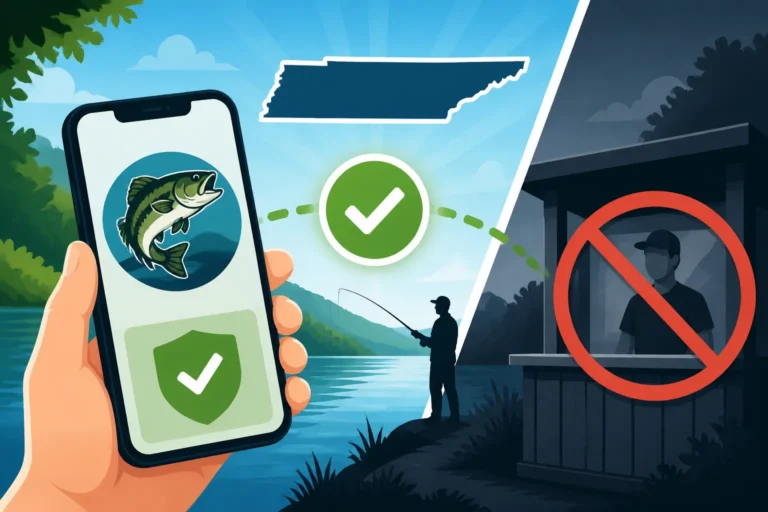
In today's digital age, relying solely on a printed guide might feel a bit old-fashioned, but it's still the most authoritative source. However, there are excellent digital complements. The TWRA website is a fantastic resource, often providing the most up-to-date information, including any emergency closures or regulation changes that might occur mid-season. They often have interactive maps and searchable databases where you can input a specific body of water and pull up its rules.
Many third-party fishing apps also aggregate this information, but always verify with the official TWRA source if there's any doubt. Technology can be a real lifesaver when you're on the go. Imagine you're driving through a new part of the state and spot a promising-looking stream; a quick check on your phone, perhaps with a waterproof case for easy access, can confirm the local rules before you even unpack your gear. You can find many helpful accessories like waterproof phone cases or even compact fishing guides on Amazon.
Local Bait Shops and Expert Anglers
Never underestimate the power of local knowledge! Before fishing an unfamiliar stretch of water, especially a trout stream with potential special regulations, stop by a nearby bait shop or outfitters. The folks working there are often local anglers themselves and are usually very knowledgeable about the specific rules for the surrounding area, including any nuances not immediately obvious in the official guide. They can tell you about recent stocking efforts, water conditions, and even point out sections with different rules.
Engaging with online fishing forums or local fishing clubs can also provide invaluable insights. Experienced anglers who regularly fish these waters can share their knowledge and alert you to specific regulations you might otherwise miss. Remember, it's always better to ask a "silly question" beforehand than to face a fine or, worse, harm the fishery by breaking a rule you weren't aware of.
Essential Checklist for Winter Trout Anglers
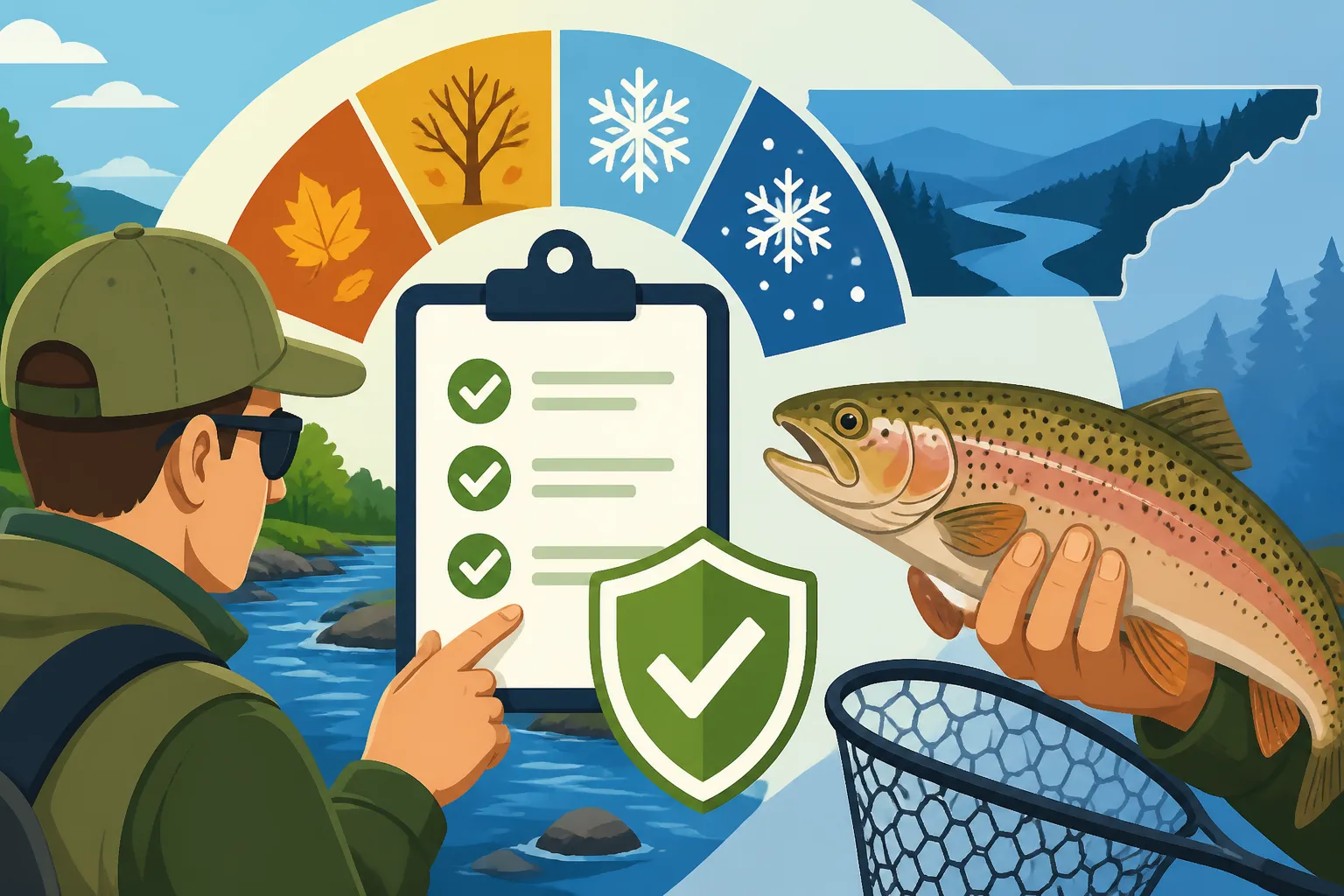
To make sure you're prepared for your October to February trout excursions, here's a helpful checklist:
| Task | Description | Status |
|---|---|---|
| Obtain Current TWRA Guide | Get the latest Tennessee Fishing Guide (physical copy or PDF) from the TWRA website or a license vendor. | |
| Identify Target Waters | Decide exactly which streams, rivers, or lakes you plan to fish. | |
| Consult Special Regulations Section | Turn directly to the "Special Regulations" pages in the TWRA guide. Locate your target waters and read all associated trout rules for the October-February period. | |
| Verify Online (Optional but Recommended) | Cross-reference the rules on the official TWRA website, especially if you have an older guide or suspect recent changes. | |
| Check for Water Levels/Conditions | While not a regulation, winter conditions can drastically impact fishing. Check local stream gauges and weather forecasts. | |
| Pack a Waterproof Rule Reference | Bring a printed copy of the specific rules for your waterbody, or ensure your phone is charged and protected in a waterproof case (available on Amazon) to access digital regulations. | |
| Consider Local Bait Shop Visit | If fishing a new area, stop at a local bait shop for on-the-ground intelligence about rules and conditions. | |
| Ensure Proper License & Permits | Confirm you have a valid Tennessee fishing license and, if required, a trout permit. Remember to ask yourself, Do You Need a Trout Permit With Your Tennessee License? | |
| Plan for Catch & Release Gear | If catch-and-release is a possibility, have appropriate gear (e.g., barbless hooks, forceps, knotless net) to minimize harm to fish. | |
| Inform Fishing Partners | Make sure everyone in your group understands and agrees to adhere to the specific local regulations. |
Common Misconceptions and Best Practices
Even with the best intentions, it's easy to fall into traps if you're not careful. Here are a few misconceptions and best practices to keep in mind.
"I Fish This Spot All the Time in Summer"
This is one of the most dangerous assumptions to make. Just because you know the rules for a specific section of the Ocoee River in July doesn't mean those same rules apply in November. As we've covered, the seasonal shift is fundamental. Always treat October 1st as a hard reset for trout regulations, prompting you to re-verify for every planned trip. It’s like switching from a summer wardrobe to winter gear; you wouldn’t wear shorts in a blizzard, and you shouldn’t fish by summer rules in winter without checking.
Many anglers find it helpful to make a habit of checking the regulations right when they are planning their trip, no matter how familiar they are with a particular spot. It takes only a few minutes to confirm, and it saves a lot of potential headaches. The TWRA publishes a fresh guide every year, so even if you remember last year's winter rules, they could have changed.
"A Fish Warden Will Understand My Ignorance"
While game wardens are often understanding and focused on education, ignorance of the law is generally not considered a valid excuse. They are there to enforce regulations designed to protect the state's natural resources. If you're caught violating a specific winter trout regulation, even if you genuinely didn't know, you could still face fines or other penalties. The consequences of Penalties for Fishing Without a License in Tennessee can be significant, and similar repercussions can apply to violating catch limits or size restrictions.
The best practice is to carry a copy of the regulations, either printed or on your phone, for the specific water you are fishing. If a game warden approaches, you can confidently show that you've done your homework. Many anglers purchase small, waterproof bags for their fishing license and printed regulations, keeping them accessible in their vest or tackle box. You can often find durable, water-resistant regulation holders or small field guides on Amazon that are perfect for this purpose.
Prioritizing Conservation Always
Beyond the letter of the law, embracing a conservation-minded approach is always the best practice. This means handling all fish with care, especially if you plan to release them. Using barbless hooks, minimizing air exposure, and using a knotless net can significantly reduce stress and injury to trout, particularly important for spawning fish or those in cold water where recovery can be slower.
If you are unsure about a rule, err on the side of caution. Release the fish, or choose another section of water where the rules are clearer to you. The health of Tennessee's trout fisheries depends on every angler taking personal responsibility. Remembering to Always check a specific lake's regulations before your first cast is not just about avoiding trouble; it's about being a steward of these incredible natural resources.
The Bigger Picture: Your Role in Tennessee Trout Fishing
Fishing in Tennessee, particularly for trout, is a cherished tradition for many. The beauty of the state's rivers and streams, combined with the challenge and reward of catching these feisty fish, makes for an unforgettable experience. However, with this privilege comes the responsibility to understand and abide by the rules. The regulatory shift for trout fishing from October through February is not arbitrary; it's a carefully considered measure to protect a valuable natural resource during its most vulnerable period.
By taking the time to thoroughly check the local rules for your chosen waterway, you are not only safeguarding yourself from potential legal issues but also contributing directly to the sustainability and quality of Tennessee's trout fisheries for future generations. So, before you head out with your waders and fly rod this winter, pause, consult the guide, and make sure you're fully prepared for a responsible and rewarding day on the water.
Disclaimer
Please note that fishing regulations are subject to change. While this guide aims to provide accurate and helpful information, it is not a substitute for the official Tennessee Fishing Guide published by the Tennessee Wildlife Resources Agency (TWRA). Always consult the most current TWRA regulations before engaging in any fishing activity.