Fishing without a license in Tennessee can result in fines
There’s a unique sinking feeling that washes over you when you’re out on the water, rod in hand, enjoying the peace of a Tennessee morning, and then you spot a game warden's boat heading your way. Your heart gives a little flutter as you mentally run through your gear, and then a cold dread settles in: Did I remember my fishing license? Or worse, did I even buy one this year? It's an honest mistake for some, pure oversight for others, but the reality is, fishing without a license in Tennessee can lead to some pretty hefty fines and a whole lot of hassle that can quickly ruin your peaceful day. This guide is here to walk you through exactly what can happen if you're caught without the proper paperwork, why it's a risk you absolutely shouldn't take, and how to make sure you're always on the right side of the law.
The Immediate Consequences of Fishing Without a License
It's easy to think of a fishing license as just another piece of paper, an inconvenience, or even an unnecessary expense. But to the Tennessee Wildlife Resources Agency (TWRA) and its dedicated officers, it's a critical component of conservation and regulation. Getting caught without one isn't just a slap on the wrist; it sets a series of events in motion that can be far more costly and time-consuming than simply buying a license in the first place.
What Happens When a Game Warden Stops You
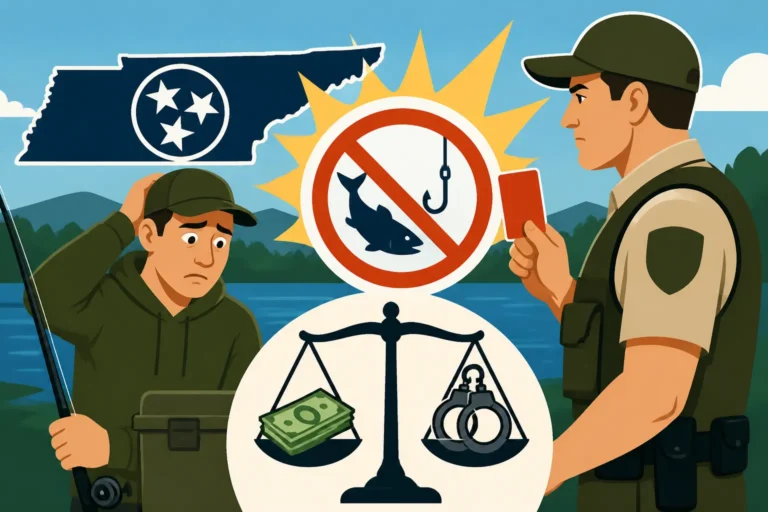
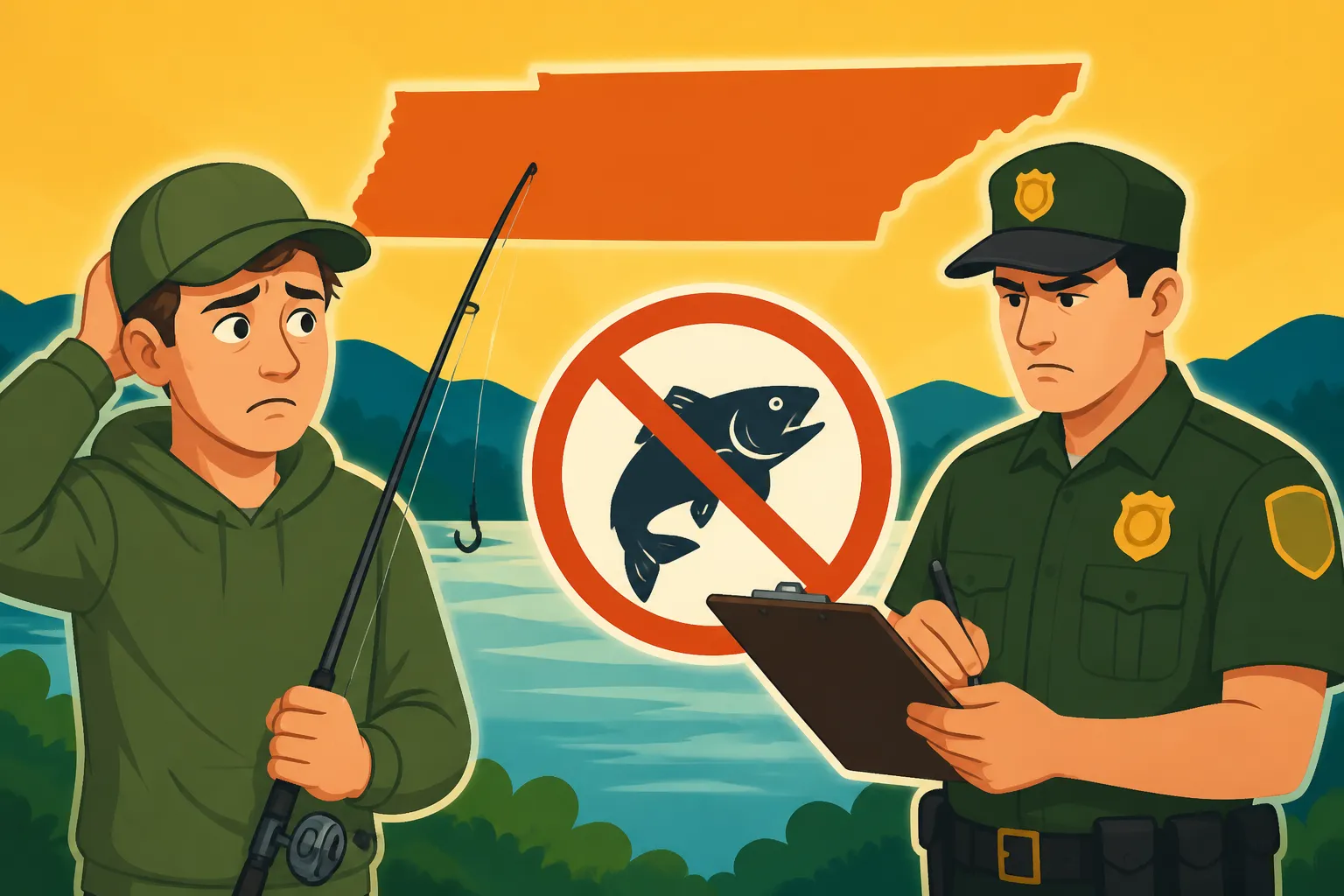
When a TWRA officer approaches your boat or calls out to you from the bank, the first thing they'll likely ask for is your fishing license and identification. They’re professional and often quite friendly, but they are also performing their duty to enforce the state's wildlife laws. If you can't produce a valid license, whether it's because you forgot it at home, it expired, or you never purchased one, things take a turn.
The officer will verify your identity and check the TWRA system to see if you have an active license. Sometimes, if you genuinely purchased one but just left the physical copy or digital proof at home, they might be able to confirm it on their end. However, this isn't a guarantee, and it's always your responsibility to carry proof. If no valid license is found, the officer will issue you a citation. This isn't just a friendly reminder; it's a legal document requiring you to appear in court or pay a fine. It’s essentially a summons for a misdemeanor violation. You might also find yourself asked to cease fishing for the day, which is a real bummer when you’ve set aside time to enjoy the beautiful waters of Tennessee.
Understanding the Legal Ramifications
A citation for fishing without a license isn't like getting a parking ticket. It’s a misdemeanor offense, meaning it goes on your legal record. This can have broader implications than just a simple fine. Depending on the specific circumstances, such as whether it's a first offense or a repeat, or if other violations were observed, the penalties can escalate quickly.
You'll be given a court date, and you'll need to decide whether to appear or simply pay the fine. While many people choose to pay the fine to avoid a court appearance, it’s crucial to understand that paying the fine is an admission of guilt. This violation could affect certain future opportunities, like professional licenses or background checks, although for a single fishing infraction, the impact is usually minimal unless compounded by other offenses. It's an unnecessary blot on your record that could have been completely avoided with a small investment in a license.
Seizure of Gear: Is It a Possibility?
This is where things can get particularly serious and truly ruin your day. While a game warden won't typically seize your rod and reel for a simple first-time license violation, it is absolutely within their power to do so, especially if other, more severe infractions are involved. For example, if you're caught fishing without a license AND you're significantly over the daily catch limit, or you're using illegal fishing methods, the officer may have the authority to seize your equipment, including your boat, fishing gear, and even your vehicle, as evidence or as part of asset forfeiture laws.
Imagine having your beloved fishing setup confiscated, or worse, your boat. The cost to retrieve it, if you even can, would be astronomical, making those initial license fees look like pocket change. While less common for a standalone license violation, the potential for gear seizure is a stark reminder of the authority game wardens wield and why compliance with all regulations, including having your license, is so important.
Types of Penalties You Could Face
The financial and legal consequences of fishing without a license in Tennessee are designed to deter illegal activity and fund the very conservation efforts that make fishing in our state so incredible. These penalties can vary based on several factors, including the discretion of the officer, the judge, and the specific laws in play at the time.
Monetary Fines and Court Costs
The most immediate and common penalty is a monetary fine. While specific amounts can change, you can generally expect a fine for fishing without a license to be anywhere from $50 to several hundred dollars, often in the range of $100-$200 for a first offense. This fine is just the base amount. On top of that, you'll almost certainly incur court costs and administrative fees, which can easily double or even triple the initial fine amount.
For example, a base fine of $50 could quickly become $150-$250 once court costs, state-mandated fees, and other charges are tacked on. This can be a significant hit to your wallet, especially when you consider that a Tennessee Resident Combination Hunt and Fish License currently costs $33 annually. The difference between paying $33 for a year of legal fishing and shelling out hundreds of dollars for a single mistake is staggering. It simply doesn't make financial sense to risk it.
Suspension of Fishing Privileges
Beyond the immediate financial hit, you could also face the suspension of your fishing privileges. This means the TWRA could revoke your ability to purchase a fishing license for a specified period, often ranging from one year to several years, depending on the severity and frequency of your violations. If your privileges are suspended, and you're caught fishing again, the penalties will be far more severe, potentially including larger fines, extended suspensions, and even jail time.
Imagine not being able to enjoy your favorite pastime for an entire year, or even longer. For avid anglers, this consequence can be far more impactful than any monetary fine. It’s a loss of enjoyment and access to the very waters you love. This penalty is a serious deterrent and reinforces the importance of always having the proper documentation.
Additional Charges for Other Violations
Here’s where it can get really complicated. Very rarely is fishing without a license the only thing happening. If you're caught without a license, the game warden will naturally be more inclined to check for other violations. Were you over the Statewide Bass Limits for Tennessee Anglers? Did you keep too many crappie, exceeding the Crappie Limits Under Tennessee Fishing Rules? Are you fishing for trout in an area without a trout permit, or outside of the Tennessee Trout Limits and Season Rules? Each of these can lead to additional, separate citations and fines, compounding your troubles significantly.
For instance, if you’re fishing for trout, you usually need a trout permit in addition to your regular fishing license. Being caught without both can result in two separate violations. Likewise, if you’ve harvested more fish than legally allowed, that’s another offense. These additional charges can quickly turn a simple "forgot my license" situation into a complex legal nightmare involving multiple court appearances and escalating fines. Always ensure you understand all the Tennessee Fishing Regulations Explained before you even cast a line.
Why It's Never Worth the Risk
Thinking you can save a few bucks by skipping the license purchase is a classic false economy. The potential costs—financial, legal, and in terms of lost enjoyment—far outweigh the minimal price of compliance. It’s a gamble with terrible odds.
The Cost of a License vs. the Cost of a Fine
Let's lay it out clearly. The cost of a basic annual resident fishing license in Tennessee is quite affordable, especially when you consider the access it grants you to thousands of miles of incredible fishing waters.
| License Type | Annual Cost (Approx.) | Potential Fine + Court Costs (Min.) | Risk Factor (Fine vs. License) |
|---|---|---|---|
| Resident Annual Fishing | $33 | $150-$250 | 4-7x |
| Resident Annual w/ Trout | $44 | $150-$250 + additional trout fine | 3-6x (or more) |
| Nonresident Annual Fishing | $49 | $150-$250 | 3-5x |
| Nonresident 3-Day w/o Trout | $20 | $150-$250 | 7-12x |
| Nonresident 10-Day w/o Trout | $30 | $150-$250 | 5-8x |
As you can see, even a short-term nonresident license, like the Nonresident 3-Day and 10-Day License Options for Tennessee, is still a fraction of what you could pay in fines. The math just doesn’t add up. Why take the chance on spending ten times the amount for a fine when you could just get legal from the start? It's a no-brainer for anyone who values their time and money.
Impact on Your Record
A misdemeanor on your record, even for something like fishing without a license, is still a legal infraction. While it might not carry the same weight as a felony, it’s not something you want if you can avoid it. This can show up on background checks for certain jobs, volunteer positions, or even rental applications. While most employers or landlords might overlook a single, minor wildlife violation, it's still a mark against you that could potentially be a deciding factor if they are choosing between you and another equally qualified candidate with a clean record.
Furthermore, repeated violations demonstrate a disregard for laws, which can lead to more severe judicial outcomes in the future. It paints a picture that you don't take regulations seriously, and that's not a reputation you want to build, especially when enjoying a public resource like fishing.
Preserving Tennessee's Resources
Beyond the personal consequences, there's a broader ethical implication. The fees collected from fishing licenses directly fund the TWRA's vital conservation efforts. This includes fish stocking programs, habitat restoration, scientific research, and law enforcement. These initiatives ensure healthy fish populations, pristine waterways, and access points for everyone to enjoy.
When you fish without a license, you're not contributing your fair share to these efforts. You're essentially freeloading on a system that relies on collective participation to sustain itself. Every angler has a responsibility to help maintain the incredible natural resources we have in Tennessee. Buying a license isn’t just about legality; it’s about supporting the future of fishing for everyone, including future generations. You can learn more about how Tennessee Fishing Licenses Work to understand the value your purchase provides.
How to Ensure You're Always Legal
The good news is that avoiding these penalties is incredibly easy. The TWRA has made purchasing and carrying your license more convenient than ever before. There’s no excuse to be caught without one.
Purchasing Your Tennessee Fishing License
The simplest way to get your license is online through the official TWRA website. It literally takes just a few minutes, and you can print it right away or save a digital copy to your phone. This means you can even buy it from your boat ramp or fishing spot if you realize you forgot! Seriously, Buying a Tennessee fishing license online takes just a few minutes.
If you prefer a more traditional route, you can also purchase a license in person at various authorized vendors across the state. These include most bait and tackle shops, outdoor retailers like Bass Pro Shops or Academy Sports + Outdoors, and many county clerk offices. These locations often have knowledgeable staff who can help you choose the right license type. For general fishing gear and related accessories, sometimes searching on Amazon for "fishing tackle box" or "fishing rod and reel combo" can lead to good deals, but remember, the license itself must be purchased through official TWRA channels or their authorized agents. You can find out Where to Buy a Fishing License in Tennessee through these physical locations.
Understanding License Types and Requirements
Tennessee offers a variety of license types to suit different needs, whether you're a resident or a nonresident, fishing for a day or a lifetime, or targeting specific species like trout.
- Resident vs. Nonresident: Prices differ significantly. Ensure you qualify as a resident before purchasing a resident license.
- Annual vs. Short-Term: For residents, an annual license is often the most cost-effective. Nonresidents have options like 3-day or 10-day passes, perfect for vacations. For example, a Nonresident 10-day pass gives visiting anglers more than three times the days for only $10 more than a 3-day pass.
- Trout Included: If you plan to fish for trout, you usually need a special trout permit, which is often an add-on to your base license. This is critical for areas like the Clinch River or other stocked trout streams. Do You Need a Trout Permit With Your Tennessee License is a common question, and the answer is usually yes if you intend to keep trout.
- Special Categories: Don’t forget about special rates for seniors (like the Tennessee Senior Annual Fishing License) or those with disabilities.
- Youth Licenses: Even kids have rules! While Kids need a license outside of Tennessee's Free Fishing Week, there are specific age requirements. Generally, anyone 13 years and older needs a license in Tennessee, though there are exceptions like the annual Bobby Wilson Free Fishing Day.
It’s always best to familiarize yourself with the full range of options, especially if you’re a Nonresident Fishing License Costs in Tennessee vary greatly from resident options.
Always Carry Proof of License
Once you have your license, you absolutely must carry proof of it while fishing. This can be:
- A physical printed copy: This is the traditional method and always reliable.
- A digital copy on your smartphone: The TWRA app or a clear photo of your license on your phone is usually accepted. This is often the most convenient option for many anglers. Showing a Digital vs Printed Fishing Licenses in Tennessee means you have options, but either way, ensure it's easily accessible.
The key is that if a game warden asks for it, you need to be able to produce it immediately. Don't rely on being able to find cell service to pull it up if you're in a remote area, or waiting for an email to load. Have it ready. You can purchase it today, and A license bought online is valid immediately, no waiting for mail. This eliminates any excuse for not having it when you hit the water. It’s also wise to check How Long a Tennessee Fishing License Stays Valid so you can plan your renewal. Many licenses run for 12 months from the date of purchase, so setting a reminder can save you a headache!
Disclaimer
The information provided in this guide is for general informational purposes only and does not constitute legal advice. Fishing regulations and penalties can change, and interpretations may vary. Always consult the official Tennessee Wildlife Resources Agency (TWRA) website or contact them directly for the most current and accurate information regarding fishing licenses, regulations, and associated penalties. Compliance with all state and local laws is the sole responsibility of the individual angler.