Tennessee’s Best Crappie Lakes
It’s a tale as old as time for many anglers across Tennessee: you’ve got that craving for some delicious crappie, but finding the right spot can feel like trying to solve a puzzle with half the pieces missing. We’ve all been there, driving to a promising lake only to find the bite is off, or perhaps you're simply overwhelmed by the sheer number of fantastic fishing destinations this state offers. This comprehensive guide is here to cut through the confusion, revealing the Volunteer State’s absolute best crappie lakes, where to find them, and how to make the most of your next trip.
The Allure of Crappie Fishing in Tennessee
There's just something special about crappie. Maybe it's their delicate white meat that fries up so perfectly, or perhaps it's the sheer challenge and reward of filling a cooler with these speckled beauties. Tennessee, with its vast network of rivers, reservoirs, and natural lakes, stands out as a true crappie mecca. Anglers from all walks of life flock to these waters, chasing both black and white crappie, often finding success with both species in the same waters. The pursuit of crappie isn't just a hobby here; it's a cherished tradition, a chance to connect with nature, and a delicious payoff for a day spent on the water.
Why Tennessee is a Crappie Hotspot
Tennessee's unique geography and diverse aquatic environments provide an ideal habitat for crappie to thrive. The state is blessed with numerous large reservoirs created by the Tennessee Valley Authority (TVA) and the U.S. Army Corps of Engineers, which offer expansive main lake areas, secluded coves, and abundant submerged structures perfect for crappie. These bodies of water are typically fertile, meaning they support a healthy food chain from plankton to baitfish, which in turn fuels robust crappie populations. The Tennessee Wildlife Resources Agency (TWRA) also plays a crucial role through active management, including Black Crappie Stocking by TWRA in Tennessee in many lakes, and implementing sensible regulations to ensure sustainable fishing for generations to come.
Beyond the sheer number of lakes, the climate in Tennessee allows for a relatively long crappie fishing season, with distinct patterns emerging in spring, summer, fall, and even winter. Each season presents its own challenges and rewards, from the shallow water frenzy of the spring spawn to the deep water haunts of winter. This variety keeps anglers engaged and ensures that there's always a new technique to learn or a different spot to explore, making Tennessee a dynamic and rewarding destination for crappie enthusiasts year-round.
Understanding Crappie Species in Tennessee
While many anglers simply refer to them as "crappie," Tennessee waters are home to two primary species: the black crappie (Pomoxis nigromaculatus) and the white crappie (Pomoxis annularis). While they often inhabit the same waters and can be caught using similar techniques, there are some subtle differences that experienced anglers recognize.
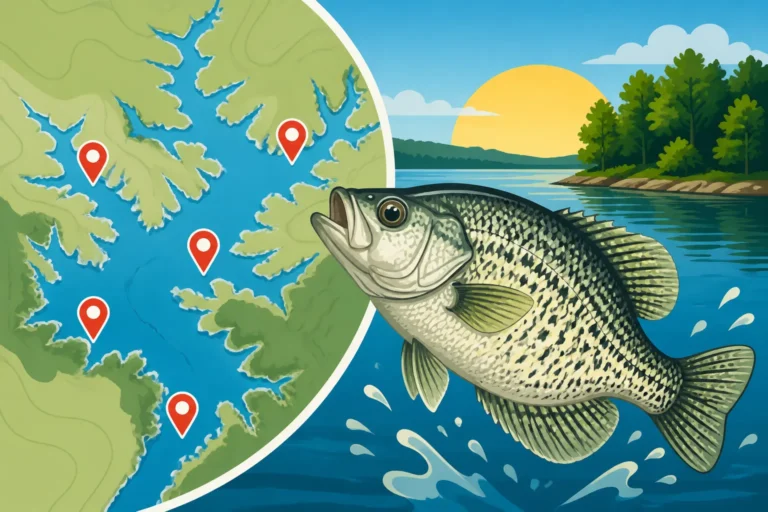
Black crappie tend to prefer clearer, cooler water with more vegetation and structure. They have irregular, dark spots scattered across their silvery-gold bodies and usually have 7-8 dorsal fin spines. White crappie, on the other hand, are a bit more tolerant of turbid waters and thrive in larger reservoirs and rivers. They are generally lighter in color, with faint vertical bars or stripes along their sides and typically 5-6 dorsal fin spines. Both species offer excellent fishing and are highly sought after. Knowing which species you're primarily targeting, or at least understanding their preferences, can help you fine-tune your approach. For example, in a clearer, heavily vegetated lake like Norris, you might find more black crappie, while a riverine reservoir with more current and turbidity, such as Kentucky Lake, might yield more white crappie.
West Tennessee's Crappie Powerhouses
West Tennessee is often synonymous with some of the state's most legendary crappie fisheries. From the cypress-filled waters of Reelfoot to the vast expanses of the Tennessee River impoundments, this region offers an incredible array of options for crappie anglers. The shallow, fertile nature of many of these waters, coupled with abundant cover, creates prime conditions for robust crappie populations.
Reelfoot Lake: A Unique Crappie Paradise
Reelfoot Lake is truly one-of-a-kind. Formed by a series of earthquakes in the early 1800s, this shallow, stump-filled lake is unlike any other fishing destination in Tennessee. Its vast fields of cypress trees, flooded timber, and lily pads create an intricate maze of cover that crappie absolutely adore. The average depth of Reelfoot is only around 5-7 feet, making it an ideal habitat for prolific crappie growth and excellent fishing, particularly in the spring.
Crappie here thrive among the submerged trees and vegetation. Anglers often find success by slow-trolling jigs or minnows through the cypress trees or by tightlining around brush piles and stumps. The fishing can be phenomenal, especially during the spring spawn when crappie move into the shallows to nest. Local guides on Reelfoot often have generations of knowledge about navigating its unique channels and finding the honey holes. If you're looking for a truly unique crappie experience where the environment is as much a part of the adventure as the fishing itself, Reelfoot Lake should be at the very top of your list. Remember, navigating Reelfoot requires a shallow-draft boat and a keen eye for its unique underwater landscape, but the rewards are well worth the effort.
Kentucky Lake: A Crappie Giant
Stretching across both Tennessee and Kentucky, Kentucky Lake is one of the largest man-made lakes in the world and an undisputed crappie fishing powerhouse in West Tennessee. This massive reservoir, impounded from the Tennessee River, is renowned for its expansive flats, channel bends, and countless submerged brush piles that hold massive schools of crappie. Kentucky Lake is famous for its white crappie, which thrive in its fertile, often turbid waters.
During the spring, the crappie push into the shallow bays and creeks, making them accessible to bank anglers and boaters alike. As the water warms, they move to deeper channels and submerged structures. Spider rigging with multiple rods, slow-trolling jigs, or using live minnows are popular and highly effective methods here. The sheer size of Kentucky Lake means there are always new areas to explore, and the fishing pressure, while present, is often spread out across its vast waters. Many anglers return year after year, drawn by the consistent crappie action. If you're interested in Where to Catch Crappie on Kentucky Lake, there are numerous resources available, including local bait shops that can point you to recent hot spots.
Pickwick Lake: Crappie Along the Border
Located at the intersection of Tennessee, Alabama, and Mississippi, Pickwick Lake is another fantastic crappie destination on the Tennessee River system. While perhaps not as globally famous as Kentucky Lake for crappie, Pickwick holds its own with excellent populations of both black and white crappie. Its diverse habitat includes deep channels, expansive flats, rocky bluffs, and numerous creek arms, providing ample opportunities for anglers.
Crappie fishing on Pickwick Lake is strong year-round, but it truly shines in the cooler months. In spring, crappie move into shallow coves and creek channels. As summer progresses, they retreat to deeper water around structure, particularly submerged brush piles and ledges along the main river channel. Fall brings a resurgence of shallow-water activity as crappie feed aggressively. Winter anglers can find success targeting deep brush and channel swings. Much like Kentucky Lake, slow-trolling and spider rigging are go-to techniques, but single-pole jigging around visible cover can also be very productive. The diverse structure of Pickwick makes it a versatile lake for crappie anglers seeking different fishing experiences.
Middle Tennessee's Productive Crappie Waters
Middle Tennessee's landscape is dotted with several prime crappie lakes, many of which are conveniently located near major metropolitan areas like Nashville. These reservoirs offer excellent fishing opportunities, from vast open waters to intricate creek systems, providing ample habitat for crappie to flourish.
Percy Priest Lake: Nashville's Crappie Gem
Just a stone's throw from downtown Nashville, Percy Priest Lake is a sprawling reservoir that serves as a popular crappie destination for locals and visitors alike. While perhaps more famous for its bass fishing, Percy Priest consistently produces good numbers of crappie, especially black crappie, which prefer its clearer waters. The lake features extensive rock ledges, standing timber, and numerous creek channels, all of which hold crappie at various times of the year.
Spring is prime time on Percy Priest, as crappie move into the shallower coves and feeder creeks to spawn. Anglers often target these areas with small jigs or minnows fished under a bobber. As the seasons change, crappie retreat to deeper water, concentrating around submerged brush piles, timber, and the main lake channel ledges. Using electronics to locate these deeper structures is key to consistent success. Many anglers will spider rig or use a single-pole jigging approach to pick apart these spots. The convenience of Percy Priest Lake, combined with its productive crappie fishery, makes it a perennial favorite for Middle Tennessee anglers. For tips on Where to Catch Crappie on Percy Priest Lake, local tackle shops are a great resource for up-to-date information.
Old Hickory Lake: Riverine Crappie Action
Another valuable crappie fishery close to Nashville is Old Hickory Lake. This Cumberland River reservoir is known for its nutrient-rich waters and a mix of riverine and lake characteristics. Old Hickory supports healthy populations of both black and white crappie, with white crappie often dominating the catch due to the lake's more turbid, flowing conditions. The lake is characterized by abundant submerged timber, riprap shorelines, and channel swings, all providing excellent crappie habitat.
Spring crappie fishing on Old Hickory is phenomenal, with fish moving into shallow water in creeks like Station Camp Creek and Bartons Creek. Small jigs and minnows are the ticket during this time. As summer temperatures rise, crappie move deeper, congregating around main lake ledges, brush piles, and submerged timber. Vertical jigging or slow-trolling become effective strategies. Fall offers another great opportunity as crappie feed actively before winter sets in. Winter fishing can be productive by targeting deep brush piles in creek channels or along the main river channel. Anglers often find that navigating the river channels and understanding current flow is crucial to consistent success on Old Hickory.
Center Hill Lake: Deep Water Delights
While perhaps less renowned for crappie than its shallower counterparts, Center Hill Lake offers a unique and challenging crappie fishing experience, especially for those who enjoy targeting fish in deeper, clearer waters. Known for its steep bluffs, rocky points, and crystal-clear water, Center Hill is home to a good population of black crappie, which thrive in these conditions. The lake's deep, cold waters mean that crappie behavior can differ significantly from other, shallower reservoirs.
Crappie on Center Hill often suspend over deep water or relate to steep bluff walls and submerged timber. During the spring spawn, they will move into the very backs of the lake's numerous hollows and creeks, seeking out shallower pockets, but even then, "shallow" here might mean 10-15 feet of water. Precision jigging with electronics to pinpoint schools is a common and effective technique. In summer and winter, crappie often hold in very deep water, sometimes 30-50 feet or more, suspending over the main river channel or around deep timber. This requires specialized deep-water crappie techniques and careful boat positioning. For anglers who enjoy the challenge of electronic scouting and precise vertical presentations, Center Hill Lake can be incredibly rewarding.
East Tennessee's Abundant Crappie Resources
East Tennessee, with its breathtaking mountain backdrops and a series of large TVA reservoirs, also boasts some phenomenal crappie fishing. These deep, clear-water lakes often favor black crappie, offering distinct challenges and rewards for anglers.
Watts Bar Lake: A Large and Diverse Fishery
Watts Bar Lake, a sprawling reservoir on the Tennessee River, is one of East Tennessee's premier crappie fishing destinations. Its diverse habitat, including expansive main lake areas, numerous creek arms, vast flats, and abundant submerged structures, provides an excellent environment for both black and white crappie. Watts Bar is known for producing good numbers of crappie, and occasionally, some truly impressive slabs.
Crappie fishing on Watts Bar is excellent throughout the year. In spring, fish flock to shallow coves, especially those with brush, stumps, or docks. Jigs and minnows under a float are very effective then. As the water warms, crappie move to deeper haunts, often suspending over channel bends, submerged timber, and brush piles in 15-30 feet of water. Spider rigging and slow-trolling are popular, but vertical jigging over marked fish is also very productive. Fall sees a return of active feeding, with crappie often found shallower, while winter calls for targeting deep structure and channel swings. Watts Bar's immense size means there's always a new section to explore, and its consistent crappie population keeps anglers coming back.
Chickamauga Lake: Beyond the Bass
While Chickamauga Lake is internationally famous for its trophy largemouth bass, it's also a surprisingly excellent crappie fishery, often overlooked by anglers focused on the green fish. This Tennessee River impoundment near Chattanooga holds strong populations of both black and white crappie, thriving in its fertile waters and abundant cover. The extensive submerged grass beds, stump fields, and numerous creek channels provide ideal crappie habitat.
Spring crappie fishing on Chickamauga can be explosive, with fish moving into the shallows of creek arms like Sale Creek, Ooltewah Creek, and Harrison Bay. Targeting submerged grass lines, stump fields, and brush piles with jigs or minnows is a proven tactic. As the season progresses, crappie retreat to deeper ledges, humps, and brush piles along the main river channel and in the larger creek arms. Knowing how to read your electronics to find these submerged structures is paramount for success. Many anglers will "long line" troll or spider rig to cover water and locate schools. Don't let Chickamauga's bass reputation fool you; it's a legitimate crappie hotspot offering fantastic action, especially if you know where to look.
Norris Lake: Clear Waters, Healthy Crappie
Norris Lake, nestled in the Appalachian foothills, stands out as one of Tennessee's cleanest and clearest reservoirs. Its deep, clear waters are predominantly home to black crappie, which prefer such pristine conditions. While Norris may not produce the sheer numbers of crappie as some of the more fertile, turbid lakes, the crappie caught here are often healthy, robust, and beautiful. The lake's characteristic steep rocky banks, standing timber, and abundant natural cover create challenging yet rewarding fishing opportunities.
Crappie fishing on Norris requires a slightly different approach than on some other lakes. In spring, crappie will move into coves and creek arms, but often relate to deeper points and bluffs even then, rather than ultra-shallow flats. Targeting suspended crappie over deep water is a common technique, using small jigs or minnows, often tipped with a piece of Berkley PowerBait for added scent, presented vertically. In summer and winter, crappie go deep, sometimes suspending over 50-80 feet of water. Precision jigging with sensitive tackle and excellent electronics are crucial for consistent catches. While it might take a bit more effort to locate them, the healthy black crappie of Norris Lake are a fantastic reward.
Crappie Fishing Techniques for Tennessee Waters
Successfully catching crappie in Tennessee's diverse lakes often comes down to understanding the seasonal patterns and employing the right techniques for the conditions. While crappie can sometimes seem elusive, a few tried-and-true methods will greatly increase your chances of success.
Mastering the Art of Jigging
Jigging is arguably the most popular and versatile technique for crappie fishing in Tennessee. Whether you're single-pole jigging around a brush pile or vertical jigging over a deep-water school, it's a go-to method. Small jigs, typically 1/32 to 1/8 ounce, are most common, often tipped with a soft plastic grub, tube, or a live minnow. The key to jigging is imparting a subtle, lifelike action that mimics a small baitfish or insect.
When targeting shallow crappie, such as during the Spring Crappie Spawn Timing in Tennessee, a light jig under a slip bobber allows you to present your bait at a precise depth without spooking the fish. For deeper crappie, vertical jigging directly over marked fish is highly effective. Drop your jig to the depth of the fish, then twitch and pause, watching your line or sonar for any signs of a bite. Vary your retrieve speed and jig color until you find what the crappie prefer on any given day. If you're looking for more detailed advice on presentation, check out our guide on Crappie Jigging Techniques Explained.
Effective Trolling and Spider Rigging
For covering large expanses of water and locating scattered schools of crappie, trolling and spider rigging are incredibly effective, especially on the larger reservoirs like Kentucky Lake or Watts Bar.
- Spider Rigging: This technique involves using multiple long rods (often 8-16 feet) fanned out from the front or sides of the boat, each rigged with a jig or minnow. The boat is typically moved slowly, often with an electric trolling motor, allowing the angler to present baits at various depths and distances simultaneously. This method is excellent for targeting crappie suspended over open water or relating to subtle changes in bottom contour.
- Long Line Trolling: Similar to spider rigging but often with fewer rods and baits, long line trolling involves letting out a significant amount of line behind the boat while moving at a slow speed. This is particularly effective for targeting crappie that are suspended shallower in the water column or spread out over large flats. Different colored jigs or small crankbaits can be used to experiment with what the fish are biting.
Both trolling methods allow anglers to systematically search for active crappie and are indispensable tools for consistent success on Tennessee's big water.
Essential Gear for Crappie Fishing
Having the right tackle can make a significant difference in your crappie fishing success. While you don't need the most expensive gear, having reliable equipment is crucial.
- Rods and Reels: Light to ultralight spinning rods (5-7 feet) paired with small spinning reels are ideal for jigging. For spider rigging, longer, more flexible rods (8-16 feet) are necessary.
- Line: Light monofilament (4-6 lb test) or braided line with a fluorocarbon leader (6-8 lb test) is perfect. The low visibility of fluorocarbon and the sensitivity of braid can give you an edge.
- Jigs and Baits: A diverse selection of small jigs (1/32 to 1/8 oz) in various colors (chartreuse, white, black/chartreuse, pink) is a must. Soft plastic grubs, tubes, and curly tails are standard. Live minnows, especially small shiners, are often irresistible to crappie.
- Electronics: A good fish finder with down-imaging and side-imaging capabilities is invaluable for locating brush piles, submerged timber, and schools of crappie, particularly in deeper waters. GPS functionality is also helpful for marking productive spots. For instance, FishingBooker guides often rely heavily on their advanced electronics to put clients on the fish.
- Net: A small, crappie-friendly net will help you land your catch safely, especially when using light line.
Beyond the Big Lakes: Exploring Smaller Crappie Waters
While the large TVA reservoirs grab most of the headlines, Tennessee also offers a wealth of smaller lakes, ponds, and even sections of rivers that can provide excellent crappie fishing. These spots often see less pressure and can be fantastic for a relaxed day on the water, especially for families or those seeking a more intimate fishing experience.
State Park and TWRA Lakes
Tennessee State Parks and TWRA-managed lakes across the state offer numerous opportunities for crappie fishing. These smaller bodies of water are often intensely managed, sometimes with specific crappie stocking programs and habitat enhancements like artificial brush piles. They tend to be more accessible for bank anglers and those with smaller boats or kayaks.
For example, Marrowbone Lake in Montgomery County or Laurel Hill Lake in Lawrence County are examples of TWRA-managed lakes that can offer surprising crappie action. These lakes are typically well-maintained, sometimes offering amenities like boat ramps, fishing piers, and cleaning stations. They are excellent places to introduce kids to fishing or to enjoy a quiet afternoon. Always check the specific regulations for these lakes, as they can sometimes have different length or creel limits than statewide rules.
Farm Ponds and Local Community Waters
Don't underestimate the potential of local farm ponds and community lakes for crappie fishing. Many of these smaller, privately owned or municipally managed waters are brimming with crappie, often due to less fishing pressure and ideal habitat. Always ensure you have permission before fishing on private property.
Crappie in ponds often behave similarly to those in larger lakes, moving shallow in spring and deeper in summer and winter. Bank fishing with a simple bobber and jig or minnow setup can be incredibly effective. Small boats, canoes, or kayaks are also perfect for exploring these waters. These localized gems provide fantastic opportunities to catch crappie without the need for extensive travel or specialized equipment, offering a convenient and rewarding experience right in your backyard.
Planning Your Tennessee Crappie Adventure
Before you hit the water in pursuit of Tennessee's finest crappie, a little planning goes a long way. Understanding regulations, having the right licenses, and knowing where to find current fishing reports can significantly enhance your trip.
Navigating Licenses and Regulations
No matter how good the crappie fishing is, you need to be legal! Anyone 13 years of age or older needs a valid Tennessee Fishing License Guide to fish in Tennessee waters. There are various types of licenses available, from annual resident licenses to short-term nonresident options. Be sure to obtain the correct license for your situation. You can easily purchase or renew your license online through the TWRA website or at many bait shops and sporting goods stores across the state.
Beyond the general license, it's crucial to be aware of Crappie Limits Under Tennessee Fishing Rules. Generally, the statewide crappie limit is 20 fish per day, with only 5 of those fish being over 12 inches. However, some individual lakes or specific areas may have different regulations, so always check the local rules before you cast a line. Ignorance of the law is not an excuse, and game wardens do patrol the lakes. Having a digital copy on your phone or a printed copy of your license readily available is always a good idea.
Seasonal Crappie Patterns
Crappie behavior is heavily influenced by water temperature and the changing seasons. Understanding these patterns is key to consistent success.
- Spring (Pre-Spawn & Spawn): This is often considered the best time for crappie fishing. As water temperatures rise into the 50s and 60s Fahrenheit, crappie move from deep wintering holes into shallower creeks, coves, and bays to spawn. They'll relate to brush, docks, and submerged vegetation. This is when they are most accessible and aggressive.
- Summer: Once the spawn is over and water temperatures warm, crappie retreat to deeper, cooler water. They often suspend over channel ledges, submerged brush, and standing timber, frequently in 15-30 feet or more. Night fishing can also be very productive in summer as crappie move shallower to feed under the cover of darkness.
- Fall: As water temperatures begin to drop, crappie become more active again, moving back towards shallower feeding areas to fatten up for winter. They can often be found relating to baitfish schools in creeks and main lake areas.
- Winter: Crappie return to deeper water in winter, often congregating in large schools around creek channels, main river channel bends, and deep brush piles. While the bite can be subtle, locating these schools can lead to excellent catches. For a more detailed breakdown, refer to our Tennessee Crappie Fishing Guide by Season.
Utilizing Local Resources and Guides
Even with all the information in this guide, there's no substitute for local knowledge. Before heading out, consider these resources:
- Local Bait and Tackle Shops: These are goldmines of information. Shop owners and employees often know exactly where the fish are biting, what baits they prefer, and what the current conditions are like.
- Online Fishing Forums and Reports: Websites dedicated to Tennessee fishing often have active forums where anglers share reports and tips.
- Professional Guides: If you're new to a lake or want to maximize your chances, hiring a professional crappie guide can be an invaluable investment. They have specialized equipment, years of experience, and intimate knowledge of the lake. Websites like FishingBooker can help you find reputable local guides who specialize in crappie fishing on specific Tennessee lakes. They can show you the ropes and put you on fish when you're short on time or experience.
- TWRA: The Tennessee Wildlife Resources Agency website provides valuable information on fishing regulations, stocking reports, and sometimes even localized fishing forecasts.
By combining the insights from this guide with current local information, you're well on your way to a successful and enjoyable crappie fishing trip in Tennessee.
| Lake Name | Region | Primary Crappie Species | Key Habitat Features | Best Season(s) | Notes |
|---|---|---|---|---|---|
| Reelfoot Lake | West Tennessee | Black & White | Cypress trees, flooded timber, lily pads | Spring | Unique ecosystem, shallow, stump-filled. |
| Kentucky Lake | West Tennessee | White Crappie | Expansive flats, channel bends, brush piles | Spring, Fall | Massive reservoir, great for spider rigging. |
| Pickwick Lake | West Tennessee | Black & White | Deep channels, flats, rocky bluffs | Spring, Fall, Winter | Diverse, borders AL & MS. |
| Percy Priest Lake | Middle Tennessee | Black Crappie | Rock ledges, standing timber, creek channels | Spring | Near Nashville, good clear water. |
| Old Hickory Lake | Middle Tennessee | White Crappie | Submerged timber, riprap, channel swings | Spring, Fall | Riverine influence, productive. |
| Center Hill Lake | Middle Tennessee | Black Crappie | Steep bluffs, rocky points, deep timber | Spring (deeper), Winter | Clear, deep water; requires precision. |
| Watts Bar Lake | East Tennessee | Black & White | Creek arms, flats, submerged structures | Year-round | Large and diverse, consistent producer. |
| Chickamauga Lake | East Tennessee | Black & White | Submerged grass, stump fields, creek channels | Spring, Fall | Excellent despite bass fame, fertile. |
| Norris Lake | East Tennessee | Black Crappie | Steep banks, standing timber, clear water | Spring (deeper), Winter | Cleanest waters, healthy crappie, deep suspending. |
Conclusion: Your Next Crappie Adventure Awaits
Tennessee truly is a crappie angler's dream, offering an incredible variety of lakes and fishing experiences. From the unique natural wonder of Reelfoot Lake to the sprawling TVA reservoirs like Kentucky Lake and Watts Bar, there's a crappie hotspot waiting for every angler, no matter their skill level or preferred style of fishing. We’ve covered everything from the prime locations in West, Middle, and East Tennessee to the essential techniques like jigging and spider rigging, and even the nitty-gritty of licenses and seasonal patterns.
Remember, the joy of crappie fishing goes beyond just the catch; it's about the anticipation, the challenge, the beauty of the Tennessee landscape, and the delicious reward at the end of the day. With the knowledge you've gained here, you're well-equipped to plan your next successful crappie adventure. So grab your rods, pack your tackle box, and get ready to experience some of the best crappie fishing the South has to offer. Whether you're a seasoned veteran or just starting out, the Volunteer State's crappie are calling!
Disclaimer
The information provided in this guide is for general informational purposes only and is not intended as legal, financial, or professional advice. Fishing regulations and conditions can change rapidly. Always consult the official Tennessee Wildlife Resources Agency (TWRA) website or publications for the most current and accurate rules and regulations before planning any fishing trip.