Best Family Fishing Spots in Tennessee
It’s a tale as old as time, isn't it? You envision a serene day out with the kids, teaching them the joys of fishing, making memories. But then reality hits: crowded docks, inaccessible banks, restless children, and maybe not a single bite. Finding that perfect, genuinely family-friendly fishing spot in Tennessee can feel like hunting for a needle in a haystack, especially when you want more than just a place to wet a line. This guide is here to cut through that frustration, offering you detailed insights into Tennessee’s best waters where family fun and fish catches go hand-in-hand.
The Joys and Challenges of Angling with Youngsters
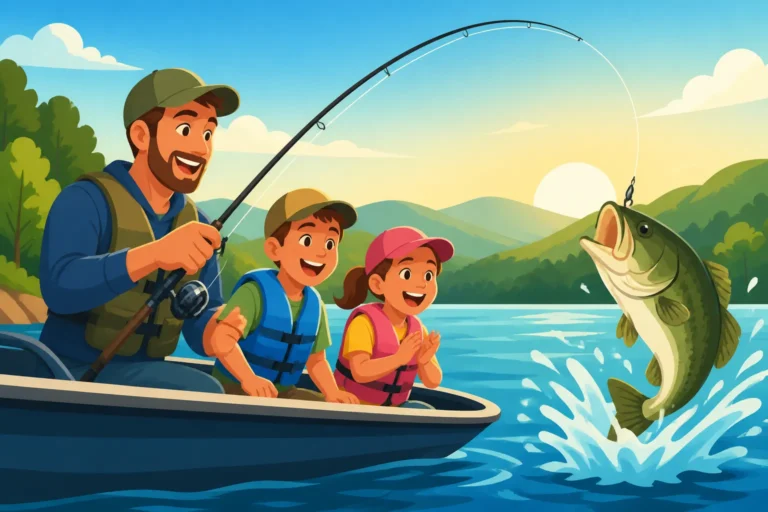
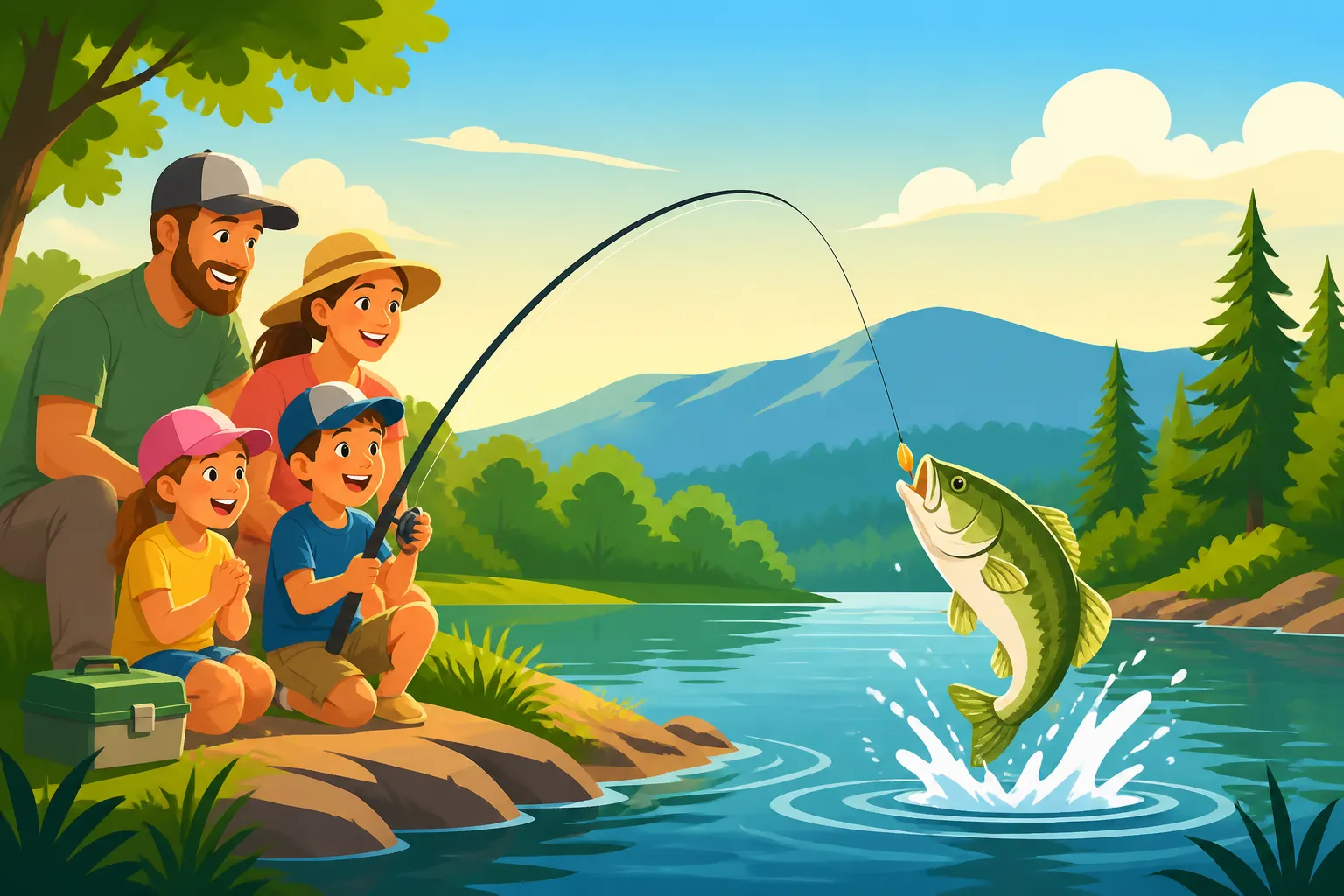
Bringing kids along on a fishing trip adds a whole new layer to the experience, full of both incredible rewards and unique hurdles. There’s nothing quite like seeing a child’s face light up when they feel that first tug on the line, or hearing their excited squeals as they reel in a small bluegill. These are the moments we live for as parents and mentors, creating indelible memories that will last a lifetime. Fishing teaches patience, respect for nature, and provides a quiet escape from the digital world that often consumes our children’s attention.
However, we’ve all been there – the initial enthusiasm quickly wanes, attention spans shorten, and suddenly you’re dealing with tangled lines, complaints of boredom, and the inevitable "Are we there yet?" even when you're already fishing. The challenge lies in finding a spot that keeps everyone engaged, where the fish are active enough to provide consistent action without requiring advanced techniques, and where the environment itself offers more than just a place to cast a line. It’s about managing expectations for both the kids and ourselves, understanding that a successful family fishing trip isn't always about landing a trophy, but about the shared experience.
Tennessee's Diverse Waters and Fish Species
Tennessee is truly blessed with an incredible variety of aquatic environments, from vast reservoirs carved out by the TVA to winding cold-water streams tumbling down from the Appalachian Mountains, and serene community ponds perfect for a casual afternoon. This diversity means a wide array of fish species are available, which is fantastic news for families looking for action. Warmwater species like largemouth bass, crappie, bluegill, and various catfish are abundant in our larger lakes and ponds, offering frequent bites that are ideal for keeping kids engaged.
Then, there are the cooler waters of our mountain streams and tailwaters, home to rainbow trout, brown trout, and even native brook trout. While trout fishing can sometimes require a bit more finesse, many stocked areas provide excellent opportunities for beginners. The key is knowing which waters are best suited for different ages and skill levels, ensuring that your family outing results in smiles, not frustration. Understanding the behavior of these different species, and where they tend to congregate, can significantly increase your chances of a successful day on the water.
Beyond the Catch: Learning and Bonding
While catching fish is undeniably a major highlight, a family fishing trip is so much more than just the pursuit of a tug on the line. It's an invaluable opportunity for learning and bonding. Out on the water or along the bank, away from everyday distractions, families have a chance to truly connect. Conversations flow more freely, and laughter echoes across the water. You’ll find yourself sharing stories, teaching new skills, and simply enjoying each other's company in a unique setting.
Beyond the personal connections, fishing offers a fantastic outdoor classroom. Kids can learn about local ecosystems, the life cycles of fish, the importance of clean water, and even basic knot-tying and casting techniques. It's a hands-on lesson in biology, ecology, and practical skills that can instill a lifelong love for the outdoors. Even when the fish aren't biting, the observation of wildlife, the sound of the wind through the trees, and the simple beauty of nature provide profound educational and emotional benefits. These shared experiences, regardless of the size of the catch, forge stronger family bonds and create treasured memories that will be recounted for years to come.
Safety and Accessibility are Non-Negotiable
When you're planning a fishing trip with the family, especially with younger children, safety has to be the absolute top priority. This isn't just about wearing life jackets, though that's crucial; it extends to the very nature of the fishing spot itself. You need locations with calm, predictable waters, free from strong currents or sudden drop-offs that could pose a hazard. Banks that are stable, well-maintained, and easy to navigate are also essential, preventing slips, trips, and falls.
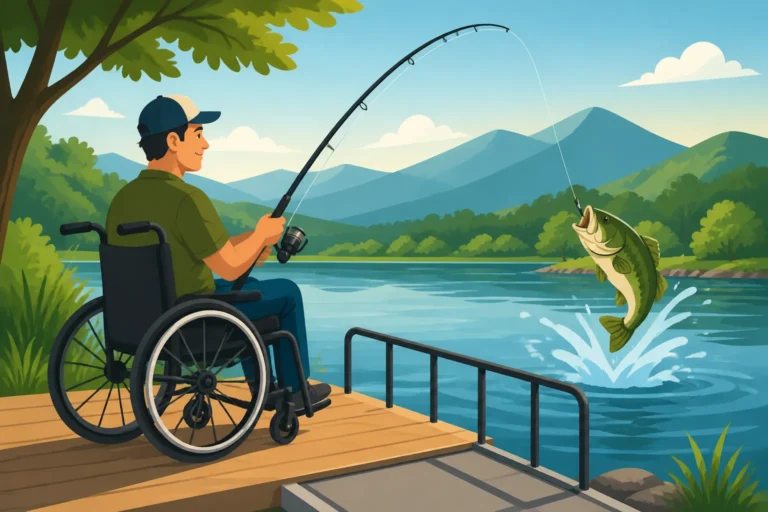
Accessibility is equally important. Think about stroller-friendly paths, easy access to restrooms, and designated parking areas close to your fishing spot. Nobody wants to haul a cooler, tackle boxes, chairs, and restless kids for half a mile over uneven terrain before even getting to the water. A good family fishing spot often features paved trails, boardwalks, or gentle slopes leading right to the water's edge, making it easy for everyone, from toddlers to grandparents, to enjoy the outing. Places with shaded areas are a huge bonus too, offering respite from the Tennessee sun during longer trips.
Amenities and Activities Beyond Fishing
Let's be realistic: even the most avid young angler might lose interest after an hour or two of fishing, especially if the bites are slow. This is where a truly family-friendly spot shines by offering more than just a place to cast. Look for locations that have playgrounds nearby where kids can burn off energy, picnic areas for a mid-day meal, or even walking trails for a short nature hike when fishing slows down. These extra amenities transform a fishing trip into a full-day adventure, giving everyone options to stay entertained.
Some fantastic locations even feature visitor centers with educational exhibits about local wildlife, or offer opportunities for birdwatching. For instance, many Tennessee State Parks excel at providing these diverse activities, making them ideal destinations. Having these alternatives means you can seamlessly pivot from fishing to another engaging activity, ensuring that the entire family leaves feeling happy and fulfilled, even if the fish weren't particularly cooperative that day. You're not just planning a fishing trip; you're planning a family outing centered around the outdoors.
High Chances for Success and Engagement
The quickest way for kids to lose interest in fishing is to spend hours without a single bite. That's why a truly family-friendly fishing spot needs to have a healthy population of readily catchable fish, ideally panfish like bluegill or small crappie, which are known for their eager bites. These fish don't require highly specialized gear or advanced techniques, making them perfect targets for beginners. Consistent action keeps excitement levels high and reinforces the positive experience of fishing.
Many public ponds and state park lakes are regularly stocked with these types of fish, specifically to encourage youth participation. These locations often have plenty of bank access, making it simple to find a good spot without needing a boat. When you're virtually guaranteed a few bites, the focus shifts from the struggle of catching something to the pure enjoyment of the process, making it a much more rewarding experience for everyone involved. Sometimes, it's about quantity over size, especially when introducing new anglers to the sport.
Percy Priest Lake Near Nashville
Just a stone's throw from Nashville, Percy Priest Lake is a sprawling reservoir that often gets overlooked by families in favor of its more famous neighbors, but it truly is a gem for a family fishing outing. Its sheer size means there are numerous access points, boat ramps, and quiet coves perfect for bank fishing, reducing the feeling of being crowded. The lake is well-known for its healthy populations of largemouth bass, crappie, and various species of catfish, all of which can provide steady action for anglers of all ages.
What makes Percy Priest particularly family-friendly are the numerous recreation areas scattered around its shores. Places like Long Hunter State Park offer excellent Family-Friendly Fishing at Percy Priest Lake, Tennessee with designated fishing piers, picnic tables, and even playgrounds. The calm waters in many of its coves are also great for kayaking or paddleboarding, adding more activities if the fish aren't biting. You can easily find spots with good Shore Fishing Access at Percy Priest Lake, Tennessee, which is ideal for families without a boat.
For those looking to venture out on the water, there are plenty of marinas and Boat Ramp Access on Tennessee's Major Lakes around the lake, making it easy to launch a small fishing boat or pontoon for a day of exploring. Even if you're just casting a line from the bank, the sheer beauty of the lake, with its rocky bluffs and forested shores, makes for a delightful backdrop to your family's adventure.
Norris Lake in East Tennessee
Nestled in the picturesque hills of East Tennessee, Norris Lake stands out as one of the state's cleanest and most beautiful reservoirs, making it a truly exceptional spot for families. With its deep, clear waters and numerous fingers reaching into the surrounding landscape, there are countless coves and secluded areas perfect for a peaceful day of fishing. Norris Lake boasts a fantastic variety of game fish, including a strong population of smallmouth bass, crappie, walleye, and plenty of bluegill, ensuring a diverse fishing experience.
Several state parks, like Big Ridge State Park and Norris Dam State Park, provide excellent amenities that cater specifically to families. These parks offer well-maintained campgrounds, hiking trails, swimming beaches, and easy access to the lake's shores. You can find sheltered areas ideal for bank fishing, and the clear water makes it a joy to watch the fish swim around your bait. The calm coves are also perfect for kids to safely try out kayaking or paddleboarding, offering an alternative activity if they need a break from fishing.
While Norris Lake is known for its excellent boating, even families without a boat can have a fantastic time accessing the many public areas. The clarity of the water also offers a unique opportunity for kids to observe fish behavior, sparking curiosity about the underwater world. The overall environment, with its stunning mountain views and clean air, makes Norris Lake not just a fishing destination, but a true nature retreat for the entire family.
Kentucky Lake for Big Catches
If your family is up for the challenge of potentially landing some truly impressive fish, Kentucky Lake, particularly on the Tennessee side, is an absolute must-visit. While it’s certainly known for its trophy bass, this massive reservoir also offers incredible opportunities for catfish and crappie, which are often easier for younger anglers to hook. The sheer scale of Kentucky Lake means there’s an abundance of diverse habitats, from shallow flats and stump fields to deep river channels, ensuring a variety of fishing experiences.
Many resorts and campgrounds along the lake are specifically geared towards families, offering cabin rentals, boat rentals, and various recreational activities that extend beyond fishing. This makes it easy to make a multi-day trip out of your visit, ensuring everyone stays entertained. The Tennessee Wildlife Resources Agency (TWRA) frequently manages and stocks these waters, maintaining healthy fish populations.
For families with a boat, exploring the countless bays and tributaries can lead to fantastic crappie and bluegill action, which are perfect for keeping kids engaged with consistent bites. For those fishing from the bank, many public access areas and parks along the shore provide good opportunities, especially in spring and fall when fish move closer to the banks. The chance to catch a really big fish, whether it's a channel catfish or a hefty crappie, can be a thrilling experience that creates lasting excitement and a fun story for the kids to tell.
Chickamauga Lake: More Than Just Trophy Bass
When you hear "Chickamauga Lake," your mind might immediately jump to "trophy bass." And while it absolutely lives up to that reputation, Chickamauga Lake near Chattanooga offers a surprising amount of family-friendly fishing opportunities that extend far beyond just chasing lunkers. This expansive lake on the Tennessee River system provides vast stretches of diverse habitat, making it a productive fishery for a variety of species, many of which are perfect for keeping young anglers busy.
Beyond the bass, Chickamauga Lake is an excellent destination for crappie and catfish. These species are often found in areas with less fishing pressure and are more willing to bite, making them ideal targets for kids who need consistent action to stay engaged. There are numerous public boat ramps and access points, and several county parks along the lake's edge offer amenities like picnic areas, playgrounds, and easy bank access. Harrison Bay State Park, for example, is a fantastic spot that combines excellent fishing with family-friendly facilities, including camping, hiking, and even a marina.
The size of Chickamauga Lake allows for quiet coves where families can escape the hustle and bustle, providing a peaceful environment for fishing. The availability of guide services, many of whom specialize in family trips, can also be a huge asset. These guides, often found on platforms like FishingBooker, know the best spots for consistent action and can provide all the gear, reducing the stress of planning and allowing your family to simply enjoy the experience. Don't let its big bass reputation intimidate you; Chickamauga Lake offers plenty of fun for the whole family.
Caney Fork River's Gentle Flow
The Caney Fork River, particularly the tailwater section below Center Hill Dam, is renowned for its excellent trout fishing. While trout fishing might sound daunting for families, the Caney Fork's managed flow and consistent stocking make it surprisingly accessible, especially for slightly older children who have developed a bit more patience. The river is designated as a "catch and release" for most trout species in certain sections, but there are also areas where keeping fish is permitted, allowing families the option to take home a meal.
What makes the Caney Fork River particularly appealing for families is its relatively gentle flow in many sections, making it safe for wading. There are numerous access points, including the popular Happy Hollow, Betty's Island, and Three Forks areas, which often have easy parking and gradual banks. These spots provide excellent opportunities for spin fishing with corn or powerbait, which are very effective for stocked rainbow trout. The scenic beauty of the river, winding through lush forests, also provides a stunning backdrop for your outing, adding to the overall enjoyment.
It’s crucial to check the generation schedule for Center Hill Dam before visiting, as water levels can rise quickly. However, during periods of low flow, the river becomes a fantastic environment for teaching kids how to cast, mend line, and spot fish in the clear water. While it might require a Tennessee Fishing License Guide that includes a trout permit, the rewarding experience of catching a beautiful rainbow trout in such a pristine environment is well worth the effort.
The Clinch River's Stocked Waters
Similar to the Caney Fork, the Clinch River, particularly its tailwater section below Norris Dam, is another premier trout fishery in East Tennessee that can be quite family-friendly under the right conditions. This river is consistently stocked by the TWRA with rainbow and brown trout, ensuring a healthy population and good chances of success. The Clinch is known for its cold, clear waters, which are perfect for trout, and its accessibility offers several spots suitable for families.
Public access areas such as Miller's Island and the section near Norris Dam provide ample bank fishing opportunities. Much like the Caney Fork, wading is possible in many areas during low water generation, allowing families to spread out and enjoy their own stretch of the river. Spin fishing with small lures or bait is often effective, and the consistent stocking means that even novice anglers have a good chance of reeling in a trout. This can be a very engaging experience, especially when kids learn to spot the fish in the clear water before they even bite.
Again, checking the Norris Dam generation schedule is paramount for safety. However, when conditions are right, the Clinch River offers a truly memorable family fishing experience, combining the excitement of trout fishing with the tranquility of a beautiful river environment. It’s a place where kids can learn the subtle art of stream fishing, observe aquatic insects, and connect with nature in a profound way.
Smaller Tributaries and Creeks
Beyond the big rivers and expansive lakes, Tennessee is crisscrossed by countless smaller tributaries and creeks that often hold hidden treasures for family fishing. These smaller waterways, sometimes overlooked by serious anglers, can be absolutely perfect for introducing kids to the joys of fishing. They typically feature calmer waters, less boat traffic, and often harbor abundant populations of eager panfish like bluegill, rock bass, and sometimes even smallmouth bass or creek chub.
The beauty of creek fishing is its simplicity. Often, all you need is a simple rod and reel, a bobber, a small hook, and some worms or crickets. Access is often easy, with many creeks running through public lands, state forests, or near small towns with designated park areas. These spots teach kids to be observant, looking for deeper pools, fallen logs, or undercut banks where fish might hide. The intimacy of a small creek environment can feel less intimidating than a vast lake, allowing children to feel more in control and connected to their surroundings.
While you might not pull out a trophy from these smaller waters, the sheer volume of bites and the constant activity can keep kids thoroughly entertained for hours. It’s also a fantastic way to teach kids about the local ecosystem, identifying different types of fish, insects, and plants that thrive in these more delicate environments. Always be sure to check local regulations, as some smaller creeks might have specific rules or be on private property, but finding a good, accessible creek can be an unforgettable family adventure.
Tennessee State Park Fishing Opportunities
Tennessee's State Parks are truly unsung heroes when it comes to family fishing. Designed with public recreation in mind, these parks consistently offer some of the most accessible and well-maintained fishing spots across the state. Many state park lakes and ponds are managed specifically for family-friendly fishing, often being regularly stocked with fish like bluegill and catfish to ensure a good chance of success. This targeted management drastically increases the likelihood of consistent bites, which, as we know, is key to keeping kids engaged.
Beyond just the fishing, these parks provide a wealth of amenities that make a family outing incredibly easy and enjoyable. You’ll frequently find dedicated fishing piers that are safe and easy for kids to cast from, clean restrooms, picnic areas with grills, and often playgrounds to burn off any extra energy. Some even offer boat rentals for kayaks or canoes, giving you another way to explore the water. These integrated facilities mean you can spend a whole day at the park without needing to relocate for different activities, making planning simple and stress-free. For a truly comprehensive look, check out our guide on Best State Park Fishing Spots for Family Outings.
Consider locations like Radnor Lake State Park, offering a serene, natural environment near Nashville with opportunities for wildlife viewing, or Natchez Trace State Park, with multiple lakes perfect for panfish. These parks are not just places to fish; they are destinations for outdoor exploration and family bonding, offering a safe and controlled environment where kids can freely explore and discover the wonders of nature. They embody the ideal blend of recreational facilities and natural beauty, making them a top choice for family fishing adventures.
Local Community Ponds and Lakes
Don’t underestimate the power of your local community pond or a small municipal lake when it comes to family fishing. These often-overlooked bodies of water can be absolute goldmines for introducing kids to angling. Many cities and counties across Tennessee maintain these smaller lakes and ponds, specifically stocking them with readily catchable species like bluegill, channel catfish, and sometimes even rainbow trout during cooler months. The beauty of these spots lies in their convenience and accessibility.
Typically, these ponds are located within city parks, offering easy parking, paved pathways, and often other amenities like playgrounds, restrooms, and picnic tables right nearby. The banks are usually clear of heavy vegetation, providing unobstructed casting for even the youngest anglers. The smaller size of these waters means fish are often easier to locate, and the competition from other anglers is usually minimal. For busy families, being able to pop over to a local pond for an hour or two without a long drive is a huge advantage, allowing for spontaneous fishing trips that fit into any schedule.
These community ponds are fantastic for teaching basic fishing skills, from baiting a hook to casting and reeling. The frequent bites on simpler setups (like a bobber and worm) build confidence and keep children excited about the sport. It's a low-pressure environment where the emphasis is purely on fun and making memories, rather than chasing trophy fish. Remember that even though they're local, a Tennessee Fishing License Guide is still required for adults.
Wildlife Management Areas for a Quiet Escape
For families seeking a slightly more rustic and quiet fishing experience, Tennessee's Wildlife Management Areas (WMAs) can offer incredible opportunities. While not always boasting the same level of developed amenities as state parks, many WMAs feature numerous small lakes, ponds, and streams that are open to public fishing. These areas are managed by the TWRA to conserve wildlife and provide public access to outdoor recreation, often resulting in less crowded fishing spots and a greater sense of immersion in nature.
The fishing in WMAs can be excellent for a variety of species, depending on the specific location. Many WMA ponds are stocked with bass, crappie, and bluegill, offering good action for panfish. You might need to do a bit more research or be prepared for a slightly longer walk to reach some of the prime spots, but the reward is often a peaceful fishing experience surrounded by untouched natural beauty. These spots are fantastic for families who appreciate tranquility and don't mind a bit less infrastructure.
When planning a trip to a WMA, it’s always a good idea to check the TWRA website for specific regulations and access points, as rules can vary. However, for families who value solitude and the chance to truly disconnect, these areas provide an unparalleled opportunity. It's also an excellent way to teach children about wildlife conservation and the importance of preserving natural habitats, fostering a deeper respect for the environment. These are the kinds of places where you might spot deer, turkeys, or a variety of bird species, making the outing an overall wildlife observation adventure.
Understanding Licenses and Regulations
Before you even think about packing your tackle box, understanding Tennessee's fishing licenses and regulations is absolutely critical, even for family outings. The rules are in place to ensure sustainable fishing for future generations, and ignorance is rarely an excuse in the eyes of a game warden. Generally, everyone aged 13 and older needs a fishing license in Tennessee, though there are important exceptions and specific rules for youth anglers. For instance, you’ll want to know Do Kids Need a Fishing License in Tennessee for your specific situation.
The good news is that obtaining a license is straightforward, whether you do it online through the TWRA website, at a local sporting goods store like Academy Sports + Outdoors, or from a bait and tackle shop. You can often purchase different types of licenses, from annual resident licenses (like the popular combination hunt and fish license) to single-day or multi-day options for non-residents. If you're planning to fish for trout in designated waters, you’ll typically need an additional trout permit on top of your basic license. Always double-check the specific regulations for the water body you plan to visit, as some lakes and rivers have unique length and creel limits that override statewide defaults.
It’s also important to be aware of special events, like Bobby Wilson Free Fishing Day in Tennessee or Tennessee's Free Fishing Week for Kids. These are fantastic opportunities to introduce new anglers to the sport without the need for a license, making it easier and more affordable for families to try fishing for the first time. Keep these dates in mind, as they provide a perfect entry point into the world of angling.
Gearing Up for All Ages
Outfitting your family for a fishing trip doesn't have to be complicated or expensive. For kids, simplicity is key. A basic spincast rod and reel combo, often referred to as a "push-button" reel, is perfect for beginners. These are incredibly easy to use, minimize tangles, and are durable enough to withstand the inevitable drops and bumps. Look for combos that are roughly 4-5 feet long for younger children, as these are easier for small hands to manage. For bait, nothing beats classic earthworms or crickets for attracting a wide variety of eager fish like bluegill and catfish. A simple bobber-and-sinker rig is usually all you need. If you're unsure where to start, check out our guide on Best Gear for Beginners.
For adults, or older children who have mastered the basics, a lightweight spinning combo with 6-8 pound test line is versatile enough for most Tennessee fishing. This setup can handle everything from panfish to smaller bass and crappie. Beyond rods and reels, a few essential items include a small tackle box stocked with extra hooks (size 6-10), sinkers (split shot or small egg sinkers), a few bobbers, and perhaps a small pair of pliers for removing hooks. Don't forget a small cooler with ice for drinks and snacks, and if you plan to keep fish, another cooler or a stringer for your catch.
Comfort and safety gear are just as important as fishing tackle. Wide-brimmed hats, sunglasses, and plenty of sunscreen are non-negotiable for sun protection. Insect repellent is often a good idea, especially in warmer months. Always bring plenty of water to stay hydrated. And of course, every child (and often adults too, depending on the situation) should wear a properly fitted life jacket when near or on the water. Even if you're just bank fishing, having them accessible is wise, particularly if you're near deep or fast-moving water.
Safety First: Water and Weather Prep
A fun family fishing trip can quickly turn sour, or even dangerous, without proper attention to safety. This is especially true when dealing with open water and unpredictable weather. First and foremost, water safety: if you're fishing from a boat, everyone, especially children, must wear a Coast Guard-approved life jacket. Even when fishing from the bank near deep or flowing water, it's a good idea for young children to have them on. Make sure kids understand the dangers of slippery banks, deep water, and moving currents. Emphasize that they should never venture near the water's edge without an adult.
Next, monitor the weather forecast diligently before and during your trip. Tennessee weather can change rapidly, with sunny mornings giving way to afternoon thunderstorms. Pack rain gear, even if the forecast looks clear. Know where to seek shelter if a storm rolls in, and be prepared to cut your trip short if lightning or heavy winds become a threat. High winds can make boat control difficult and bank fishing uncomfortable, while extreme heat can lead to dehydration and heatstroke. In hot weather, plan to fish during the cooler parts of the day, like early morning or late evening, and take frequent breaks in the shade.
For families planning to utilize a boat, familiarity with basic boating safety rules and having a Tennessee Boating Safety Education Certificate Guide can be invaluable. This includes understanding navigation rules, carrying required safety equipment like a whistle and throwable flotation device, and knowing how to operate your vessel safely. Communication is key: establish clear rules with your children before you even leave home, and reinforce them throughout the outing. A well-prepared family is a safe and happy family.
Keeping Kids Engaged and Excited
The secret to a successful family fishing trip isn't just about catching fish; it's about making the entire experience engaging and fun for everyone, especially the kids. Set realistic expectations from the start – don't promise a trophy catch, but focus on the adventure and the possibility of catching something. Introduce a "first fish" contest, or see who can catch the most fish, regardless of size. The constant activity of reeling in small panfish like bluegill or sunfish can be incredibly exciting for young anglers. Even if the fish are small, they provide that crucial "tug" that keeps interest levels high. For tips on catching these, our Bluegill and Panfish Guide for Tennessee Anglers can be very helpful.
Let the kids be actively involved in as many aspects of the trip as possible. Let them help pick out bait (worms are always a hit!), cast their own lines (with supervision, of course), and even help unhook fish if they're comfortable. A simple bobber setup allows them to visually track their line and see the exciting moment the bobber dips, which is often more engaging than feeling a subtle bite. If fishing slows down, take a break! Explore the shoreline for interesting rocks or feathers, watch for wildlife, or have a snack. Diversions are your friend. Remember, the goal is to foster a love for the outdoors, not just to catch fish.
One of the best ways to guarantee engagement is to fish during optimal times. For panfish, early mornings and late afternoons are often best. Understanding Best Time of Day to Catch Bream can make a huge difference. Also, consider the water temperature and how it affects fish activity; our guide on How Water Temperature Affects Fish Activity can give you insights into when fish are most likely to be biting. Sometimes, bringing a small magnifying glass for examining insects or a field guide for identifying birds can turn slow fishing moments into educational adventures.
Teaching Conservation and Respect for Nature
A family fishing trip is more than just a recreational outing; it's a powerful opportunity to instill vital lessons in conservation and respect for the natural world. From the moment you arrive, you can begin teaching children about leaving no trace – packing out everything you pack in, and perhaps even picking up any litter you find along the way. Explain why it’s important to handle fish gently, especially if you’re planning to release them. Demonstrate how to properly unhook a fish without causing undue harm, and how to safely return it to the water.
Discuss catch and release practices, explaining that by letting some fish go, we ensure there are plenty for others to catch in the future, maintaining a healthy ecosystem. Talk about the importance of respecting wildlife, observing animals from a distance, and not disturbing their natural habitats. Teach them about the life cycles of the fish they're catching, and the delicate balance of the aquatic environment. These aren't just rules for fishing; they are life lessons about being responsible stewards of our planet.
This experiential learning often resonates more deeply than any textbook lesson. When kids see firsthand the beauty of a pristine river or the excitement of a thriving fish population, they become personally invested in its protection. Using services like FishingBooker can sometimes connect you with guides who are passionate about conservation and can further reinforce these messages, sharing local ecological knowledge. These fishing adventures become foundational experiences that shape a child's environmental consciousness for years to come.
Documenting Memories Without Overdoing It
In today's digital age, it's natural to want to capture every precious moment, and a family fishing trip certainly provides plenty of photo opportunities. The excitement of a first catch, a proud smile holding up a fish, or simply the serene backdrop of a Tennessee lake – these are all moments worth preserving. Take those photos and videos, create memories that you can look back on for years, and share with friends and family. A simple waterproof camera or even your smartphone in a protective case can be perfect for capturing these candid moments.
However, there's a delicate balance to strike. The goal is to be present and enjoy the experience, not to be constantly behind a lens. Kids, especially, can get distracted or feel pressured if every action is being documented. Sometimes the best memories are the ones that exist solely in your minds, shared through laughter and conversation, without the intermediary of a screen. Encourage them to observe, to feel the sun on their face, and to listen to the sounds of nature, rather than always posing for the next shot.
Consider taking a few key photos: the group shot, a shot of the first fish, and perhaps a scenic shot of the location. Then, put the camera away for a while and just immerse yourselves in the moment. Journaling about the day, or having the kids draw pictures of their favorite parts of the trip, can also be wonderful ways to document memories that encourage reflection and creativity, rather than just passive consumption of images. The memories you create will be cherished, whether they're perfectly framed on Instagram or simply etched into your family's heart.
Nearby Attractions and Activities
One of the best strategies for ensuring a family fishing trip is a smashing success is to consider the broader itinerary. Fishing can be a fantastic centerpiece, but having other nearby attractions and activities available can transform a good day into an unforgettable family vacation. Many of Tennessee's prime fishing spots are located close to popular tourist destinations, charming small towns, or other natural wonders. This means that if the fish aren't biting, or if the kids simply need a change of pace, you have exciting alternatives right at your fingertips.
For instance, if you're fishing on Chickamauga Lake, the vibrant city of Chattanooga is just a short drive away, offering attractions like the Tennessee Aquarium, Rock City, and the Chattanooga Choo Choo. If you're near Percy Priest Lake, the endless entertainment options of Nashville, from the Country Music Hall of Fame to the Nashville Zoo, are easily accessible. Even more remote spots often have quaint local museums, historical sites, or unique shops in nearby towns that can provide a fun diversion. These supplementary activities ensure that there’s never a dull moment and that everyone in the family finds something enjoyable to do, regardless of their enthusiasm for fishing.
This multi-faceted approach to trip planning acknowledges that family members have diverse interests. By offering a variety of experiences, you cater to everyone, making the entire outing feel less like a dedicated fishing expedition and more like a holistic family adventure. It alleviates pressure on the fishing itself to be the sole source of entertainment and contributes to a richer, more memorable overall experience for everyone involved.
Picnic Perfect Spots and Playgrounds
Sometimes, the simplest amenities make the biggest difference for a family outing. A well-placed picnic area or a nearby playground can turn a good fishing spot into a great one for families. After a few hours of casting and reeling, a break for lunch is essential, and having a dedicated space with tables, shade, and maybe even grills makes the meal experience much more enjoyable. It’s a chance to refuel, relax, and recap the morning's adventures, all while still enjoying the outdoors.
Many of Tennessee's state parks, community lakes, and even some public access points on larger reservoirs are equipped with excellent picnic facilities. These often include covered pavilions, making them perfect for unexpected rain showers or intense sun. The ability to easily lay out a spread of sandwiches, snacks, and drinks without having to trek back to the car is a huge convenience for parents.
Even better, if there’s a playground within sight or a short walk from your fishing spot, it becomes an absolute game-changer. Kids, especially younger ones, have an incredible amount of energy, and a playground provides a safe and fun outlet for them to run, climb, and slide. This gives them a much-needed break from the relative quiet and stillness of fishing, allowing them to burn off steam before potentially returning to the fishing rod with renewed enthusiasm. It’s all about creating a balanced day that caters to both the quiet joy of fishing and the lively energy of childhood.
Educational Opportunities in Nature
Beyond the practical skills of casting and knot-tying, family fishing trips offer unparalleled educational opportunities. Being immersed in nature provides a living classroom where kids can learn about local flora and fauna, the intricacies of ecosystems, and basic environmental science. Before you even get to the water, you can talk about the different types of trees, identify bird calls, or point out animal tracks. Once fishing, discussing the types of fish you're catching, their diets, and their habitat preferences can be a fascinating biology lesson.
Bring along a small field guide to local fish, birds, or plants. This encourages active observation and helps children connect what they see with what they learn. You can talk about the importance of clean water, why certain fish thrive in particular environments, and the role each creature plays in the larger ecosystem. For instance, explaining why small bluegill are important food sources for larger bass teaches them about the food chain. Even identifying different types of insects buzzing around the water can spark curiosity and a desire to learn more.
Consider looking up information about the specific lake or river you're visiting beforehand. Share facts about its history, its ecological significance, or any unique features it might have. These discussions foster a deeper appreciation for the natural world and ignite a sense of wonder. By engaging their minds as much as their hands, you transform a simple fishing trip into a rich, educational adventure that can inspire a lifelong love of learning and nature.
| Family-Friendly Fishing Spot | Primary Fish Species | Key Family Amenities | Accessibility Rating (1-5, 5 being best) | Notable Features |
|---|---|---|---|---|
| Percy Priest Lake | Bass, Crappie, Catfish | Parks, Playgrounds, Picnics, Camping | 4 | Close to Nashville, multiple recreation areas, easy bank access. |
| Norris Lake | Smallmouth Bass, Crappie, Walleye, Bluegill | State Parks, Beaches, Hiking, Camping | 4 | Clear waters, scenic views, numerous coves, calmer for small boats. |
| Kentucky Lake | Catfish, Crappie, Bass | Resorts, Camping, Marinas, Boat Rentals | 3.5 | Huge lake with diverse fishing, great for big fish, but can be crowded. |
| Chickamauga Lake | Bass, Crappie, Catfish | State Parks, Playgrounds, Picnics | 4 | Near Chattanooga, varied fishing, excellent facilities at Harrison Bay SP. |
| Caney Fork River | Trout | Wading, Scenic, Picnic Areas | 3 | Catch & release sections, gentle flow (check generation schedule), tranquil. |
| Clinch River | Trout | Wading, Scenic, Public Access | 3 | Consistently stocked, clear water (check generation schedule), peaceful. |
| Tennessee State Parks (General) | Panfish, Catfish, Bass | Piers, Playgrounds, Restrooms, Rentals | 5 | Managed for family fishing, highest convenience, diverse offerings. |
| Local Community Ponds | Bluegill, Catfish | Playgrounds, Picnics, Restrooms | 5 | Most convenient, easy access, high success rate for kids, often stocked. |
Disclaimer
Please note that fishing regulations, license requirements, and local conditions can change. Always check the official Tennessee Wildlife Resources Agency (TWRA) website or consult local authorities for the most current information before planning your trip. Safety should always be your top priority when enjoying the outdoors.