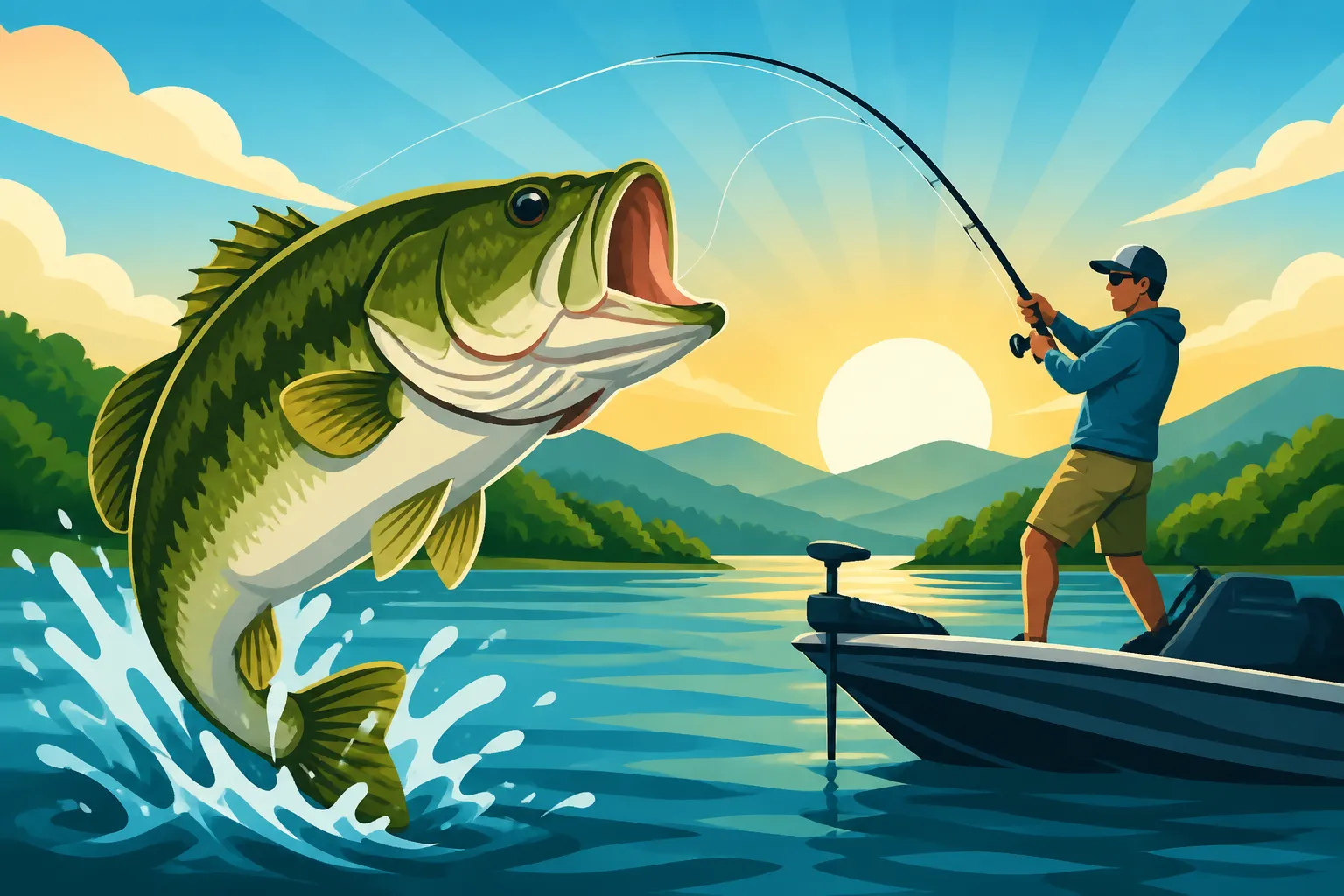
Douglas Lake Fishing Near Knoxville
Douglas Lake near Knoxville can feel like a riddle, especially with its famous seasonal drawdowns that dramatically change the landscape. Many anglers, particularly those new to the area, arrive ready to fish prime spots only to find them dry or inaccessible, leading to a lot of frustration and wasted time. This comprehensive guide is here to untangle the complexities of fishing Douglas Lake, providing you with the knowledge and strategies to navigate its unique challenges and unlock its incredible fishing potential, no matter the season or water level.
Understanding Douglas Lake's Unique Character
Douglas Lake isn't just another body of water; it's a dynamic reservoir managed by the Tennessee Valley Authority (TVA). This means its water levels fluctuate significantly throughout the year, a characteristic that defines much of the fishing experience here. Anglers who understand this ebb and flow are the ones who consistently find success.
The Drawdown and Its Impact on Fishing
One of the most defining features of Douglas Lake is its seasonal drawdown. Every year, typically starting in late summer or early fall, the TVA begins to lower the water level to make room for winter rains and spring snowmelt. This process continues through the winter, often exposing vast expanses of lakebed, stumps, and rock piles that were submerged just months prior. When spring arrives, the lake gradually begins to refill, reaching full pool by late spring or early summer.
This dramatic fluctuation has profound impacts on fishing. During the drawdown, fish are often concentrated in deeper channels and remaining pockets of water, making them easier to locate for some, but harder to access for others. Boat ramps can become unusable, and navigating the remaining water requires extreme caution due to newly exposed hazards. Conversely, during the refilling period in spring, fish spread out into newly flooded vegetation and structure, offering different opportunities. Anglers often find themselves needing to adjust their entire approach – from launch sites to lure choices – based on the current water level. It's a challenging but rewarding aspect of fishing Douglas Lake, forcing you to think like the fish and anticipate their movements.
Geography and Key Features for Anglers
Douglas Lake is nestled in the scenic foothills of the Great Smoky Mountains, primarily in Sevier and Jefferson counties, with excellent proximity to major towns like Dandridge and Sevierville, just a short drive from Knoxville. It covers approximately 28,420 acres at full pool and stretches nearly 43 miles, fed mainly by the French Broad River and the Nolichucky River. This riverine influence means that the upper sections of the lake retain more of a river channel feel, with current often playing a role, while the lower sections open up into broader, more reservoir-like expanses.
Anglers exploring Douglas will find an incredible diversity of structure. The lake is famous for its abundant standing timber and submerged brush piles, especially in the upper and mid-lake sections, which provide crucial cover for crappie and bass. There are also numerous rock ledges, humps, and points, particularly in the lower, clearer portions of the lake, which attract bass and schooling striped bass. Understanding these geographical nuances is key. For example, the French Broad arm near Dandridge offers different fishing dynamics than the main lake basin closer to the dam. Always pay attention to channel markers and use up-to-date mapping to navigate safely, especially during lower water periods when hazards are less visible. Douglas Lake offers some of the Best Fishing Spots Near Knoxville, Tennessee, making it a popular destination.
Dominant Fish Species and How to Target Them
Douglas Lake is a true angler's paradise, boasting a robust population of several popular sport fish. While it’s renowned for its bass fishing, it also offers fantastic opportunities for crappie, striped bass, and a variety of panfish. Understanding the behavior and preferred habitats of these species is crucial for a successful outing.
Largemouth Bass: The Trophy Hunter's Dream
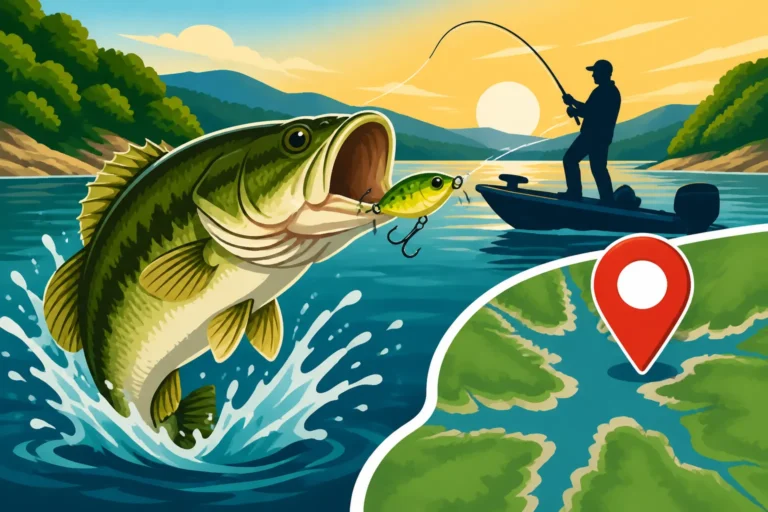
Douglas Lake has earned a reputation as one of Tennessee's premier largemouth bass fisheries, consistently producing both high numbers of quality fish and genuine trophy-sized specimens. The abundance of shallow cover, from flooded timber to brush piles and grass beds (when water levels permit), creates an ideal environment for largemouth.
During the pre-spawn in early spring, largemouth will start moving from deeper winter haunts towards shallower staging areas, often congregating on points and humps near spawning flats. This is a fantastic time to throw lipless crankbaits, jerkbaits, and spinnerbaits. As the water warms and the Tennessee Bass Fishing Seasons and Patterns transition into the spawn, anglers will find bass on beds in protected coves and shallow pockets, making jigs, creature baits, and soft plastics effective choices. Post-spawn, the fish disperse and feed heavily to recover, often holding around offshore structure like ledges and brush piles, where deep-diving crankbaits, shaky heads, and Carolina rigs shine. Throughout the summer, largemouth will seek cooler, deeper water during the day, moving shallower at dawn and dusk. In the fall, they follow baitfish into creeks and coves, aggressively feeding before winter sets in. Being able to correctly identify your catch is also important; this guide on Largemouth Bass Identification Tips for Tennessee Anglers can be quite helpful.
Crappie: Abundance in the Timber
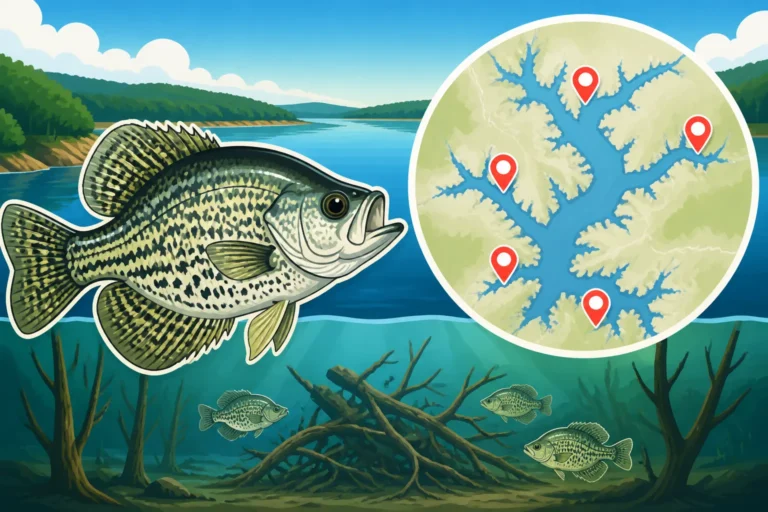
If you love crappie fishing, Douglas Lake will not disappoint. The lake's vast expanses of standing timber, especially in the upper French Broad and Nolichucky arms, as well as numerous man-made brush piles, create perfect habitats for both black and white crappie. These areas offer excellent cover and ambush points for these schooling fish.
The spring crappie spawn is, without a doubt, the most popular time to target them. As water temperatures climb into the 50s and 60s, crappie move into shallow water, often around flooded willows, stumps, and brush. Small jigs (1/16 to 1/8 ounce) tipped with soft plastic bodies in chartreuse, white, or black-and-chartreuse are deadly during this time, often fished under a bobber. Live minnows, fished tight-lining or with spider rigging setups, are also incredibly effective. During the summer, crappie retreat to deeper water, often suspending over channel drops or holding tight to deeper brush piles. Vertical jigging or slow trolling with minnows over these structures becomes the preferred method. In fall, they follow baitfish, and in winter, they often school tightly in deep channels, offering a challenging but rewarding vertical jigging opportunity. For more detailed insights into the best times, explore Spring Crappie Spawn Timing in Tennessee and information on Black Crappie Stocking by TWRA in Tennessee.
Striped Bass: The Hard-Fighting Challenge
Douglas Lake also offers an exciting fishery for striped bass, a powerful and hard-fighting species that provides a serious test for any angler. These anadromous fish, unable to return to the ocean, thrive in large reservoirs like Douglas, growing to impressive sizes. They are often found in the main lake basin and around the dam, where they have access to deeper, cooler water.
Targeting striped bass requires a different approach than bass or crappie. Stripers are often found schooling in open water, chasing baitfish such as gizzard shad. Trolling with large swimbaits, Sassy Shads, or bucktail jigs is a highly effective method, especially when you spot schools of baitfish or stripers on your electronics. Live bait, particularly large gizzard or threadfin shad, fished on a downline or free-lined, is another potent tactic, especially in the river channels or around main lake points. Dawn and dusk are often prime times for stripers, as they push bait to the surface. During the warmer months, they seek out cooler, oxygenated water in the lake's deeper zones. Be prepared for a powerful fight; stripers are known for long, drag-screaming runs, so stout tackle is a must. For a deeper dive into techniques and strategies for these powerful fish, check out our guide on Striped Bass Fishing in Tennessee Reservoirs.
Seasonal Strategies for Douglas Lake Success
Fishing Douglas Lake successfully means understanding and adapting to the seasonal changes that dramatically influence fish behavior. The lake’s unique drawdown cycle further compounds these shifts, making a flexible approach essential for every outing.
Spring: Spawning Frenzy and Active Feeding
Spring on Douglas Lake is a period of intense activity and some of the year's best fishing, especially as the lake begins to refill. As water temperatures rise from the low 50s into the 60s Fahrenheit, fish move out of their deeper winter haunts and become increasingly active. The pre-spawn phase sees largemouth bass staging on points and humps adjacent to spawning coves, aggressively feeding to build energy for the spawn. Crankbaits, jerkbaits, and spinnerbaits are incredibly effective during this period.
Once the water temperature consistently hits the mid-60s, typically from late April through May, the spawn kicks into high gear. Bass will move into shallow, protected areas, often near submerged brush, stumps, or newly flooded vegetation, creating beds. Soft plastics, jigs, and Texas-rigged worms worked slowly in these areas can entice a bite. Crappie also move shallow to spawn, congregating around flooded timber and brush piles. Small jigs and minnows under bobbers are hard to beat. The post-spawn period, usually late May into June, sees fish dispersing as they recover, often moving to secondary points or shallow cover, before retreating to deeper water as summer heat arrives. Understanding How Water Temperature Affects Fish Activity is paramount during this dynamic season.
Summer: Adapting to Heat and Deep Water
Summer fishing on Douglas Lake presents its own set of challenges, primarily due to rising water temperatures and increased recreational boat traffic. As the surface waters heat up, many fish, especially largemouth bass and striped bass, move to deeper, cooler, more oxygenated water. This often means targeting main lake ledges, humps, and deep points. Deep-diving crankbaits, heavy jigs, and Carolina rigs are essential tools for reaching these deeper fish.
However, don't write off shallow water entirely. Early mornings, late evenings, and even night fishing can be incredibly productive as fish move shallower to feed under the cover of darkness or cooler temperatures. Topwater lures can provide explosive strikes at dawn and dusk. For crappie, look for them suspending over deeper channels or holding tight to brush piles in 15-30 feet of water, where spider rigging with minnows or vertical jigging can be highly effective. The key to summer success is adapting to the heat and knowing when and where to find fish that are escaping the warmest surface layers. Our articles on How to Fish for Bass in Summer Heat and Best Time of Day to Catch Bass offer more specific tactics for these warmer months.
Fall and Winter: Transition and Cooler Bites
Fall is a transition period on Douglas Lake as water temperatures begin to drop, signaling fish to start their autumn feeding frenzy. Baitfish move into the creeks and shallower bays, and predatory fish like bass and stripers follow close behind, gorging themselves in preparation for winter. This is a fantastic time for throwing reaction baits like crankbaits, spinnerbaits, and topwater lures, especially around creek channels, main lake points, and areas with schooling bait. As the water cools further, the lake will experience its "turnover" event, where surface and deeper waters mix, which can temporarily scatter fish, but it often leads to stable conditions afterward.
Winter fishing on Douglas can be tough, especially during the extreme drawdown, but it can also yield some of the biggest fish of the year. Largemouth and smallmouth bass often congregate on deep structure, like humps, ledges, and channel swings. Slow-moving baits like jigging spoons, shaky heads, and Ned rigs are effective for tempting these lethargic fish. Crappie will school tightly in deep channels, often suspended near the bottom, and can be caught by vertical jigging or slow trolling minnows. Striped bass may also be found in deeper areas of the main lake, often closer to the dam. While bites can be fewer, the quality of fish caught in winter can be exceptional.
Essential Gear and Logistics for Douglas Lake
Fishing Douglas Lake effectively requires not only knowledge of fish behavior but also the right gear and a solid understanding of the lake's logistical aspects, particularly concerning boat access and navigation, especially during the drawdown.
Boat Access and Navigation
Given Douglas Lake's significant seasonal drawdowns, boat access is a critical consideration. While many ramps are available at full pool, fewer remain usable during the lower water periods. Towns like Dandridge and Sevierville offer multiple ramps, but it's always wise to check current water levels and ramp conditions with the Tennessee Valley Authority (TVA) or local bait shops before heading out. Shallow draft boats, such as jon boats or smaller fiberglass bass boats, often have an advantage during low water.
Once on the water, navigation requires vigilance. Submerged timber, rock piles, and old roadbeds can become major hazards, particularly during the drawdown when less water covers them. A good marine electronics setup, including a reliable depth finder with GPS and detailed mapping, is absolutely invaluable. It allows you to safely navigate channels, locate underwater structure, and avoid potential dangers. Many experienced anglers also use their electronics to mark waypoints for productive fishing spots or safe travel lanes. For general advice on choosing and using access points, our guide on Best Boat Ramps on Norris Lake, Tennessee can offer some transferable insights.
Recommended Tackle and Lures
Your tackle box for Douglas Lake should be as diverse as its fishing opportunities. For largemouth bass, a selection of medium-heavy to heavy casting rods (6'6" to 7'6") paired with baitcasting reels is ideal for throwing everything from deep-diving crankbaits and jigs to spinnerbaits and topwater frogs. Line choices might include 15-20lb fluorocarbon for sensitivity and abrasion resistance or 30-50lb braided line for punching through heavy cover. Essential lures include various soft plastics (worms, creature baits), jigs (flipping, football), crankbaits (shallow, medium, deep divers), spinnerbaits, and bladed jigs.
For crappie, a lighter touch is needed. Ultralight or light spinning rods (6-9 feet) with sensitive tips are perfect for detecting subtle bites. Pair them with small spinning reels spooled with 4-6lb monofilament or braided line. Jigs in 1/32 to 1/8 ounce, often tipped with small soft plastics or live minnows, are standard. Long crappie poles for spider rigging are also popular. Striped bass, on the other hand, demand much heavier gear due to their size and fighting power. Medium-heavy to heavy conventional or spinning rods (7-8 feet) with reels spooled with 20-30lb mono or 50-80lb braid are necessary. Large swimbaits, bucktail jigs, and live bait rigs with large hooks (4/0 to 7/0) are essential. Having a versatile setup for panfish like bluegill, often found in the same areas as crappie, is also a good idea. Consider a simple ultralight setup with tiny jigs or pieces of worm.
Hiring a Local Fishing Guide
For those new to Douglas Lake, or even seasoned anglers looking to maximize their time on the water, hiring a local fishing guide can be an absolute game-changer. Douglas Lake's fluctuating water levels and vast, complex structure can be incredibly challenging to learn on your own. A professional guide possesses invaluable local knowledge, including current fish patterns, optimal depths, the best baits for the season, and, crucially, how to navigate the lake safely, especially during the drawdown periods. They can help you avoid hazards and put you directly on fish.
Guides often have specialized equipment, such as powerful fish finders and multiple rod setups for various techniques, allowing you to try different methods and species without needing to invest in all the gear yourself. They can teach you specific techniques that work best on Douglas and help you locate prime fishing spots. For visitors or those planning a special trip, a guide can transform a potentially frustrating day into a highly successful and educational experience. Services like FishingBooker make it incredibly easy to find and book experienced local guides who specialize in Douglas Lake, connecting you with experts who know the nuances of this remarkable fishery. Whether you're targeting trophy bass, schooling crappie, or hard-fighting stripers, a local guide can significantly enhance your chances of success and provide a deeper appreciation for this unique Tennessee gem.
Rules, Regulations, and Responsible Angling
Angling on Douglas Lake, like all public waters in Tennessee, comes with a responsibility to understand and adhere to the state's fishing laws. These regulations are in place to protect the fishery and ensure sustainable opportunities for all. Ignoring them can lead to penalties and undermine conservation efforts.
Understanding Tennessee's Fishing Laws
The first and most crucial step before casting a line in Douglas Lake is to ensure you have a valid Tennessee fishing license. Whether you're a resident or a non-resident, an annual license is generally required for anyone aged 13 and older. There are various license types available, including annual, short-term, and combination hunt/fish licenses, with specific options for seniors and youth. You can easily purchase these online through the Tennessee Wildlife Resources Agency (TWRA) website, at sporting goods stores, or at many bait and tackle shops around the lake. For a comprehensive overview of requirements, refer to our Tennessee Fishing License Guide.
Beyond the license, it's essential to be aware of the specific regulations for Douglas Lake, which generally fall under statewide rules but can sometimes have lake-specific exceptions. These rules govern catch limits (how many fish you can keep), size restrictions (minimum or maximum lengths for certain species), and seasonal closures for specific species or waters. For instance, statewide bass limits, crappie limits, and striped bass regulations apply. Always check the current TWRA Fishing Guide for the most up-to-date information, as regulations can change annually. Being informed ensures a legal and enjoyable fishing experience. Our Tennessee Fishing Regulations Explained article can serve as a helpful resource.
Conservation and Lake Etiquette
Responsible angling goes beyond simply following the rules; it encompasses a commitment to conservation and showing respect for the environment and fellow anglers. Douglas Lake is a precious natural resource, and it's up to all of us to protect it. Practicing catch and release, especially for trophy-sized bass and those fish you don't intend to eat, helps maintain healthy fish populations for future generations. If you do keep fish, only take what you need and adhere strictly to all catch and size limits.
Another critical aspect of lake etiquette is to leave no trace. This means packing out everything you bring in, including all trash, discarded fishing line, and bait containers. Monofilament fishing line, in particular, can be incredibly harmful to wildlife if left in the water or along the shore. Respect other anglers' space, especially in popular spots or during tournaments. Be mindful of boat wakes, especially near other boats, kayaks, or shore anglers. Learning basic tactics, even for common species like bluegill, can be a great way to introduce newcomers to responsible angling practices, as detailed in our guide on Bluegill Fishing for Beginners in Tennessee. For those planning family outings, considering advice from a guide like Family-Friendly Fishing at Percy Priest Lake, Tennessee also promotes good lake habits. By adhering to these principles, we can ensure Douglas Lake remains a fantastic fishing destination for years to come.
| Fish Species | Best Seasons | Popular Baits/Lures |
|---|---|---|
| Largemouth Bass | Spring, Fall | Jigs, Crankbaits, Spinnerbaits, Soft Plastics |
| Crappie | Spring, Summer, Fall | Small Jigs, Minnows, Spider Rigging |
| Striped Bass | Spring, Fall, Winter | Large Swimbaits, Bucktail Jigs, Live Shad |
| Smallmouth Bass | Spring, Fall | Jerkbaits, Tubes, Drop Shot, Live Minnows |
| Bluegill/Panfish | Spring, Summer | Worms, Crickets, Tiny Jigs, Live Bait |
Disclaimer
The information provided in this guide is for general informational purposes only and is not intended as legal advice regarding fishing regulations. Fishing rules and regulations, including license requirements, catch limits, and size restrictions, can change frequently. It is the angler's sole responsibility to consult the most current regulations published by the Tennessee Wildlife Resources Agency (TWRA) before engaging in any fishing activities. Adherence to all local, state, and federal laws is mandatory.