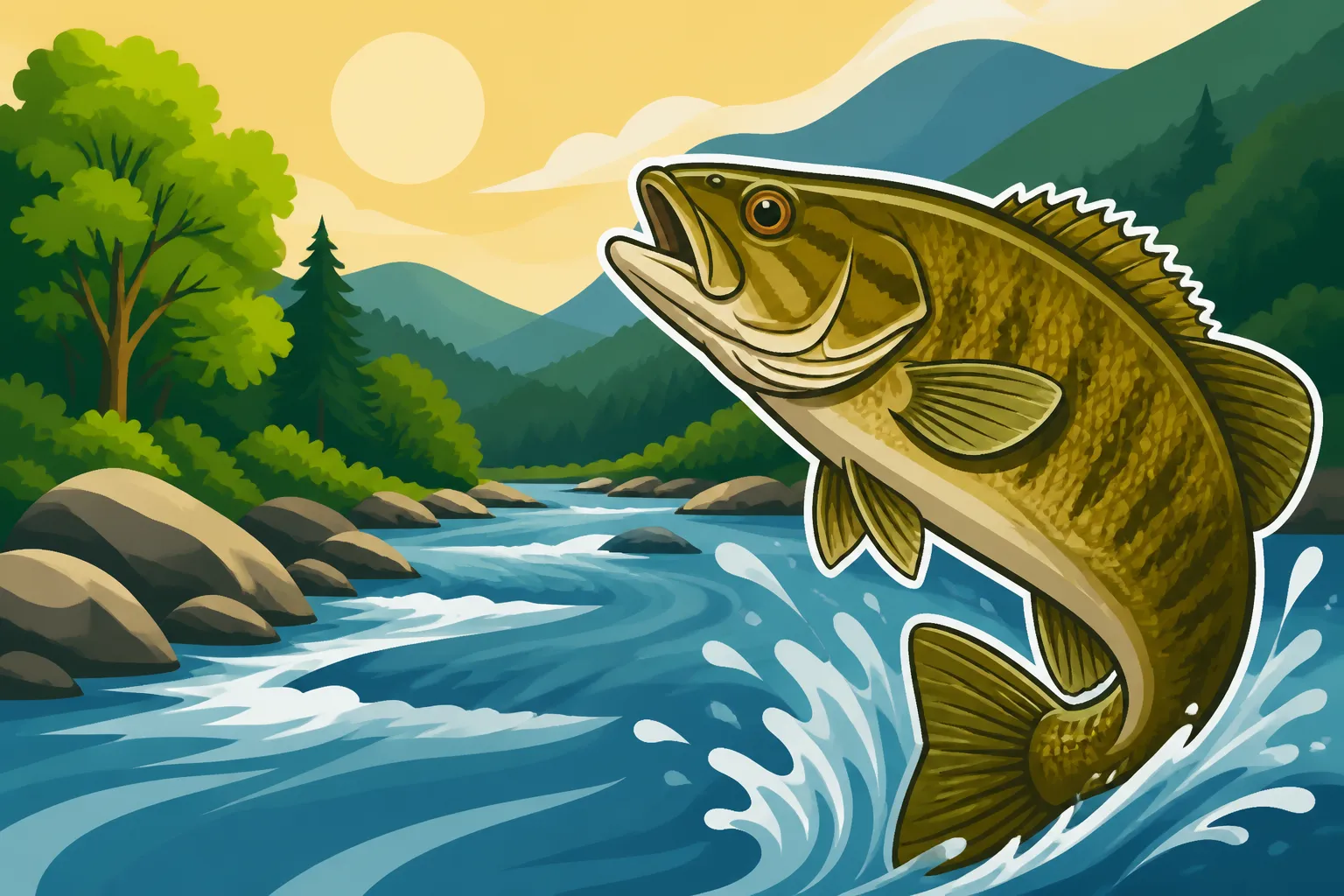
Best Smallmouth Bass Rivers in Tennessee
It can be incredibly frustrating trying to pinpoint the absolute best places to fish for smallmouth bass in a state as rich with waterways as Tennessee. With so many lakes and rivers, knowing where to cast your line for those feisty bronzebacks can feel like searching for a needle in a haystack. This comprehensive guide is designed to cut through the noise, highlighting the premier rivers across Tennessee where you're most likely to encounter—and successfully catch—some truly memorable smallmouth bass.
The Allure of River Smallmouth Fishing in Tennessee
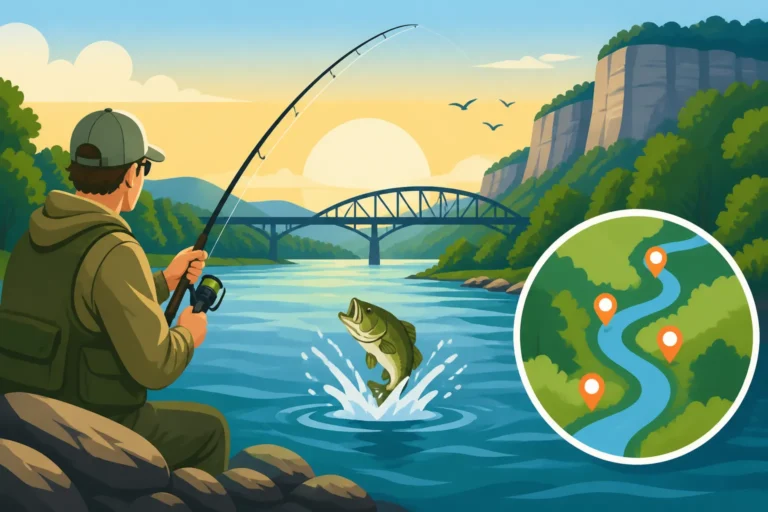
There's something uniquely exhilarating about chasing smallmouth bass in a river setting. Unlike their lake-dwelling cousins who might cruise open water or linger around deep structure, river smallmouth are creatures of current, constantly battling the flow and using it to their advantage when ambushing prey. This constant exercise makes them incredibly strong, aggressive fighters that can test even seasoned anglers.
Why Smallmouth Bass are the River's Fighters
River smallmouth bass are often lauded as some of the hardest-fighting freshwater fish, pound for pound. Their streamlined bodies are perfectly adapted to navigate powerful currents, and their muscular tails propel them with incredible speed and agility. When you hook a river smallmouth, expect acrobatic jumps, powerful runs, and a refusal to give up until they're boatside or in your net. This intense fighting spirit is what draws so many anglers specifically to river fishing for these remarkable fish. It's a completely different experience than targeting largemouth in still waters; river smallmouth demand a more active and often more precise approach, making every catch feel like a hard-earned victory. Many consider Smallmouth Bass: Tennessee's Official State Fish due to this very reason – their tenacious spirit.
Understanding Their Habitat and Behavior
To successfully target river smallmouth, it's crucial to understand where they live and how they behave. These fish thrive in cool, clear water with ample current and rocky bottoms. They're not fans of silty, muddy environments. Instead, they seek out current breaks like boulders, log jams, submerged ledges, and eddy lines where they can conserve energy while waiting for food to drift by. Think of them as opportunistic predators, using the river's flow to deliver meals right to their doorstep. They'll hold in these areas, darting out to snatch crayfish, minnows, and aquatic insects. Understanding these preferences is key to identifying prime fishing spots. As for their appearance, knowing How to Identify Tennessee's State Fish, the Smallmouth Bass will ensure you’re targeting the right species.
Top Smallmouth Bass Rivers in East Tennessee
East Tennessee is a true gem for smallmouth enthusiasts, boasting a network of rivers that offer diverse fishing experiences, from large tailwaters to smaller, wilder streams. The mountainous terrain and colder water from dam releases create ideal conditions for smallmouth to thrive, often growing to impressive sizes.
Holston River's Trophy Potential
The Holston River, particularly its sections below Cherokee Dam and Fort Patrick Henry Dam, is legendary among smallmouth anglers. This river is known for producing not just numbers, but genuinely trophy-sized smallmouth bass. The Cherokee Dam tailwater, for example, offers consistent cool-water flows that keep smallmouth active even during the warmer months. Here, the river features a mix of rocky shoals, deep pools, and gravel bars, providing ample ambush points for smallmouth. Anglers often find success drifting tubes, grubs, and jigs along the bottom, mimicking crayfish, or throwing topwater lures during low-light conditions.
Further downstream, the Fort Patrick Henry tailwater near Kingsport also provides exceptional smallmouth fishing. This section is often wadeable during lower flows, giving anglers a chance to stealthily approach prime holding areas. Floating the Holston in a drift boat or kayak is another popular and effective way to cover water and reach less-pressured spots. Remember that current can be strong, so be prepared with appropriate gear and safety precautions. Many consider the Holston among the Best Rivers for Smallmouth Bass Fishing in Tennessee.
The Dynamic Clinch River
While often celebrated for its incredible trout fishery, the Clinch River, particularly below Norris Dam, also harbors a robust population of feisty smallmouth bass. The smallmouth here thrive in the nutrient-rich, cool waters, coexisting with the abundant rainbow and brown trout. Anglers targeting smallmouth on the Clinch need to pay close attention to the generation schedule from Norris Dam, as water releases significantly impact fishing conditions and access. During periods of lower flow, the Clinch offers fantastic opportunities for wading anglers, with rocky bottoms and swift runs perfect for smallmouth.
When the water is up, boat fishing becomes the preferred method, allowing you to drift through deeper channels and fish current seams. Effective techniques for Clinch River smallmouth include casting small crankbaits, spinnerbaits, and soft plastics like tubes or grubs that imitate the crayfish and baitfish prevalent in the system. While you might be reading about Clinch River Trout Fishing in East Tennessee, don't overlook the incredible smallmouth opportunities this river provides. It's a truly dynamic fishery where you never quite know what hard-fighting fish you'll hook next.
Little Tennessee River's Scenic Beauty and Bass
Known affectionately as the "Little T," the Little Tennessee River, particularly in the reaches of Blount County and beyond, offers a more wild and untamed smallmouth experience. This river, with its relatively clear waters and mixture of fast rapids, long pools, and rocky banks, is a fantastic destination for those seeking a tranquil float trip with plenty of smallmouth action. The scenery alone is worth the trip, with the river winding through picturesque valleys and beneath towering trees.
Smallmouth in the Little T are typically not as large as those found in the Holston, but what they lack in size, they make up for in sheer numbers and aggression. They readily strike a variety of lures, from small topwater poppers in the early mornings and evenings to spinnerbaits and jig-and-trailer combos fished around submerged structure and current breaks. Float fishing via kayak or canoe is highly recommended here, allowing anglers to slowly work productive stretches and access remote areas. Wading is possible in certain sections during low water, but always be aware of fluctuating water levels, especially below Fontana Dam.
Central Tennessee's Prime Smallmouth Waters
Moving west, Central Tennessee offers its own set of exceptional smallmouth bass rivers, each with unique characteristics and challenges. These rivers, often larger in scope, provide ample opportunities for both bank anglers and those exploring by boat, offering a different kind of adventure than the narrower, faster streams of East Tennessee.
The Mighty Cumberland River System
The Cumberland River is a behemoth, stretching across much of Central Tennessee, and its various sections and tributaries offer diverse smallmouth bass fishing opportunities. While known for its massive catfish and striped bass in some areas, the riverine sections of the Cumberland are prime smallmouth territory. Look for areas with rock outcroppings, gravel bars, and current breaks, especially where smaller feeder creeks enter the main river. These confluence points are natural gathering spots for baitfish and, consequently, smallmouth.
The upper reaches of the Cumberland, before it becomes a large navigation channel, offer more classic river smallmouth habitat. Here, you can find excellent wade fishing or float trips. Downstream, around Nashville, the smallmouth are still present, often holding deeper along rocky banks and bridge pilings. Techniques such as casting crankbaits, jigging soft plastics, or working spinnerbaits through current seams are highly effective. For those looking for specific spots, exploring Cumberland River Fishing Spots in Tennessee can provide detailed insights into where to cast your line along this impressive waterway.
Caney Fork River's Hidden Gems
While the Caney Fork River below Center Hill Dam is world-renowned for its cold-water trout fishery, many anglers are surprised to learn that other sections of the Caney Fork, especially upstream of Center Hill Lake or in warmer stretches, hold fantastic smallmouth bass. It's a river of contrasts, and understanding these different zones is key. The regulated tailwater section, while primarily trout-focused, can produce smallmouth in the transition zones where the water begins to warm slightly, or in deeper pools that aren't quite cold enough for consistent trout survival.
Further upstream, above Center Hill Lake, the Caney Fork flows as a more natural river, offering classic smallmouth habitat with rocky riffles, runs, and pools. Here, smallmouth are the dominant predator, eager to strike topwater lures, shallow-running crankbaits, and soft plastics. This is a great river for kayak or canoe floats, allowing you to access sections that are less pressured by bank anglers. Don't let the reputation of Caney Fork River Trout Fishing entirely overshadow the excellent smallmouth opportunities that exist within its diverse stretches; with a bit of exploration, you can find some fantastic bass action.
Essential Gear and Techniques for River Smallmouth
Successfully catching river smallmouth isn't just about finding the right river; it's also about having the right tools and knowing how to use them. River currents, rocky structures, and the aggressive nature of smallmouth require specific gear and techniques that differ somewhat from still-water fishing.
Rods, Reels, and Line for River Fighters
For river smallmouth, you'll generally want a versatile rod and reel setup that offers a good balance of sensitivity, casting accuracy, and backbone to handle strong fish in current. A medium-light to medium power spinning rod, typically 6'6" to 7' in length, is a popular choice, paired with a 2500 or 3000 size spinning reel. This setup provides the sensitivity needed to detect subtle bites when drifting jigs or tubes along the bottom, while also having enough power to turn a hard-fighting smallmouth away from snags. For line, a 10-15lb braided main line with a 6-10lb fluorocarbon leader is an excellent option, offering strength, sensitivity, and invisibility in clear river waters.
For those who prefer baitcasting, a medium power rod, 6'8" to 7'2" with a fast action, coupled with a baitcasting reel spooled with 12-17lb fluorocarbon or a braided line with a fluoro leader, will provide the casting accuracy and power needed for heavier lures and tougher conditions. The key is balance – you need to feel those subtle bumps and ticks from crayfish-eating bass, but also have the strength to muscle them out of heavy current.
Lure Selection and Presentation
River smallmouth are opportunistic feeders, and a diverse lure selection will serve you well. Here are some staples:
- Soft Plastics: Tubes (e.g., Strike King Coffee Tubes, Zoom Super Tubes) are perhaps the most iconic river smallmouth lure. Rigged on an internal jig head, they mimic crayfish perfectly. Grubs (like a 3-inch grub on a small ball head jig) and small swimbaits are also deadly when bounced along the bottom or retrieved through current seams.
- Topwater Lures: Poppers, walk-the-dog baits (Heddon Zara Spook Jr.), and prop baits are incredibly exciting to use during low-light conditions, especially in summer. The explosive strikes from river smallmouth on topwater are truly unforgettable.
- Crankbaits and Jerkbaits: Small, shallow-running crankbaits (Rapala Shad Raps, Strike King KVD 1.0/1.5) and suspending jerkbaits (Rapala X-Raps, Lucky Craft Pointer) are excellent for covering water and triggering strikes when retrieved through current breaks or along rocky banks.
- Spinnerbaits: Compact spinnerbaits with small Colorado or Indiana blades can be very effective in stained water or when retrieved through moderate current, as their flash and vibration attract aggressive smallmouth.
When it comes to presentation, remember that river smallmouth are often facing upstream, waiting for food to come to them. Try casting upstream and allowing your lure to drift naturally downstream with the current, retrieving just fast enough to maintain control. For bottom-contact baits, a "drag and hop" retrieve can be very effective, imitating a scuttling crayfish. Even when the water is cold, understanding Best Bait for Smallmouth Bass in Cold Water can help you adapt your lure selection for success.
Wading vs. Kayak/Canoe Fishing
Both wading and floating offer fantastic ways to target river smallmouth, each with its own advantages.
Wading:
- Pros: Offers stealth, direct contact with the river bottom, and allows you to thoroughly fish specific pockets and runs. It's often more affordable and gives a raw, intimate connection with the river.
- Cons: Limited to accessible sections, can be physically demanding, and requires careful attention to current strength and slippery rocks. Safety is paramount; wear appropriate wading boots with good grip and consider a wading staff for stability.
- Best for: Smaller, shallower rivers, or specific stretches of larger rivers during low water flows. How to Catch Smallmouth Bass in Rocky Streams often involves wading to get into those prime spots.
Kayak/Canoe Fishing:
- Pros: Provides excellent mobility to cover long stretches of river, reach remote areas, and navigate around obstacles. You can carry more gear and have a more stable platform for casting and fighting fish.
- Cons: Requires transportation (shuttle plans), can be more costly for initial setup, and navigating rapids or strong currents can be challenging for beginners.
- Best for: Larger rivers, multi-day trips, or covering extensive water efficiently.
Many anglers use a combination of both, floating to prime spots and then exiting the vessel to wade and thoroughly fish a productive area.
Navigating Regulations and Seasons
Tennessee offers fantastic smallmouth bass fishing, but knowing the regulations and understanding seasonal patterns are crucial for a successful and legal trip. The Tennessee Wildlife Resources Agency (TWRA) sets guidelines to ensure the sustainability of these cherished fisheries.
Understanding Tennessee's Smallmouth Rules
Statewide, the daily creel limit for smallmouth bass (including Alabama and spotted bass in the aggregate) is five fish per person, with a size limit that only allows one bass over 16 inches to be kept. However, it's absolutely vital to remember that these are statewide general regulations. Many specific lakes and rivers in Tennessee have unique, often more restrictive, rules that supersede the statewide defaults. For instance, some trophy smallmouth waters might have even tighter slot limits or higher minimum size requirements.
Always consult the latest TWRA Fishing Guide or check their website for current regulations before heading out. Ignorance is not an excuse, and game wardens are diligent about enforcing these rules to protect the resource. Checking specific regulations for the particular river section you plan to fish is a must. You can also gain a deeper understanding by looking at Tennessee Fishing Regulations Explained. This thorough review can prevent costly mistakes and ensure you're fishing legally.
Best Seasons and Conditions
Smallmouth bass fishing in Tennessee rivers can be productive year-round, but certain seasons offer distinct advantages:
- Spring (March-May): This is often considered prime time. As water temperatures rise into the 50s and 60s Fahrenheit, smallmouth move from their wintering holes into shallower areas to feed heavily in preparation for the spawn. Pre-spawn smallmouth are aggressive and readily strike a variety of lures. The spawn itself occurs when water temperatures are typically in the high 50s to low 60s. Post-spawn fish can be a bit lethargic but quickly resume feeding as they recover.
- Summer (June-August): While the heat can make some fishing tough, river smallmouth remain active, especially in cooler tailwater sections or during early morning and late evening hours. They will often hold in deeper pools, current seams, and around aerated areas like rapids. Topwater action can be phenomenal at dawn and dusk.
- Fall (September-November): Another fantastic season. As water temperatures begin to drop, smallmouth go on a feeding frenzy, bulking up for winter. They can be found in a variety of depths, often moving into shallower feeding flats during the day and retreating to deeper holes at night. This is a great time for crankbaits, jerkbaits, and soft plastics.
- Winter (December-February): This can be challenging but rewarding for dedicated anglers. Smallmouth typically congregate in deeper, slower pools and back eddies. Finesse techniques, such as slowly dragging tubes or small jigs along the bottom, are often most effective. Understanding How Water Temperature Affects Fish Activity is crucial for success, as fish metabolism slows dramatically in cold water.
Knowing the Tennessee Smallmouth Bass Fishing Season patterns will significantly increase your chances of success, no matter when you decide to hit the water.
Finding Access and Local Expertise
Finding prime smallmouth rivers is one thing, but knowing how to access them and where the fish are biting is another challenge entirely. Thankfully, Tennessee has a great network of resources.
The TWRA website is an invaluable first stop, offering maps, access point information, and the latest stocking reports. Local bait and tackle shops near your chosen river are also treasure troves of real-time information. The folks behind the counter often have daily updates on water levels, recent catches, and what baits are working. Don't be shy about asking questions!
For those looking for a truly guided experience, or perhaps to explore a new river without the hassle of planning, booking a trip with a local fishing guide can be a game-changer. Guides spend countless hours on the water and know the nuances of each river's smallmouth patterns. Platforms like FishingBooker make it incredibly easy to find and book experienced smallmouth bass guides in specific regions of Tennessee. A good guide can provide all the necessary gear, boat access, and expertise, turning a challenging river into a productive day on the water. Before you hit the water, always ensure you're covered by reviewing the Tennessee Fishing License Guide to secure the correct permit.
Preserving Tennessee's Smallmouth Bass Fisheries
As anglers, we all share a responsibility to protect the incredible natural resources that provide us with such joy. This is especially true for river smallmouth bass, which are a wild, self-sustaining population in many of Tennessee's waterways. Practicing responsible angling ensures that these fisheries remain healthy for generations to come.
Catch and Release Best Practices
While keeping a few smallmouth for the dinner table is perfectly acceptable within legal limits, many dedicated smallmouth anglers practice catch and release, especially for larger, trophy-sized fish. These bigger fish are the prime breeders and contribute significantly to the genetic health of the population. When practicing catch and release, follow these guidelines:
- Minimize Fight Time: Bring the fish in as quickly as possible to reduce exhaustion.
- Handle With Care: Avoid touching the fish's gills or eyes. Support its body horizontally, especially larger fish, to prevent internal organ damage. Wet your hands before handling to protect the fish's protective slime coat.
- Quick De-Hooking: Use pliers or a de-hooking tool to remove hooks quickly and cleanly. If a fish is deeply hooked, cut the line as close to the hook as possible rather than tearing tissue.
- Revive Gently: If a fish is lethargic, hold it upright in the water, facing into the current, and gently move it back and forth until it regains strength and swims away on its own. Never throw a fish back into the water.
By following these simple steps, you significantly increase a released fish's chances of survival, allowing it to grow larger and spawn again.
Respecting the Environment
Responsible angling goes beyond just handling fish. It's about being a good steward of the entire river environment. Always adhere to "Leave No Trace" principles:
- Pack It In, Pack It Out: Whatever you bring to the river, take it home with you. This includes all trash, fishing line, and old lures.
- Be Mindful of Others: Rivers are often used by kayakers, canoeists, swimmers, and other anglers. Share the space respectfully and avoid disrupting others' enjoyment.
- Protect Riparian Zones: Avoid trampling sensitive vegetation along the riverbanks, which helps prevent erosion and provides crucial habitat.
- Prevent Invasive Species Spread: Clean your boat, waders, and gear before moving between different waterways to prevent the spread of aquatic invasive species.
By being thoughtful and proactive, we can all contribute to keeping Tennessee's smallmouth bass rivers pristine and productive for years to come. Whether you’re finding new spots with local guides via FishingBooker or simply enjoying a quiet day on the water, remember your role in conservation.
Comparing Tennessee's Premier Smallmouth Rivers
To give you a clearer picture of what to expect, here's a comparative overview of some of Tennessee's top smallmouth bass rivers. Keep in mind that conditions can vary greatly based on weather, water levels, and time of year.
| River Name | Primary Location | Best Seasons | Typical Size Range | Primary Techniques | Access Difficulty (1=Easy, 5=Challenging) |
|---|---|---|---|---|---|
| Holston River | East TN (below dams) | Spring, Fall | 12-20+ inches (trophy potential) | Tubes, jigs, topwater, crankbaits | 2-4 (depending on section/flow) |
| Clinch River | East TN (below Norris Dam) | Spring, Fall, Summer | 10-16 inches (feisty fighters) | Tubes, small crankbaits, spinnerbaits, fly fishing | 2-4 (variable with generation schedule) |
| Little Tennessee River | East TN (Blount Co.) | Spring, Summer, Fall | 10-15 inches (good numbers) | Topwater, spinnerbaits, small swimbaits | 3 (best by float) |
| Cumberland River | Central TN (riverine sections) | Spring, Fall | 12-18 inches | Crankbaits, jigs, spinnerbaits, live bait | 1-3 (numerous access points) |
| Caney Fork River | Central TN (upper/mid sections) | Spring, Fall | 10-14 inches | Topwater, shallow crankbaits, soft plastics | 2-3 (some sections more remote) |
This table serves as a general guide. Local knowledge, often gained through experience or from a trusted guide found on platforms like FishingBooker, will always be your best asset for a successful outing.
Disclaimer
Fishing conditions, regulations, and access can change rapidly. Always consult the official Tennessee Wildlife Resources Agency (TWRA) resources for the most current and accurate information regarding fishing licenses, creel limits, size restrictions, and any specific rules for the waters you plan to fish. This guide is for informational purposes only and does not constitute legal advice. Adherence to all local, state, and federal laws is the responsibility of the angler.