Shore Fishing Access at Center Hill Lake
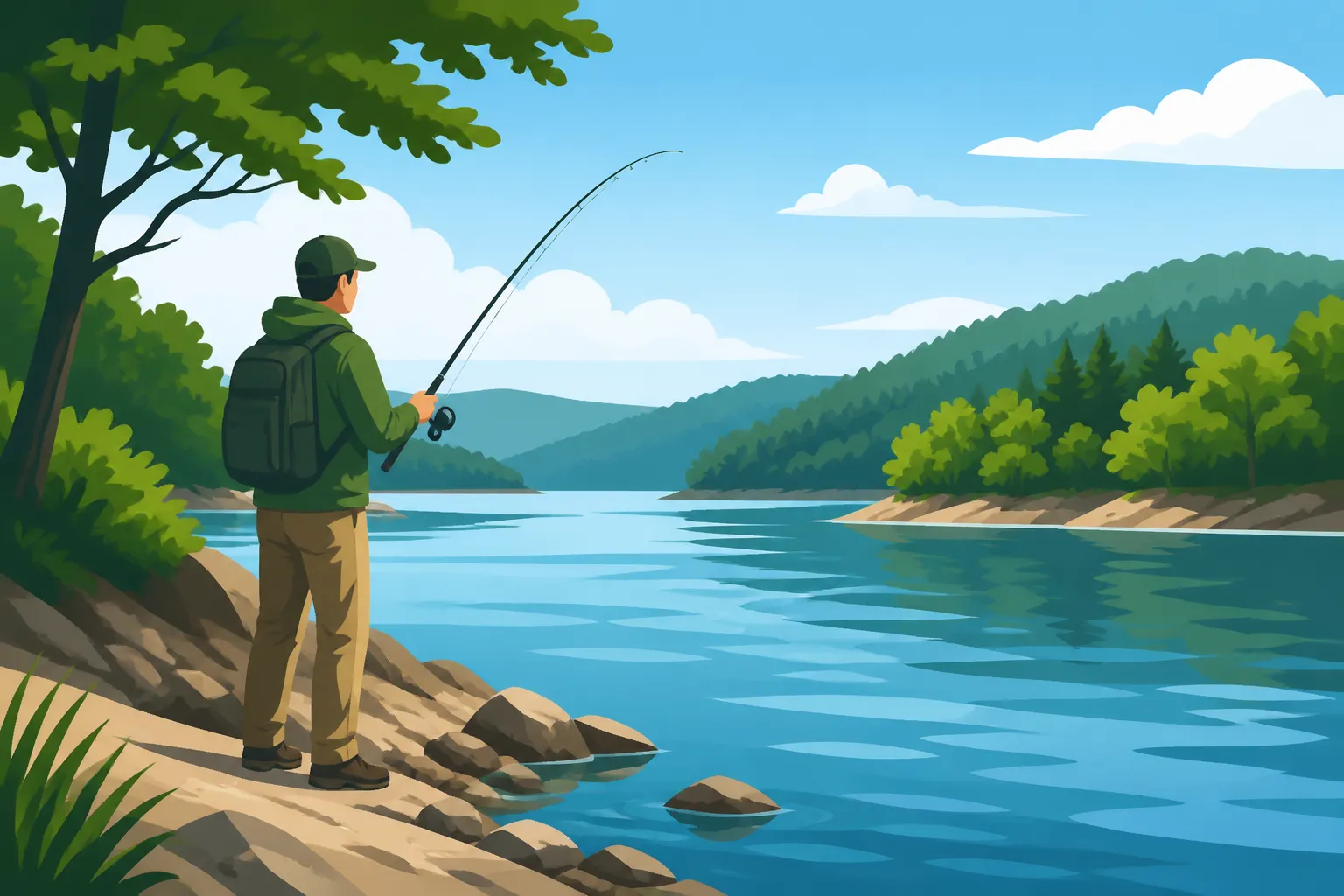
Finding good shore fishing access on a large, beautiful body of water like Center Hill Lake can feel like a real treasure hunt. So many lakes are designed with steep banks and deep drop-offs right at the water's edge, making it tough for us bank anglers to find a decent spot to cast a line without a boat. This guide is dedicated to breaking down those challenges and pinpointing the best public access points where you can enjoy a productive day of fishing right from the shore at Center Hill Lake.
Understanding Center Hill Lake's Shoreline Challenges
Center Hill Lake, a gorgeous reservoir nestled in the hills of Middle Tennessee, is renowned for its clear waters and impressive populations of bass, crappie, catfish, and even walleye. However, its very nature as a hydropower reservoir means it wasn't designed with easy shore fishing in mind. Unlike some natural lakes with gently sloping beaches, Center Hill often features steep, rocky bluffs and deep channels close to the bank, which can be a double-edged sword for us bank anglers.
The Steep Terrain Hurdle
The most significant challenge for shore anglers at Center Hill Lake is undoubtedly the steep terrain. Much of the lake's 415-mile shoreline is characterized by dramatic rock formations, dense tree cover, and sudden drops into deep water. While these deep waters hold plenty of fish, getting your bait to them from a precarious perch on a bluff isn't just difficult, it can be downright dangerous. This steepness often means fewer spots where you can comfortably stand, cast, and safely land a fish. It's not like strolling along a wide, sandy beach; you'll often find yourself navigating uneven ground, roots, and slippery rocks, especially after a rain. This can be particularly frustrating if you're lugging a lot of gear or fishing with kids.
Fluctuating Water Levels and Their Impact
While Center Hill Lake's water levels tend to be more stable than some other TVA reservoirs, they do fluctuate, which can significantly alter the accessibility and effectiveness of shore fishing spots. When water levels are high, some previously accessible banks might be submerged, forcing you to find new spots or cast over flooded vegetation. Conversely, when levels are low, areas that were once prime fishing grounds might recede, leaving exposed mudflats or making the walk to the water's edge longer and muddier. It's a constant dance with nature, and what was a fantastic spot last week might require a different approach or even a new location today. Always check the current lake levels before you head out to avoid disappointment.
Limited Public Access and Private Property Concerns
Another hurdle for bank anglers is the prevalence of private property along many desirable stretches of the shoreline. While Center Hill Lake is managed by the U.S. Army Corps of Engineers, many adjacent properties are privately owned, meaning you can't just pull over and start fishing anywhere you please. This limited public access means you really need to know where the designated recreation areas, parks, and public easements are. Straying onto private land not only risks a confrontation with a landowner but can also lead to legal issues. Always respect signage and private boundaries. This is where planning your trip to known public spots becomes crucial.
Prime Public Access Points for Shore Anglers
Despite the challenges, Center Hill Lake offers some fantastic public access points that cater specifically to shore anglers. These spots provide safer, more comfortable, and often more productive opportunities to wet a line without needing a boat. Many of these areas are managed by the U.S. Army Corps of Engineers or the Tennessee State Parks system.
Edgar Evins State Park
Edgar Evins State Park, located on the eastern side of Center Hill Lake near Silver Point, is a gem for shore anglers. This park is beautifully maintained and offers several areas where you can comfortably fish from the bank.
Scenic Views and Accessible Banks
One of the park's biggest draws is its combination of scenic beauty and genuine accessibility. While some areas are still steep, there are designated picnic areas, day-use areas, and camping loops with relatively gentle slopes leading to the water. The marina area itself often has docks and fishing piers that are open to the public, providing easy casting opportunities into deeper water. You might even find some smaller coves and points that offer fantastic spots to target different species. For instance, bass often patrol these shoreline structures, and you might even pick up some crappie here. The park's well-maintained trails can also lead to secluded spots, though some require a bit of a hike. Anglers often appreciate the quiet atmosphere here, making it a great place to unwind.
Targeting Specific Species from Shore
From the shores of Edgar Evins State Park, you can realistically target a variety of fish. For largemouth and smallmouth bass, look for submerged timber, rocky points, and transitions in the bottom contour. Casting crankbaits, jigs, or Texas-rigged worms parallel to the bank can be very effective, especially during dawn and dusk. For crappie, especially in the spring, minnows under a bobber or small jigs cast around any brush piles or docks can yield good results. Catfish, like the hearty channel catfish, are often found near deeper holes or creek channels, making them a prime target for bottom fishing with cut bait or nightcrawlers. Remember to check the statewide bass limits for Tennessee Anglers and other relevant regulations.
Corps of Engineers Recreation Areas
The U.S. Army Corps of Engineers manages several excellent recreation areas around Center Hill Lake, many of which provide great shore fishing access along with other amenities like picnic areas, restrooms, and boat ramps.
Hurricane Bridge Recreation Area
Located on the western side of the lake, Hurricane Bridge Recreation Area is a popular spot for both boaters and bank anglers. The area boasts a large swim beach and day-use facilities, which often means easier access to the water's edge.
Anglers can often find success fishing near the edges of the swimming area (outside of designated swim times, of course) or along the rocky points and coves adjacent to the main recreation area. The bottom tends to be a mix of gravel and rock, providing excellent habitat for a variety of fish. It's a great spot for families, as the relatively flat terrain near the shore makes it easier for kids to cast and play. Learning about Bluegill Fishing for Beginners in Tennessee can make a day here even more enjoyable for younger anglers.
Floating Mill Recreation Area
Another excellent Corps of Engineers site is Floating Mill Recreation Area, situated on the western arm of the lake near Silver Point. This area is well-known for its camping facilities, but it also provides ample opportunity for shore fishing.
The shoreline around Floating Mill is varied, with some areas offering gentler slopes and others with more pronounced rocky banks. The advantage here is the sheer amount of shoreline available. You can walk along various coves and points, trying different depths and structures. This area can be particularly good for targeting crappie during their spring spawn when they move into shallower waters. Using a simple jigging technique or a slip bobber rig can be highly effective here. Don't forget to review Tennessee Crappie Fishing Guide by Season to maximize your chances.
Center Hill Dam Area
The area immediately surrounding Center Hill Dam offers some unique shore fishing opportunities, particularly if you're looking for deeper water access.
Below the Dam and Tailwaters
While the focus is on the lake itself, the tailwaters below Center Hill Dam (part of the Caney Fork River) are world-renowned for trout fishing. However, if you're still looking for species typically found in the lake, there are often spots along the banks of the Caney Fork River immediately below the dam that can be productive. Please note that this area has specific regulations for trout, and you'll need the appropriate trout permit. Always be mindful of water releases from the dam, as conditions can change rapidly. This is a very different experience than fishing the main lake, but it's important to mention due to its proximity and the excellent fishing it provides.
Access Above the Dam
On the lake side, above the dam, there are typically public access points and parking areas that allow you to reach the main lake's deeper sections. These spots can be excellent for targeting walleye, which prefer deeper, cooler water, though they are notoriously challenging to catch from shore. Bass and catfish are also common here. The currents can be stronger near the dam, so heavier tackle might be necessary. This area might not be as family-friendly due to deeper drop-offs and potentially swift currents, but for experienced anglers, it offers a different kind of challenge and reward.
Tips and Techniques for Successful Shore Fishing at Center Hill
Shore fishing at Center Hill Lake requires a bit more thought and adaptation than simply casting from a boat. Understanding how fish behave near the bank and employing the right tactics can significantly improve your success rate.
Scouting for Productive Spots
One of the biggest keys to successful shore fishing is diligent scouting. Before you even make your first cast, take some time to observe the water and its surroundings. Look for changes in depth, submerged cover like fallen trees or brush piles, and any visible structure such as rock formations or old roadbeds if water levels are low enough to reveal them. Fish, especially bass and crappie, are structure-oriented. They use these features for ambush points, shade, and protection.
A good pair of polarized sunglasses can be invaluable for spotting these underwater elements. If you see baitfish skipping on the surface, or birds diving, that's usually a strong indicator that predatory fish are active in the area. Pay attention to points, coves where creeks feed into the lake, and areas with riprap (rocky banks designed to prevent erosion). These are all common holding areas for fish. Sometimes, walking a section of shoreline before fishing can reveal hidden gems that aren't obvious from a parking lot.
Essential Techniques for Bank Anglers
Since you don't have the luxury of a boat to move around, your casting technique and lure selection become paramount. For bass, fan-casting is your friend – casting your lure in a wide arc to cover as much water as possible from a single spot. Soft plastics, spinnerbaits, and medium-diving crankbaits are excellent choices for covering water and probing different depths. If you're targeting catfish, How to Catch Catfish From the Bank involves using heavier tackle and bottom rigs with stink bait, chicken liver, or cut bait, allowing it to soak on the bottom in deeper pockets.
For crappie, especially in spring, a simple jig-and-bobber setup or casting small tube jigs or grubs can be very effective. Try fishing near any visible submerged structure or around docks and piers if available. Don't be afraid to experiment with retrieve speeds and depths until you find what the fish are responding to. Remember that fish behavior changes with the seasons, so understanding Tennessee Bass Fishing Seasons and Patterns or Tennessee Crappie Fishing Guide by Season will significantly boost your results. Many anglers also find it helpful to consult local guides, easily booked through services like FishingBooker, for their insights on current conditions and lesser-known honey holes.
Best Times to Fish from Shore
Timing can be everything for shore anglers. Generally, the low light conditions of dawn and dusk are prime times for many species, especially bass. The cooler temperatures and reduced boat traffic encourage fish to move into shallower feeding areas. Overcast days can also provide good fishing throughout the day, as the reduced light penetration makes fish feel more comfortable in shallower water.
During the hotter parts of summer, you might find more success early in the morning or late in the evening. In the middle of the day, fish tend to retreat to deeper, cooler water or dense cover. During the cooler months of fall and spring, fish might be active for longer periods, but their location will depend heavily on water temperature and spawning cycles. It's always a good idea to check local fishing reports or talk to bait shop owners for current conditions before heading out.
Essential Gear for Center Hill Shore Fishing
Having the right gear can make all the difference between a frustrating day and a fantastic one when fishing from the bank at Center Hill Lake. Since you won't have a boat to carry everything, being smart about your tackle and accessories is crucial.
Rods, Reels, and Line Choices
For most shore fishing scenarios at Center Hill, a versatile medium-light to medium-heavy action spinning rod, around 6'6" to 7'6" in length, will serve you well. This setup provides enough backbone to cast a variety of lures and baits, yet offers enough sensitivity to detect subtle bites. Pair it with a reliable spinning reel in the 2500-3000 size range, spooled with 8-12 lb monofilament or fluorocarbon, or 15-20 lb braided line with a fluorocarbon leader. Braided line is excellent for its casting distance and sensitivity, especially when fishing from shore where long casts are often necessary.
If you're specifically targeting larger catfish, you might want to bring a dedicated medium-heavy to heavy casting rod with a robust baitcasting reel, spooled with 20-30 lb monofilament or heavier braided line. The extra power will help you muscle in those big cats from deeper water or through thick cover. For beginners, a Best Rod and Reel Combo for Beginners is always a solid starting point, offering a balanced setup without breaking the bank.
Lure and Bait Selection for Bank Anglers
Your tackle box needs to be versatile. For bass, pack an assortment of soft plastics (worms, creature baits, senkos) with various weights for Texas or Carolina rigs, a few crankbaits (medium divers that reach 5-10 feet), spinnerbaits, and perhaps some topwater lures for early morning or late evening action. Jig heads in various weights (1/8 oz to 1/4 oz) are also crucial for crappie and even smaller bass.
For crappie, a selection of small tube jigs, curly tail grubs, and live minnows (if allowed and available) under a bobber are proven winners. Catfish anglers should carry plenty of sinkers, hooks (circle hooks are great for cats), swivels, and a variety of baits like chicken liver, cut bait, or prepared stink baits. Always have a good selection of terminal tackle, including extra hooks, weights, and leaders. For more specific guidance, check out the Best Baitcasting Reels for Bass Anglers or dive into general advice on Best Fishing Gear for Beginners.
Essential Accessories for Comfort and Safety
Since you'll be on foot, comfort and safety are paramount. Wear sturdy, comfortable shoes or hiking boots with good grip, especially if you're navigating rocky or uneven terrain. Bring plenty of water to stay hydrated, especially during warmer months. Sunscreen, a wide-brimmed hat, and polarized sunglasses are non-negotiables for protection from the sun and for spotting fish. A small backpack or tackle bag is much easier to carry than a bulky tackle box, allowing you to keep your hands free.
Don't forget a small first-aid kit for minor cuts or scrapes, a pair of pliers for hook removal, and a small net or lip gripper for landing fish. A foldable camp chair can also be a godsend for longer fishing sessions, and a small cooler to keep your catch fresh (and your drinks cold) is always a good idea. And, of course, make sure you have your Tennessee Fishing License Guide in hand or easily accessible on your phone, as game wardens frequently patrol these public areas. If you're planning a trip with a guide, FishingBooker can help you find someone who provides all the necessary gear.
| Public Access Point | Primary Fish Species Targeted (Shore) | Typical Shoreline Terrain | Best Techniques for Shore | Family-Friendly? | Notes |
|---|---|---|---|---|---|
| Edgar Evins State Park | Bass (LM/SM), Crappie, Catfish, Panfish | Varied, some gentle slopes, docks | Casting, Jigging, Bobber, Bottom | Yes | Good amenities, well-maintained, potential for longer walks to secluded spots. |
| Hurricane Bridge Rec. Area | Bass, Crappie, Catfish, Panfish | Mostly gentle, sandy/gravel near beach | Casting, Bobber, Bottom | Yes | Swim beach area, easy access. |
| Floating Mill Rec. Area | Bass, Crappie, Catfish, Panfish | Varied, some gentle, some rocky | Casting, Jigging, Bottom | Yes | Multiple coves, good for exploring, popular camping spot. |
| Center Hill Dam (above dam) | Bass, Catfish, Walleye | Steep, rocky drop-offs | Heavier casting, Bottom | Less | Deeper water, strong currents possible, not ideal for young children. |
| Center Hill Dam (below dam) | Trout (primarily), some lake species | Varied, river access | Fly fishing, Spin fishing (trout) | Yes | Caney Fork River, different regulations, focus on trout. |
Center Hill Lake offers rewarding shore fishing experiences if you know where to look and how to approach its unique landscape. From the family-friendly shores of Edgar Evins State Park to the more challenging depths near the dam, there's a spot for almost every bank angler. Remember, preparation and patience are your best friends when fishing from the bank. And if you're ever ready to venture beyond the shore, remember that booking a trip through FishingBooker with a local expert ensures you're hitting the most productive areas with the right gear and knowledge. Whether you're targeting bass, crappie, or catfish, the satisfaction of a successful day spent on the scenic banks of Center Hill Lake is truly something special.
Disclaimer
Please remember that fishing conditions, regulations, and access points can change. Always consult the latest Tennessee Wildlife Resources Agency (TWRA) regulations before heading out. Be mindful of private property, practice Leave No Trace principles, and prioritize your safety while enjoying the outdoors.