How to Fish After a Cold Front
There's nothing quite as frustrating as planning a much-anticipated fishing trip to your favorite Tennessee lake, only for a sudden cold front to roll through, throwing all your meticulously laid plans out the window. One day the fish are biting, the next they seem to have vanished into thin air. This guide is here to help you understand precisely why cold fronts turn fish off their feed and, more importantly, equip you with the knowledge and strategies to still find success when those tricky post-front conditions hit our beautiful Tennessee waters.
Understanding the Impact of a Cold Front on Tennessee Fish
A cold front isn't just a change in the weather; it's a dramatic shift in the entire aquatic environment that directly impacts fish behavior and their willingness to bite. While it might feel like a personal affront to your fishing plans, it's simply nature at work. Understanding these changes is the first step to adapting and finding success.
Water Temperature Drops and Fish Metabolism
When a cold front moves in, especially in the cooler months or after a period of stability, the air temperature plummets, and subsequently, so does the surface water temperature. Fish, being cold-blooded creatures, have their metabolism intrinsically linked to the water temperature around them. As the water cools, their metabolism slows down significantly. This isn't just a minor adjustment; it means they need less food, digest what they eat slower, and become far less active. Imagine trying to run a marathon right after eating a huge holiday meal – it's just not going to happen efficiently. Similarly, fish become sluggish and less inclined to chase fast-moving baits because it expends too much energy. Understanding how water temperature affects fish activity is crucial here. They’ll often seek out areas with more stable temperatures, even if it's only a few degrees warmer or deeper where the temperature fluctuations are less severe.
Barometric Pressure Swings and Fish Behavior
Perhaps even more impactful than temperature changes are the drastic shifts in barometric pressure that accompany a cold front. Before a front, the pressure often drops, signaling to fish that a change is coming, and they tend to feed aggressively. This is that magical "fish are biting like crazy" time. However, once the front passes, the barometric pressure rises sharply and stabilizes at a high level. Fish have an air bladder that helps them maintain buoyancy, and these rapid pressure changes can cause discomfort and make them feel out of sorts. They often respond by descending to deeper water where the pressure is more stable and less jarring to their internal systems. This is why you often hear anglers say the fish "go deep" after a front. High, stable pressure after a front often translates to lockjaw, making them less willing to move up in the water column or chase a meal.
Clear Skies and Increased Light Penetration
Another common characteristic of a post-cold front day in Tennessee is clear, bright, sunny skies. While we might enjoy the warmth on our backs, fish often don't, especially predatory species. The increased light penetration means there's less cover for them, making them feel more exposed to predators from above (like birds) and from the banks (like us!). This heightened sense of vulnerability can push them further into deeper, darker waters, or tight into heavy cover like submerged timber or thick weed beds. In clearer water, they also have a much better view of your fishing line and presentation, making them pickier and more wary of anything that doesn't look completely natural. This is why subtle presentations and stealth become paramount.
Locating Fish After a Cold Front in Tennessee
The fish haven't vanished; they've simply relocated to more comfortable and secure areas. Your job, as the savvy angler, is to figure out where they've gone. This often means abandoning your usual hotspots and thinking like a fish trying to escape the discomfort of the post-front conditions.
Deeper Water as a Sanctuary
As mentioned, one of the most reliable places fish go after a cold front is deeper water. This isn't just about escaping the cold surface temperatures; it's also about finding stable barometric pressure. Fish will often move to the first available deep water nearest to where they were feeding pre-front. On our big Tennessee reservoirs like Chickamauga Lake or Kentucky Lake, this could mean finding them on deep ledges, channel swings, or offshore humps. Look for areas where shallow flats quickly drop off into deeper channels. These transition zones are key. Fish won't necessarily be on the deepest bottom, but they'll be in the deeper water column, often suspended or hugging close to the break line where they can easily move up to feed if conditions improve slightly, or retreat further down if they worsen. Using your fish finder to identify these depth changes and any suspended baitfish or larger arcs is invaluable here.
Structure and Cover for Ambush Points
Even in deeper water, fish still seek out structure and cover. This gives them a sense of security, a place to hide from predators, and a ready ambush point for any unsuspecting prey that might pass by. Think about what's available in deeper zones: rock piles, stumps, submerged brush piles, old roadbeds, and even bridge pilings. These are all prime areas. For example, if you're fishing Percy Priest Lake near Nashville, focus on deeper rock formations or areas with plenty of submerged timber. Fish might be buried inside the cover, not just around it. They'll be using this cover not only for protection but also because it often holds a slightly more stable temperature or provides shade from those bright post-front skies. These spots act as natural holding areas where fish can conserve energy and wait for conditions to improve.
North-Facing Banks and Sun-Warmed Areas
While fish generally seek deeper water, there's a nuanced exception: sun-warmed areas. On bluebird days following a cold front, north-facing banks (which receive direct sunlight for longer periods) can warm up a few degrees more than other areas. This slight temperature increase, even just a degree or two, can be enough to draw in baitfish, and where the bait goes, the predators often follow. This effect is usually most pronounced in shallower, protected coves or pockets that also have dark bottom compositions like mud or rock, which absorb and retain heat better. If you find a shallow, dark-bottomed cove on a northern bank getting baked by the sun for several hours, it might just be the ticket for a short, active feeding window, especially later in the afternoon. However, remember that fish in these areas will still be easily spooked due to the clear water and bright light.
Adjusting Your Approach: Lures and Baits for Post-Front Conditions
Once you've located where the fish are hiding, the next challenge is convincing them to bite. Post-front fish are often lethargic and finicky, so your typical fast-moving, aggressive presentations won't cut it. It's time to downsize, slow down, and add some enticing elements. This is where knowing how to adjust your technique after a cold front really pays off.
Downsizing and Subtle Presentations
When fish are sluggish and wary, they're not looking for a big, flashy meal that requires a lot of energy to chase down. Instead, they prefer something small, easy to catch, and that doesn't look suspicious. This is the time to downsize your lures significantly. If you were throwing a big crankbait before the front, switch to a finesse jig or a small soft plastic on a shaky head. Small worms, Ned rigs, and tiny swimbaits become incredibly effective. The key is "subtle." Think about lures that have minimal action but still look natural in the water. Colors should also be muted and natural, mimicking the local baitfish or crawfish. Brands like Strike King or Z-Man offer excellent finesse options that you can find easily on Amazon or at your local bait shop. The goal is to present a meal that looks like no effort is required to capture it.
Scent and Natural Baits
With fish actively conserving energy and being highly suspicious, adding scent to your presentation can make a huge difference. Scent is a powerful attractant that can trigger a bite even from a reluctant fish, as it appeals to their sense of smell when their visual hunting might be reduced. You can use commercially available scent sprays and gels that you apply directly to your artificial lures. Alternatively, this is an excellent time to switch to natural baits. Live minnows, shiners, or even worms can be irresistible. Crappie, for instance, are often much more willing to peck at a small live minnow under a bobber after a cold front than they are to chase a jig. For catfish, the scent of cut bait or stink bait can be a game-changer. Remember that presentation still matters; a natural bait presented unnaturally will still be ignored.
Color Selection for Clearer Water
The clear skies and increased light penetration after a cold front often lead to clearer water conditions. In these situations, fish have excellent visibility, meaning they can easily spot unnatural colors or anything that looks out of place. This is why natural, muted colors tend to perform best. Think about shad patterns, green pumpkin, browns, and blacks. If you're targeting trout, subtle olive or brown patterns for flies, or naturalistic minnow imitations for spin fishing, will be more effective than bright, flashy colors. However, don't completely discount a subtle splash of chartreuse or orange in certain situations, especially if the fish are feeding on something brightly colored or if you're trying to stand out in slightly deeper, darker water. It's often a balance between matching the hatch and offering a slight, non-threatening curiosity.
Techniques for Slow and Deliberate Presentations
Once you've got your smaller baits and natural colors, the next crucial step is how you present them. After a cold front, speed is your enemy. Fish aren't actively hunting; they're reacting to an easy meal. Your techniques need to be incredibly slow, deliberate, and allow the fish ample time to inspect and commit to the bite.
Slow Rolling Baits
Forget about burning a spinnerbait or crankbait through the water column. After a cold front, a slow roll is the name of the game. This technique involves retrieving your lure just fast enough to make it work, often with a slight wobble or flash, while keeping it very close to the bottom or structure. For bass, a slow-rolled spinnerbait or a swim jig with a paddle-tail trailer can be deadly. You want to feel every pebble, every stump, every weed blade. If you feel anything, pause slightly, let the bait flutter, then continue your slow retrieve. This mimics a wounded or lethargic baitfish that's struggling, making it an easy target. The goal is to practically crawl your bait through the fish's strike zone, giving them plenty of time to decide if they want it.
Bottom Contact Tactics
Many fish, especially bass and crappie, will hug the bottom or tight to structure after a cold front. This makes bottom contact tactics exceptionally effective. Jigs, Ned rigs, and Carolina rigs are your best friends here. You want to maintain constant contact with the bottom, slowly dragging or hopping your lure along. For bass, a jig and trailer crawled slowly over rock piles or through submerged timber can elicit a bite. For crappie, a tiny jig head with a soft plastic tail bumped along the bottom near a brush pile works wonders. The retrieve is painfully slow – think minutes per cast, not seconds. Let the lure sit motionless for extended periods. Sometimes, the fish will simply inhale it without a perceptible "strike." Pay attention to any slight weight, tic, or line movement.
Dead Sticking and Suspension
Sometimes, even the slowest retrieve is too fast. This is where "dead sticking" comes into play. As the name suggests, it means letting your lure sit completely still. This technique is particularly effective with soft plastics. Cast your lure out, let it sink to the bottom, and then simply let it sit there for 10, 20, or even 30 seconds before moving it just a tiny bit. The subtle currents in the water might give it enough action. Many bites come when the lure is completely motionless. Similarly, fish might suspend in the water column after a cold front, especially in deeper areas. For these suspended fish, a drop shot rig or a suspending jerkbait can be very effective. A suspending jerkbait, like those offered by Rapala or Megabass (which you can often find competitive prices for on Amazon), allows you to cast it out, twitch it down to a certain depth, and then let it hang motionless in the strike zone for extended periods, drawing strikes from otherwise inactive fish.
Species-Specific Strategies for Tennessee Anglers
While the general principles of slowing down, downsizing, and going deep apply across the board, different fish species in Tennessee require nuanced approaches after a cold front. Knowing these specifics can dramatically improve your chances.
Bass After a Cold Front
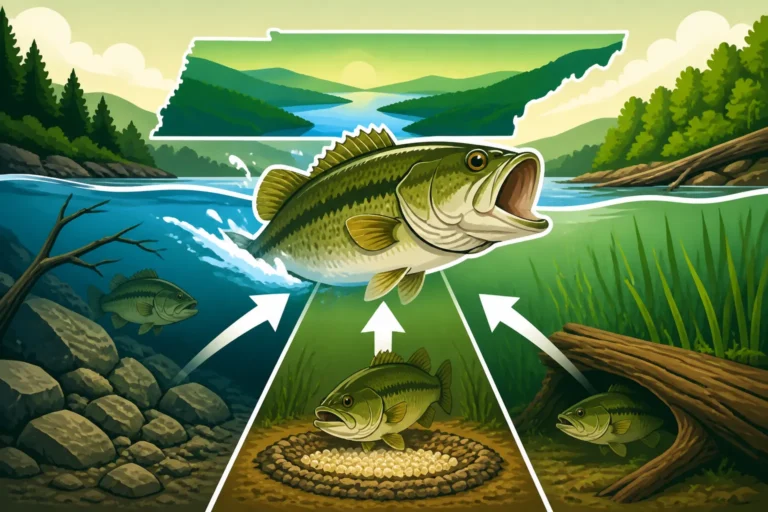
Tennessee's bass, whether it's largemouth, smallmouth, or spotted bass, become incredibly lethargic after a cold front. They'll often pull off shallow spawning or feeding flats and retreat to the nearest deep water or dense cover. For largemouth, target deep timber, brush piles, or ledges on lakes like Chickamauga or Watts Bar. Slow-moving jigs, shaky heads with small worms, and Ned rigs are paramount. The best lures to use after a cold front for bass are often those with a subtle profile. Smallmouth bass, like those found in the clearer waters of Dale Hollow Lake or the Tennessee River, will often stack up on deep rocky points, humps, and channel edges. Tubes, drop shot rigs, and small swimbaits fished extremely slowly on the bottom are effective. Remember that how water temperature affects bass feeding is critical; they won't chase, so bring the bait to them. For specific bass strategies, consider exploring tips for Winter Bass Fishing Techniques.
Crappie in Post-Front Conditions
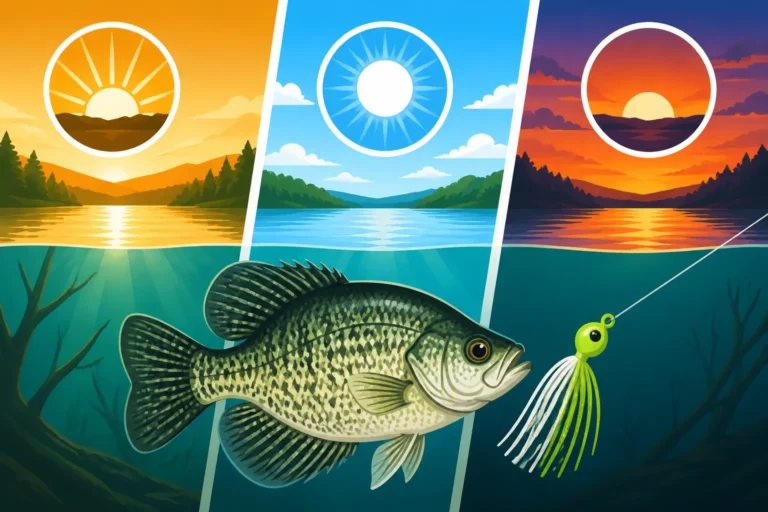
Crappie are notoriously sensitive to cold fronts. They'll often pull off shallow cover and suspend in deeper brush piles, submerged trees, or under docks. Their bite can become incredibly light, sometimes feeling like just a slight pressure or a "mushy" sensation. Vertical jigging or spider rigging with live minnows is often the most productive method. Use very small jigs, 1/32 or 1/16 ounce, tipped with a live minnow or a tiny soft plastic. Find the depth where they are holding, usually by watching your electronics, and present your bait just above them. On lakes like Kentucky Lake or Percy Priest, try dipping jigs into deep brush piles. Understanding how to catch crappie in cold water involves patience and precision. Sometimes, the slightest movement of your rod tip is all it takes to trigger a bite.
Trout Tactics When the Temperature Drops
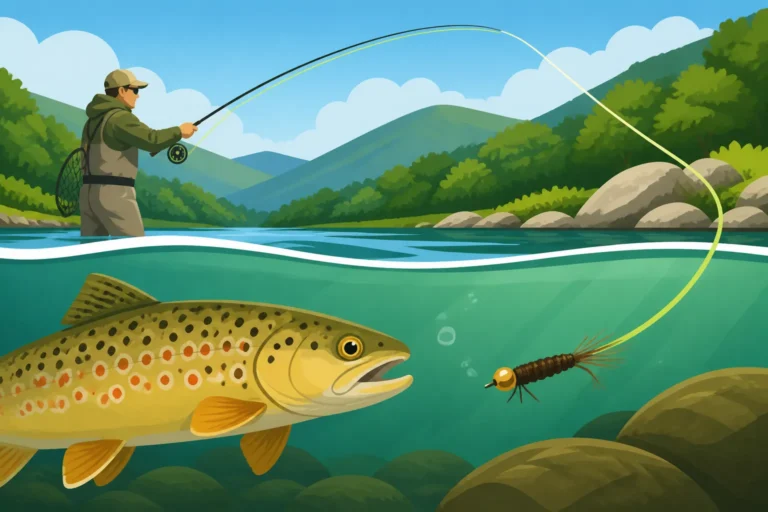
For trout anglers in Tennessee's pristine streams, like the Clinch River or those in the Great Smoky Mountains, a cold front can make already finicky fish even more challenging. Trout in these cold, clear waters will seek out deeper pools, current breaks, or areas with overhead cover. Fly anglers should focus on nymphing techniques, presenting small, heavily weighted nymphs on the bottom, or even dead-drifting small streamers. For spin fishermen, small inline spinners or tiny trout magnets, fished extremely slowly with the current in deep pockets, can be effective. After a cold front, trout are less likely to chase. Instead, they'll hold in prime feeding lanes, waiting for an easy meal to drift by. Knowing how to catch trout in cold water means paying attention to subtle indicators and being incredibly patient.
Essential Gear and Preparation for Cold Front Fishing
Success after a cold front isn't just about technique; it's also about having the right gear and being properly prepared for the conditions. Comfort and capability will directly impact your endurance and focus on the water.
Rods, Reels, and Line Choices
When you're fishing with light lines and subtle presentations, your tackle needs to be finely tuned. Opt for lighter action rods – medium-light or light spinning rods are perfect. These rods will allow you to cast small lures, detect those incredibly light bites, and protect light line. Pair them with small, sensitive spinning reels spooled with 6-8 lb fluorocarbon line. Fluorocarbon is excellent for cold front conditions because it's nearly invisible in clear water and has very low stretch, which enhances sensitivity. This allows you to feel those faint taps and bumps that an inactive fish might make. For finesse techniques, a high-quality reel can make a huge difference in line management and feel; look for models from brands like Shimano or Daiwa that you can browse on Amazon. Having a sensitive rod for Tennessee smallmouth bass is key.
Cold Weather Apparel and Safety
Cold fronts mean cold weather, sometimes brutally so, especially on the water with wind chill. Layering is your best friend. Start with a moisture-wicking base layer, add insulating layers like fleece or down, and top it off with a waterproof and windproof outer shell. Don't forget a warm hat, gloves, and waterproof boots. Your hands and feet are often the first to get cold. Staying warm and dry isn't just about comfort; it's about safety. Hypothermia is a real danger. Always tell someone where you're going and when you expect to return. Consider carrying a thermos of hot coffee or soup to help stay warm. For critical safety measures, review the Essential Safety Gear Checklist Before a Tennessee Fishing Trip.
Utilizing Electronics for Success
Modern fish finders and GPS units are invaluable tools for fishing after a cold front. Use your electronics to locate those deeper channels, humps, and structure where fish are likely to be holding. Side imaging and down imaging can help you identify submerged timber or brush piles where crappie and bass might be buried. Pay attention to temperature readings on your fish finder; even a half-degree difference can attract fish. Your GPS can help you mark specific waypoints of productive structure or schools of fish, allowing you to return to them precisely. For deeper water fishing, understanding the best fish finders for Tennessee reservoir fishing is paramount. Don't just motor over an area; spend time idling around, scanning, and interpreting what your screens are telling you. This data-driven approach can save you hours of fruitless casting.
Post-Front Fishing Adjustments Table
Here’s a quick overview of how to adjust your fishing strategy when a cold front moves through Tennessee.
| Aspect of Fishing | Pre-Cold Front Conditions (General) | Post-Cold Front Conditions (Adjustment) |
|---|---|---|
| Water Temperature | Moderate, stable, or slightly rising | Dropping, unstable, especially at surface |
| Barometric Pressure | Often falling (active bite) | Rising, then high and stable (lockjaw) |
| Fish Location | Shallow flats, aggressive hunting | Deeper water, tight to structure, sun-warmed banks |
| Fish Activity | Active, chasing bait | Lethargic, finicky, conserving energy |
| Lure Size | Larger, more aggressive | Smaller, finesse, natural profiles |
| Lure Color | Flashy, bright, attention-grabbing | Muted, natural, realistic |
| Retrieve Speed | Faster, erratic, reaction bites | Extremely slow, deliberate, pauses |
| Primary Techniques | Cranking, burning spinnerbaits, topwater | Dead sticking, slow rolling, bottom dragging |
| Line Type | Mono/Fluoro for stretch/sensitivity | Fluorocarbon (low stretch, invisible) |
| Sensitivity Needed | Moderate | High (for light bites) |
| Key Gear | Standard tackle, varied lures | Finesse tackle, scent, electronics, warm clothing |
By understanding these shifts and making these deliberate adjustments, you can turn a frustrating post-front day into a rewarding experience on the water.
Disclaimer
Fishing involves inherent risks. Always prioritize safety, wear appropriate personal flotation devices, and be aware of weather conditions. Abide by all local and state regulations set forth by the Tennessee Wildlife Resources Agency (TWRA), including obtaining the proper Tennessee Fishing License Guide and adhering to Tennessee Fishing Regulations Explained. This guide is for informational purposes only and should not replace official safety instructions or legal requirements.