How the Tennessee Bass Spawn Affects Where They Bite
It's incredibly frustrating when you hit the water, rods rigged and ready, only to find the bass aren't biting where you expect them to be. One of the biggest factors influencing bass behavior in Tennessee, and often the trickiest to pinpoint, is the annual spawn. This guide is here to demystify the bass spawn, helping you understand where different bass species are likely to be throughout this critical period and how you can adjust your strategy to keep those lines tight.
Understanding the Tennessee Bass Spawn Cycle
The bass spawn is much more than just a few weeks in spring; it's a dynamic, multi-stage event that profoundly dictates where bass will hold and how aggressively they'll feed. It's like a whole different ballgame compared to summer or winter fishing. If you don't understand these nuances, you could be casting into empty water while the fish are busy with their biological imperative elsewhere.
The Crucial Role of Water Temperature
If there's one single factor that triggers the bass spawn, it's water temperature. Bass are cold-blooded creatures, and their metabolic processes, including reproduction, are directly tied to the temperature of the water around them. As the water warms up after the long winter chill, it sends a clear signal to the bass that it's time to prepare for spawning. This is why you'll often hear anglers obsessing over water temperature gauges on their boats.
Different temperature ranges signify different stages of the spawn. The pre-spawn typically kicks off when water temperatures consistently reach the mid-50s Fahrenheit. The actual spawning activity, when bass move onto beds, usually occurs when temperatures stabilize in the low to mid-60s. Anything below or above these ranges can delay or prolong the process, making it essential to keep a close eye on local conditions. Learning How Water Temperature Affects Fish Activity is a game-changer for any angler.
Different Bass Species, Different Timing
Tennessee is blessed with several prominent bass species, each with its own preferred spawning window, even if they overlap. You've got your popular largemouth bass, the feisty smallmouth, and the often-overlooked spotted bass. While they all follow similar cues, their specific timelines can vary enough to make a difference in your fishing success.
Largemouth bass, being warm-water lovers, generally start their spawning ritual first when temperatures hit that ideal mid-60s range, often from March into May, depending on how far south you are in the state and the specific lake. Smallmouth bass, like the ones that make up Smallmouth Bass: Tennessee's Official State Fish, prefer slightly cooler water, so their peak spawn might be a bit earlier or extend longer into cooler parts of a lake, often kicking off in late March and running through April. Spotted bass usually fall somewhere in between or overlap significantly with largemouth. Understanding these nuances is key to knowing what species to target and when, as detailed in guides like Bass Spawn Timing in Tennessee Lakes.
Pre-Spawn: Where Big Bass Feast Before the Nest
The pre-spawn phase is arguably one of the most exciting times to be on the water for bass anglers. After a leaner winter, bass are absolute eating machines, gorging themselves to build up energy reserves for the strenuous process of spawning. They're often at their heaviest, most aggressive, and most predictable in their movements. This is your chance to catch some true giants before they get shy on the beds.
Locating Pre-Spawn Hotspots
During pre-spawn, bass are transitioning from their deeper wintering grounds to the shallower areas where they'll eventually spawn. Think of them staging, much like actors waiting in the wings before going on stage. They'll congregate in transition zones that offer both access to deep water for safety and proximity to shallow spawning flats. These spots often include points, channel swings, creek bends, and humps that rise up near deeper water. They're looking for structure that provides cover and ambush points for feeding.
Focus your efforts on the northern and western banks of lakes and reservoirs. These areas receive more direct sunlight and warm up faster than other sections, making them prime real estate for early staging bass. Look for hard bottoms like gravel, rock, or shell beds, which also retain heat better. On lakes like Chickamauga or Kentucky Lake, these staging areas can be massive, so covering water is important. Knowing Tennessee Bass Fishing Seasons and Patterns can give you an edge in finding these zones.
Best Baits and Techniques for Pre-Spawn Bass
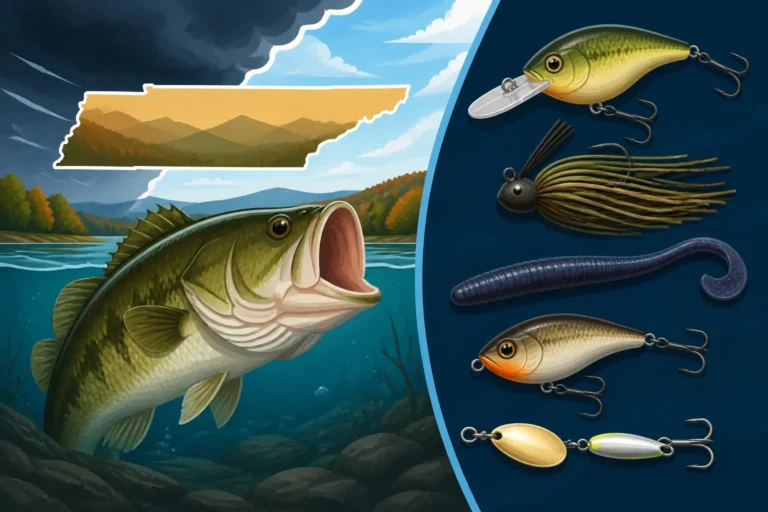
Because bass are aggressively feeding during the pre-spawn, they’re often willing to chase down larger, more caloric meals. This is the time to throw those bigger, bolder baits that mimic struggling baitfish or crawfish. Lipless crankbaits, like the ever-popular Rat-L-Trap or Strike King Redeye Shad, are fantastic for covering vast expanses of water and eliciting reaction strikes. Jerkbaits are also incredibly effective, especially suspending models that allow you to pause the bait right in a bass's face.
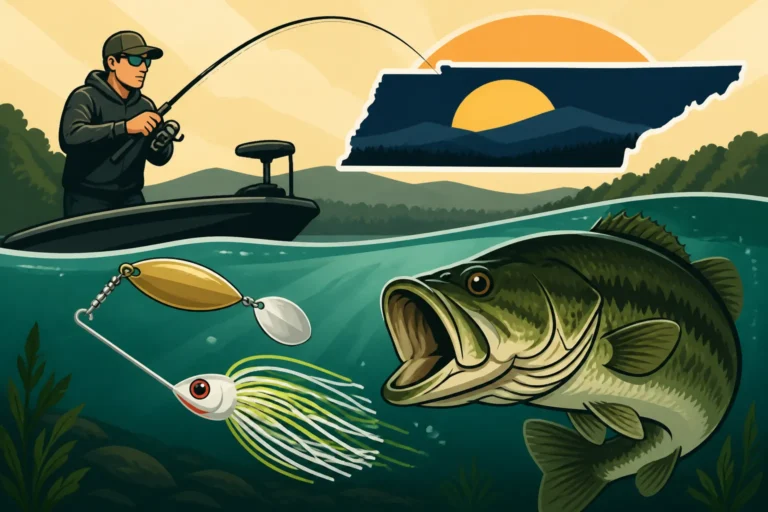
Another top choice for pre-spawn is a bladed jig, often called a ChatterBait, or a traditional spinnerbait. These baits create a lot of flash and vibration, calling fish from a distance. Don't forget jigs tipped with bulky trailers—they perfectly imitate crawfish, a primary food source for big bass. Many anglers stock up on these essential pre-spawn gear items from retailers like Amazon, ensuring they have a variety of colors and sizes to match conditions. For more specifics, check out guides on Best Lures for Pre-Spawn Bass Fishing.
The Spawn: Protecting the Nest and Catching Them Off Guard
When the water temperatures stabilize and reach that critical mid-60s mark, bass move onto the spawning beds. This is when their focus shifts entirely from feeding to reproduction and protecting their offspring. Their behavior changes drastically, and so should your approach. It's a delicate time, both for the fish and for ethical angling.
Sight Fishing and Ethical Considerations
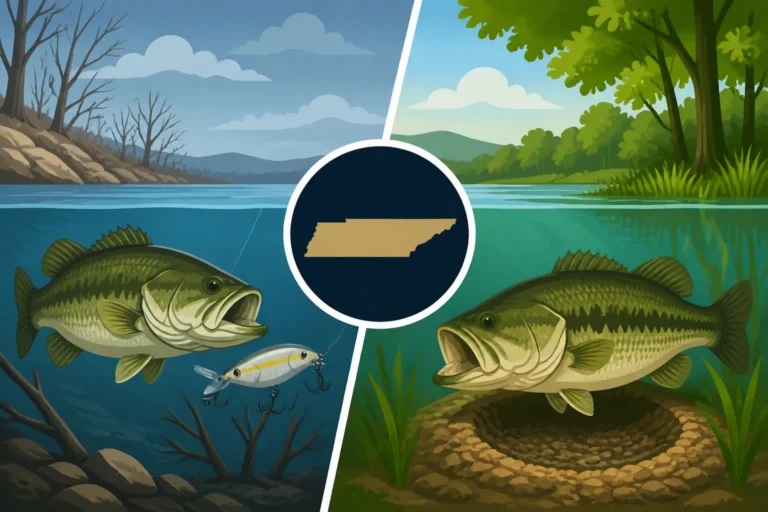
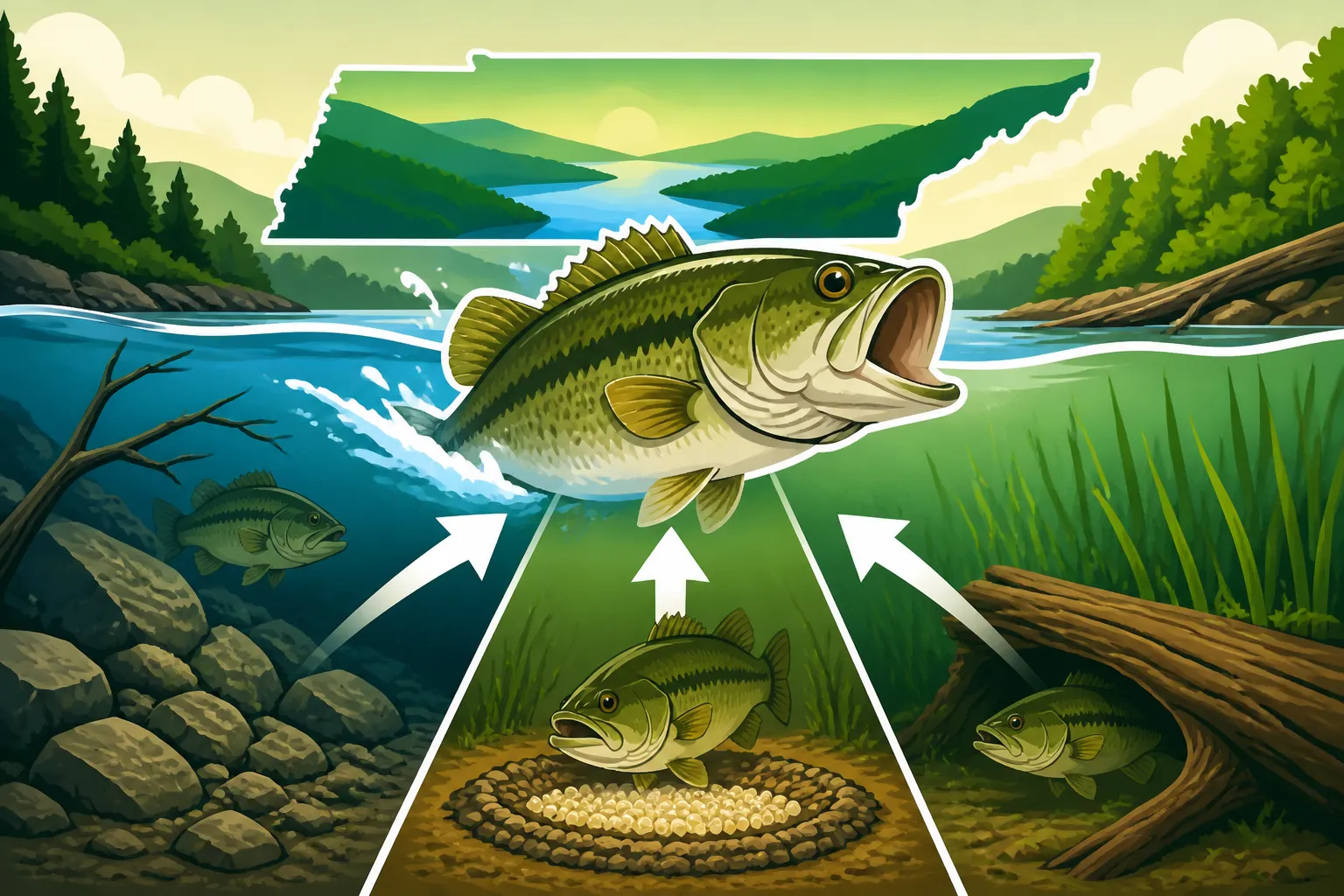
During the actual spawn, bass create "beds" – circular, cleared-out depressions, usually in shallow water (1-5 feet deep) on hard bottoms. The male bass typically cleans the bed, and both male and female will guard the eggs once laid. This makes them highly visible in clear water, leading to "sight fishing," where you cast directly to a bass you can see on its bed. It's a thrilling challenge but comes with significant ethical considerations.
Repeatedly catching a bedding bass can stress the fish and leave the nest vulnerable to predators like bluegill or turtles, potentially impacting the future population. Many ethical anglers advocate for minimizing disturbance, using single, barbless hooks, and quickly releasing fish. Some even avoid targeting bedding bass altogether, opting to focus on pre-spawn or post-spawn fish instead. However, if you choose to sight fish, remember the goal is usually a quick photo and immediate, careful release.
Targeting Spawning Bass Around Cover
Not all bass spawn in wide-open, easily visible beds. Many will choose to spawn near some form of cover that offers added protection and concealment. This could be submerged logs, stumps, dock pilings, lily pad fields, or even thick grass mats. These fish might be harder to see, but they're often less pressured.
To target these fish, pitching and flipping soft plastics like creature baits, tubes, or senkos into and around heavy cover is incredibly effective. The goal is to drop your bait right into their personal space, annoying them into a defensive strike rather than a feeding one. Patience is key, as bedding bass can be finicky. Sometimes, leaving the bait motionless on the bed for an extended period is what it takes to trigger a strike. It really takes a different mindset than just cranking and reeling; it's a more methodical, almost surgical approach.
Post-Spawn: Recovering and Feeding Heavily Again
Once the eggs are laid and hatched, and the fry have dispersed, the adult bass enter the post-spawn phase. This can be a tough time for anglers, as bass are exhausted from the spawning process. The females, especially, are often skinny and lethargic, needing time to recover. However, they soon shift back into a feeding mode, making it another excellent time to catch them if you know where to look. This phase typically lasts from late spring into early summer. Many anglers refer to this period as "the doldrums," but it doesn't have to be.
Where Bass Go After the Spawn
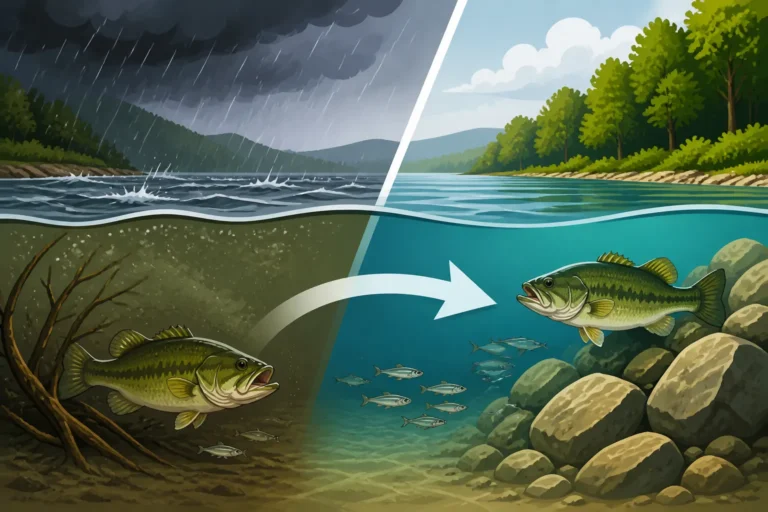
Immediately after the spawn, many bass, particularly the larger females, will move to slightly deeper water near the spawning flats. They're not going back to their deep winter haunts just yet, but they're seeking refuge from the shallow, warm water while they recuperate. Look for them on secondary points, main lake points, and deeper brush piles or rock piles adjacent to spawning areas. They're often suspended over these structures or relating directly to the bottom in 8-20 feet of water, depending on the lake's depth and clarity.
As they recover and regain energy, they'll start moving towards summer patterns, often relating to offshore structure, ledges, and deeper thermoclines on Tennessee's larger reservoirs like Watts Bar Lake or Norris Lake. Identifying these migration routes and holding areas is crucial for success. These fish are still somewhat predictable as they follow these pathways out to deeper water.
Effective Post-Spawn Strategies
During the early post-spawn, when bass are still recuperating, baits that require less effort from the fish are often more effective. Topwater lures can be deadly, especially during low light conditions, as bass will ambush anything that presents an easy meal on the surface. Walking baits and poppers work wonders. Soft plastics, such as Texas-rigged worms, shaky heads, or drop shots, fished slowly and deliberately around cover or structure, can also coax strikes from sluggish fish.
As bass recover and move deeper, transitioning into summer patterns, crankbaits, football jigs, and spoons become increasingly effective. These baits allow you to probe deeper water and target fish holding on offshore structures. Again, a diverse tackle box, easily assembled from resources like Amazon, with various lures for different depths and presentations is invaluable. For more detailed lure advice, consult articles like Best Lures for Post-Spawn Bass Fishing. Keep an eye on the water temperature; as it rises, bass will seek cooler, deeper oxygenated water.
Tennessee Bass Spawn Timing and Location Overview
Here's a quick reference table to help you anticipate the bass spawn in Tennessee:
| Bass Species | Typical Water Temperature | General Spawning Period | Preferred Spawning Location | Post-Spawn Location |
|---|---|---|---|---|
| Largemouth Bass | 62-68°F (17-20°C) | March – May | Shallow, protected coves with soft/hard bottom, reeds, docks | Nearby secondary points, deeper brush piles, channel swings |
| Smallmouth Bass | 58-64°F (14-18°C) | Late March – April | Rocky banks, gravel points, main lake points, stream mouths | Deeper rock piles, ledges, humps, current breaks |
| Spotted Bass | 60-66°F (16-19°C) | April – June | Main lake points, bluff walls, hard bottoms, brush piles | Deep brush, bluff ends, ledges, current breaks |
Understanding the Largemouth Bass Identification Tips for Tennessee Anglers and what makes these fish tick during the spawn is your secret weapon. Each species has its own subtle preferences, but water temperature is always the overarching guide.
Disclaimer
Fishing conditions, regulations, and fish behavior can change rapidly. Always consult the latest regulations from the Tennessee Wildlife Resources Agency (TWRA) before heading out. This guide provides general information and recommendations, but local conditions and personal judgment should always take precedence.