Tennessee’s Largemouth Bass Limit Is 5 Per Day, Only 1 Over 18 Inches
It can be incredibly confusing to keep up with all the fishing regulations, especially when you're just trying to enjoy a peaceful day on the water. Many anglers, new and seasoned alike, often wonder about the specific rules for keeping their catch, particularly when it comes to popular sport fish like largemouth bass. This comprehensive guide will clear up all the nuances of Tennessee's largemouth bass limits, ensuring you understand exactly what you need to know before your next cast.
Understanding Tennessee's Largemouth Bass Limits
When you're out on the beautiful waters of Tennessee, chasing after that thrilling largemouth bass bite, it’s absolutely critical to know the rules. These regulations aren't just arbitrary numbers; they're carefully crafted by the Tennessee Wildlife Resources Agency (TWRA) to ensure healthy fish populations for generations to come. Overlooking them can lead to some pretty hefty fines and, more importantly, can negatively impact the very fisheries we all love.
The Statewide Daily Catch Limit
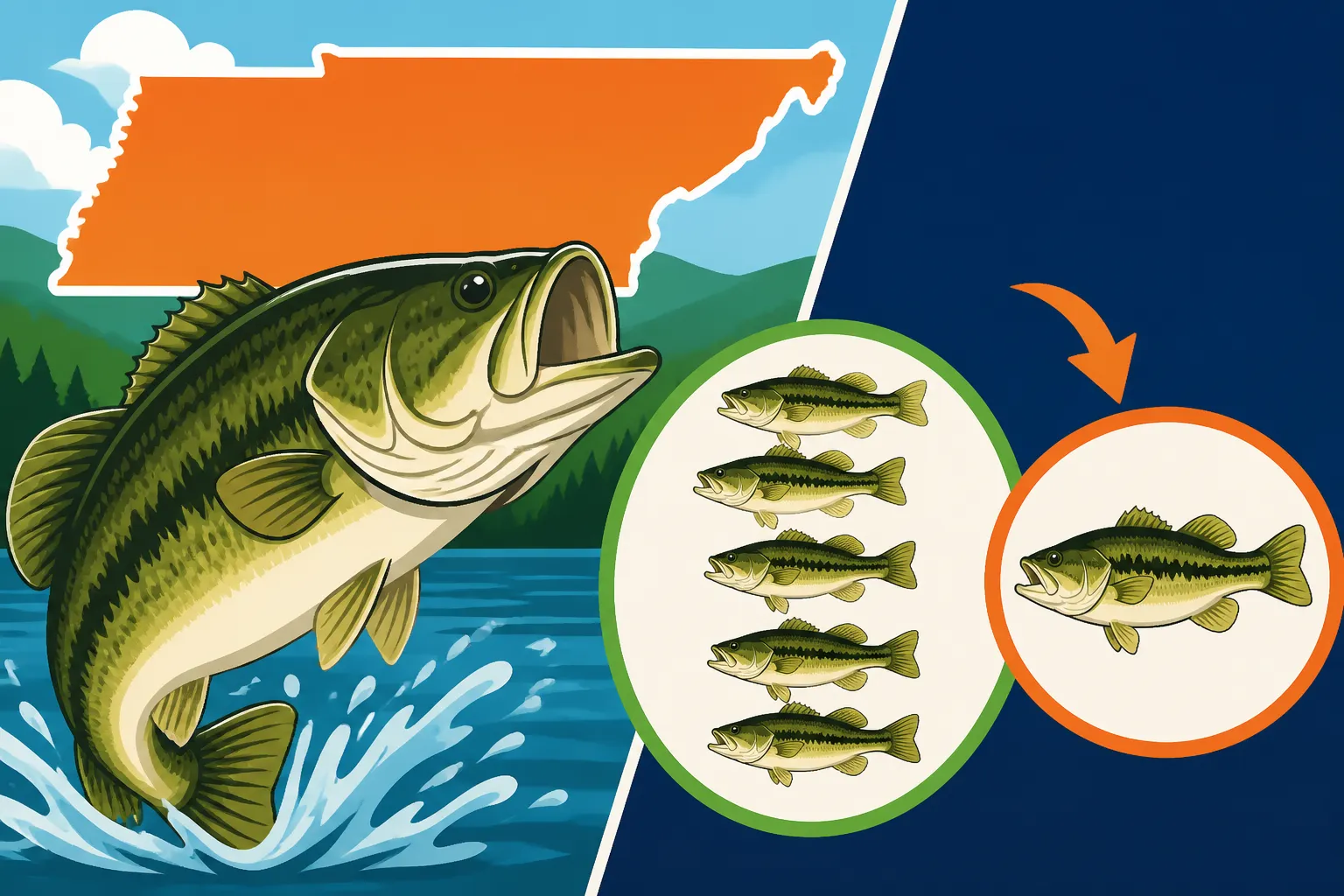
The primary rule you need to etch into your memory for largemouth bass in Tennessee is simple: you're allowed to keep a maximum of five (5) fish per day. This "daily creel limit," as it's often called, applies to each angler, meaning if you and a buddy are out fishing together, you can each keep five largemouth bass. It's not a boat limit, but an individual angler limit.
This limit is in place for a really good reason. Largemouth bass are incredibly popular, and without proper management, their numbers could dwindle quickly under heavy fishing pressure. By limiting the daily take, the TWRA helps spread the catch among more anglers and ensures enough fish remain in the system to reproduce and grow. Imagine if everyone could keep as many as they wanted – our lakes would be depleted in no time! So, while it might feel restrictive when the fish are biting hot, remember it's all for the greater good of the sport.
The Crucial 18-Inch Size Restriction
Now, here's where it gets a little more specific and where many anglers can get tripped up. While you can keep five largemouth bass per day, there's a crucial caveat: only one of those five can be 18 inches or longer. The rest of your four fish must be under 18 inches. This regulation is particularly important for fostering trophy fisheries and sustaining the population of larger, more mature bass.
The "one over 18 inches" rule is a fantastic tool for conservation. Larger bass, especially females, are often the most prolific spawners, contributing significantly to the next generation of fish. By encouraging anglers to release most of the bigger fish, the TWRA ensures these valuable breeders stay in the water, producing more eggs and larger fingerlings. This helps maintain the genetic diversity and overall health of the bass population. It also means that when you do catch that truly massive largemouth, you have a decision to make: do you keep it as your single trophy, or do you practice catch-and-release to help it produce more giants? For many, the thrill of the fight and a quick photo is enough, sending that lunker back to grow even bigger. Learning proper handling techniques for these larger fish is key to their survival upon release.
Why These Regulations Matter for Anglers and the Ecosystem
Understanding the "what" of fishing regulations is one thing, but truly grasping the "why" can make all the difference in appreciating their importance. These rules are not just bureaucratic hurdles; they are vital components of responsible stewardship over Tennessee’s abundant aquatic resources. The Tennessee Fishing Regulations Explained guide can provide even more context on the broader regulatory framework.
Conservation and Sustainable Fishing
The five-fish daily limit and the one-over-18-inches rule for largemouth bass are cornerstones of sustainable fishing practices in Tennessee. Without such measures, our beloved fishing spots could quickly become barren. Consider a lake like Chickamauga Lake, renowned for its trophy bass. If everyone kept every large bass they caught, its reputation as a premier fishery would diminish rapidly. These limits work to maintain a balanced ecosystem, ensuring there are enough adult fish to spawn and enough smaller fish to grow into larger ones.
Beyond just bass, these regulations contribute to the overall health of the entire aquatic food web. Bass are apex predators in many Tennessee waters, and their population health directly impacts the species they prey upon, as well as the overall biodiversity of the lake or river. By managing bass populations, we indirectly support healthy populations of bluegill, crappie, and other forage fish. It's a delicate balance, and these rules are part of how the state manages it effectively. The Tennessee Wildlife Resources Agency (TWRA) constantly monitors fish populations and adjusts regulations as needed, reflecting a commitment to long-term sustainability.
Impact on Angler Experience and Trophy Potential
Let's be honest: who doesn't dream of catching a true trophy bass? The regulations, particularly the 18-inch size restriction, directly contribute to the creation and maintenance of these very opportunities. By protecting the larger bass, these rules allow more fish to grow to impressive sizes, increasing the chances for every angler to hook into a personal best. This is especially true in lakes that have established themselves as premier bass fisheries.
Imagine the frustration if every time you went fishing, all the big ones had been hauled out. These limits ensure that the "big one" is still out there, lurking, offering that tantalizing possibility on every cast. It encourages a mindset of quality over quantity, prompting anglers to consider the long-term health of the fishery rather than just their immediate haul. This approach transforms fishing from merely catching fish into a more profound engagement with nature and conservation, making the sport more rewarding for everyone in the long run. The thrill of catching a giant and knowing you're returning it to the water to grow even bigger, or to spawn countless others, is a unique satisfaction.
Practical Tips for Adhering to Bass Limits
Knowing the rules is the first step, but putting them into practice on the water requires a bit of preparation and intentionality. It's about being ready and responsible every time you head out. After all, compliance ensures the future of Tennessee Fishing for everyone.
Essential Gear and Measurement Techniques
To accurately comply with the size limits, you absolutely need a reliable measuring device. A simple, sturdy measuring board or tape measure is essential. You can find some excellent, easy-to-read measuring boards on Amazon that are perfect for your tackle box or boat. When you land a bass, lay it flat on its side on the measuring device, ensuring its mouth is closed and pressed against the bump stop, and its tail is gently squeezed back to get an accurate length. Don't eyeball it; even an inch can make a difference.
Proper handling of fish, especially those you intend to release, is equally important. Wet your hands before touching the fish to protect its slime coat, which is its primary defense against infection. Support the fish horizontally, avoiding holding it vertically by the jaw, which can damage its internal organs. If you’re planning to release a fish that’s right on the edge of the 18-inch mark, measure it carefully, take a quick photo if you wish, and then gently return it to the water. A good pair of pliers or a dehooker can also help minimize harm to the fish when removing hooks.
Knowing Your Waters and Local Exceptions
While the statewide regulations provide a baseline, it’s critical to remember that Some Tennessee lakes set catch limits that override the statewide defaults. This is perhaps one of the most overlooked aspects of fishing regulations and where many well-intentioned anglers can mistakenly run afoul of the law. Specific lakes or bodies of water in Tennessee might have different slot limits or daily creel limits for largemouth bass, tailored to their unique ecological conditions and fishery management goals.
For example, a lake that is being managed for a trophy fishery might have an even stricter slot limit, perhaps requiring all bass between 14 and 20 inches to be released, while allowing anglers to keep fish outside that slot. Conversely, a lake struggling with an overpopulation of smaller bass might have a more liberal limit to encourage harvest. Therefore, before you cast your line into any new (or even familiar) body of water, it’s imperative to "Always check a specific lake's regulations before your first cast." The TWRA website is the best place to find these lake-specific rules. Don't rely solely on word-of-mouth or what you remember from last year; regulations can change. For a broader overview, you can consult the Tennessee Fishing Rules Every Angler Should Know.
Here's a quick comparison of statewide bass limits:
| Species | Daily Limit | Size Restriction | Notes |
|---|---|---|---|
| Largemouth Bass | 5 | Only 1 over 18 inches | Statewide general rule |
| Smallmouth Bass | 5 (combined) | Only 1 over 16 inches (combined with spotted, Alabama, hybrid) | Statewide general rule; applies to specific species |
| Spotted Bass | 5 (combined) | Only 1 over 16 inches (combined with smallmouth, Alabama, hybrid) | Statewide general rule; applies to specific species |
| Crappie | 20 | Only 5 over 12 inches | Statewide general rule |
Note: These are statewide general rules. Always verify current, specific regulations for the body of water you intend to fish, as local rules may override these limits.
What Happens if You Exceed the Limit?
No one wants to run into trouble with the law, especially when they're out enjoying a relaxing day of fishing. Ignorance of the law is rarely an excuse, and game wardens are dedicated to enforcing these regulations to protect our natural resources. Understanding the consequences of violating fishing limits is a critical part of being a responsible angler. If you're unsure about the general requirements, a quick look at the Tennessee Fishing License Guide can help.
Understanding the Consequences
Exceeding the daily creel limit or violating the size restrictions for largemouth bass in Tennessee can lead to significant penalties. These aren't just minor infractions. Depending on the severity of the violation, you could face fines, forfeiture of your fishing gear, and even the suspension of your fishing privileges. For example, if you're caught with six largemouth bass, or two that are over 18 inches, you've broken the law. These violations are often considered misdemeanors, similar to the Penalties for Fishing Without a License in Tennessee.
Game wardens are highly trained professionals who patrol our lakes and rivers, ensuring compliance. They have the authority to check your catch, measure your fish, and verify your license. It's their job to protect the resource, and they take it seriously. It’s always better to err on the side of caution. If you’re unsure about the length of a fish, measure it twice. If you’ve already kept five fish and catch another, it goes back in the water, no questions asked. There’s no point risking a fine or, worse, damaging the reputation of all anglers.
Being a Responsible Angler
Ultimately, adhering to bass limits and all other fishing regulations boils down to being a responsible and ethical angler. It’s about more than just avoiding penalties; it’s about contributing to the health and vitality of Tennessee’s diverse fisheries. Every angler has a role to play in conservation. When you follow the rules, you're not just complying with the law; you're actively participating in the stewardship of our natural resources. This ensures that future generations will also have the opportunity to experience the joy of fishing.
Beyond just limits, responsible angling includes practicing proper catch-and-release techniques for fish you don’t intend to keep, disposing of trash properly, and respecting private property. It's about understanding the Tennessee Bass Fishing Seasons and Patterns and adjusting your approach to minimize stress on spawning fish. By doing so, you help maintain the delicate balance of the aquatic ecosystem, ensuring that Tennessee remains a premier destination for anglers of all skill levels, year after year.
Disclaimer
Please note that fishing regulations can change. While this guide provides accurate information at the time of writing, it is always your responsibility to verify the most current regulations directly with the Tennessee Wildlife Resources Agency (TWRA) before engaging in any fishing activities. Local rules on specific lakes or rivers may override statewide limits.