Best Lures for Post-Spawn Bass Fishing
You've been battling through the spring spawn, landing those big, fat prespawn bass, and maybe even a few off the beds. But then, almost overnight, it feels like the fish just vanish. The post-spawn can be one of the most frustrating times for bass anglers in Tennessee, as those once-predictable fish become elusive and scattered. This comprehensive guide is here to shed light on exactly where those bass go and, more importantly, what lures you need to tie on to find them again.
Understanding Post-Spawn Bass Behavior in Tennessee Waters
After the intense physical demands of spawning, bass aren't just tired; they're hungry, but often picky. They need to recover, refuel, and regroup. This transitional period can feel like a guessing game, but once you understand their post-spawn mindset, you can unlock some truly fantastic fishing.
The Post-Spawn Slump and Recovery
Imagine running a marathon, then immediately trying to eat a huge meal and then go for another run. That's pretty much what bass go through during the spawn. They expend an enormous amount of energy protecting their nests, not to mention the actual act of spawning itself. For a few days, sometimes even a week or two, after the spawn, both male and female bass enter a recovery phase. They're lethargic, their metabolisms are a bit out of whack, and they're not necessarily chasing down every meal that passes by. This is often referred to as the "post-spawn slump."
However, this slump doesn't last forever. As their energy levels return, their hunger comes back with a vengeance. They're still not always easy to catch because they're often scattered and not in their typical pre-spawn staging areas. The timing of this slump and subsequent recovery can vary significantly even within Tennessee. For instance, bass in the northern stretches of Kentucky Lake might spawn a bit later than those in the warmer waters of Percy Priest Lake near Nashville, simply due to water temperature differences. Knowing the approximate Bass Spawn Timing in Tennessee Lakes can help you anticipate this recovery period.
Where Bass Go After the Spawn
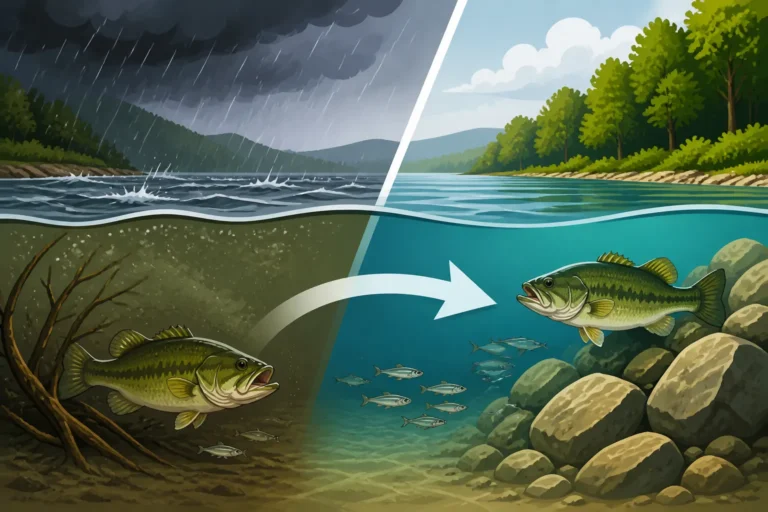
This is the million-dollar question for many anglers: Where Do Bass Go in Extreme Summer Heat? After the spawn, bass generally begin a migration from the shallow spawning grounds back to deeper, more comfortable water where they can recover and find abundant food sources. This doesn't mean they immediately drop to the deepest part of the lake; it's a gradual movement, often utilizing transition zones.
You'll find them holding on secondary points leading out of spawning coves, on the shoulders of main lake points, or relating to isolated cover like stumps, brush piles, or rock formations in slightly deeper water (8-20 feet). As the water continues to warm and they fully recover, many will move to offshore humps, ledges, and channels in places like Chickamauga Lake or Watts Bar Lake. They're looking for baitfish, particularly schools of shad or herring, which often congregate in these same deeper, cooler areas. Sometimes, particularly during the early post-spawn, they might just be suspended out in open water, enjoying the cooler temperatures and picking off passing bait. This movement can be highly variable, making it crucial to understand How Water Temperature Affects Fish Activity.
Top Lures for Targeting Post-Spawn Bass
The key to post-spawn success lies in offering bass a variety of presentations. You need lures that can cover water quickly to find scattered fish, as well as those that can entice finicky bass in more concentrated areas.
Moving Baits for Active Fish
When bass shake off that post-spawn funk and start feeling more aggressive, moving baits become absolute weapons. These lures are designed to provoke a reaction strike or mimic actively feeding baitfish.
Crankbaits
Crankbaits are fantastic for covering water and bumping off submerged structure. For early post-spawn, when bass might still be relatively shallow or in mid-depths, a squarebill crankbait like a Strike King KVD 1.5 in shad patterns can be deadly. These lures deflect off cover beautifully without snagging, triggering those sudden strikes. As bass move deeper, you'll want to switch to deep-diving crankbaits. Lures like a Rapala DT-16 or a Berkley Dredger can reach depths of 15-20 feet, allowing you to effectively target those offshore ledges and humps on lakes like Kentucky Lake. Look for natural shad, bluegill, or crawfish patterns, depending on the predominant forage. Retrieve them with a steady pace, occasionally pausing or ripping them to trigger bites.
Spinnerbaits and Bladed Jigs
Spinnerbaits and bladed jigs (often called ChatterBaits) are excellent choices, especially around submerged grass lines, brush piles, or rocky points. A spinnerbait, with its flashing blades, provides a lot of vibration and visual appeal, mimicking a school of baitfish. A chartreuse and white combination or a white and silver blade configuration is often effective. Bladed jigs, on the other hand, offer a unique vibration and shimmy that bass absolutely crush. Brands like Z-Man and Berkley make some excellent bladed jigs. You can fish them with a steady retrieve, or "pump" them through cover, letting them fall slightly before reeling again. The vibration of these baits helps bass locate them even in murky water or when they're not actively hunting by sight. Many anglers add a small swimbait or grub as a trailer to enhance the action and profile.
Topwater Lures
As water temperatures continue to climb and bass become more active, especially during low-light conditions like dawn and dusk, topwater lures can provide some of the most exciting bites. Poppers, walking baits (like a Heddon Super Spook), and hollow-body frogs are all fantastic options. Poppers are great for drawing fish out of cover with their "chugging" action. Walking baits, when retrieved correctly, create a "walk-the-dog" action that's irresistible to aggressive bass. Hollow-body frogs are perfect for fishing over matted grass or lily pads, areas where bass might ambush prey from below. The key to topwater is often patience; let the bait sit for a moment after casting, then begin your retrieve with erratic twitches and pauses. You can find a wide selection of these versatile lures on Amazon.
Finesse and Slow Presentations for Finicky Bass
Even after their recovery, post-spawn bass can be incredibly finicky. When they're not chasing fast-moving baits, or when you know they're holding tight to cover, slow and subtle presentations are your best friend.
Soft Plastic Worms
There's a reason soft plastic worms are a staple in every bass angler's tackle box – they simply catch fish. For post-spawn, Texas rigs, Carolina rigs, and shaky heads are essential.
- Texas Rig: This weedless setup is perfect for pitching into brush piles, flipping into dense cover, or dragging across rocky bottoms. Use a 7-inch or 10-inch worm in natural colors like green pumpkin, junebug, or plum. A slight variation, often used in pressured waters, is a weighted wacky rig, which offers a tantalizing fall.
- Carolina Rig: When bass are scattered over broader, deeper flats or along channel swings, a Carolina rig allows you to present a bait subtly at a distance. It consists of a heavy weight, a swivel, a leader, and a soft plastic bait (often a lizard, fluke, or creature bait). This rig is excellent for covering ground and finding those transition-zone bass.
- Shaky Head: For truly finicky fish, a shaky head jig with a straight-tail worm is incredibly effective. It's a subtle presentation that keeps the worm's tail quivering, mimicking a small foraging creature. It's fantastic for targeting specific pieces of cover or when bass are holding tightly to the bottom.
Jigs and Creature Baits
Jigs, particularly football jigs or arkie-style jigs, paired with a crawfish or creature bait trailer, are deadly on ledges, rock piles, and points. Bass often feed heavily on crawfish post-spawn. Black and blue, green pumpkin, and brown are classic jig colors. Work them slowly, dragging and hopping them along the bottom, feeling for any subtle ticks or weight changes. Creature baits, even when fished alone on a Texas rig, offer a bulky, lifelike profile that appeals to bass looking for a substantial meal. Understanding How to Jig for Crappie can also give you some ideas for finesse jigging for bass if you adapt your lure size and presentation.
Jerkbaits and Swimbaits for Transition Zones
Sometimes bass aren't necessarily hugging the bottom or actively chasing topwater; they're suspended in the water column or moving between shallow and deep. This is where jerkbaits and swimbaits shine.
Jerkbaits
A suspending jerkbait, like a Megabass Vision Oneten or a Lucky Craft Pointer, is fantastic for bass holding in the middle of the water column or relating to sparse cover. The key is to retrieve them with a "twitch, twitch, pause" cadence. The pause is crucial, as the bait hangs motionless, often enticing a strike from a hesitant bass. These lures are especially good when bass are feeding on shad or other baitfish in clear to moderately stained water. They are excellent for probing around main lake points or over submerged humps where bass might be staging.
Swimbaits
Soft plastic swimbaits, either rigged on a weighted swimbait hook or a jig head, are incredibly versatile. They mimic baitfish perfectly and can be fished at various depths. For post-spawn, a 3-5 inch shad-colored swimbait is ideal. You can slow roll them along ledges, cast them over submerged grass, or even fish them around standing timber. Larger, more realistic swimbaits can also draw huge strikes from trophy-sized post-spawn bass. Some of the most popular brands like Keitech and Z-Man offer a variety of sizes and colors, which can easily be found on Amazon.
Advanced Strategies and Tips for Post-Spawn Success
Finding post-spawn bass consistently isn't just about having the right lure; it's about understanding the subtle nuances of the water and adapting your approach. Tennessee's diverse waters, from the deep, clear Norris Lake to the vast, riverine Kentucky Lake, demand flexibility.
Reading Water and Adapting
The most successful anglers are those who can "read" the water and adjust their tactics. Pay close attention to water temperature, as fish metabolism is highly tied to it. Cooler water might mean slower retrieves and finesse tactics, while warmer water indicates bass are more active and willing to chase. Current is another major factor, especially in river systems or lakes fed by large rivers like the Tennessee River. Bass often position themselves out of the main current, waiting for baitfish to be swept past them. Look for eddies, current breaks around points, or submerged structures that break the flow.
Also, be observant of baitfish activity. Are you seeing schools of shad dimpling the surface? Are they flickering on your sonar? If so, match your lure size, color, and retrieve to mimic that forage. If you’re fishing a specific lake, like Chickamauga Lake, Tennessee's Top Bass Fishing Destination, you'll find that bass often relate to hydrilla beds and offshore ledges post-spawn, making deep-diving crankbaits and jigs particularly effective. Always be willing to experiment with different depths and retrieves until you find what the fish are reacting to on that particular day.
Gear and Presentation Matters
Having the right rod, reel, and line setup can make a huge difference, especially when you're making long casts with crankbaits or trying to feel a subtle bite on a shaky head. For heavier, reaction baits like deep crankbaits or large spinnerbaits, a moderate-fast action rod with a sensitive tip is ideal, allowing for both casting distance and solid hooksets. A fast retrieve ratio reel (7.1:1 or higher) is good for quickly taking up slack and working baits efficiently. When it comes to finesse presentations with worms or jigs, a lighter, more sensitive spinning rod and reel combo, paired with fluorocarbon line, will help you detect those barely-there bites. You can find some of the Best Rods for Largemouth Bass and the Best Reels for Smallmouth Bass that will serve you well during the post-spawn period.
Presentation is equally critical. Sometimes a slow, steady retrieve is all it takes; other times, erratic jerks, pauses, and rips are necessary to trigger a strike. Don't be afraid to vary your retrieve speed and action. Remember, you're trying to either mimic natural forage or provoke an aggressive reaction. A common mistake is to retrieve too fast or too consistently. Experiment until the fish tell you what they want.
Seasonal Overlap and Local Variances
The "post-spawn" isn't a single, fixed period but rather a transition zone that can bleed into early summer fishing patterns. In some southern Tennessee lakes, warmer waters might push bass into their summer patterns sooner, while in the higher elevations of East Tennessee, the post-spawn might linger a bit longer due to cooler temperatures. This means you might encounter bass still guarding fry (tiny offspring) in shallow pockets while other, more recovered bass are already setting up on offshore structure.
It's crucial to check local fishing reports and even social media groups for specific lakes you plan to fish. What works on Percy Priest Lake might not be the absolute best strategy for Reelfoot Lake, given their vastly different water characteristics and forage bases. Embrace the challenge of this transitional period, and you'll find it can offer some of the most rewarding and strategic bass fishing of the year.
Post-Spawn Bass Lure Comparison Table
| Lure Type | Best Conditions | Why It Works for Post-Spawn Bass | Key Retrieve / Action | Ideal Depth Range |
|---|---|---|---|---|
| Deep-Diving Crankbait | Deeper ledges, humps, main lake points, scattered fish | Covers water, mimics baitfish, provokes reaction strikes | Steady retrieve, occasional deflections off structure | 10-25 feet |
| Spinnerbait | Around grass lines, brush piles, stained water | Flashing blades and vibration attract active bass, weedless | Steady retrieve, slow roll, or bulge | 2-15 feet |
| Bladed Jig (ChatterBait) | Grass, wood, rocky points, aggressive fish | Strong vibration, unique shimmy, imitates fleeing bait | Steady retrieve, stop-and-go, rip-and-fall | 3-12 feet |
| Topwater (Popper/Walker) | Low light, calm water, over shallow cover, active fish | Creates surface disturbance, draws explosive strikes | Erratic twitches, pauses, "walk-the-dog" action | Surface |
| Texas Rig Worm/Creature | Heavy cover (wood, grass), finicky fish, bottom dwellers | Weedless, subtle, imitates crawfish or slow-moving prey | Pitching, flipping, slow drag, hop | 5-25 feet |
| Carolina Rig | Scattered fish on open flats, deep points, main lake | Covers wide areas, presents bait naturally away from weight | Slow drag, occasional pauses | 10-30+ feet |
| Shaky Head Jig | Specific cover, rocky bottoms, highly finicky bass | Subtle vibration, natural worm action, entices hesitant bites | Slow drag, slight rod tip quivers, short hops | 5-20 feet |
| Jerkbait | Clear water, suspended fish, main lake points | Mimics wounded baitfish, suspending action during pauses | Twitch, twitch, pause (crucial), varying pause length | 3-15 feet (suspending) |
| Swimbait | Open water, scattered baitfish, covering water | Realistic baitfish imitation, versatile depth control | Slow roll, steady retrieve, retrieve-and-fall | All depths |
Disclaimer
Fishing conditions and regulations in Tennessee can change. Always check the latest Tennessee Wildlife Resources Agency (TWRA) regulations before heading out on the water. This guide is for informational purposes only and does not constitute professional advice.