How to Tightline for Crappie
If you've ever spent a beautiful day on the water, only to feel frustrated by those incredibly subtle crappie bites that feel like nothing more than a whisper on your line, you're not alone. It's tough to detect when these panfish are barely mouthing your bait, leading to missed hooksets and empty livewells. This comprehensive guide will dive deep into the art of tightlining for crappie, a highly effective technique that maximizes your feel and puts you in direct contact with the fish, helping you turn those faint nudges into solid catches.
Understanding Tightlining for Crappie
Tightlining, at its heart, is a highly direct and sensitive fishing method that has been a staple for crappie anglers in Tennessee and across the South for generations. It’s not about casting and retrieving in the traditional sense, but rather about presenting a bait or jig vertically in areas where crappie are known to congregate.
What is Tightlining?
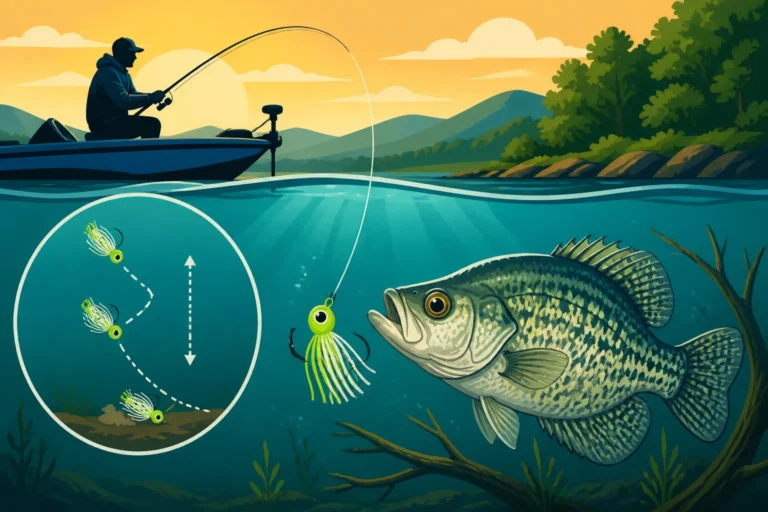
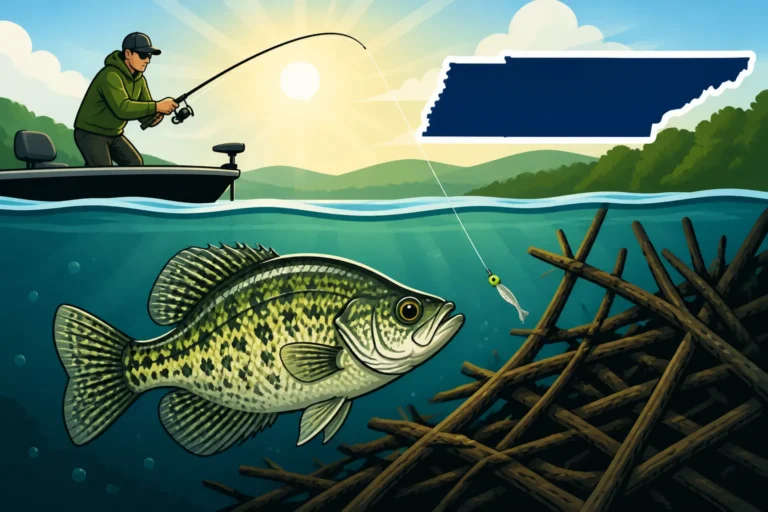
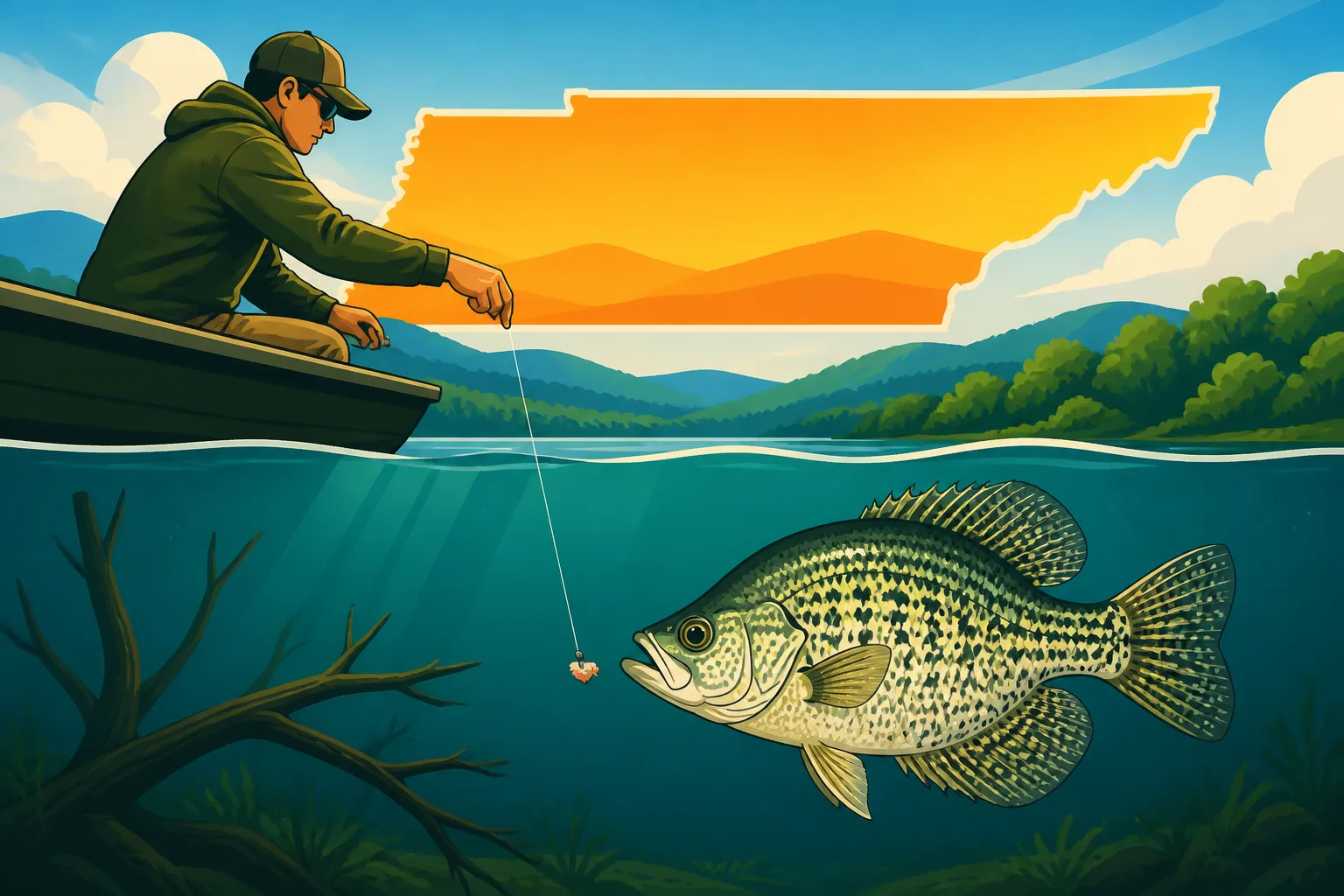
Imagine holding your fishing rod with a direct, uninterrupted connection to your bait, feeling every tick, every bump, every almost-bite as if it were happening in your hand. That's the essence of tightlining. Unlike using a bobber, where you wait for visual cues, or spider rigging, which involves multiple lines spread out, tightlining means actively working a single (or sometimes a few, if allowed by regulations) line straight down into the water column. You're typically positioning your boat or kayak directly over or very close to submerged structure, like brush piles, standing timber, or even bridge pilings. The goal is to keep just enough tension on your line to feel what's happening at the business end, allowing you to react instantly to the lightest tap.
Many new anglers might think it's just dropping a line, but it’s far more nuanced. It requires patience, a keen sense of touch, and an understanding of crappie behavior. You’re essentially using your rod tip as an extension of your senses, translating the underwater world into vibrations and slight movements. This technique is particularly effective in places like Watts Bar Lake or Kentucky Lake when crappie are holding tight to cover, reluctant to chase a fast-moving bait.
Why Tightline for Crappie?
There are several compelling reasons why tightlining is such a beloved and effective method for crappie anglers, especially here in the Volunteer State.
Firstly, unparalleled sensitivity. Crappie are notorious for their light bites. Sometimes it feels like they're just breathing on your bait. A direct tightline setup eliminates any slack or buoyancy from a bobber, giving you the clearest possible feedback. You feel the crappie inhale the bait, often before they fully commit. This direct connection allows you to detect even the most subtle changes in line pressure or the slightest "thump" that you'd undoubtedly miss with other presentations.
Secondly, tightlining allows for surgical precision. When you know crappie are nestled deep within a thick brush pile or clinging to a specific stump, you can drop your bait directly into their living room. This vertical presentation means you can target specific depths and pieces of structure with incredible accuracy, avoiding snags more effectively than casting into the same cover. This is especially useful during the Spring Crappie Spawn Timing in Tennessee when crappie are often in shallow, heavy cover.
Thirdly, it's highly versatile. While often associated with boat fishing, you can absolutely tightline for crappie from the bank, especially at places like shore fishing access at Percy Priest Lake, if you can get close to submerged cover or structure. It’s also adaptable to different seasons. In winter, when crappie are sluggish and hugging deep structure, a slow, vertical tightline presentation can be irresistible. In spring, when they move shallower, you can use the same technique to pick them out of dense cover. The ability to control the depth so precisely is a game-changer.
Essential Gear for Tightlining Crappie
Having the right equipment doesn't make you a better angler overnight, but it certainly helps you feel those subtle bites and effectively present your bait. When it comes to tightlining, a few specific gear choices can make all the difference.
Rods and Reels
For tightlining, the rod is truly your primary sensory tool. You want something long and sensitive, with a fast or extra-fast action.
- Rod Length: Look for rods in the 6 to 10-foot range, with many experienced tightliners preferring 7-to-9-foot options. The extra length allows you to reach out and over cover, keep your line vertical, and absorb sudden surges from a hooked fish without pulling the hook. It also provides a wider sweep for setting the hook.
- Action: A light or ultralight power with a fast tip is crucial. This means the tip bends easily to telegraph those faint bites, but the backbone of the rod provides enough power to drive the hook home and control the fish. Many specific "crappie jigging rods" are designed with this in mind.
- Reel: A small, lightweight spinning reel (like a 500 or 1000 size) is perfect. You're not making long casts, so line capacity isn't as critical as smoothness and a decent drag system. The spinning reel's open face also makes it easy to let out line incrementally and manage your depth. You can find excellent options from brands like Pflueger or Daiwa readily available on Amazon.
Line, Weights, and Hooks
The components that connect your rod to the fish are just as critical for maintaining that sensitive connection.
- Fishing Line:
- Monofilament: This is a popular choice for crappie tightlining, typically in 4-6 lb test. It has a bit of stretch, which can be forgiving when a crappie surges, and it's less visible underwater. Brands like Berkley Trilene XL or Stren are reliable.
- Fluorocarbon: Some anglers prefer fluorocarbon for its low stretch (offering more sensitivity) and its near invisibility in water. However, it can be stiffer and more expensive. If you go fluorocarbon, stick to 4-6 lb test.
- Braided Line: While incredibly sensitive, braided line can be less forgiving due to zero stretch, potentially tearing hooks out of crappie's soft mouths. If you use braid, a short fluorocarbon or monofilament leader (2-3 feet) is a must to add some shock absorption and stealth.
- Weights: Your weight system is simple for tightlining.
- Jig Heads: Often, the jig head itself is enough weight. Start with 1/32 or 1/16 ounce jigs, moving up to 1/8 ounce if you need to get deeper faster or deal with current. The weight should be just enough to get your bait down and maintain a tight line.
- Split Shot/Small Sinkers: If you're using live minnows on a plain hook, a few small split shots crimped a foot or so above the hook will do the trick. A tiny egg sinker (1/8 oz) stopped by a swivel above a short leader can also work well, especially if you're fishing a bit deeper.
- Hooks: When using live bait, small, sharp hooks are essential. A #2 or #4 Aberdeen hook is a classic choice – its light wire bends out of snags easily, and its wide gap is good for minnows. If using jigs, ensure they have sharp hooks that match the size of your bait.
Baits and Lures
What you put on the end of your line depends on crappie preference on any given day, but tightlining excels with both live bait and small artificials.
- Live Minnows: The undisputed king of crappie baits. A small lively minnow hooked lightly through the lips or just behind the dorsal fin is often irresistible. The minnow’s natural movement combined with your vertical presentation is a deadly combo. Keep your minnows fresh in a good aerated bait bucket.
- Jigs: Soft plastic jigs, often called "crappie jigs," are incredibly effective.
- Tube Jigs: Small plastic tubes, typically 1.5 to 2 inches long, rigged on a jig head. They offer a subtle shimmer and vibration.
- Grub Jigs: Single or double-tail grubs, again 1.5 to 2 inches, provide a bit more action. Brands like Bobby Garland and Strike King make excellent crappie-specific grubs that you can find easily on Amazon.
- Marabou Jigs: These are traditional hair jigs that breathe beautifully in the water, mimicking small minnows or insects.
- Colors: Experiment with colors. On clear days in clear water (like at Norris Lake), natural colors like white, pearl, or grey often work best. In stained or muddy water, brighter colors like chartreuse, pink, or orange can be more visible. Many anglers swear by Best Jig Colors for Spring Crappie during that crucial season.
Mastering Tightlining Techniques
Once you have your gear sorted, it's time to put it to practice. Tightlining is more than just dropping a line; it's about feel, patience, and knowing where to look.
Locating Crappie Hotspots
Finding crappie is half the battle, and tightlining is perfect for systematically working known crappie haunts. Crappie are structure-oriented fish, meaning they love to hide in or near cover.
- Brush Piles: These are artificial or natural aggregations of branches and logs, often placed by anglers or fallen trees. Crappie use them for ambush points, shade, and protection. Use your fish finder to pinpoint these underwater brush piles and then position your boat directly over them.
- Standing Timber: Submerged trees in reservoirs like Kentucky Lake or Watts Bar Lake are prime crappie real estate. Fish your bait slowly down the trunk, checking different depths.
- Ledges and Drop-offs: Crappie often stage on the edges of channels, ledges, or sudden depth changes, especially in deeper water. They can suspend just off these structures.
- Docks and Bridge Pilings: Man-made structures offer shade and cover. Many public docks in Tennessee’s state parks offer great bank fishing opportunities. Drop your bait right next to the pilings, letting it fall naturally.
- Seasonal Movements: Crappie move throughout the year. In spring, they'll be shallower, sometimes in just a few feet of water, preparing to spawn. In summer, they move deeper to seek cooler water and oxygen, often suspending in open water or relating to deep brush. Knowing How to Find Crappie in Summer is key to success. In fall, they might move back shallower as water temperatures cool. Always check the local regulations for specific areas, as Lake-Specific Fishing Rules That Override Tennessee's Statewide Limits are common.
The Art of the Presentation
This is where tightlining becomes an art form. It's about how you present your bait and how you interpret what you feel.
- Positioning: Anchor or use your trolling motor to position your boat directly over or slightly upcurrent from the structure you want to fish. Try to keep your line as vertical as possible.
- Lowering the Bait: Slowly lower your bait or jig straight down into the water. Don't just free-spool it. Maintain a slight bit of tension by slowly stripping line or using your reel. This gives you feel on the way down and prevents your line from tangling around branches.
- Feeling the Bite: This is crucial. A crappie bite is rarely a violent tug. It can be:
- A slight "tick" or "thump" you feel through the rod.
- A sudden slackening of your line (the fish inhaled it and is moving towards you or up).
- A gentle "mushy" feeling, like your bait is suddenly heavy or unresponsive.
- Your line moving sideways when it shouldn't be.
Keep your eyes on your line where it enters the water too. Any twitch or subtle movement there can indicate a bite.
- Setting the Hook: The moment you feel anything out of the ordinary, gently but firmly lift your rod tip straight up. Don't rear back like you're trying to set a hook in a largemouth bass – crappie have soft mouths. A smooth, controlled upward sweep is usually all it takes.
- Working the Structure: If you don't get a bite on the initial drop, gently lift your rod tip a foot or two and then slowly lower it back down. This subtle up-and-down motion can trigger a strike. Work around the edges of the structure, then directly into it, covering different depths until you find the fish. This is much like working a How to Jig for Crappie technique, just more vertical.
Reading the Water and Adjusting
Successful tightlining is also about adapting to conditions.
- Depth is Key: Crappie are often very depth-sensitive. If you catch one at 10 feet, assume others are at that same depth. Use a line counter on your reel or simply count how many "strips" of line you pull out to remember your productive depth. A good Fish Finders and Electronics for Tennessee Reservoirs can help identify precise depths.
- Current and Wind: Current or wind can make keeping a vertical line challenging. Adjust your weight accordingly – a slightly heavier jig head or an extra split shot can help. Position your boat to minimize the effect of current or wind on your presentation.
- Subtle Cues: Pay attention to everything. Did the sun just come out? Did a cloud pass over? Did boat traffic just stir up the water? Any change can affect crappie behavior. Sometimes, a super slow presentation is needed; other times, a slightly more aggressive jigging motion will trigger strikes.
Common Tightlining Challenges and Solutions
Even seasoned tightliners face challenges. Knowing how to troubleshoot on the fly can save your fishing trip.
Dealing with Snags
This is arguably the most common frustration when tightlining, especially when you're targeting crappie in their preferred heavy cover. No one likes losing tackle or scaring off fish by violently yanking on a snag.
- Minimize Snags: The best defense is a good offense. When you first drop your bait, feel your way down gently. If you feel branches, try to lift your bait just above them or move it slightly to the side. Use jig heads with lighter wire hooks, as they are designed to straighten out under pressure, allowing you to retrieve them.
- Freeing a Snag: Instead of pulling straight back, try to jiggle your rod tip while giving it slack and then slowly taking up the slack. Sometimes, this can dislodge the hook. If that doesn't work, point your rod tip directly at the snag, put some tension on the line, and then pluck the line like a guitar string. The vibration can often free the hook.
- Boat Maneuver: If you're in a boat, a powerful technique is to move your boat directly over the snag. Then, drop your rod tip straight down, keeping your line vertical, and gently try to lift the lure out. If the hook is still stuck, you can try to "pluck" the line from directly above. This changes the angle of pull and often works wonders.
- Sacrifice a Hook: Sometimes, a snag means you lose the hook. That's why using lighter wire hooks is a good idea. They'll bend before you break your line or rod. It's better to lose a 50-cent hook than a whole rig or, worse, damage your rod. Always have extra hooks and jig heads on hand, especially if you're exploring Tennessee's Most Remote Fishing Spots where tackle resupply isn't easy.
Detecting Subtle Bites
The reason you're tightlining is for sensitivity, but sometimes crappie bites are so subtle, they're still hard to detect!
- Watch the Line: Even with great rod feel, sometimes the visual cue is primary. Watch where your line enters the water. A sudden twitch, a momentary stoppage in its fall, or a slight sideways drift can all indicate a bite, even if you feel nothing. Polarized sunglasses are your best friend here, cutting glare and helping you see the line better.
- Rod Position: Hold your rod in a position where your forearm is supported, and your hand is relaxed but firm. Many anglers cradle the reel foot in their palm or between their fingers. This allows vibrations to travel more efficiently through your arm.
- Focus, Focus, Focus: This isn't a technique for checking your phone every 30 seconds. Tightlining requires your full attention. Close your eyes for a moment if you need to really focus on the feel. Minimize distractions and let your senses tune into the underwater world.
- Change Presentation: If you're struggling to detect bites, try a slightly lighter jig head (if current allows) or a smaller minnow. The less resistance the crappie feels, the more likely they are to hold onto the bait longer. Sometimes, a tiny bit of slack before you lift the rod can make a difference, allowing the fish to commit.
- Sharpen Your Hooks: A dull hook makes it harder to penetrate a crappie's soft mouth, especially on a subtle bite. Keep a small hook sharpener on your vest or in your tackle box. This simple step is one of the most overlooked for improving hook-up ratios.
Here’s a quick overview of how some common crappie jig head weights translate to conditions:
| Jig Head Weight | Ideal Depth Range | Ideal Conditions | Common Bait Size | Key Benefit |
|---|---|---|---|---|
| 1/32 oz | 0-10 feet | Calm, shallow, no current | 1-2 inch minnow/plastic | Maximum sensitivity, slow fall for finicky fish |
| 1/16 oz | 5-15 feet | Light current, moderate wind | 2 inch minnow/plastic | Versatile, good balance of fall rate and feel |
| 1/8 oz | 10-25 feet+ | Moderate current, windy | 2-3 inch minnow/plastic | Faster fall, better depth control in current |
| 1/4 oz+ | 20-40 feet+ | Strong current, deep water | 3+ inch minnow/plastic | Reaches deep fast, stable in heavy current |
Tightlining for crappie is a rewarding technique that, with practice, will significantly improve your catch rates, especially when those crappie are being finicky. It forces you to slow down, focus, and truly connect with what's happening beneath the surface. From the fertile waters of Chickamauga Lake to the serene coves of Center Hill Lake, these principles remain universally effective. Learning How to Buy or Renew a Tennessee Fishing License Online and understanding Tennessee Fishing Regulations Explained will ensure you're always prepared for your next crappie adventure. Good luck out there, and happy tightlining!
Disclaimer
Fishing regulations and conditions in Tennessee can change. Always consult the latest Tennessee Wildlife Resources Agency (TWRA) regulations before heading out on the water to ensure you are in compliance with all local and statewide rules. This guide is for informational purposes only.