Chicken Liver vs Cut Bait for Catfish
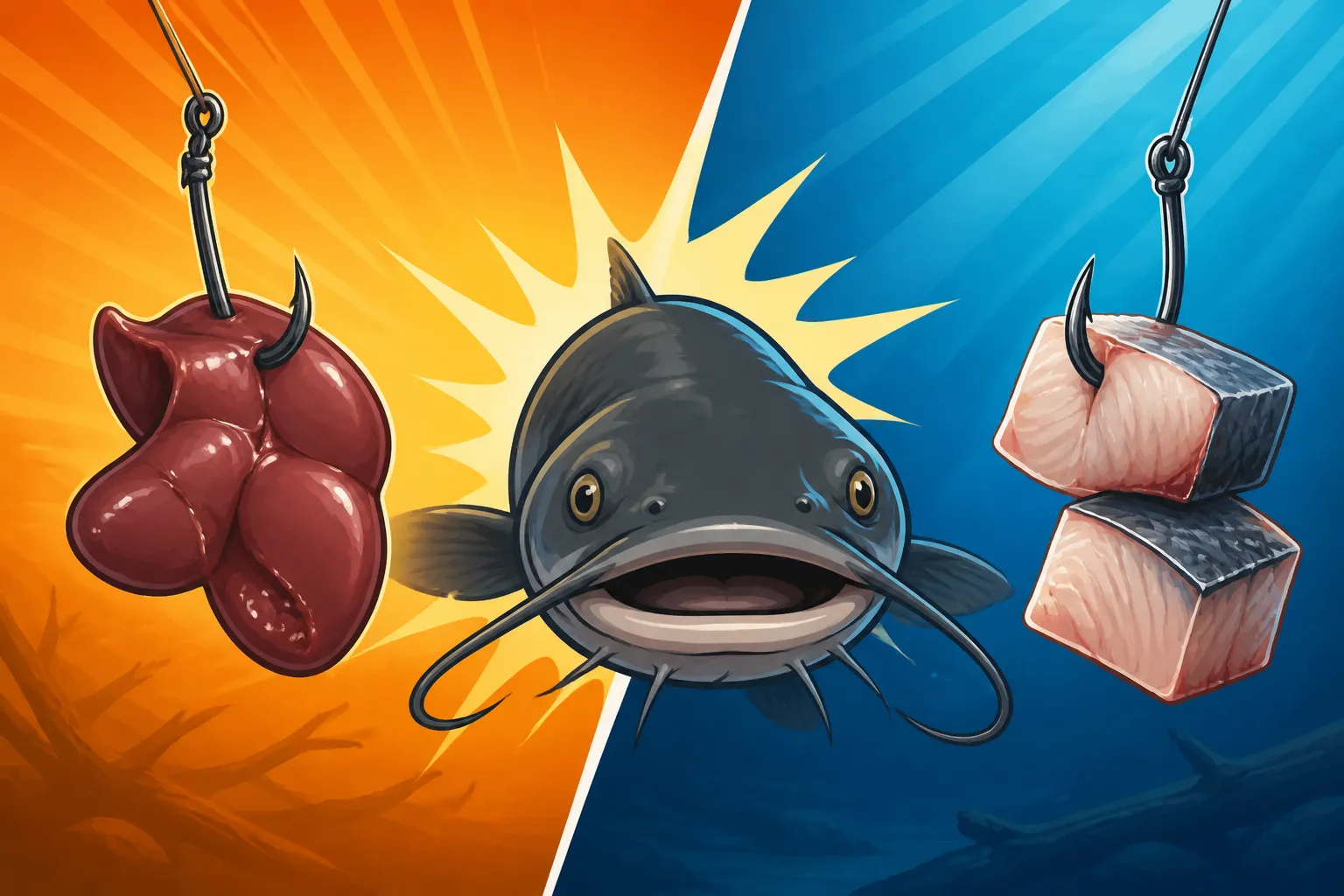
If you've ever found yourself staring at a tackle box, wondering which smelly, irresistible morsel will finally tempt that elusive Tennessee catfish, you're not alone. It's a classic angler's dilemma: do you go with the time-honored, pungent chicken liver, or opt for the more robust, natural appeal of cut bait? This guide is here to help you navigate that sticky, fishy decision, offering a deep dive into the pros, cons, and best practices for both beloved catfish baits so you can land more whiskered beauties on your next outing.
The Age-Old Debate: Chicken Liver's Charms
There’s just something about chicken liver that screams "catfish bait," isn't there? It’s been a go-to for generations of anglers, a rite of passage for many of us who grew up fishing the muddy banks of Tennessee's rivers and lakes. Its potent aroma seems to call out to catfish from afar, making it an incredibly popular choice, especially for those looking for a relatively easy and cost-effective bait option. But like anything in fishing, it comes with its own set of quirks.
Why Anglers Swear by Chicken Liver
The primary reason chicken liver holds such a special place in a catfisherman's heart is its intense scent. Catfish, particularly Channel Catfish, rely heavily on their sense of smell to locate food, especially in murky or stained water. That rich, strong, somewhat metallic odor of fresh chicken liver disperses quickly in the water, creating an irresistible scent trail that draws catfish in. It’s a bit like ringing the dinner bell for them. You can practically smell the bites coming! Beyond the scent, it's also incredibly accessible. Most grocery stores carry it, and you can even order it in bulk through retailers like Amazon if you're planning a serious multi-day trip or just want to stock up. It's usually quite affordable, too, which is a huge bonus when you're going through a lot of bait.
However, the very qualities that make it so attractive to catfish – its soft, delicate texture – are also its biggest downfall. It can be incredibly messy to handle, leaving your hands, clothes, and everything else in a sticky, reddish-brown state. And perhaps the most frustrating aspect for many anglers is how easily it can come off the hook during a cast or even when a smaller fish gives it a tentative nibble. There's nothing worse than reeling in an empty hook, knowing you've just wasted a prime piece of bait and possibly scared off a potential catch. Despite these frustrations, its effectiveness, especially for numbers of Channel Cats, keeps anglers coming back for more.
Rigging and Fishing with Chicken Liver
Successfully fishing with chicken liver requires a bit of finesse and the right tackle to mitigate its tendency to come off the hook. For most anglers, a treble hook is the weapon of choice. The multiple points help to hold the soft liver more securely than a single hook. You want to thread the liver onto the hook, making sure it’s well-secured and not just dangling. Some folks even use small bait holder hooks that have barbs on the shank to give the liver something extra to grip. If you're really struggling with it staying on, you can try wrapping it gently with a bit of thread or even a small piece of nylon mesh, like from a pantyhose, to create a little "bait sack" that keeps it intact. This technique is a lifesaver, especially if you're making longer casts.
When it comes to technique, bottom fishing is king with chicken liver. Catfish are typically bottom feeders, and presenting your bait directly on the bottom, or just slightly off it, is usually the most effective approach. A simple Carolina rig or a three-way swivel rig with a bell sinker can work wonders. If you're fishing in a river, allowing your bait to drift slowly along the bottom with the current can also be incredibly effective, spreading that scent trail even further. Just be prepared to re-bait frequently, particularly if there are a lot of bait stealers around. It's a sacrifice we often make for that potent, fish-attracting scent! For more insights on the appropriate gear, check out our guide on Best Rods for Catfish Fishing.
Cut Bait: The Versatile Contender
Stepping into the ring against chicken liver, we have cut bait – a more robust, often larger, and incredibly versatile option for targeting catfish. While chicken liver excels in scent, cut bait brings a more substantial offering to the table, often preferred by anglers chasing bigger, more aggressive catfish species. It’s about offering a natural food source that looks and feels like something a large predator would naturally hunt.
The Many Faces of Cut Bait
The beauty of cut bait lies in its variety and adaptability. Almost any smaller fish found in Tennessee waters can be transformed into effective cut bait. Shad, skipjack herring, bluegill, bream, and even carp are popular choices. The idea is to use a bait fish that naturally lives in the waters you’re fishing. This natural presentation can be incredibly effective because it’s what the local catfish are accustomed to eating. Unlike chicken liver, which is purely about scent, cut bait offers both scent and a visual cue, making it a powerful combination.
One of the biggest advantages of cut bait is its durability. It stays on the hook far better than chicken liver, allowing for more aggressive casting and resisting the nibbles of smaller fish without falling apart. This means less re-baiting and more time with your bait in the strike zone, especially when you're casting out for those patient, trophy-sized Blue Catfish or Flathead Catfish. You can also tailor the size of your cut bait to the size of the fish you're targeting – a small chunk for Channel Cats, or a large fillet for a monster blue. On the flip side, acquiring good quality cut bait can be more of a challenge. You often have to catch your own bait fish, which takes extra time and effort. While some bait shops sell frozen shad or skipjack, fresh is almost always better, requiring a separate bait-catching expedition before your main fishing trip. For a deeper dive into these species, our guide on Catfish Species Found in Tennessee Waters is a great read.
Preparing and Presenting Cut Bait
Proper preparation of cut bait is crucial for maximizing its effectiveness. When using fresh bait fish, you’ll want to cut it into chunks or strips that are appropriate for your target species. For Channel Catfish, a one-inch chunk might be perfect. For larger Blue Catfish, a three-inch fillet or a whole head might be the ticket. Leaving the skin on often helps the bait stay on the hook and provides extra scent glands. Some anglers prefer to "bleed" their bait fish, believing it enhances the scent. If you're using frozen cut bait, ensure it's fully thawed before fishing, as frozen bait can be stiff and less appealing.
Rigging cut bait is typically done with sturdy, sharp circle hooks or large J-hooks. Circle hooks are particularly popular for catfish because they're designed to hook in the corner of the fish's mouth, minimizing gut hooks and making release easier. Thread the hook through the thickest part of the cut bait, ensuring the hook point is exposed. A Carolina rig remains a favorite for presenting cut bait on the bottom, allowing your bait to move naturally with the current while keeping your weight on the bottom. When fishing rivers, a heavy no-roll sinker can prevent your rig from tumbling too much in the current, keeping your cut bait in a prime feeding lane. Whether you’re fishing from the bank or a boat, the principles remain the same: get that bait on the bottom where those big cats are looking for a meal. You can find more detail on this in our article on How to Catch Catfish From the Bank.
| Feature | Chicken Liver | Cut Bait |
|---|---|---|
| Scent | Very strong, disperses quickly | Strong, natural, varied by fish species |
| Durability | Very soft, falls off easily | Tougher, stays on hook well |
| Cost | Generally inexpensive | Varies; can be free if you catch your own |
| Availability | Easy to find (grocery stores, Amazon) | Requires catching bait fish or specialized bait shops |
| Target Fish | Excellent for Channel Catfish | Excellent for Blue Catfish, Flathead Catfish, larger Channel Cats |
| Mess Factor | Very messy to handle | Less messy than liver, but still fishy |
| Preparation | Minimal, just cut and hook | Requires cutting, sometimes bleeding/curing |
| Rigging | Treble hooks, bait holders, mesh bags | Circle hooks, large J-hooks |
Making the Call: When to Use Which
Deciding between chicken liver and cut bait isn't a matter of one being inherently "better" than the other. It's about understanding the conditions, what you're trying to catch, and where you're fishing. Think of them as different tools in your catfish angler's toolkit, each with its moment to shine. There are times when chicken liver is absolutely devastating, and other times when cut bait will out-fish it hands down. It really depends on the specifics of your fishing trip in Tennessee.
Factors to Consider: Water Conditions, Target Species, and Location
Let's talk about water conditions first. If you're fishing in murky, stained, or muddy water – common after heavy rains or in some of Tennessee's larger rivers like the Tennessee River – chicken liver's potent, far-reaching scent is a huge advantage. The catfish can't see well, so they rely almost entirely on their sense of smell to find food. That strong liver aroma cuts through the murk and guides them right to your hook. Conversely, if you're in clearer water, which you might find in some of the deeper sections of lakes like Norris Lake, cut bait might have an edge. Its visual presentation, looking like a distressed bait fish, can entice bites even when the scent isn't as critical.
Your target species is another major factor. If you're primarily after numbers of eating-sized Channel Catfish, especially in smaller ponds or slow-moving rivers, chicken liver is often incredibly effective. They're not usually as picky and are drawn to that intense scent. However, if your goal is to land a true trophy Blue Catfish or a elusive Flathead Catfish, especially in our larger reservoirs like Kentucky Lake or Chickamauga Lake, then cut bait is almost always the superior choice. These larger predators prefer a more substantial meal and often respond better to the natural appearance and texture of a piece of shad or bluegill. Our guide on Blue Catfish vs Channel Catfish Identification can help you differentiate between these species once you've got them on the line.
Finally, consider your location. In smaller, calmer ponds or slower stretches of creeks, chicken liver can be perfect. It doesn't need to withstand strong currents, and the catfish are often concentrated. In larger rivers or reservoirs with stronger currents, cut bait tends to stay on the hook better and can withstand the rigors of the moving water, ensuring your bait stays put and continues to attract fish.
My Personal Approach and a Hybrid Strategy
From my own experience fishing across Tennessee, I rarely head out for catfish without both options. There have been countless times when one bait outperforms the other significantly on a given day, and being adaptable is key. My personal approach often starts with chicken liver if I'm looking for consistent action and aiming for a mess of delicious Channel Cats for the frying pan. It’s hard to beat for quick bites, especially if you’re fishing with kids or just want to ensure some action.
However, if I'm targeting big blue cats on a lake like Watts Bar Lake, or searching for Flatheads in a deep river bend, cut bait becomes my primary choice. I'll often have multiple rods out, some with chicken liver to see if the Channel Cats are active, and others with large chunks of fresh cut bait, patiently waiting for that heavy thud of a monster cat. A fantastic strategy is to combine them. You could use a chicken liver on one hook of a two-hook rig and cut bait on the other, letting the fish tell you what they prefer that day. Sometimes, the initial strong scent of the liver draws them in, and then they spot the more natural cut bait. It's all about experimenting! Don't forget to review our article on the Best Time of Year to Catch Catfish to further optimize your trips.
Pro Tips for Maximizing Your Catfish Catch
Beyond just choosing the right bait, there are always little tricks and refinements that can seriously boost your catfish catch rate. It’s these subtle adjustments, born from experience and a little bit of angler intuition, that can make all the difference between a slow day and a banner day on the water.
Enhancing Your Bait's Appeal
Even the best bait can be made better! For chicken liver, some anglers like to "cure" it slightly by soaking it in garlic salt or flavored gelatin to firm it up and add even more scent. Others swear by commercially available liquid attractants specifically designed for catfish, which can be drizzled over your chicken liver or injected into your cut bait. These enhancers can be particularly useful in extremely muddy water, giving your bait an extra aromatic punch. When it comes to cut bait, freshness is paramount. The fresher the bait fish, the more natural blood and oils it will release, which are irresistible to catfish. If you're catching your own bait, try to use it as soon as possible. If you’re freezing it, vacuum seal it to maintain freshness.
Hook selection is also critical. Always use sharp hooks – a dull hook can easily lead to a missed strike. Match your hook size to your bait size; too small, and the fish might just pick at it; too large, and it could deter smaller, but still fun, fish. And remember, presentation matters. Whether you’re letting your bait drift naturally or holding it stationary on the bottom, try to make it look like an easy meal. This means using just enough weight to get it where you want it, but not so much that it looks unnatural.
Essential Gear and Setup Considerations
Having the right gear makes a huge difference in your success and enjoyment when catfishing. Heavy-duty rods and reels capable of handling strong fish and heavy weights are a must. A medium-heavy to heavy action rod, paired with a stout spinning or baitcasting reel spooled with strong monofilament or braided line, is ideal. Many seasoned anglers opt for braided line due to its strength and lack of stretch, which helps detect subtle bites. You'll also need a variety of sinkers to match different current conditions, from pyramid sinkers for strong currents to egg sinkers for a more natural drift.
Don't forget the small but mighty accessories! A good pair of pliers or a hook remover is essential for safely unhooking catfish, especially those with sharp fins and teeth. A sturdy landing net is invaluable for scooping up larger fish, preventing them from thrashing and getting away at the last second. And for those chicken liver days, a pack of wet wipes is your best friend to clean up the mess! You can find a lot of these essential items, from quality hooks to heavy lines, on Amazon, making it convenient to stock up before your next Tennessee fishing adventure. For more information on what counts as public water for licensing purposes or other rules, feel free to explore our guide on Tennessee Fishing Regulations Explained.
Disclaimer
This article is for general informational purposes only and does not constitute professional advice. Laws, prices and regulations vary by location and change over time. Consult a qualified professional for guidance on your specific situation.