How to Fish During a Full Moon
There's a common grumble among Tennessee anglers when the full moon rolls around: "The fish just aren't biting!" It’s easy to feel disheartened when your usual go-to spots seem barren, and your favorite lures get no love. But what if that bright moonlit night, or even the challenging days leading up to it, isn't a curse, but an invitation to switch up your strategy? This guide will dive into the fascinating world of full moon fishing, revealing how lunar cycles genuinely impact our finned friends and arming you with practical tactics to turn those 'tough' days into unforgettable catches on Tennessee waters.
Understanding the Full Moon's Influence on Fish Behavior
When that big, beautiful full moon lights up the night sky, it's doing a lot more than just creating a stunning backdrop for your evening. Its gravitational pull and the sheer amount of light it casts can significantly alter how fish behave, influencing everything from their feeding patterns to where they choose to hang out. It's not just folklore; there's real science and observable patterns at play.
The Lure of Lunar Cycles: Tides and Light
Even though Tennessee is a landlocked state, far from the ocean's dramatic ebb and flow, our waters aren't entirely immune to the moon's gravitational pull. Lakes and rivers experience what are known as "micro-tides" or lunar currents. While these aren't as visually striking as ocean tides, they can still create subtle water movements that influence baitfish and, consequently, the predators that hunt them. Picture a subtle shift in current in a large reservoir like Kentucky Lake or Watts Bar Lake; these changes, however slight, can aggregate baitfish in certain areas, setting the table for gamefish.
More significantly, the full moon floods the night with light. For nocturnal feeders, this is like turning on the stadium lights for a big game. Suddenly, the darkness that normally offers cover to predators becomes a brightly lit hunting ground. This enhanced visibility can extend feeding windows, making it easier for species that typically hunt by sight to pursue prey long after the sun has set. This shift means the cover of night, usually a prime feeding time for many species, becomes even more active. It's a fundamental change that often explains why daytime fishing around a full moon can feel so slow.
Nocturnal Feeding Frenzies and Daytime Lulls
This increased nocturnal light often leads to a phenomenon many anglers have observed: fish feeding more aggressively at night during a full moon. Imagine you're a bass in Chickamauga Lake, Tennessee's Top Bass Fishing Destination. With the full moon illuminating the water, you can hunt shad and other baitfish with greater efficiency throughout the night. You're expending energy, filling your belly, and generally being very active. By the time the sun rises, you've already had your big meal and are ready to retreat to deeper, cooler, and darker waters to rest and digest.
This is precisely why daytime fishing during a full moon can feel like such a struggle. The fish aren't "off the bite" in the sense that they're refusing to eat; they've simply done most of their eating when you weren't there, under the cover of moonlight. They become less active, seeking refuge from the bright sun and digesting their nighttime feasts. It's a perfectly logical biological response, and understanding it is the first step to turning your full moon fishing frustrations into success. Instead of battling unresponsive fish in the glaring midday sun, you might find more success by targeting specific times or even embracing the night.
Adapting Your Approach: Day vs. Night Full Moon Fishing
Once you understand why fish behave differently during a full moon, you can adjust your tactics to match their rhythm. This often means being more strategic with your timing and presentation, whether you're trying to coax a bite during the day or capitalize on the heightened activity after dark.
Daytime Strategies for Tough Conditions
So, the sun's up, the moon was out all night, and the fish seem to have lockjaw. Don't throw in the towel just yet! Daytime fishing during a full moon demands a different kind of patience and precision. Since fish have likely fed heavily overnight, they're not actively hunting as much. They're probably resting, digesting, and conserving energy. Your goal now is to present something irresistible right in front of them.
First, slow down your presentation. Forget ripping spinnerbaits through the water or covering vast expanses quickly. Think finesse. Light line, small baits, and subtle movements are often key. Consider using a Carolina rig or a shaky head worm, slowly dragging it along the bottom in deeper water. How to Fish a Carolina Rig for Largemouth Bass could offer some excellent tips for these conditions. Second, target structure and shade. Fish will seek out cover to rest and avoid the bright sunlight. Look for deep ledges, submerged brush piles, boat docks, or even large cypress trees on lakes like Reelfoot Lake that cast significant shade. Fish might be hunkered down here, waiting for more favorable conditions. Third, consider natural colors. With the water often clear under a full moon, fish can be more discerning. Opt for baits that mimic natural forage like crawfish, bluegill, or shad in subtle, muted tones. Patience is truly a virtue here; you might have to make many casts to a prime spot before eliciting a reaction strike.
Embracing the Night Bite Under a Full Moon
This is where the full moon truly shines for anglers in Tennessee – quite literally! If you're willing to brave the dark, you can often find some of the most exciting and productive fishing opportunities. The advantages of night fishing are numerous: cooler temperatures, less boat traffic (though some popular spots can get busy, especially for catfishing), and most importantly, highly active fish that are in full feeding mode.
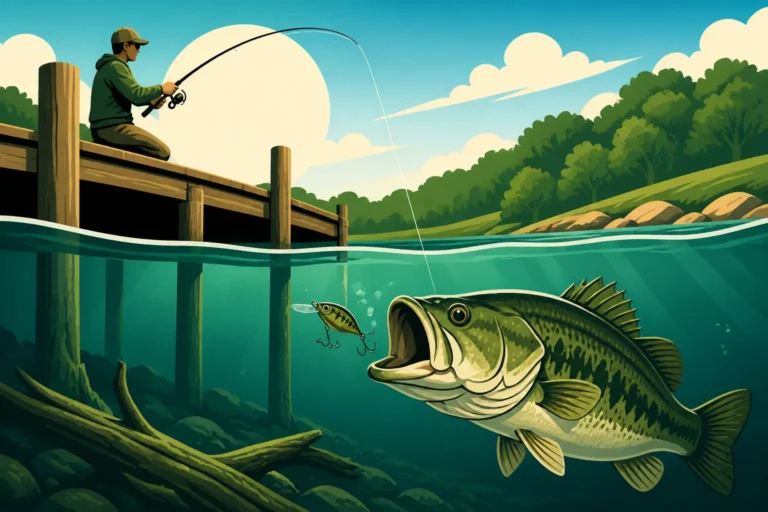
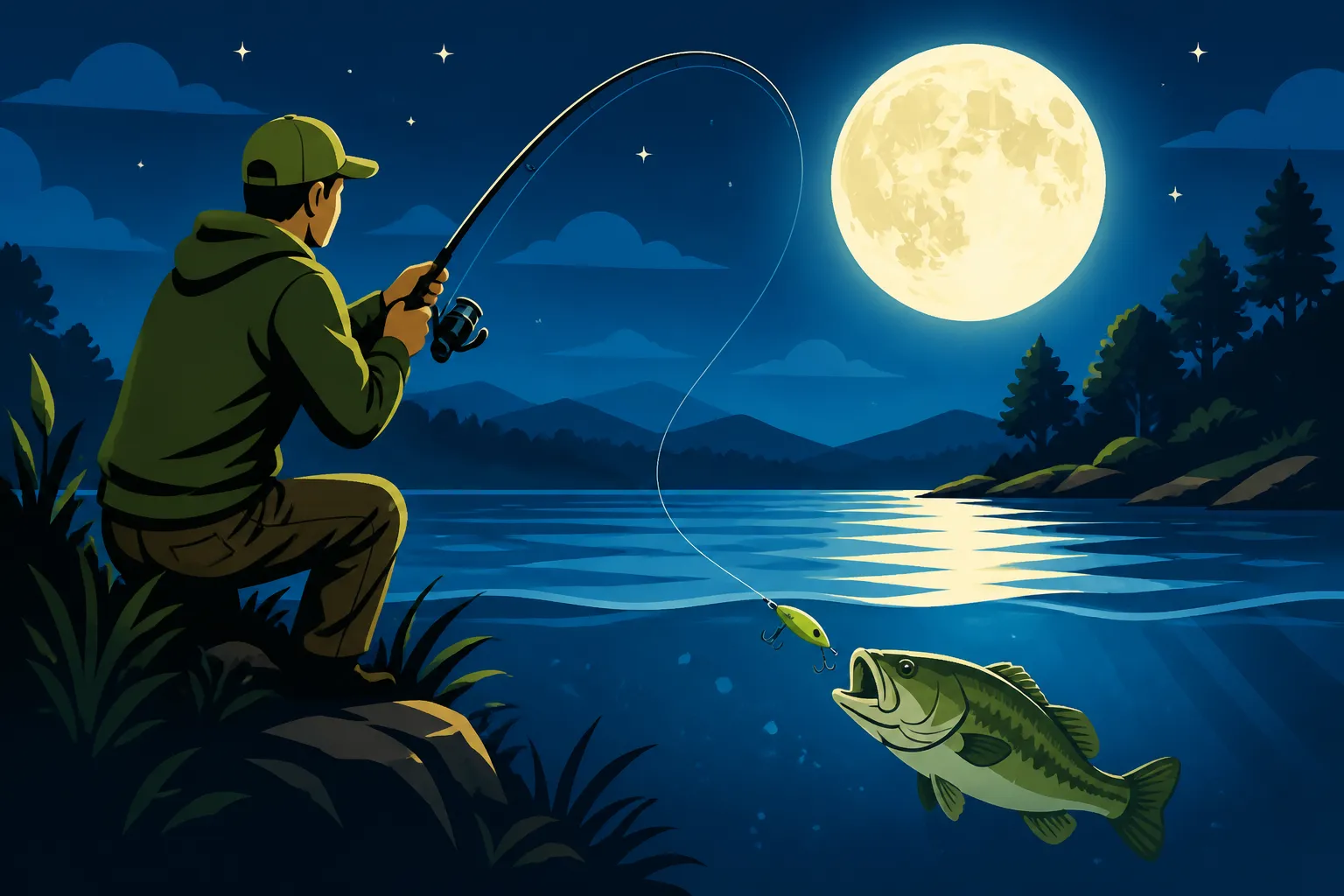
When the moon is bright, many predatory fish, especially bass, crappie, and catfish, will move into shallower water to hunt. Their enhanced nighttime vision, coupled with the cover of darkness (even moonlit darkness offers more cover than daylight), gives them a significant advantage over their prey. For bass, topwater action can be absolutely explosive. Large, noisy topwater lures like buzzbaits, poppers, or prop baits can draw violent strikes as bass ambush prey silhouetted against the moonlit surface. Topwater Lures for Early Morning Bass can inspire some great night options too. For crappie, using jigs under lights, or even glow-in-the-dark jigs, can be incredibly effective. Catfish, already highly nocturnal, will be on the prowl, making it an ideal time for How to Catch Catfish at Night using cut bait or stink baits near river channels or deep holes. Remember to adjust your retrieve speed; while some fish might be aggressive, others might still prefer a slower, more deliberate presentation that allows them to track the lure easily in the low light.
Key Species and Their Full Moon Responses in Tennessee
Different fish species react to the full moon in unique ways, mainly dictated by their natural feeding habits and sensitivity to light. Understanding these species-specific responses will help you fine-tune your approach for maximum success on Tennessee's diverse waters.
Bass Behavior During a Full Moon
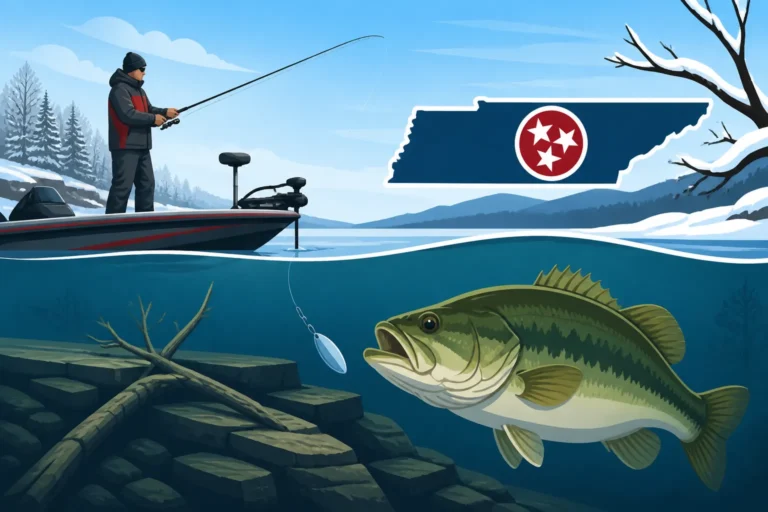
Bass, whether they're largemouth, smallmouth, or spotted bass, are typically sight-feeders. This means the abundance of light during a full moon can profoundly impact their activity. During the night, a bright full moon can trigger an extended, aggressive feeding period, especially in shallower waters. They'll actively hunt baitfish, crawfish, and anything else they can easily see and ambush. This is prime time for throwing big, dark-colored jigs, swimbaits, or noisy topwater lures that create a strong silhouette against the moonlit surface. Imagine fishing a place like Old Hickory Lake at midnight, hearing a huge smash on your topwater lure – that's the full moon effect in action.
However, once the sun comes up, these bass have usually filled their stomachs. They'll retreat from the bright, shallow areas they hunted all night and seek deeper, cooler water, often near significant cover. Think about deep timber, rock piles, or shaded bluffs on Norris Lake. During the day, they'll be far less active, making them harder to entice. You'll need to use finesse tactics, slow retrieves, and baits that fall directly into their strike zone without requiring them to chase much. This might include drop shots, shaky heads, or slowly worked jigs. Remember that Tennessee's Largemouth Bass Limit Is 5 Per Day, Only 1 Over 18 Inches, so keep an eye on those regulations.
Catfish and Crappie: Nighttime Opportunities
If there's one group of fish that truly shines under the full moon, it's catfish and crappie. Both species are well-known for their nocturnal tendencies, and the full moon often amplifies their feeding drive.
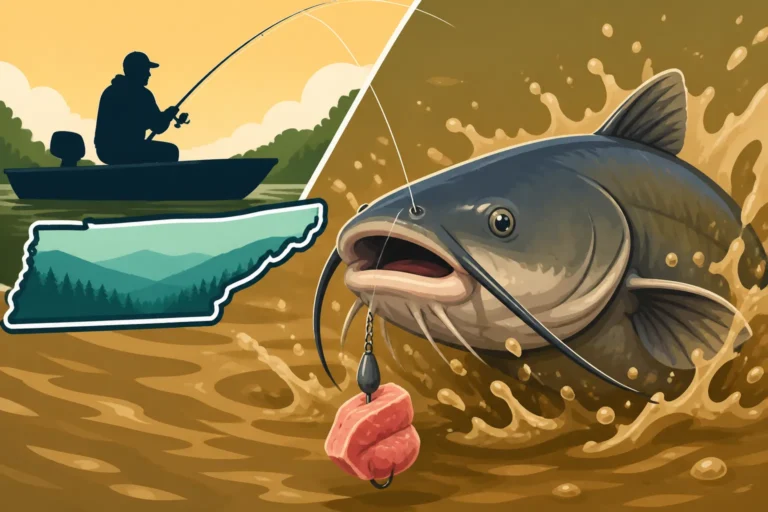
Catfish are already highly active after dark, using their barbels and keen sense of smell to locate food. The full moon merely extends and enhances this feeding window. You'll find channel, blue, and flathead catfish actively foraging in river channels, creek mouths, and even shallower flats where baitfish congregate. This is an ideal time to deploy traditional bottom-fishing rigs with stink baits, cut bait, or live bait like shad. Targeting points and humps on the Tennessee River system, especially areas with current, can be incredibly productive. Kentucky Lake Catfish Fishing Spots are legendary, and a full moon can make them even better. Make sure your gear is up to snuff; larger catfish can put up an incredible fight!
Crappie also become very active at night, especially around submerged brush piles, standing timber, and bridge pilings. They are drawn to light, so many anglers will use submersible lights or lanterns hung over the boat to attract baitfish, and in turn, crappie. A full moon provides a natural, widespread light source that can help aggregate crappie into shallower areas to feed. Vertical jigging with small jigs (especially glow-in-the-dark or chartreuse colors) or slow-trolling with minnows are highly effective techniques. The key is finding their comfort zone, which often means hovering just above structure. Remember Tennessee's Crappie Limit Is 20 Per Day, Only 5 Over 12 Inches, so be mindful of your catch.
Trout in Full Moon Streams
Trout species like rainbow, brown, and brook trout, particularly those in clearer, colder streams in East Tennessee such as the Caney Fork River or the streams of the Great Smoky Mountains, can be a bit trickier under a full moon. They are generally more sensitive to light than bass or catfish. During the day, the bright sun after a full moon night can make them very wary and push them into deeper pools or under heavy cover. Stealth is paramount if you're fishing during daylight hours. Small nymphs, emergers, or dry flies presented with delicate accuracy are often your best bet for fly anglers.
However, during dawn and dusk transitions, or on cloudy nights where the moon's glare is diffused, trout can become quite active. Brown trout, in particular, are known for their nocturnal feeding habits and might be more willing to chase larger streamers or even mouse patterns after dark or in very low light. The moon's light can help them spot larger prey. For spin fishermen, small inline spinners or spoons might work during these low-light periods. Always check specific stream regulations, as Tennessee Trout Limits and Season Rules can vary, especially in managed trout waters.
Essential Gear and Safety Tips for Full Moon Fishing
Fishing under a full moon, especially at night, requires more than just knowing when and where to cast. It demands specific gear for success and, critically, a heightened awareness of safety. Don't let the excitement of a potential nighttime bite overshadow the need for proper preparation.
Must-Have Gear for Night Angling
Night fishing is a whole different ballgame compared to daylight hours. Visibility is drastically reduced, which means you need to rely on your other senses and specialized equipment. Here's what I always recommend having on hand:
- Headlamps and Lanterns: A good headlamp is non-negotiable. It keeps your hands free for tying knots, baiting hooks, or unhooking fish. A powerful lantern on your boat or near your bank setup provides broader ambient light, making it easier to see your surroundings. Look for models on Amazon that offer red light options, as red light preserves your night vision better.
- Gloves: Handling fish, especially toothy ones like catfish or larger bass, can be trickier in the dark. A good pair of fishing gloves provides grip and protection.
- Reflective Tape and Markers: If you're fishing from a boat, ensure your navigation lights are working perfectly. For bank fishing, consider marking your path to the water's edge with reflective tape or small, solar-powered lights on Amazon. This makes returning to your vehicle much safer.
- Glow-in-the-Dark Lures/Lights: For crappie and even some bass, glow-in-the-dark jigs, plastic worms, or even small clip-on lights for your bobbers can make a huge difference in attracting fish. These can be easily found on Amazon.
- Sturdy Line: You're often dealing with larger, more aggressive fish in low light, especially if you're targeting those full moon feeding frenzies. Make sure your line is fresh and of appropriate strength for your target species.
- Net with a Long Handle: Landing a fish in the dark can be challenging. A net with a long handle increases your reach and makes it safer to bring your catch aboard or to shore.
Having these items will not only boost your chances of success but also significantly enhance your safety and comfort during your full moon adventure.
Navigating Tennessee Waters Safely After Dark
Safety is absolutely paramount when fishing after dark. The familiar landscapes of your favorite fishing spots can become disorienting, and unseen hazards become much more dangerous.
- Know Your Spot: Never fish a new spot for the first time at night. Stick to areas you know intimately during the day – every stump, rock, and drop-off. If you're Fishing From the Bank vs a Boat, be extra cautious of uneven terrain, slippery banks, and unseen obstacles.
- Tell Someone Your Plans: Always inform a friend or family member of your exact fishing location and estimated return time. This is standard practice for any solo trip but becomes even more critical at night.
- Boating Safety: If you're on a boat, ensure all your navigation lights (red/green bow lights and white stern light) are fully operational. Carry extra batteries for all your electronics and lights. Always wear your personal flotation device (PFD), or at least have it easily accessible, especially when underway. Tennessee Life Jacket and PFD Rules for Boaters are there for a reason, and they apply doubly so in the dark. Be extra vigilant for other boats that might not be as well-lit or observant.
- Wildlife Awareness: Nocturnal animals are out and about. Be aware of snakes, raccoons, and other critters that might be near the water's edge. Store food securely to avoid attracting unwanted attention.
- Weather Check: Always check the weather forecast before heading out. Conditions can change rapidly, and being caught in a storm in the dark is a dangerous situation.
A successful night of full moon fishing is one where everyone goes home safely, with or without a full cooler. Prioritize your well-being, and the memories of battling fish under the glow of the moon will be that much sweeter. For a full breakdown, check out Essential Safety Gear Checklist Before a Tennessee Fishing Trip.
Full Moon Fishing Strategies: Day vs. Night & Species
| Condition | Target Species | Daytime Strategy (Full Moon) | Nighttime Strategy (Full Moon) | Recommended Lures/Bait | Key Considerations |
|---|---|---|---|---|---|
| Full Moon Day | Bass | Slow, finessing baits; target deep structure (ledges, brush piles, docks) & heavy shade. | N/A (focus shifts to night or low light) | Shaky head worms, drop shots, jigs, natural-colored soft plastics. | Extreme patience, subtle presentations, very slow retrieve, accurate casting. |
| Crappie | Deep brush piles, standing timber; vertical jigging, slow trolling; often a tough bite. | N/A | Small jigs, minnows; often small and subdued colors. | Look for deep thermal breaks or structure where they feel safe from light. | |
| Catfish | Deep channels, large holes, current breaks; wait for long bites. | N/A | Cut bait, stink bait, chicken liver presented on the bottom. | Catfish are less affected by daylight than other species but may be less active. | |
| Trout (Streams) | Target deep pools, heavy cover; delicate presentations of small nymphs/dry flies. | N/A | Small nymphs, emergers, tiny dry flies; natural, muted colors. | Highly sensitive to bright light; very spooky. Focus on dawn/dusk transitions if possible. | |
| Full Moon Night | Bass | N/A (peak activity shifts to night) | Target shallow flats, points, cover (docks, stumps); aggressive, noisy presentations. | Large topwater lures (buzzbaits, poppers), dark jigs, swimbaits, spinnerbaits. | Explosive strikes, less pressure, cooler temperatures. Use bright headlamps for safety. |
| Crappie | N/A | Target shallow structure (brush piles, timber) near lights; vertical jigging or slow trolling. | Glow-in-the-dark jigs, minnows, small tube jigs; submersible lights. | Crappie drawn to light; can be a fantastic bite. Watch for Dawn and Dusk Fishing Patterns for Crappie. | |
| Catfish | N/A | River channels, creek mouths, flats; active foraging. | Large cut bait, live bait (shad), stink baits; heavy bottom rigs. | Catfish activity significantly increases. Prime time for trophy catches. | |
| Trout (Streams) | N/A | Dusk/dawn transitions, overcast nights; larger streamers or mouse patterns. | Large streamers, mouse patterns, dark wet flies. | Best in streams known for nocturnal brown trout. Use caution in slippery streams. |
Disclaimer
This article is for general informational purposes only and does not constitute professional advice. Laws, prices and regulations vary by location and change over time. Consult a qualified professional for guidance on your specific situation.