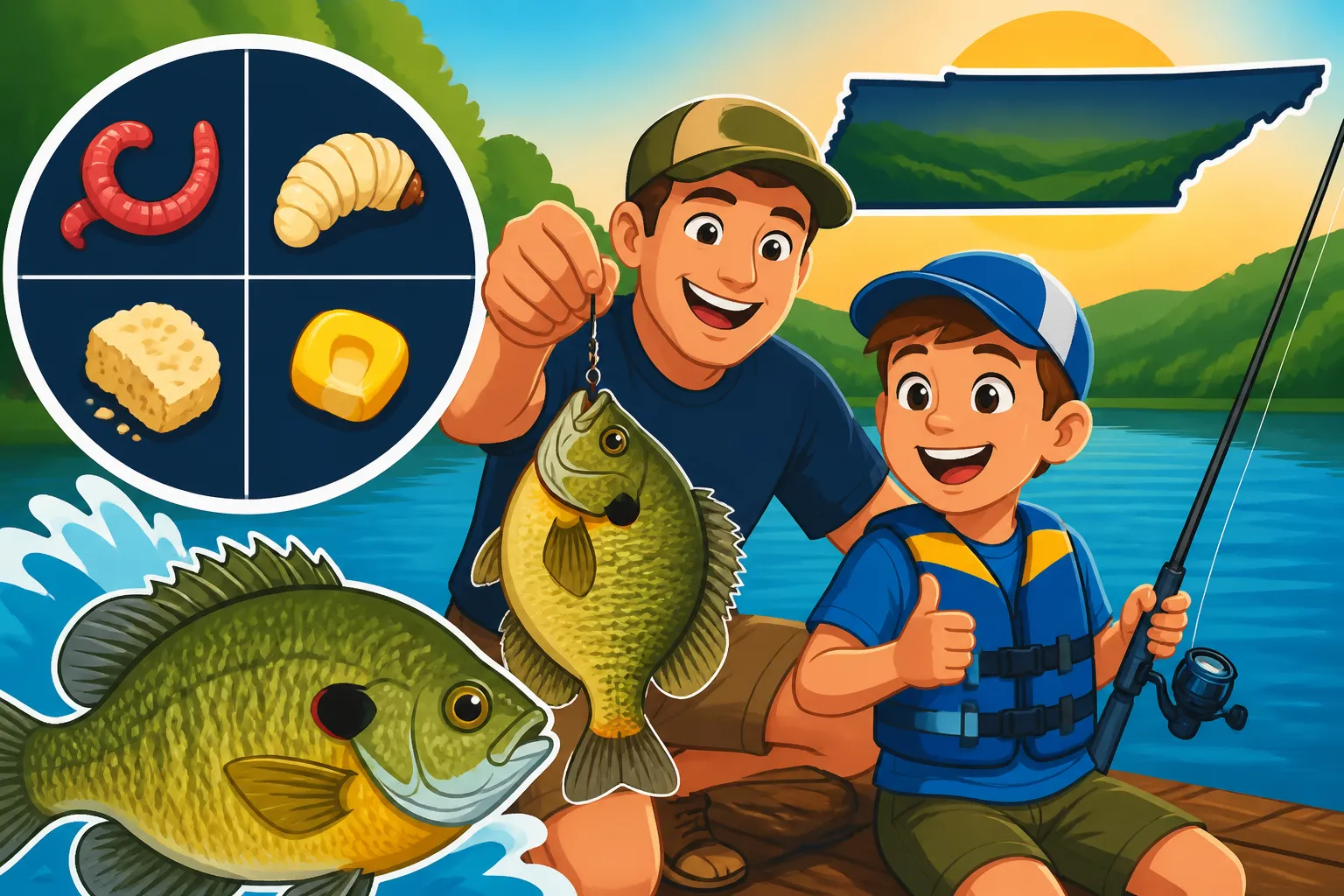
Best Bait for Bream Fishing With Kids
One of the biggest joys of fishing is sharing it with the next generation, but let's be honest, nothing kills a kid's enthusiasm faster than endless waiting or complicated tackle. If you're looking for a foolproof way to introduce your little ones to the magic of the water and guarantee some exciting action, focusing on bream with the right bait is your golden ticket. This guide will walk you through the absolute best baits to keep those young anglers hooked, quite literally, on fishing in Tennessee.
Why Bream Are Perfect for Kids (and Parents!)
There's a reason why so many of us started our fishing journey with a cane pole and a bucket of worms, specifically targeting those eager bream. They're an incredible fish to introduce children to the sport, and honestly, they're just plain fun for adults too.
The Joy of Consistent Bites
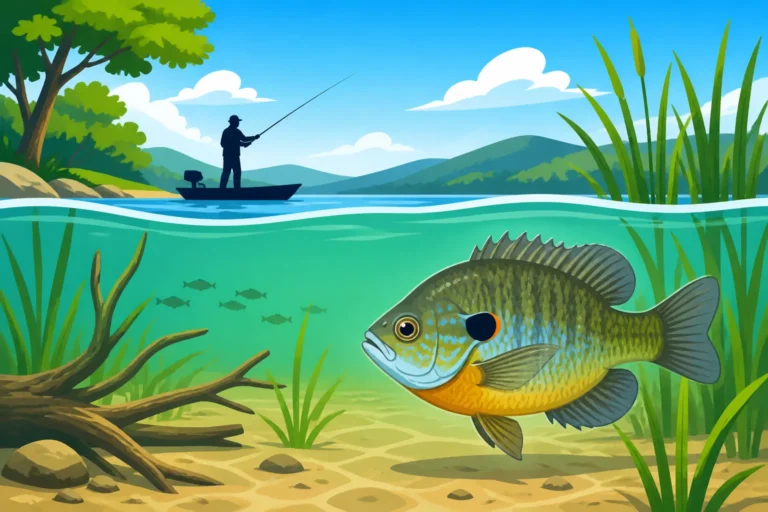
Kids have short attention spans, and a fishing trip where nothing happens is a recipe for boredom and disappointment. That's where bream truly shine. Species like bluegill, shellcracker (redear sunfish), and other sunfish are notoriously aggressive eaters, especially when they're hungry. You're not usually waiting hours for a bite; often, it's just minutes, sometimes seconds! This consistent action is crucial for keeping kids engaged, excited, and feeling successful. Every bobber dip and every tug on the line reinforces the fun, building a positive association with fishing that can last a lifetime. It’s not just about catching the biggest fish, it’s about the thrill of feeling that bite and reeling in something. You'll find that these eager panfish are often found in numbers, so once you locate a school, the action can be non-stop, which is exactly what a young angler needs.
Easy to Find, Easy to Catch
Bream aren't picky about their habitat or their diet, making them incredibly accessible targets. You don't need fancy boats or expensive electronics to find them. They thrive in virtually every body of water across Tennessee, from small farm ponds and local creeks to the vast waters of lakes like Percy Priest Lake Fishing Near Nashville, Tennessee or even the backwaters of Chickamauga Lake. Look for them around shallow, vegetated areas, docks, fallen trees, and lily pads – places where they can find cover and food. They’re often found close to the bank, which means bank fishing for beginners is a great way to start. Their aggressive nature means they'll hit a wide variety of baits with gusto, reducing the need for perfect presentation or advanced techniques. This simplicity means less frustration for both the child and the supervising adult, making for a much more enjoyable day out on the water. For more specific guidance on where to cast your line, check out our guide on Where to Find Bluegill in Shallow Water.
Top Natural Baits for Bream
When it comes to bream fishing with kids, nothing beats the classics. Natural baits are often the most effective because they mimic what bream already eat, and they provide a sensory experience (digging for worms!) that kids love.
The Unbeatable Worm
Ah, the humble worm. It's the quintessential bait for a reason, especially for bream. Worms are alive, they wiggle enticingly in the water, and they emit a natural scent that bream can't resist. Plus, they're surprisingly durable on the hook, meaning fewer re-baits for you.
- Types of Worms:
- Red Wigglers (Compost Worms): These are probably the best all-around worm for bream. They're small, active, and can be found cheaply at bait shops, garden stores, or even in your compost pile. Their vibrant color and constant wiggling motion are a major attractant. You can often buy them in bulk, and some bait suppliers even sell them on Amazon if you want to stock up ahead of time.
- Nightcrawlers: While larger, nightcrawlers can also work wonders. You might need to break them into smaller pieces (about an inch long) so the bream can fit them in their mouths and so they don't overpower a small hook. The scent trail from a freshly cut nightcrawler is often irresistible.
- How to Rig Them: For kids, simplicity is key. Thread a small piece of worm onto a small hook (size 8 or 10 is usually perfect), making sure to cover the barb. Don't worry about making it look "natural" – a wiggling clump is often more than enough. You want just enough worm to cover the hook and provide some action without being so large that the fish can nibble it off without getting hooked.
- Sourcing: Bait shops are your easiest bet. Many gas stations and convenience stores near popular fishing spots will also carry them. Or, if you want a fun pre-fishing activity, grab a flashlight after a rain shower and hunt for nightcrawlers in your yard!
Crickets and Grasshoppers
There's something about a cricket's chirping call that just screams summer, and it turns out, bream agree! Crickets and small grasshoppers are fantastic live baits, especially when bream are feeding on insects that fall onto the water's surface.
- Why They Work: Their natural buoyancy means they'll float enticingly near the surface, and their frantic kicking when they hit the water is an immediate signal to hungry bream. This makes them ideal for a simple bobber rig.
- How to Hook Them: This might take a bit of gentle handling, but it's worth it. Hook a cricket carefully through the "collar" behind its head, or lightly through the thorax. For a grasshopper, a similar method through the tough back section is best. The goal is to keep them alive and wiggling as long as possible, as their movement is a primary attractant.
- Sourcing: Live crickets are readily available at most bait and tackle shops, and often at pet stores (they're sold as reptile food). Catching grasshoppers with a net can be a fun adventure for kids before the actual fishing begins, adding another layer of outdoor excitement to the day.
Dough Balls and Corn
If you're looking for an alternative that's less "icky" for some kids (and maybe for you!), or if you want to try a homemade approach, dough balls and corn are surprisingly effective.
- Dough Balls: You can make these at home with simple ingredients like flour, water, and a bit of flavoring (vanilla extract or garlic powder can sometimes enhance their appeal). The beauty of dough balls is their versatility; you can make them to your desired size and consistency, and they release a scent into the water that can draw bream in. The downside is they can come off the hook easily with vigorous casting or strong currents, so they work best in calmer waters.
- Corn: Yes, plain old canned corn! Bream absolutely love it. The bright yellow kernels are visually appealing, and they have a sweet scent that fish are curious about. It's incredibly easy for kids to bait a hook with a single kernel of corn, and it’s inexpensive. While it might not have the lively action of a worm, it’s surprisingly effective, especially in heavily fished areas where fish might be more accustomed to non-natural baits.
- When to Use Them: These baits are excellent for still water, like local ponds or calm coves on larger reservoirs. They also work well for bank fishing for bream, where long casts aren't necessary. These options also tend to keep mess to a minimum, which is a bonus when fishing with younger children.
Artificial Baits That Work Wonders
While natural baits are often king for bream, don't underestimate the power of small artificial lures. They can be incredibly fun to fish, teach kids basic retrieval techniques, and often last longer than live bait, which means less re-baiting for you!
Tiny Jigs and Spinners
Introducing kids to casting and retrieving can be a blast with small jigs and spinners. These lures are designed to imitate small insects or baitfish, and bream can be very aggressive towards them.
- Tiny Jigs: Think micro-jigs, often 1/32 or 1/64 ounce. These come in a huge array of colors, from bright chartreuse and pink to more natural greens and browns. The key is to select a jig with a very small hook appropriate for a bream's mouth. You can often find multi-packs on Amazon that offer a variety of colors and weights, perfect for experimenting.
- Retrieval: Teach your child a slow, steady retrieve, perhaps with a slight jigging motion. Bream will often strike as the jig falls or during a pause in the retrieve. It's a great way to introduce the concept of lure action.
- Colors: Start with bright colors like yellow, chartreuse, or white, as these are highly visible. On cloudy days or in darker water, darker colors like black or purple might stand out better.
- Spinners: Small in-line spinners, like those from popular brands, are excellent for bream. Their rotating blade creates flash and vibration in the water, drawing attention from a distance.
- Action: A consistent, slow-to-medium retrieve is usually all it takes. The blade should be spinning smoothly. Kids love seeing the blade flash in the water, and the vibrations can be exciting. Again, you can pick up assortments of these on Amazon to get a good starter kit.
- Size: Stick to smaller sizes, typically 0 or 1. Anything too large will be difficult for bream to strike effectively.
- Why for Kids: These lures teach hand-eye coordination (casting) and the importance of a steady retrieve. Plus, they can be reeled in and cast again very quickly, keeping the action going.
Soft Plastics and Grubs
Soft plastic baits, especially small grubs and creature baits, are incredibly versatile and can be highly effective for bream. They offer a more subtle presentation than spinners but still have enticing action.
- Types: Look for tiny curly-tail grubs (1-2 inches), small tubes, or even micro creature baits that mimic aquatic insects. Colors like chartreuse, white, pink, and even clear with glitter can be very productive.
- How to Rig: These are typically rigged on a tiny jig head, similar to the tiny jigs mentioned above. Make sure the plastic is straight on the hook to ensure it swims properly. A simple jig head of 1/32 or 1/64 ounce is ideal.
- Presentation: These can be fished similarly to jigs – cast out and slowly reeled in with occasional pauses or twitches. They can also be suspended under a bobber and twitched occasionally, giving them a lifelike action without constant reeling. This is a great way to introduce kids to different types of lure movements and what makes a fish bite. For specific techniques, check out our guide on Best Bait for Bluegill and Panfish.
Rigging It Right for Little Hands
Having the best bait in the world won't matter if the rigging is too complicated or prone to tangles. Simplicity and durability are the names of the game when fishing with kids.
Simple Bobber Rigs
The classic bobber rig is, without a doubt, the easiest and most effective setup for kids fishing for bream. It's visual, provides immediate feedback, and keeps the bait at the right depth.
- Components: You'll need a bobber (the red and white plastic clip-on kind are perfect), a small split shot weight, and a small hook.
- Assembly:
- Tie your hook to the end of your fishing line using a simple knot (like an improved clinch knot).
- Pinch a small split shot weight onto the line about 6-12 inches above the hook. This helps sink the bait.
- Clip your bobber onto the line anywhere from 1 to 4 feet above the split shot, depending on the water depth you're fishing.
- Why it Works for Kids: When a fish bites, the bobber dips, giving an undeniable visual cue. This is exciting for kids and teaches them when to set the hook. It also keeps the bait suspended, preventing it from getting snagged on the bottom. For a step-by-step visual, our article on How to Rig a Bobber for Bluegill is a fantastic resource. Consider a rod and reel combo that’s easy for small hands to manage; you can often find decent, inexpensive sets on Amazon.
Hook Sizes and Line Choices
The right tackle makes all the difference in minimizing frustration and maximizing success.
- Hook Sizes: For bream, smaller hooks are essential. A size 8 or 10 hook is generally perfect. These hooks are small enough to fit easily into a bream's mouth, increasing your chances of a solid hookset. Larger hooks often result in missed bites as the bream can nibble off the bait without getting hooked. Avoid anything larger than a size 6.
- Line Choices: Light monofilament line, typically 4 to 6-pound test, is ideal. It's strong enough to handle bream, but thin enough to be less visible in the water. Monofilament is also more forgiving than braided line, which can be prone to tangles if not handled carefully. For beginners, a slightly heavier line (6-pound) can be a good choice as it's less prone to breaking if a snag occurs.
Comparing Baits for Kid-Friendly Bream Fishing
To help you decide which bait might be best for your next family fishing adventure, here's a quick comparison:
| Bait Type | Pros | Cons | Kid-Friendly Rating | Best For |
|---|---|---|---|---|
| Red Wigglers | High action, strong scent, very effective, stays on hook well. | Can be "icky" for some, requires handling live bait. | 5/5 | All conditions, guaranteed bites. |
| Nightcrawlers | Strong scent, good action (when cut), widely available. | Must be cut for bream, can be messy. | 4/5 | Deeper water, larger bream. |
| Crickets | Excellent surface action, natural, exciting visual strike. | Can be tricky to hook, might jump off, short shelf life. | 4/5 | Topwater action, calm mornings/evenings. |
| Canned Corn | Clean, easy to bait, inexpensive, appealing color and scent. | Less action, can fall off hook easily, less durable. | 4/5 | Still water, less mess. |
| Dough Balls | Customizable, inexpensive, less "icky" than worms, good scent. | Can fall off hook easily, less durable than worms, messy. | 3/5 | Calm water, budget-friendly. |
| Tiny Jigs | Reusable, teach casting/retrieval, wide color variety. | Requires active retrieval, less "feel" for bites for beginners. | 3/5 | Introducing lure fishing, active kids. |
| Soft Plastics | Reusable, subtle action, versatile rigging, less messy. | Can be harder to feel subtle bites, requires specific jig heads. | 3/5 | Advanced beginners, calm water. |
Making the Most of Your Family Fishing Trip
Remember, the goal of fishing with kids isn't just to catch fish, but to create lasting memories and foster a love for the outdoors. Even if the fish aren't biting constantly, enjoy the time together. Pack plenty of snacks, drinks, and maybe a few non-fishing activities just in case attention spans wane.
Don't forget to check the local regulations for Youth Fishing License Rules in Tennessee or Do Kids Need a Fishing License in Tennessee. While younger children are often exempt, it's always good to be prepared. Simple rigs, like the ones discussed in Simple Bluegill Rig for Kids, are key. Consider visiting Best State Park Fishing Spots for Family Outings for accessible, well-maintained locations. You might also want to read up on Best Time of Day to Catch Bream to maximize your chances, or check out our general guide on How to Catch Bluegill From the Bank for easy access fishing. And if you're looking to upgrade your basic setup, a trip to a local tackle shop or a browse through Amazon for Best Fishing Gear for Beginners can help ensure you have all the essentials for a successful and fun outing.
No matter what bait you choose, the real catch is the experience you're sharing. Happy fishing, y'all!
Disclaimer
This article is for general informational purposes only and does not constitute professional advice. Laws, prices and regulations vary by location and change over time. Consult a qualified professional for guidance on your specific situation.