How to Catch Bream in Summer
Ah, summer! There's nothing quite like the feeling of a warm breeze on a Tennessee lake, but sometimes that intense heat can make bream fishing feel like an impossible puzzle. Many anglers find themselves frustrated when their usual go-to spots dry up or the fish just aren't biting like they do in spring. This guide is all about cutting through that summer struggle, helping you understand where bream go when the mercury rises, what gear truly makes a difference, and the best techniques to ensure your cooler fills up even on the hottest days.
Understanding Bream Behavior in Tennessee's Summer Heat
Summer fishing for bream, often referred to as bluegill, redear sunfish, or shellcrackers in our neck of the woods, requires a bit of a mindset shift. They aren't going to be in the same easy-to-find spots as they were during the spring spawn. The Tennessee sun can be relentless, and just like us, fish look for ways to beat the heat. Knowing their summer habits is the first step to a successful day on the water.
Where Bream Hide When Waters Warm Up
When those shallow spawning beds become too warm, bream don't just disappear; they relocate to more comfortable climes. Think about what we seek out when it's scorching hot: shade, cooler temperatures, and perhaps a good meal. Bream are no different. They'll often move to deeper waters, seeking the thermocline where the water stays cooler and more oxygenated. This might mean dropping down to 8-15 feet, sometimes even deeper in larger reservoirs like Kentucky Lake or Watts Bar Lake.
But "deeper" isn't always just open water. Bream are structure-oriented fish, meaning they love to hang around anything that offers cover and a potential ambush point. Submerged timber, rock piles, drop-offs, and even the shade cast by overhanging trees or docks become prime real estate. If you're fishing from the bank, look for those shady spots under bridges, alongside boat docks, or where fallen trees have created a brush pile near the shore. These aren't just places to hide from predators; they also offer a slightly cooler microclimate and a buffet of insects and baitfish. Identifying these spots is crucial for success, especially if you're trying to figure out How to Find Bluegill in Shallow Water when they're not quite as shallow as you'd think.
The Impact of Summer Water Temperature on Bream Activity
Water temperature is arguably the single most important factor influencing fish behavior, especially for species like bream. As the surface water heats up dramatically in Tennessee summers, it affects their metabolism and oxygen levels. Warmer water holds less dissolved oxygen, which can make fish sluggish and less inclined to chase bait. This is why you often find them hunkering down in cooler, deeper water where oxygen levels are more stable.
Imagine trying to run a marathon in the middle of a hot summer day; you'd probably prefer a leisurely stroll in the evening, right? Fish are similar. Their activity levels often decrease in the hottest part of the day, leading to what many anglers call the "midday doldrums." This doesn't mean they stop eating entirely, but their feeding windows become shorter and often shift to cooler times. Understanding How Water Temperature Affects Fish Activity is key to planning your fishing trips around their natural rhythms rather than fighting against them. A thermometer, easily found on Amazon, can be a valuable tool to check water temps at different depths and help you zero in on the sweet spot.
Why the Midday Sun is Often a Bust for Bream
If you've spent a few summer afternoons baking in the Tennessee sun with nary a bite, you're not alone. The midday sun, while glorious for sunbathing, is often the enemy of active bream fishing. Beyond the discomfort of warm water and lower oxygen, the bright overhead sun makes bream feel exposed to aerial predators like ospreys and herons. They become more cautious, holding tighter to cover, and are less willing to venture out for a meal.
This extreme caution translates into lighter bites, if any at all. You might feel a tiny nibble, but it's often a tentative peck rather than the aggressive pull you get in cooler conditions. For us anglers, it means casting into direct sun or open water is often a waste of time. Instead, focusing on heavily shaded areas or waiting for the sun to dip lower in the sky often yields far better results. It's not about giving up, but rather understanding that the fish are simply adjusting to their environment, and we need to adjust our strategies right along with them.
Essential Gear and Bait for Summer Bream
You don't need a boatload of fancy equipment to catch bream, but having the right tools can make a world of difference, especially when they're a bit more finicky in the summer. It's all about matching your gear to the size of the fish and the conditions you're facing.
Light Tackle for a Fun Fight
When it comes to bream, lighter tackle isn't just a suggestion; it's practically a requirement for maximum enjoyment and detection of those subtle summer bites. A lightweight spinning rod, typically in the ultralight to light action range, about 5 to 6 feet long, is ideal. Pair this with a small spinning reel, something in the 1000 or 2000 size, spooled with 4 to 6-pound test monofilament or fluorocarbon line. Monofilament is often preferred for its stretch, which can prevent tiny hooks from pulling out of a bream's soft mouth, and its ability to float, which is helpful when using a bobber.
The sensitivity of light tackle allows you to feel those faint taps and subtle pulls that often indicate a bream has picked up your bait. Plus, even a feisty half-pound bluegill feels like a monster on ultralight gear, adding a thrilling challenge to every catch. If you're a beginner, starting with an easy-to-handle setup is key, and this kind of gear is perfect for Best Fishing Gear for Beginners. Many excellent entry-level combos are available at sporting goods stores or online platforms like Amazon, making it easy to get started without breaking the bank.
Tried-and-True Baits That Bream Can't Resist
Bream are not particularly picky eaters, but some baits are definitely more effective than others, especially in summer. The key is often to offer something small, natural, and enticing.
- Live Worms: Hands down, earthworms or red wigglers are king. Their natural scent and wiggling action are irresistible. Small pieces work best; you don't need a whole nightcrawler for a bream. Just a small section, maybe half an inch to an inch, threaded onto a small hook is often all it takes.
- Crickets: Many seasoned bream anglers swear by crickets, especially for shellcrackers and larger bluegill. Their chirping sound isn't what attracts them in the water, of course, but their delicate appearance and taste are a hit. You can often buy them by the dozen at bait shops.
- Mealworms and Waxworms: These are fantastic alternatives, especially if you find worms too messy or crickets too jumpy. They're hardy, stay on the hook well, and are incredibly appealing to bream. You can find these in pet stores or many bait shops.
- Small Artificial Lures: While live bait is tough to beat, tiny jigs (1/32 to 1/64 oz) tipped with a small plastic grub or even just a bare jig head can be very effective, especially when fished under a bobber. Popular colors include chartreuse, white, and black. Tiny spinners can also provoke a strike.
When choosing bait, remember to keep it scaled to the size of a bream's mouth. Too big, and they'll just nibble around it. For more detailed insights into what tempts these panfish, check out our guide on Best Bait for Bluegill and Panfish.
Must-Have Accessories for Comfort and Success
Beyond your rod and reel, a few extra items will significantly improve your summer bream fishing experience, especially under the relentless Tennessee sun.
- Sun Protection: This is non-negotiable. A wide-brimmed hat, sunglasses, and high-SPF sunscreen will protect you from sunburn and heatstroke. Long-sleeved, lightweight fishing shirts are also a blessing.
- Cooler with Drinks and Snacks: Staying hydrated is critical. Pack plenty of water, sports drinks, and easy-to-eat snacks. A small cooler can also keep your bait fresh, especially live worms.
- Small Tackle Box: A compact tackle box is perfect for bream fishing. Stock it with extra hooks (size 6-10 are common), sinkers (split shot or small bullet weights), bobbers (pencil or small round bobbers work well), and maybe a few small jigs or artificial grubs. Don't forget a small pair of pliers or forceps for hook removal. You might even adapt some tips from a Tackle Box Setup for Crappie Fishing since crappie and bream often share similar tackle needs.
- Chair or Bucket: If you're bank fishing, a comfortable folding chair or even a five-gallon bucket (which can double as tackle storage) will make those longer waits much more bearable.
- Fishing Net: A small, fine-mesh net can be invaluable for landing larger bream, especially if you're using ultralight line and a feisty fish puts up a good fight.
- Stringer or Livewell: If you plan on keeping your catch, a stringer or a small livewell bucket will keep your bream fresh until you're ready to head home.
- Bug Spray: Especially when fishing at dawn or dusk near still water, mosquitoes and other biting insects can be a real nuisance. A good bug spray, easily purchased on Amazon, is a smart addition to your kit.
Having these essentials will make your time on the water more enjoyable and productive, allowing you to focus on the fishing rather than swatting bugs or squinting into the sun.
Effective Techniques for Catching Summer Bream
Summer bream fishing is less about power and more about finesse. Since the fish are often deeper and more lethargic, your techniques need to be subtle and precise. It's about presenting the bait naturally and patiently waiting for that gentle tap.
Mastering the Bobber and Worm Rig
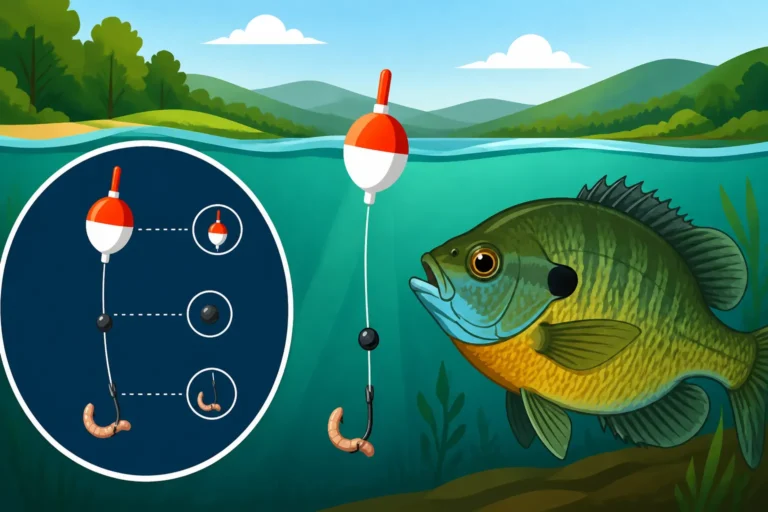
The classic bobber and worm rig is a time-tested method for a reason, and it's incredibly effective for summer bream, especially when they're suspended off the bottom or hiding in cover. The beauty of this rig is its simplicity and visual strike indication.
Here's how to set it up:
- Tie on a Hook: Start with a small, sharp hook (sizes 6 to 10 are ideal). A Aberdeen hook is a good choice as it's lightweight and often has a longer shank, making baiting easier.
- Add a Split Shot: About 6-12 inches above your hook, crimp on a small split shot weight. This helps your bait sink and keeps it in the strike zone, but not so heavy it pulls your bobber under prematurely. The exact weight will depend on the size of your bait and the current.
- Attach a Bobber: Place a small bobber, either a slip bobber or a fixed clip-on, above the split shot. The depth you set your bobber will be crucial. In summer, you'll often need to set it deeper than you might think—anywhere from 3 to 15 feet, depending on where the bream are holding. Start around 5-7 feet and adjust from there. If you're fishing from the bank near a drop-off, a longer leader might be necessary to get to their depth.
- Bait Your Hook: Thread a small piece of live worm, a cricket, or a mealworm onto the hook, ensuring the hook point is exposed for a better hook set.
Once set up, cast your rig near promising structure or shady areas. Watch your bobber intently. A bream bite can be anything from a gentle dip to a full disappearance. For a more detailed walkthrough, check out How to Rig a Bobber for Bluegill. This method is fantastic for new anglers and kids, as it provides instant gratification when that bobber goes down!
Subtle Approaches for Skittish Summer Bream
In the bright, warm conditions of summer, bream can be incredibly skittish. Loud noises, heavy splashes, or even your shadow cast over the water can send them scattering. This means you need to adopt a more subtle, stealthy approach.
- Quiet Entry: Approach your fishing spot quietly, whether you're walking the bank or easing your boat into position. Avoid stomping, dropping gear, or making sudden movements.
- Soft Casts: Instead of lobbing your bait out with a heavy splash, try to make soft, accurate casts that gently land your bait in the water. This is where a lighter rod and reel really shine.
- Natural Drift: If fishing in a light current, let your bobber and bait drift naturally. Don't fight the current; instead, let it carry your bait into potential hiding spots. This mimics how natural food sources would move.
- Minimal Movement: Once your bait is in the water, resist the urge to constantly reel in and recast. Let it sit for a few minutes. Summer bream might take their time to investigate and commit to a bite. If nothing happens after 5-10 minutes, slowly reel in a foot or two, or gently twitch your rod tip to give the bait a little action, then let it sit again.
Sometimes, simply scaling down your line size can make a huge difference, as thinner lines are less visible in clear summer water. Consider fluorocarbon leaders if your main line is monofilament, as fluorocarbon is nearly invisible underwater.
Targeting Structure and Shade
As we discussed, summer bream are magnets for structure and shade. Your fishing strategy needs to revolve around finding and effectively fishing these areas.
Key areas to focus on:
- Docks and Piers: These structures provide overhead shade and often have submerged posts and brush piles where bream congregate. Cast your bobber rig as close to the pilings as possible, or even under the dock if you can manage a skip cast.
- Overhanging Trees: Where tree branches hang over the water, they create cool, shaded pockets. Insects often fall from these trees, providing a natural food source. Cast your bait right at the edge of the shade line or directly into it.
- Submerged Brush Piles and Timber: These underwater havens are fantastic. If you have a fish finder, use it to locate these hidden gems. If not, look for visual cues like dead trees on the bank that might extend underwater. Be prepared to lose a few hooks to snags, but the reward can be worth it.
- Drop-offs and Ledges: Where the bottom contour sharply changes, deeper, cooler water is often found. Bream will stage on these ledges, waiting for food to pass by. Fan cast along the edge of these drop-offs, varying your depth until you find where the fish are holding.
- Boat Ramps and Bridges: These man-made structures provide both shade and hard cover. You might be surprised at how many fish hold near boat ramps, especially if there are rocks or debris nearby.
When targeting these areas, patience is your greatest ally. Make repeated casts to the same productive spot. A small, subtle change in your bait's depth or presentation can sometimes trigger a strike from an otherwise uninterested bream. For those fishing from a boat, navigating these spots can be easier, but bank anglers can also find success by focusing on shore-based cover and shaded areas. Many Tennessee State Park Fishing Spots offer excellent access to such structures.
Summer Bream Baits & Their Best Use
| Bait Type | Best For |
|---|---|
| Red Wigglers (small pieces) | All bream species, especially when fished under a bobber near structure. Excellent all-around choice. |
| Crickets | Larger bluegill and shellcrackers. Good when bream are actively feeding on surface insects. |
| Mealworms/Waxworms | General bream fishing, good alternative to worms or crickets. Stay on the hook well, great for casting into cover. |
| Small Jigs (1/32-1/64 oz) | Active bream, or when needing to probe deeper structure. Tip with soft plastic or a piece of worm for added attraction. |
| Tiny Spinners | Covering water quickly, or when fish are chasing small baitfish. Good for redbreast sunfish. |
Timing Your Summer Bream Adventures
Timing is everything in summer fishing. While you can catch bream throughout the day, certain windows offer significantly better chances of success. Understanding these prime times and how weather affects them will drastically improve your catch rate.
The Golden Hours: Early Morning and Late Evening
Just like many other fish species, bream are most active during the cooler parts of the day, making early morning and late evening the "golden hours" for summer fishing.
- Dawn Patrol: As the sun rises and starts to warm the air, the water is still at its coolest from the night. This often triggers a strong feeding bite. Bream will move out from their deeper, shadier retreats to shallower feeding grounds, actively looking for breakfast. This period, roughly from dawn until 9 or 10 AM, can be incredibly productive. The low light also makes them feel more secure and less wary of predators.
- Dusk Delight: Similarly, as the sun begins to set and the day's heat starts to dissipate, bream become more active again. From about an hour or two before sunset until dark, they'll often move back into shallower areas to feed before retreating for the night. The waning light provides excellent cover, and often, insects become more active, drawing the bream to the surface or near vegetation.
Fishing during these times not only increases your chances of catching fish but also makes the experience much more enjoyable for you! Avoiding the scorching midday sun means more comfortable fishing. This aligns perfectly with the guidance found in Best Time of Day to Catch Bream, which emphasizes these cooler periods.
Reading the Weather for Optimal Bream Bites
Beyond the time of day, paying attention to the weather forecast can give you a significant advantage. Bream, like most fish, respond to atmospheric pressure, cloud cover, and approaching storms.
- Cloudy Days: These are a gift in summer! Overcast skies diffuse the sunlight, reducing glare and making bream feel less exposed. This can extend their active feeding periods beyond the usual golden hours, allowing you to catch them more consistently throughout the day.
- Approaching Storms: Just before a thunderstorm rolls in, there's often a noticeable drop in barometric pressure. Many anglers report that fish, including bream, become very active during this time, feeding aggressively. It's almost as if they know bad weather is coming and they need to get a meal in before things get rough. Just be sure to heed all safety warnings and get off the water if lightning or severe weather is imminent.
- Stable High Pressure: While usually meaning clear skies and hot temperatures, prolonged periods of stable high pressure can make fish a bit more predictable. They'll settle into their summer patterns, making your search for deep, shady structure more consistent. It's the sudden changes that often throw them off.
Keep an eye on that forecast. A little planning can turn a slow day into a memorable one, confirming that How Rain Affects Fish Feeding Patterns and other weather phenomena are worth monitoring.
Adjusting to Post-Rain Conditions
A summer rain shower, especially a good, long one, can completely reset the fishing conditions and often lead to an excellent bream bite. Don't be discouraged by rain; learn to embrace its aftermath.
- Cooler Water Inflows: Rainwater is typically cooler than the lake or pond water it's falling into. This influx of cooler water, especially near creeks, culverts, or runoff areas, can drop localized water temperatures, attracting bream seeking more comfortable conditions.
- Increased Oxygen: Rain also churns the surface of the water, increasing dissolved oxygen levels, which can invigorate sluggish fish.
- Washed-In Food: Perhaps most importantly, rain washes all sorts of terrestrial insects, worms, and organic matter into the water from the banks. This creates a natural buffet for bream, drawing them into areas near the shore where runoff enters the lake or stream.
After a summer rain, focus your efforts around these inflow points. The fish will often be concentrated there, actively feeding on the newly available food. The water might be a little muddier, but bream don't mind a bit of stained water, especially if it means a cooler temperature and an easy meal. This is a prime example of how you can adapt your approach to How Water Temperature Affects Bass Feeding and other species, including our beloved bream, during different seasons.
Disclaimer
This article is for general informational purposes only and does not constitute professional advice. Laws, prices and regulations vary by location and change over time. Consult a qualified professional for guidance on your specific situation.