Why Fish Bite Better at Dawn
There's nothing quite like the feeling of hitting the water, casting your line, and expecting that tell-tale tug, only for the fish to seemingly ignore every offering. It can be incredibly frustrating to spend hours on a lake or river with little to show for it. If you've ever wondered why some anglers seem to have all the luck, especially in the wee hours, you're not alone. This guide will dive deep into the fascinating reasons why fish often bite better at dawn, helping you unlock the secrets to more successful early-morning fishing trips in Tennessee.
The Science Behind the Golden Hour: Why Dawn Favors Fish Activity
That brief window just as the sun peeks over the horizon, often called the "golden hour" by photographers, is equally golden for anglers. It’s not just a beautiful time to be on the water; it's a period when a confluence of natural factors aligns perfectly to trigger increased fish activity and, consequently, better bites. Understanding these elements can transform your fishing strategy.
Light Levels and Fish Vision
As the night gives way to day, the light levels slowly transition from darkness to increasing brightness. For many fish species, particularly predatory ones like bass, this low-light environment provides a distinct advantage.
Think about it: many of the smaller baitfish and forage species, like minnows and shad, become more active and less wary during these dim conditions. Their natural camouflage is less effective, and their predators, equipped with superior low-light vision, can stalk and ambush them more easily. It's a prime hunting window where the odds are tilted in the predator's favor. As the sun gets higher and brighter, these prey fish often seek cover, and the larger game fish tend to follow them into deeper, shadier haunts. If you're targeting species like largemouth bass, this is often the Best Time of Day to Catch Bass It's a narrow window where they are actively patrolling shallower waters, looking for an easy meal before the sun dictates a change in strategy.
Stable and Optimal Water Temperatures
During the overnight hours, especially in the warmer months, surface water temperatures begin to cool down. As dawn approaches, the water column often reaches its most stable and comfortable temperature range for fish before the sun begins to warm things up again.
Dramatic temperature swings can put fish off their feed, making them lethargic or driving them to seek thermal refuge. But at dawn, after a night of gradual cooling, the water is often at an ideal, consistent temperature. This stability encourages fish to move, forage, and digest more actively. This principle is key to understanding How Water Temperature Affects Fish Activity, as fish are ectothermic, meaning their body temperature is regulated by their environment. A comfortable, stable environment means they're not expending energy trying to find a more suitable temperature zone, leaving them more energy for hunting and feeding. In spring and fall, these ideal temperatures can extend for longer periods, but in summer, dawn offers a crucial reprieve from the mid-day heat.
Increased Forage Activity
It's not just the big fish that are more active at dawn; their food sources are also in full swing. This combination creates a feeding frenzy opportunity that anglers can exploit.
Many insect hatches, particularly those that occur on the surface of the water, tend to peak around dawn. This provides a readily available meal for panfish, trout, and even smaller bass. Furthermore, baitfish, which have often been hiding from nocturnal predators, start to venture out from their covers to feed on plankton and smaller invertebrates. This movement by forage fish signals a feast to larger game fish. Imagine a school of shad flickering just below the surface, oblivious to the lurking bass. It's a natural buffet, and the game fish are there to partake. This is especially true for species like crappie; if you're looking for Dawn and Dusk Fishing Patterns for Crappie, you'll find that these low-light periods are when they are most aggressively chasing baitfish. The natural rhythms of the food chain are at their most vibrant during this transition from night to day.
Less Angler Pressure and More Seclusion
Beyond the biological advantages for the fish themselves, dawn also offers a significant perk for the angler: less competition and more tranquil waters. If you're someone who appreciates peace and quiet along with productive fishing, then rising early is definitely for you.
The Early Bird Catches the Worm (or the Fish)
It’s a simple truth that fewer people are willing to brave the pre-dawn chill and darkness. This means that if you're out there, you're likely to have the best spots all to yourself, or at least share them with far fewer fellow anglers.
Less boat traffic means less noise, fewer wakes disturbing the water, and fish that haven't been spooked by continuous casting and motor sounds. Fish can be incredibly wary, and consistent human activity can drive them deeper or make them much harder to entice. When you're the first one on the water, you're presenting your bait to fish that are more comfortable, more confident, and less likely to shy away. This can dramatically increase your chances of a bite. It also makes for a much more serene experience, allowing you to truly immerse yourself in the natural beauty of Tennessee's lakes and rivers. For beginners trying to learn How to Fish From the Bank for Beginners, early mornings offer a less intimidating environment to practice without feeling crowded.
Capitalizing on Calm Waters
Dawn often brings with it some of the calmest water conditions of the day, particularly on larger reservoirs or open lakes. This stillness isn't just aesthetically pleasing; it's a practical advantage for stealthy anglers.
Flat, glassy water allows for quieter approaches, whether you're paddling a kayak or slowly easing your boat into a cove. Your casts will be more accurate, and your lure presentations will be more natural, without being tossed around by wind-generated chop. Moreover, calm conditions mean you can visually spot subtle disturbances on the surface, like rising fish, schooling baitfish, or even the tell-tale swirl of a feeding predator. This visual information is invaluable for identifying active feeding zones. Imagine seeing a bass break the surface in pursuit of a shad; that's your cue to cast precisely into that strike zone. Calm water also enhances the effectiveness of topwater lures, which can be absolutely deadly in low-light, tranquil conditions, mimicking struggling baitfish perfectly.
Practical Tips for Mastering Dawn Fishing in Tennessee
Alright, so you're convinced that dawn is the time to be on the water. But how do you maximize your chances and make those early morning trips truly count? It's all about preparation and having the right approach.
Essential Gear for Early Morning Trips
Being prepared for the transition from dark to light, and potentially from cool to warmer temperatures, is key. Your gear needs to be adapted for these conditions.
First and foremost, a reliable headlamp is non-negotiable. You'll need it for navigating to your spot, rigging your rod, and tying knots in the dark. Make sure it has a red-light option; red light is less disruptive to both your night vision and the fish. Layered clothing is also crucial. What feels chilly before sunrise can quickly become warm as the sun ascends. A good waterproof outer layer is always a wise choice, especially if you're dealing with morning dew or unexpected splashes. Don't forget a thermos filled with coffee or tea – it's a small comfort that makes a big difference. When it comes to lures, consider those that create a strong profile or vibration in low light. Darker colors (like black, blue, or junebug) can provide better contrast against the still dim sky, making them easier for fish to see. For topwater action, lures that cause a lot of commotion—poppers, buzzbaits—are excellent. If you're unsure where to start, looking for "Best Lures for Early Morning Bass". You can find a wide variety of these essential items on platforms like Amazon, from headlamps to specialized low-light lures. Just ensure you're geared up for the comfort and safety that come with fishing in the dark before dawn.
Target Species and Techniques for Dawn
While many species are more active at dawn, some truly shine during this period in Tennessee waters. Knowing what to target and how can lead to impressive results.
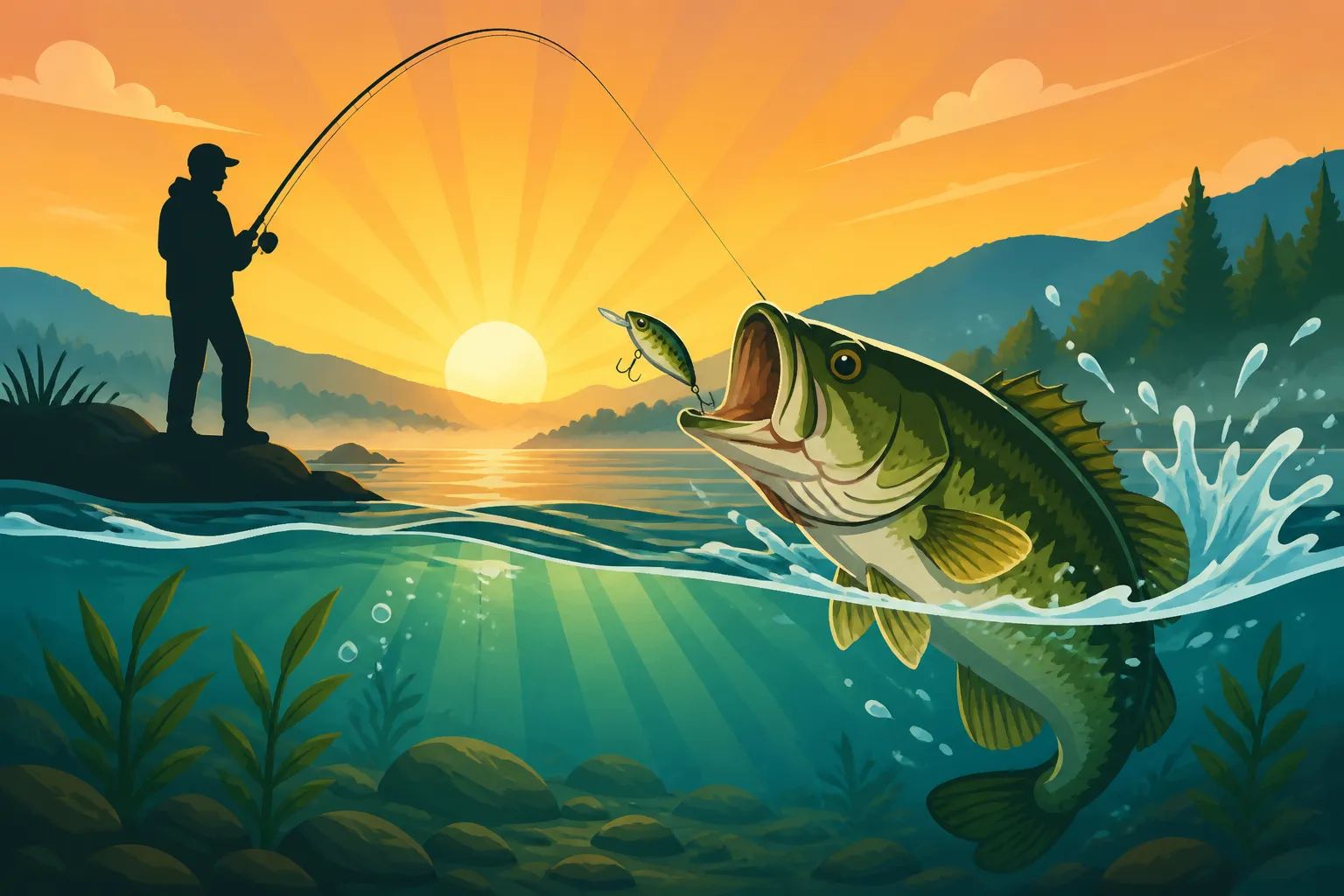
Bass (Largemouth, Smallmouth, Spotted): Dawn is arguably the best time for bass, especially for topwater action. Cast poppers, buzzbaits, or walking baits near cover like lily pads, submerged timber, or dock pilings. As the light increases, switch to spinnerbaits, chatterbaits, or shallow-running crankbaits. Focus on the shallow flats adjacent to deeper water, points, and creek channels where bass will be ambushing baitfish. Understanding Tennessee Bass Fishing Seasons and Patterns will further refine your approach.
Crappie: Similar to bass, crappie become very active feeding on baitfish and insects in low light. They often move shallower to feed. Vertical jigging small jigs or minnows around brush piles, submerged trees, or bridge pilings can be incredibly effective. Spider rigging with multiple rods at various depths can help you locate their preferred feeding zone. For specific insights, check out the Tennessee Crappie Fishing Guide by Season.
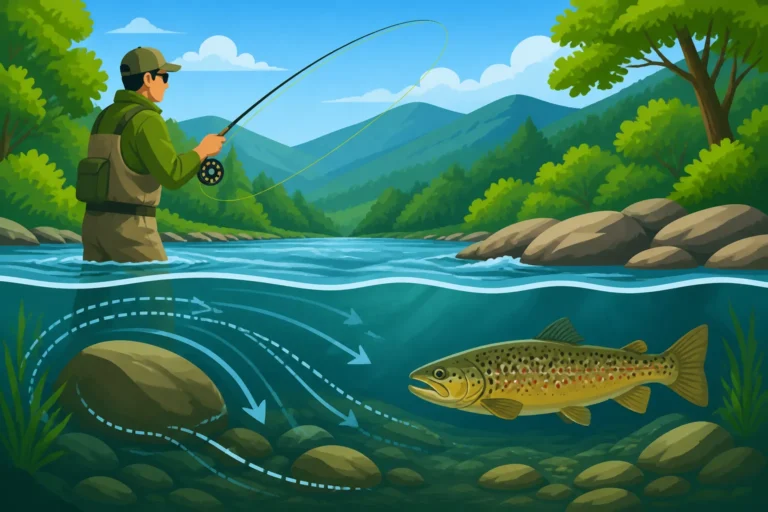
Trout (Rainbow, Brown, Brook): In the cold, clear waters of Tennessee's mountain streams, trout are particularly opportunistic feeders at dawn. Fly anglers will find excellent dry fly opportunities as insects begin to hatch, or can drift nymphs and small streamers. Spin anglers can use small inline spinners or spoons, casting upstream and retrieving with the current. This is a magical time to be on the water, especially in places like the Great Smoky Mountains. Learning about the Tennessee Trout Fishing Season Explained can help you plan your trips.
Catfish: While catfish are often thought of as nocturnal, many species remain active or even increase their feeding as dawn breaks, especially large channel and blue catfish. They'll be on the prowl for baitfish that are becoming more active. Bottom fishing with cut bait, chicken livers, or nightcrawlers in deeper holes or along river channels can yield big results.
Planning Your Dawn Fishing Expedition
Success at dawn isn't just about showing up; it's about meticulous planning that starts long before your alarm clock buzzes. A well-thought-out approach ensures safety, efficiency, and a more enjoyable experience.
Scout Your Spots Before Sunrise
You don't want to be fumbling around in the dark, trying to figure out where to cast or where hidden hazards might lie. This is where scouting comes in handy.
If you can, visit your chosen fishing spot during the daytime a day or two before your trip. Take note of access points, potential hazards (like submerged rocks or shallow areas), and key structures like brush piles, docks, or creek channels that might hold fish. Knowing the layout of the land (or water) in daylight will make your pre-dawn approach much safer and more efficient. Identify where the sun will rise and how that might impact shadows and fish positioning. Understanding the specific characteristics of places like Best Fishing Spots Near Nashville, Tennessee can be invaluable. Even if you're fishing from a boat, identifying safe launch points and travel lanes in advance is critical. A quick check of a satellite map or a local fishing report can also help you pinpoint productive areas.
Prepare the Night Before
The last thing you want to do at 4 AM is untangle lines, search for lost lures, or realize your boat battery isn't charged. Preparation the night before saves precious time and prevents headaches.
Charge all your electronics: boat batteries, trolling motor batteries, fish finder, phone, and headlamp. Organize your tackle box for the species you intend to target, making sure all your hooks are sharp and your lines are fresh. If you’re a kayak angler, having all your Best Kayak Fishing Gear for Tennessee Anglers neatly packed and ready to go can shave valuable minutes off your launch time. Pack your snacks, drinks, and that essential thermos. Lay out your clothes for the morning, including layers for warmth. Tie on your first few lures or rigs so you're ready to make your first cast as soon as you hit the water. Check the weather forecast one last time, paying attention to wind speed and direction, as well as any chance of precipitation. Being fully prepared allows you to focus solely on fishing when that prime dawn window opens, rather than scrambling to get ready.
The Dawn Fishing Advantage in Summary
Fishing at dawn offers a unique combination of biological and environmental factors that converge to create some of the best fishing opportunities of the day. From the low-light conditions that favor predatory fish and the stable, optimal water temperatures, to the increased activity of forage and the reduced pressure from other anglers, nearly everything aligns in your favor. By preparing adequately, understanding the science, and using species-appropriate techniques, you can transform your early morning outings into highly successful and incredibly rewarding experiences on Tennessee's beautiful waters. So set that alarm, brew that coffee, and get ready to witness the magic of a fishing sunrise.
| Factor | Dawn | Mid-day |
|---|---|---|
| Light Levels | Low, gradually increasing. Favors predator vision and stealth. | High, direct sunlight. Can drive fish deeper or into heavy cover. |
| Water Temp. | Stable, often optimal after overnight cooling. Encourages activity. | Rising, can become too warm in summer. May cause fish to seek cooler depths. |
| Forage Activity | High. Baitfish, insects, and other prey are often very active. | Can be lower, as prey seek cover from predators and bright light. |
| Angler Pressure | Low. Fewer boats, less noise, and unpressured fish. | High. More boats, human activity, and spooked fish. |
| Fish Activity | High. Actively feeding, patrolling, and less wary. | Lower. Often seeking deeper water, shade, or becoming lethargic. |
Disclaimer
This article is for general informational purposes only and does not constitute professional advice. Laws, prices and regulations vary by location and change over time. Consult a qualified professional for guidance on your specific situation.