Best Bait for Fishing in Muddy Water After Rain
That feeling when you've planned a perfect fishing trip to one of Tennessee's incredible lakes or rivers, only for a sudden downpour to turn your crystal-clear waters into a murky chocolate mess. It's truly disheartening, and many anglers just pack it in, figuring the fish won't bite in such conditions. But I'm here to tell you that muddy water after rain doesn't have to mean a ruined day! Fish are still there, they're still hungry, and with the right bait and a little adjustment to your technique, you can absolutely turn those challenging conditions into a successful outing. This guide is all about equipping you with the knowledge and confidence to tackle those turbid waters head-on.
Understanding Muddy Water and How Fish React
When heavy rain hits, especially after a dry spell, it washes all sorts of sediment and debris into our beautiful Tennessee waterways. This sudden influx of runoff drastically changes the aquatic environment, and it definitely impacts how fish perceive their world and, more importantly, how they feed. Many anglers mistakenly believe fish simply stop biting, but it's more about how their primary senses shift.
The Impact of Turbidity and Current
The most obvious effect of heavy rain is increased turbidity – the cloudiness of the water. This dramatically reduces visibility, turning a fish's primary sense, sight, into a much less effective tool for hunting. Imagine trying to find your dinner in a pitch-black room; that's essentially what a bass or crappie is dealing with. Sunlight penetration is also reduced, creating a darker environment even during the day, which can make fish feel more secure in shallower areas they might normally avoid.
Beyond visibility, heavy rains often lead to increased current, especially in rivers or areas with strong feeder creeks. This current can disorient fish, make it harder for them to hold their position, and also wash away their usual food sources. However, it also brings in new food, like worms, insects, and small crustaceans from the banks, which can be an unexpected feast for opportunistic feeders. Fish might seek out calmer eddies, submerged structures, or shallow flats where the current is less intense, and where newly introduced food sources might accumulate. It's a double-edged sword: challenging conditions for the fish, but also potential opportunities for an angler who understands the shifts. How Heavy Rain Changes Where Fish Feed is a great resource if you want to dive deeper into this phenomenon.
Fish Senses in Murky Water
So, if fish can't see well, how do they find food? This is where their other senses become paramount. Fish are incredibly well-adapted creatures, and their survival doesn't hinge solely on sight. In muddy water, they lean heavily on their lateral line system, their sense of smell, and their hearing.
The lateral line is a sensory organ that runs along the sides of a fish's body, detecting vibrations and pressure changes in the water. Think of it as an underwater radar system. A struggling baitfish, a crawfish scuttling on the bottom, or a well-designed lure emitting strong thumps and wiggles – these all send vibrations through the water that a fish's lateral line can pick up, even from a distance, even in zero visibility.
Their sense of smell is also highly acute. Many fish, especially catfish, have an incredible ability to detect dissolved chemicals and scents in the water. This is why natural baits with strong odors, or artificial baits enhanced with potent scent attractants, become absolute game-changers in muddy conditions. These scents create a "scent trail" that fish can follow, leading them directly to your offering. Even species like bass, often thought of as sight predators, have a surprisingly good sense of smell and will use it when sight fails them.
The Essential Characteristics of Effective Muddy Water Baits
Given how fish adapt to muddy water, your bait choices need to adapt too. You're no longer trying to perfectly mimic a baitfish visually; instead, you're focusing on triggering those other, heightened senses. It's all about making your bait impossible to ignore, even if the fish can't see it until it's right under their nose.
Prioritizing Scent Over Sight
When visibility drops, scent becomes your best friend. A fish might bump into your lure, but if it doesn't smell like food, it's likely to spit it out. Natural baits are often inherently superior in this regard. Worms, cut bait, chicken livers, and shad are all packed with natural odors that disperse in the water, creating a potent attractant. For catfish, especially, the stronger the smell, the better. Best Bait for Bottom Fishing Catfish will give you some excellent specific ideas for these scent-driven species.
For artificial lures, this means it's time to break out the scent enhancers. These come in various forms – gels, sprays, and dips – and can be applied directly to your soft plastics, jigs, or even hard baits. Companies like Berkley (PowerBait) and Fishbites offer a fantastic range of scented soft plastics and artificial baits that are designed to emit a strong odor. You can often find a great selection of these on Amazon, making it easy to stock up before your next muddy water adventure. Don't be shy; slather it on! Reapply often, especially after a few casts or if you haven't had a bite in a while.
Maximizing Vibration and Noise
Alongside scent, vibration is absolutely crucial. This is how you alert fish to your bait's presence through their lateral line system. Loud, thumping, wobbling, or rattling baits are what you need to tie on.
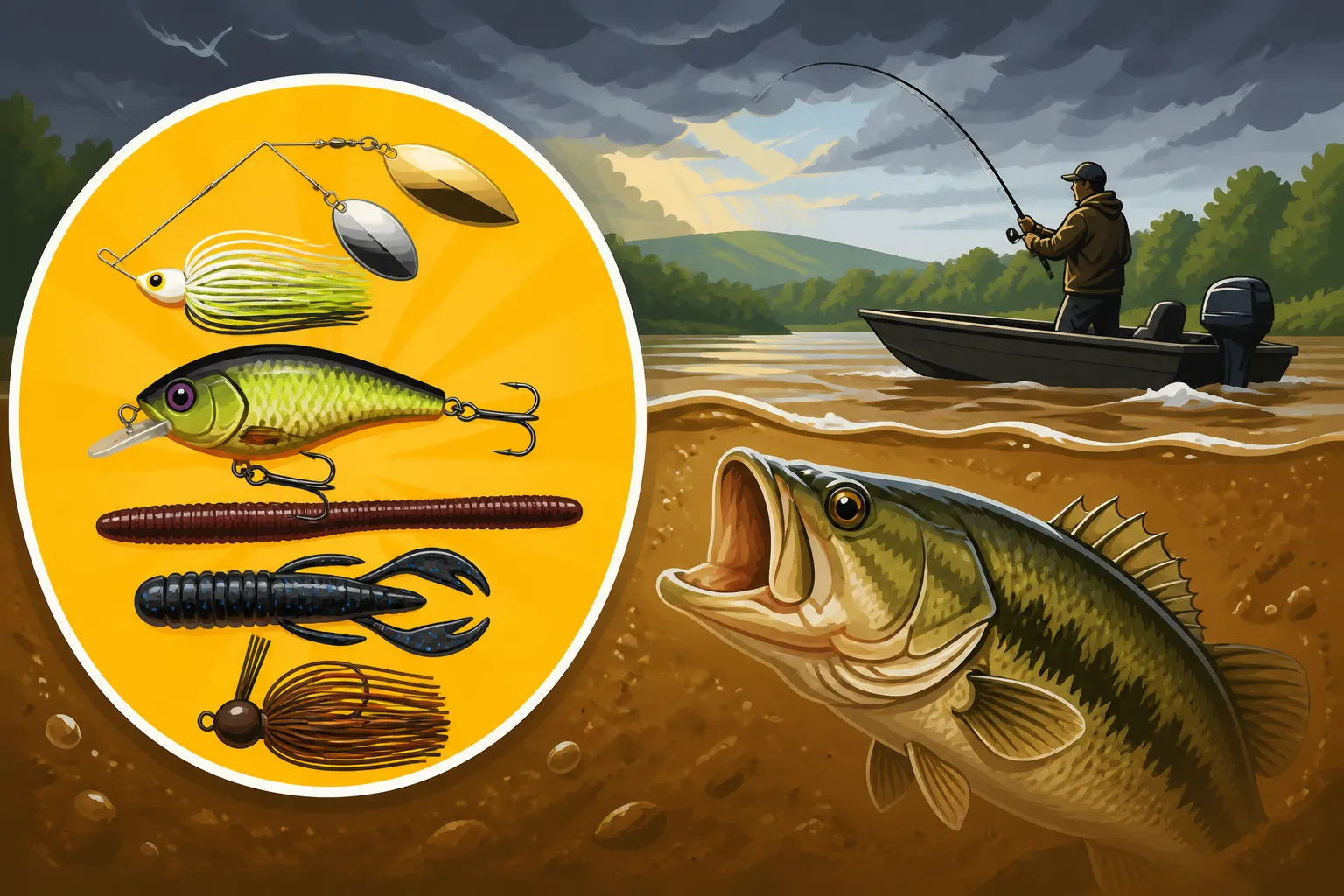
- Rattling Crankbaits: These are fantastic for bass in muddy water. The internal rattles create a commotion that fish can't ignore, and their wide wobble displaces a lot of water. Choose models that dive to the depth where you expect fish to be.
- Spinnerbaits and Chatterbaits: The spinning blades of a spinnerbait or the vibrating blade of a Chatterbait create significant flash and vibration, even if the flash isn't as visually apparent in murky water. The thumping and swirling motion is easily detected.
- Jigs with Large Trailers: A football jig or a bladed jig with a big, bulky soft plastic trailer (like a creature bait or a beaver-style bait) will move a lot of water and create a noticeable profile and vibration as you drag or hop it along the bottom.
- Buzzbaits and Whopper Ploppers (Topwater): If fish are pushed shallow due to runoff and cooler surface temperatures, or if they're actively feeding on the surface, noisy topwater baits can be incredibly effective. The distinct surface disturbance they create makes them easy for fish to pinpoint.
The key is to select baits that generate a lot of "noise" or "feel" in the water, making them an unmistakable target even when vision is compromised.
Color Choice for Low Visibility
When it comes to color in muddy water, there are generally two schools of thought, and both can be effective depending on the specific conditions and fish species:
- Dark, Silhouetted Colors: Black, blue, junebug, or darker shades of purple or green pumpkin are popular. The idea here is to create a strong silhouette against whatever minimal light penetrates the murky water. A dark bait appears as a solid object, making it easier for a fish to differentiate it from the background.
- Bright, Contrasting Colors: Chartreuse, orange, bright pink, or firetiger patterns can also work well. These colors don't necessarily "glow" in the water, but they create a stark contrast against the dark, muddy backdrop, making them stand out. Think about how safety vests are bright yellow or orange – the same principle applies.
Often, a combination works best: a dark-colored jig with a chartreuse or orange skirt, or a crankbait with a dark back and a bright belly. Experimentation is key, but generally, forget about naturalistic colors in favor of those that either create a strong silhouette or a high-contrast pop. Best Lures for Fishing After Rain offers more insights into this, including some great color suggestions.
Top Baits for Common Tennessee Species in Muddy Conditions
Now let's get down to the specifics for some of Tennessee's most popular sport fish when the water is looking like coffee with too much cream.
Bass Baits for Murky Mayhem
Largemouth and smallmouth bass in Tennessee can still be caught in muddy water, but you need to present them with something they can't miss.
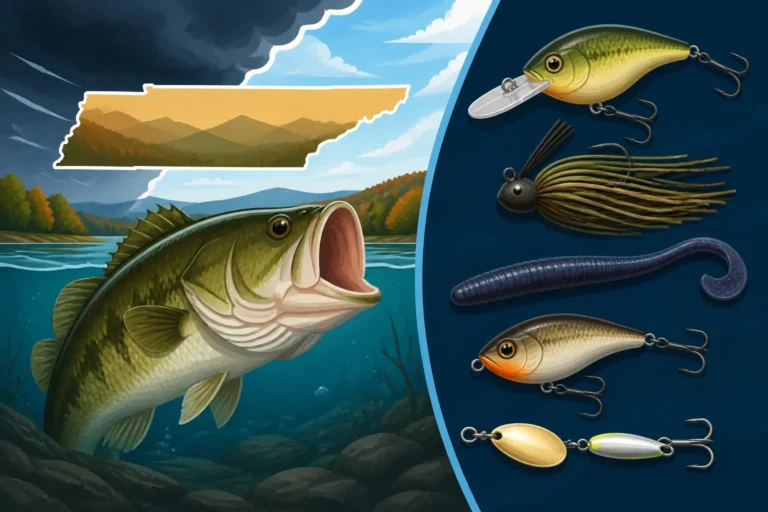
- Jigs: Heavy, dark-colored jigs (black and blue, black and red, or straight black) paired with a bulky soft plastic trailer that has a lot of flapping action are phenomenal. The combination of weight, vibration from the trailer, and the ability to work them slowly on the bottom makes them a go-to. Work them close to cover where bass might be hunkering down.
- Rattling Crankbaits: As mentioned, these are excellent. Look for square bill crankbaits for shallow water, or lipless crankbaits that you can rip through grass or along the bottom. The louder the rattle, the better. Chartreuse, firetiger, or dark patterns are good starting points. Brands like Strike King and Rapala offer many effective options.
- Spinnerbaits: With a large, thumping Colorado blade or a combination of Colorado and willow leaf blades, spinnerbaits create tons of vibration and a subtle flash. A skirt in black, blue, chartreuse, or a mixture of these will provide visibility. Run them just above submerged cover or along muddy banks.
- Soft Plastics: Texas-rigged worms or creature baits, especially those infused with scent, can be deadly when fished slowly. The key is to pick larger profiles and possibly add a rattle insert to your soft plastic.
- Buzzbaits: On overcast days, or early mornings/late evenings after a rain, a buzzbait can draw aggressive strikes from bass pushed shallow. The surface commotion is irresistible.
Remember, bass in muddy water will often be shallower than you expect, pushed closer to the banks or submerged cover where they can ambush prey. They won't chase far, so put the bait right in front of them. Best Bait for Largemouth Bass Fishing provides general tips that can be adapted to these conditions.
Catfish and Panfish: Scent is King
For species like channel catfish, bluegill, and crappie, muddy water can actually improve fishing, particularly for catfish.
- Catfish: This is where smell truly shines.
- Cut Bait: Fresh or slightly aged cut bait (shad, herring, carp) is incredibly effective. The oils and blood create a powerful scent trail. The bigger the piece, the better for larger blue and flathead catfish.
- Chicken Livers: A classic for a reason. The strong odor of chicken liver is a catfish magnet. Rig it carefully to keep it on the hook.
- Worms: Nightcrawlers or red wigglers are universally appealing and release plenty of scent.
- Stink Baits: There are many commercially prepared stink baits available on Amazon and in tackle shops, designed specifically to emit a strong, fish-attracting odor. Some anglers even make their own concoctions.
Cast these baits to the bottom, often in deeper holes, channel edges, or areas where current is bringing food. How to Catch Catfish From the Bank emphasizes the effectiveness of bank fishing for these species, which is often a great strategy after heavy rains when they move closer to shore to feed on runoff.
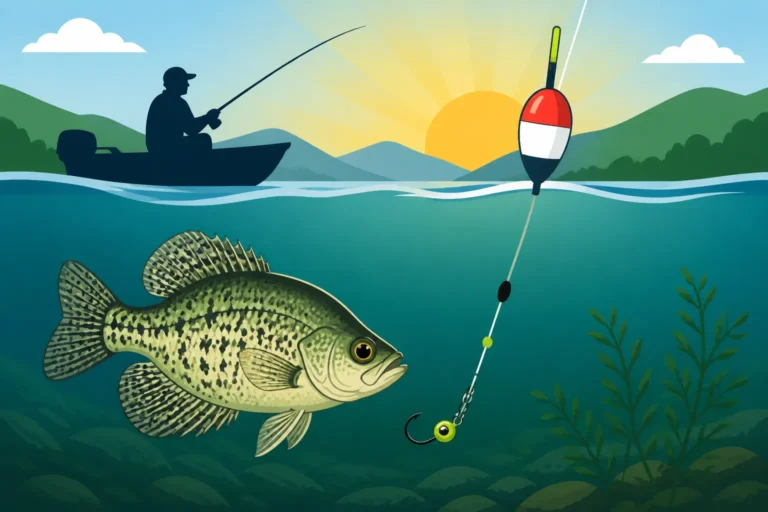
- Crappie: While crappie are primarily visual feeders, they can still be caught in muddy water by targeting their lateral line and sense of smell.
- Small Jigs with Scent: Tiny jigs (1/16 to 1/8 oz) tipped with scented soft plastic crappie tubes or grubs can work. Try brighter colors like chartreuse or white, or even black.
- Minnows: Live minnows, fished under a bobber or slowly trolled, emit natural scent and distress vibrations.
- Bobby Garland's Baby Shad Baits: These are famous for their action and can be paired with scent.
Slow down your presentation dramatically. Crappie will be tighter to structure like brush piles, submerged trees, or dock pilings in muddy water. Best Bait for Crappie Fishing gives more general advice that can be adapted.
- Bluegill & Other Panfish: These smaller fish are often found shallow, especially after rain when worms and insects wash into the water.
- Worms: Simple red wigglers or pieces of nightcrawler are hard to beat.
- Small Jigs/Grubs: Tiny chartreuse or white grubs on a small jig head, possibly scented.
- Crickets: Also a panfish favorite with a natural scent.
Fish these under a bobber or directly on the bottom in shallow, calmer areas near the bank or around docks. How to Catch Bluegill From the Bank is a must-read if you plan on targeting these from shore.
A Note on Trout: When Muddy Water is a No-Go
For trout anglers, muddy water is generally not a friend. Trout, particularly rainbow and brown trout, are highly dependent on clear, cold, oxygenated water. Their primary feeding mechanism relies heavily on sight, spotting insects drifting in the current. When the water gets turbid after heavy rain, their feeding activity drastically declines, and they often seek refuge in clearer tributaries or simply hunker down until the water clears. While there are always exceptions, it's usually best to target other species or wait for the water to settle and clear if trout are your main goal.
Adapting Your Approach: Techniques Beyond the Bait
Choosing the right bait is only half the battle; how you present it in muddy water is just as critical. You need to adjust your mindset and your fishing style to match the conditions.
Fishing Shallow and Near Structure
When rain has muddied up the water, many fish, especially bass, will gravitate toward shallower areas. This is often because the shallow water warms up slightly faster, which can be a comfort if the rain brought a cold front. More importantly, runoff from the banks carries nutrients and food sources into these shallower zones. Fish will also seek the protection and ambush points offered by submerged structures like fallen trees, brush piles, rock piles, or docks, where they can wait for prey to come close. Current breaks and eddies are also prime locations where fish can conserve energy and find food accumulating.
Focus your efforts on fishing very close to the bank, around visible cover, and in shallow flats. Don't be afraid to cast right up against the shore. Fish won't move far to find your bait, so you need to put it directly in their strike zone. Understanding How Water Temperature Affects Fish Activity can also help you pinpoint these warmer, shallower zones after a cold rain.
Slow and Steady Presentation
With reduced visibility, fish need more time to locate your bait using their other senses. A fast retrieve will often zip past them before they even know it's there. Therefore, slowing down your presentation is paramount.
- Jigs: Drag jigs slowly along the bottom, pausing frequently. Let the soft plastic trailer do its work, undulating in the water.
- Crankbaits: Use a slow, steady retrieve for rattling crankbaits, or employ a stop-and-go retrieve to give fish a chance to hone in on the sound and vibration.
- Spinnerbaits: Instead of burning them back, retrieve spinnerbaits just fast enough to get the blades turning.
- Natural Baits: For catfish and panfish, simply let your scented natural bait sit on the bottom or drift slowly with the current. Give them ample time to find it.
Patience is a virtue in muddy water. Give the fish every opportunity to find and commit to your bait. You might find that subtle twitches or long pauses are what trigger the most bites. Sometimes, How to Adjust Your Technique After a Cold Front offers insights that align with this slower presentation, as cold water also often dictates a more lethargic retrieve.
Line Choice and Sensitivity
In clear water, anglers often opt for lighter line to be less visible. In muddy water, visibility is less of an issue, so you can often get away with heavier line. This can be beneficial because runoff often brings debris (sticks, leaves) that can snag your line, and heavier line offers more abrasion resistance. Fluorocarbon lines are good for their low stretch, which enhances sensitivity, allowing you to feel those subtle bites that might be just a slight tick on your line. Braided line, with its zero stretch, offers incredible sensitivity and strength, making it easier to detect tentative bites and pull fish out of cover.
No matter the line type, pay close attention to your rod and reel setup. A sensitive rod will transmit those subtle thumps and bumps back to you, which is crucial when fish aren't aggressively striking. You might not see the strike, but you'll feel it.
Here's a quick overview of bait characteristics for muddy water:
| Bait Type | Key Feature in Muddy Water | Primary Species | Scent Recommended? | Vibration/Noise? | Optimal Color Traits |
|---|---|---|---|---|---|
| Jigs | Bulky profile, slow movement | Bass, Crappie | High | Moderate | Dark (black/blue), Bright |
| Crankbaits | Loud rattles, wide wobble | Bass | Optional | High | Chartreuse, Firetiger, Dark |
| Spinnerbaits | Thumping blades, flash (vibration) | Bass | Optional | High | Dark, Chartreuse |
| Soft Plastics | Natural action, adaptable | Bass, Crappie, Panfish | Essential | Low (add rattle) | Dark, Bright |
| Live/Cut Bait | Natural scent trail | Catfish, Panfish | Essential | Low | N/A |
| Buzzbaits | Surface commotion | Bass | Optional | High | Dark, White |
Don't let a little mud deter you from your Tennessee fishing adventures. With these bait choices and tactical adjustments, you might just find that some of your most memorable catches come on those days when others have packed up and gone home. Embrace the challenge, and Tight Lines!
Disclaimer
This article is for general informational purposes only and does not constitute professional advice. Laws, prices and regulations vary by location and change over time. Consult a qualified professional for guidance on your specific situation.