How Rain Affects Fish Feeding Patterns
Atmospheric pressure drops and runoff nutrient inflows drive bass and crappie feeding patterns during rain events in Tennessee lakes.
Match the method to the moment.
Seasonal patterns, proven tactics, rigging and presentation basics, bait choices, and how to adapt as conditions change.
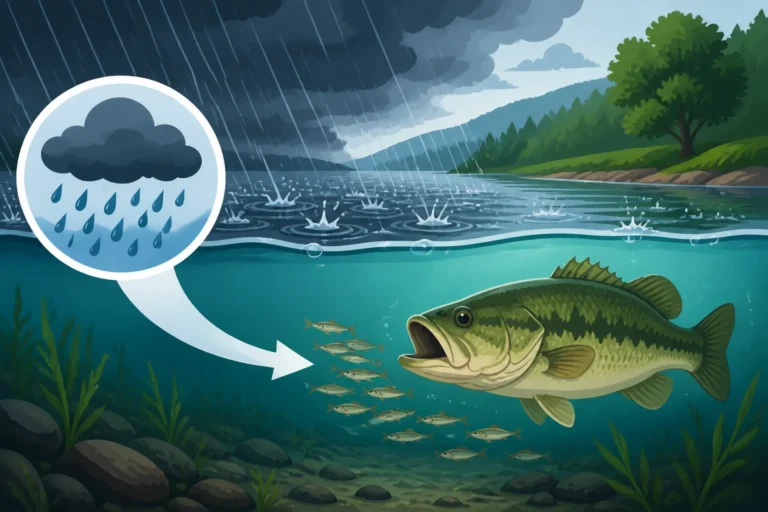
Atmospheric pressure drops and runoff nutrient inflows drive bass and crappie feeding patterns during rain events in Tennessee lakes.
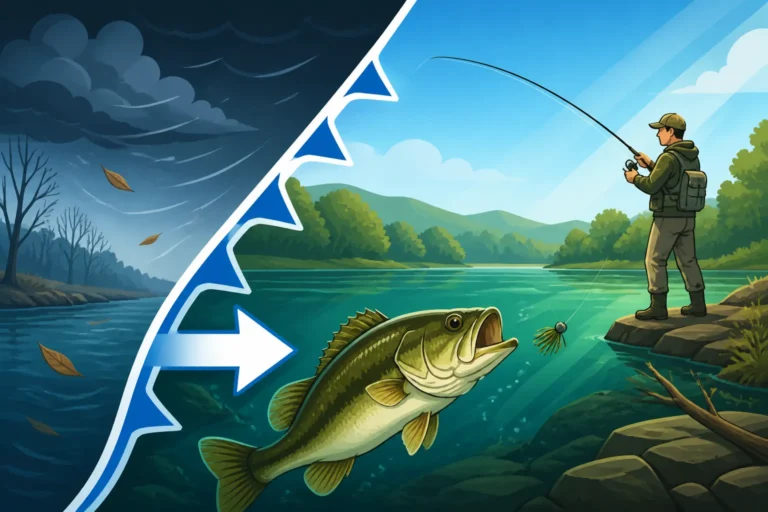
Sudden cold fronts on Tennessee lakes lower surface water temperatures, slow fish metabolism, and push fish into deeper water.

Tennessee bank and boat fishing pros, cons, costs, accessibility, and water access points compared for anglers.
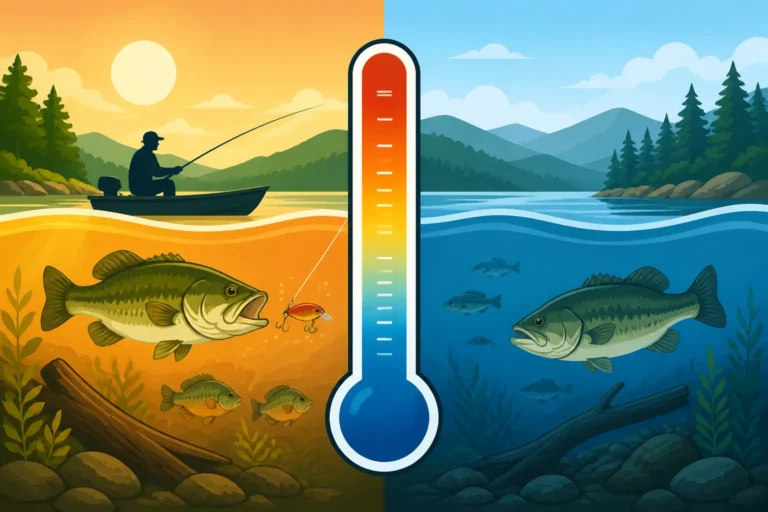
Water temperature in Tennessee lakes controls fish metabolism, oxygen levels, and feeding patterns, altering behavior across seasons.
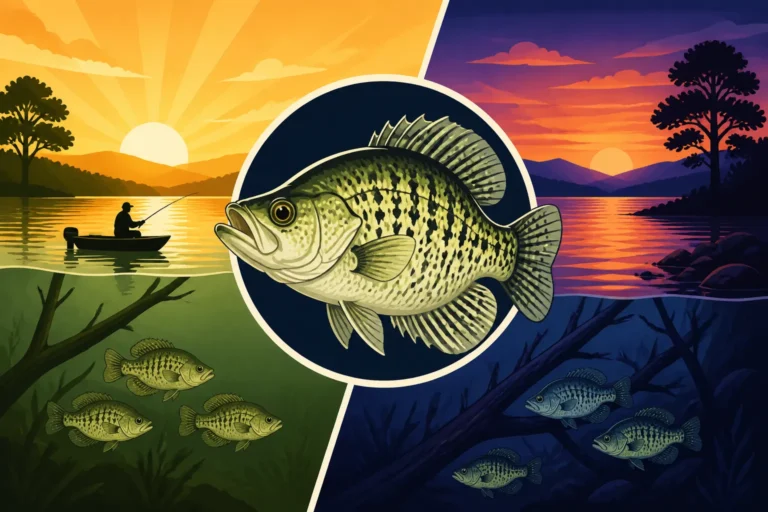
Dawn and dusk crappie fishing patterns in Tennessee explain how low light and comfortable water temperatures trigger feeding frenzies.
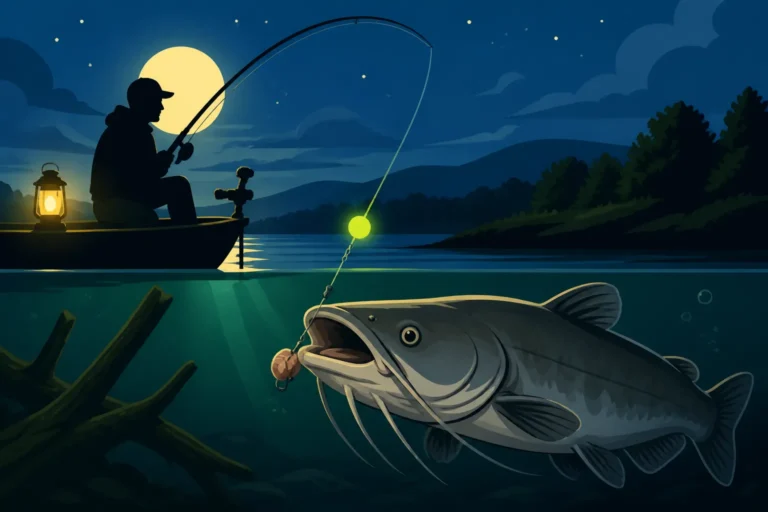
Night fishing for blue and flathead catfish in Tennessee waters lets anglers target active nocturnal predators after dark.
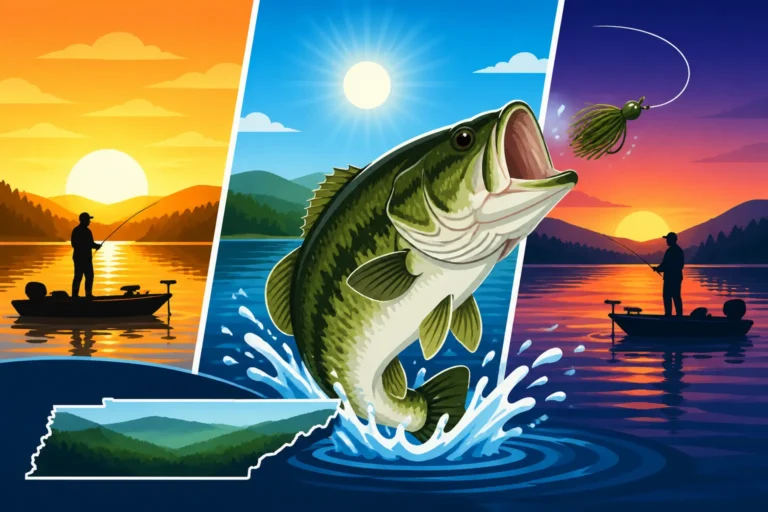
Tennessee bass fishing activity peaks during early morning hours, shifting toward deeper structures and shaded cover as the sun rises.
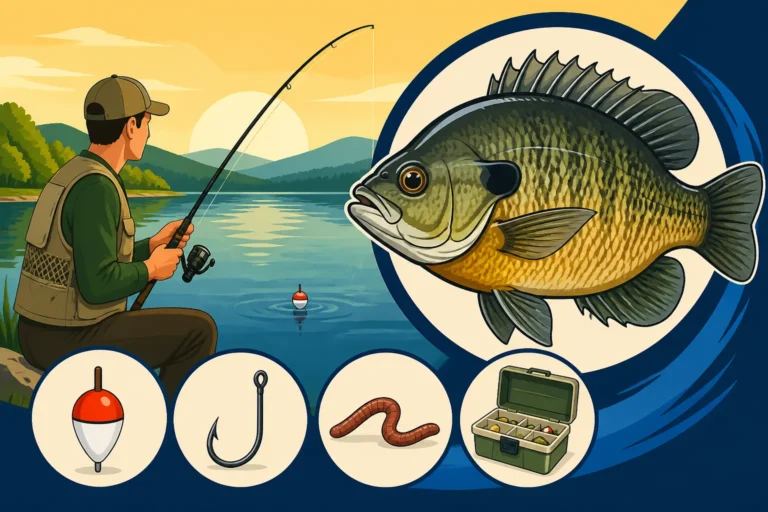
Beginner techniques for bream fishing in Tennessee help catch bluegill and redear sunfish in freshwater lakes and ponds.
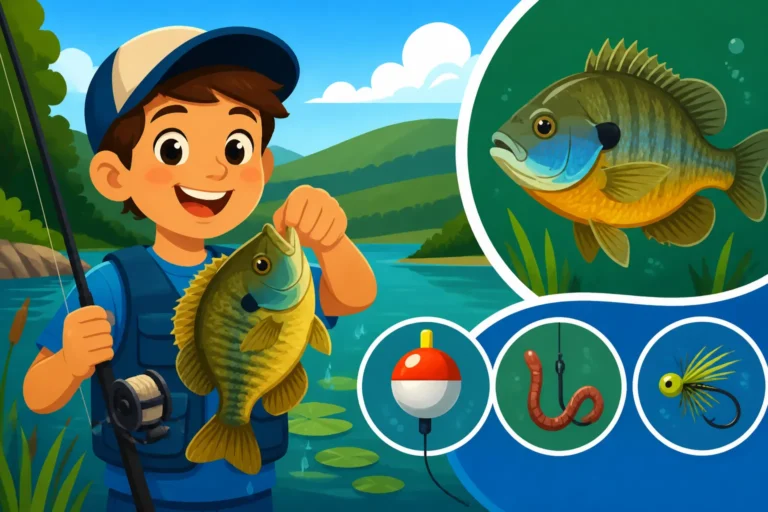
Tennessee bluegill fishing techniques help children catch abundant panfish in local ponds and reservoirs like Percy Priest Lake.
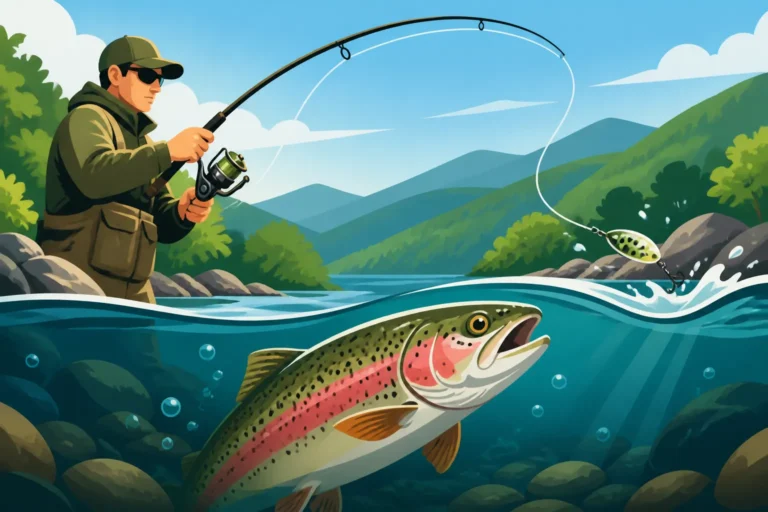
Spin fishing techniques for Tennessee trout explain optimal water temperatures between 45 and 65 degrees and gear selection.