One Year vs Three Year Boat Registration in Tennessee
Few things are as frustrating as getting ready for a day on the beautiful waters of Tennessee, only to realize your boat registration is expired, or worse, you're not even sure how long it's good for! It's a common oversight that can quickly turn a peaceful outing into a headache, especially with the choices Tennessee offers for how long you register your boat. This guide is here to walk you through the ins and outs of Tennessee's one-year and three-year boat registration options, helping you understand which one truly fits your boating lifestyle and saves you from those last-minute scrambles.
Navigating Tennessee Boat Registration: The Basics
Before we dive into the specifics of one-year versus three-year registrations, let's just cover the foundational stuff. Every angler or boater in Tennessee knows the joy of launching their vessel onto a pristine lake or a winding river. Whether it's the sprawling Kentucky Lake Fishing on the Tennessee Side or the clear waters of Norris Lake Fishing Guide, Tennessee's Clearest Water, our state's waterways are a paradise. But with that joy comes responsibility, and a big part of that is ensuring your boat is properly registered. This isn't just a bureaucratic hurdle; it's about safety, accountability, and contributing to the management of our precious aquatic resources.
The Mandate: Why Every Boat Needs to Be Registered
You might be thinking, "Do all boats really need to be registered?" And the short answer in Tennessee is, largely, yes. Any vessel with a mechanical propulsion system, which includes electric trolling motors, needs to be registered with the Tennessee Wildlife Resources Agency (TWRA). This means even your humble jon boat with an electric motor, or your fancy bass boat with a massive outboard, needs a current registration. This rule helps the TWRA track vessels, enforce safety regulations, and even aids in search and rescue operations. It's an essential component of responsible boating. Imagine if there were no tracking system for boats; it would be chaos on the water, and trying to recover a lost or stolen vessel would be nearly impossible. The registration fees also go directly back into maintaining our ramps, regulating fisheries, and promoting boating safety programs, which ultimately benefits all of us who love being on the water. For more details on what exactly needs to be registered, you can check out Which Boats Need Registration in Tennessee.
Initial Steps and Where to Register Your Vessel
So, you've got a boat, and you know it needs to be registered. What now? The initial registration process is fairly straightforward. You'll typically need proof of ownership (like a bill of sale or manufacturer's statement of origin), proof of identity, and sometimes a hull identification number (HIN) inspection. You can handle this through the TWRA's online portal, which is incredibly convenient and often the quickest way to get things done. Alternatively, you can visit a TWRA regional office or even some county clerk offices. Many sporting goods stores, like Bass Pro Shops, might also have information or resources to guide you through the process, even if they don't directly handle the full registration themselves. It's always a good idea to gather all your paperwork before starting to avoid any delays. Remember, having your registration in order is as crucial as having your Tennessee Fishing License Guide if you plan to cast a line!
The Annual Choice: One-Year Registration Explained
For many boat owners in Tennessee, the one-year registration is the default choice, and it certainly has its merits. It's a straightforward, year-to-year commitment that offers flexibility, especially for those whose boating habits might change or who are new to owning a vessel.
Who Benefits Most from a Single-Year Term
A one-year registration is often ideal for boaters who might be uncertain about their long-term plans. Maybe you've just bought your first boat and you're not sure if you'll keep it beyond a season or two. Perhaps you're considering upgrading to a different vessel next year, or even moving out of state. In these scenarios, committing to just one year makes perfect sense. You pay for the current year, and if your circumstances change, you're not tied into a longer-term financial commitment. It's also a great option for folks who only use their boat very sporadically, perhaps for a summer vacation or a few specific fishing trips, and prefer to manage their expenses annually. Think of someone who only brings their small fishing boat out for Bobby Wilson Free Fishing Day in Tennessee and then a couple of weekends; a one-year registration offers that manageable, year-by-year payment. The costs for a single-year registration are typically less upfront than a multi-year option, which can also be appealing if you're working with a tighter immediate budget.
Annual Renewal: What to Expect Each Year
If you choose the one-year route, you'll become very familiar with the annual renewal process. Each year, usually around the time you initially registered, you'll receive a renewal notice. This is your cue to hop online to the TWRA portal, or visit an authorized agent, and renew your registration. It's a relatively simple procedure, but it does require you to remember to do it every year. Forgetting can lead to a lapse in your registration, and nobody wants to be caught on the water with an expired tag. That's a surefire way to invite an unnecessary conversation with a game warden. Keeping track of that expiration date is key. Many boaters set a reminder on their phone or calendar to ensure they don't miss it. It's also an annual opportunity to update any personal information, like your address, if it's changed. You might find that the online renewal system is incredibly efficient, allowing you to complete the process in just a few clicks from the comfort of your home. Always ensure you have your correct vessel information and payment method ready. For insights into the renewal process, check out How to Buy or Renew a Tennessee Fishing License Online, as the boat registration renewal often follows a similar online pathway.
The Long-Haul Option: Three-Year Registration Benefits
While the one-year registration offers flexibility, the three-year option is designed for the committed boater who plans to spend many seasons enjoying Tennessee's waterways. This choice provides convenience and, often, a little peace of mind.
Locking In: Advantages of a Multi-Year Commitment
Opting for a three-year boat registration is like getting a bulk discount on convenience. Instead of worrying about renewal every single year, you pay once and you're good for three full years. This means fewer reminders to set, fewer forms to fill out, and less hassle overall. For those of us who juggle busy schedules, having one less annual task on the to-do list is a significant advantage. This option also often provides a financial benefit. While the specific costs can fluctuate, a three-year registration typically costs less than renewing three separate one-year registrations over the same period. It's a way to lock in the current rate for a longer duration, potentially saving you a few dollars in the long run. Imagine the joy of launching your boat three seasons in a row without once having to think about whether your registration sticker is current. You're free to focus on finding those prime Best Bass Fishing Spots on Chickamauga Lake, Tennessee or chasing Tennessee Trout Limits and Season Rules without that nagging administrative worry. This commitment reflects a more permanent presence on Tennessee's waters, ideal for seasoned anglers and recreational boaters alike.
Peace of Mind for the Dedicated Angler
For the dedicated angler or family boater, the peace of mind that comes with a three-year registration is invaluable. You can confidently plan multiple seasons of fishing trips, weekend cruises, or watersports adventures without the looming dread of an impending expiration date. This option is particularly well-suited for those who see their boat as a long-term investment and a constant source of recreation. It removes a layer of administrative burden, allowing you to concentrate more on enjoying the water and less on paperwork. If you’re someone who consistently hits the water in your own boat, be it a fishing machine or a family cruiser, a three-year registration makes your life simpler. It's one less thing to track, one less annual payment to remember, and one less chance of accidentally letting your registration lapse. When you're packing your tackle box with new lures from Amazon or getting ready for a big tournament, the last thing you want to remember is an expired registration. This stability also helps the TWRA with long-term planning and resource management, as it provides a more consistent revenue stream for their programs.
Making Your Decision: One Year vs. Three Year
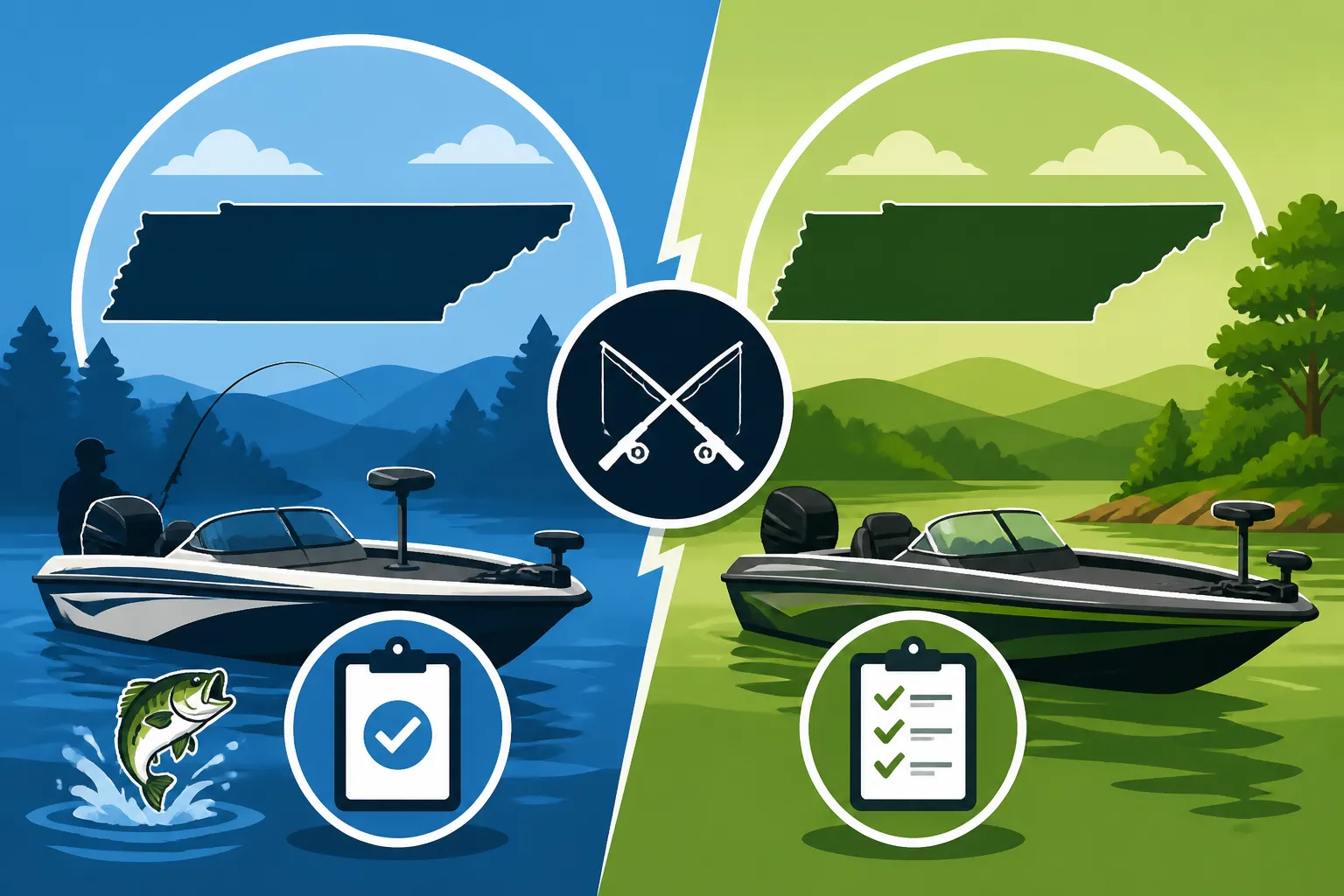
Choosing between a one-year and a three-year boat registration really boils down to your personal boating habits, financial considerations, and how much administrative hassle you're willing to deal with annually. There's no universally "best" option; it's about finding the fit for you.
Factors Influencing Your Registration Choice
When you're trying to decide, several factors should weigh into your thought process. First, consider your long-term plans for the boat. Are you likely to sell it, upgrade, or move out of state within the next three years? If so, the flexibility of a one-year registration might be more appealing. You won't be paying for time you won't use. Second, think about your boating frequency. If you're a fair-weather boater who might only launch a few times a year, the annual renewal might feel less burdensome. However, if you're hitting Tennessee's Top Bass Fishing Lakes every weekend, then the convenience of a three-year tag is a serious consideration. Third, and this is a big one, look at the comparative costs. While exact figures are best checked on the official TWRA website (as they can change), a three-year registration typically offers a cost savings over three individual one-year renewals. This isn't always a massive difference, but every little bit counts! Fourth, consider your organizational style. Are you meticulous about remembering annual renewals, or do you prefer to "set it and forget it" for longer periods? Finally, think about any major changes to your boat or boating setup. If you're planning significant modifications that might affect registration details, an annual renewal might offer more opportunities for updates.
To help visualize the decision, here’s a quick comparison:
| Feature | One-Year Registration | Three-Year Registration |
|---|---|---|
| Commitment | Short-term, annual | Long-term, three years |
| Flexibility | High – ideal for uncertain plans or selling soon | Lower – committed for the duration |
| Convenience | Annual renewal required | Less frequent renewal, more "set it and forget it" |
| Upfront Cost | Lower per year | Higher initially, but spread over three years |
| Overall Cost | Potentially slightly higher over three years | Typically offers a small cost savings over three years |
| Best For | New boat owners, infrequent boaters, short-term plans | Dedicated anglers, long-term boat owners, busy schedules |
Comparing Costs and Convenience Over Time
When you break it down, the primary trade-off is between immediate cost and long-term convenience. A one-year registration keeps your upfront costs lower, which is great if cash flow is tight or if you're testing the waters (pun intended!) of boat ownership. However, it demands your attention every single year. You'll need to remember that renewal date, go through the process, and apply a new sticker. While How to Renew a Tennessee Boat Registration Online makes this fairly simple, it's still an annual task.
On the flip side, the three-year registration means a higher initial payment. This might seem like a drawback, but when you average that cost out over 36 months, it often comes out slightly cheaper per year than three separate annual renewals. The real winner here, though, is convenience. You get three full years of uninterrupted boating. No frantic checks of the expiration date, no last-minute trips to a Bass Pro Shops to confirm details, and no worries about forgetting. For many lifelong Tennessee anglers and boaters, that peace of mind and reduced administrative burden are well worth the initial lump sum. It simplifies your life significantly, freeing you up to focus on perfecting your Bass Fishing Techniques for Beginners or mastering your Crappie Jigging Techniques Explained.
Ultimately, the choice is yours. Consider your personal circumstances, your budget, and how much you value annual flexibility versus multi-year convenience. Whichever you choose, ensure you're always properly registered and have all your Essential Safety Gear Checklist Before a Tennessee Fishing Trip on board for safe and enjoyable times on Tennessee's beautiful waters.
Disclaimer
This article is for general informational purposes only and does not constitute professional advice. Laws, prices and regulations vary by location and change over time. Consult a qualified professional for guidance on your specific situation.