From Warmwater Bass to Cold-Water Trout: Tennessee’s Sport Fish Range
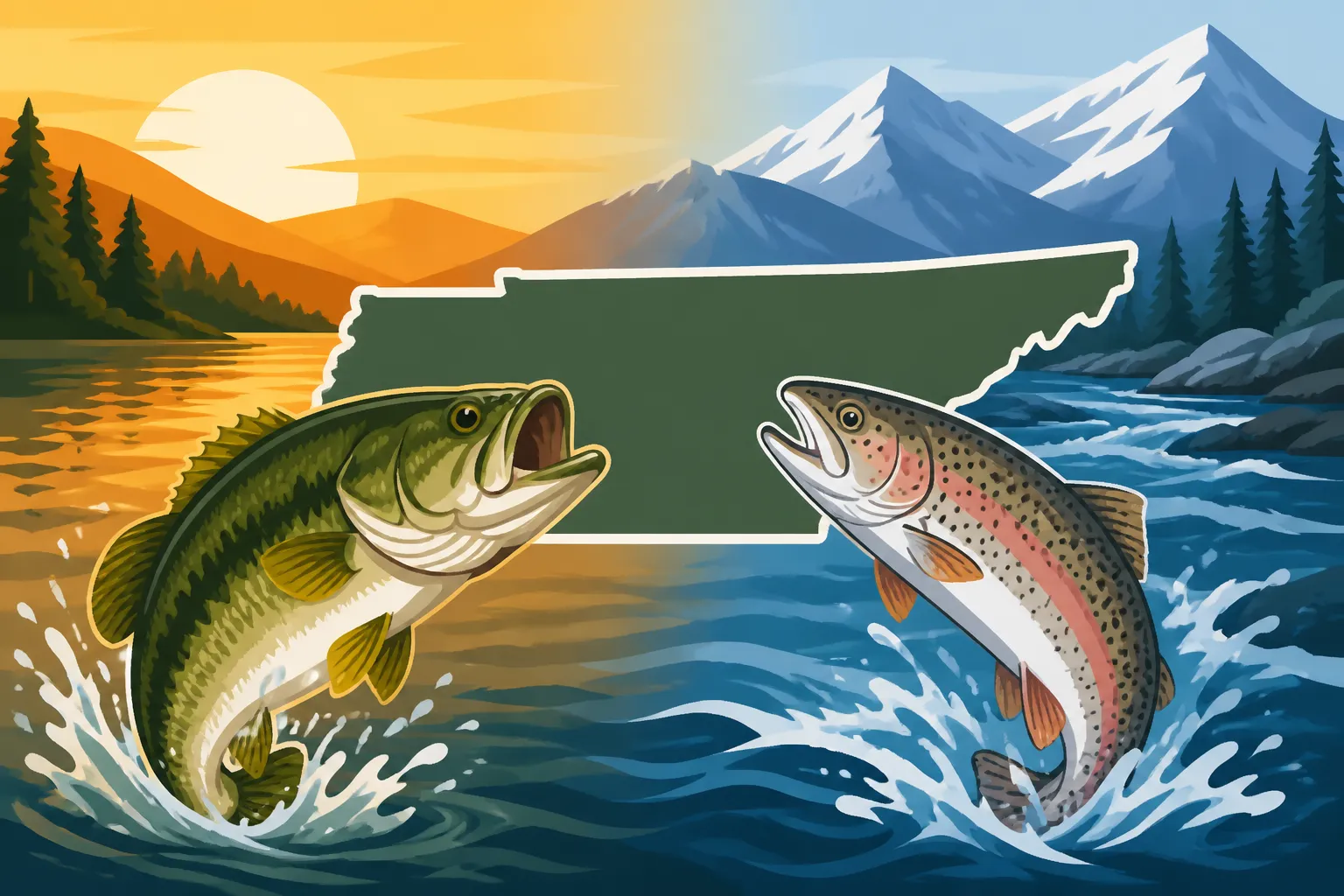
Many anglers, especially those new to the Volunteer State, often feel overwhelmed by the sheer variety of fish in Tennessee's waters. You might be wondering, "What even is a warmwater fish versus a cold-water fish, and where can I find them?" It’s a common frustration, trying to decipher where to cast your line when the fish species and their preferred habitats seem so diverse. This comprehensive guide is here to untangle that complexity, taking you on a journey through the incredible range of sport fish Tennessee offers, from the sun-drenched reservoirs teeming with bass to the chilly, clear mountain streams where trout thrive. We'll explore the characteristics of these fish, their preferred environments, and what makes them such prized catches, helping you understand where and when to target your next Tennessee trophy.
The Unique Hydrography of Tennessee: A Tale of Two Waters
Tennessee isn't just one type of fishing destination; it's a tapestry woven with vastly different aquatic ecosystems. This incredible diversity is what allows our state to host an astounding array of sport fish, each perfectly adapted to its unique environment. Understanding the fundamental difference between warmwater and cold-water habitats is the first step in becoming a truly versatile Tennessee angler. Our state's rich aquatic life, with its 291 native fish species and 52 sport fish, is truly something to behold, as detailed in Tennessee's 291 Native Fish Species and 52 Sport Fish Explained.
Geographical Distribution: Where the Waters Divide
Geographically, Tennessee presents a fascinating split that dictates its fishing opportunities. The western and central parts of the state are dominated by large, sprawling reservoirs and meandering river systems, such as the expansive waters of the Tennessee River and Cumberland River. These impoundments, like the legendary Chickamauga Lake, Kentucky Lake, and Percy Priest Lake, are classic warmwater fisheries. Their expansive, often nutrient-rich waters naturally warm up significantly during the spring and summer months, creating ideal conditions for species that thrive in higher temperatures and benefit from the abundant forage found there. Anglers flock to these areas for their robust warmwater populations.
As you move eastward into the Appalachian foothills and especially the iconic Great Smoky Mountains, the landscape dramatically shifts. Here, you'll discover numerous smaller, spring-fed streams and rivers that maintain much cooler temperatures year-round, often defying even the hottest summer days. These cold-water streams, typically characterized by rocky bottoms, swift currents, and dense overhead tree canopies, create the ideal habitat for trout and other cold-loving species. The Clinch River and the Hiwassee River are prime examples of these colder, oxygen-rich environments. It's truly a state where you can chase a smallmouth bass in the morning and be fly-fishing for trout by afternoon, given a reasonable drive time and a willingness to explore.
Factors Influencing Fish Presence: Temperature, Oxygen, and Food
The primary drivers behind which fish species inhabit which waters ultimately boil down to three crucial factors: water temperature, dissolved oxygen levels, and the availability of suitable food sources. Warmwater species, such as largemouth bass, crappie, and most catfish varieties, are physiologically adapted to thrive in warmer conditions. Their metabolic rates are optimized for these temperatures, and they possess a greater tolerance for the lower dissolved oxygen levels that can occur in warmer, slower-moving water. These warmer aquatic environments also tend to support a denser population of baitfish and aquatic invertebrates, providing a rich and diverse larder for these predatory fish.
Conversely, cold-water species like various trout absolutely require consistently cool temperatures and high levels of dissolved oxygen to survive and flourish. Their biological processes are finely tuned to colder water, and even slight increases in temperature or drops in oxygen can cause them severe physiological stress, illness, or even death. These streams often have faster currents, which naturally aerate the water, and their food sources consist predominantly of aquatic insects, smaller baitfish, and crustaceans that also prefer the cooler, cleaner conditions. Recognizing these distinct environmental preferences is an indispensable skill for any angler planning a successful trip, as it directly informs your choice of location, technique, and even the type of tackle you'll need, which you can conveniently source from retailers like Amazon.
Warmwater Wonders: The Bass Family and More
When most folks think of fishing in Tennessee, especially in our major lakes, their minds often go straight to bass. And for incredibly good reason! The Volunteer State is renowned for its incredible warmwater fisheries, particularly those that host a vibrant and diverse population of various bass species. These fish are aggressive, challenging to catch, and provide an immense amount of excitement, making them perennial favorites among recreational anglers and tournament pros alike. Our Best Fishing Lakes in Tennessee guide offers great starting points for your bass adventures.
Largemouth and Smallmouth Bass: Kings of Their Domains
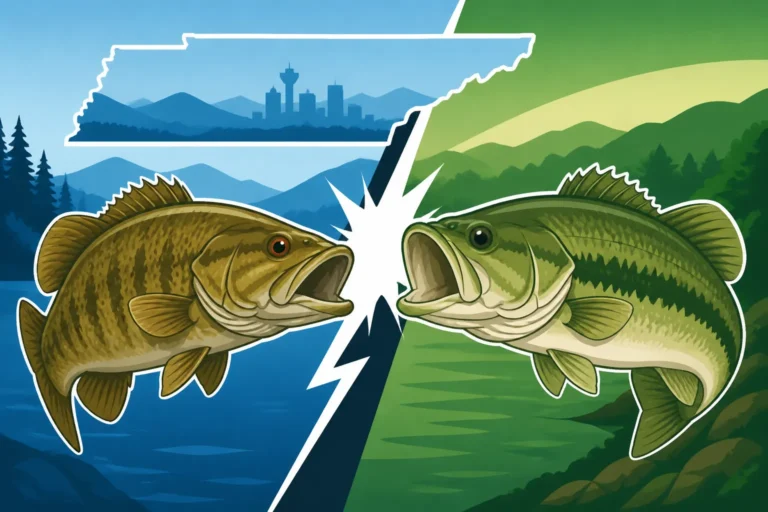
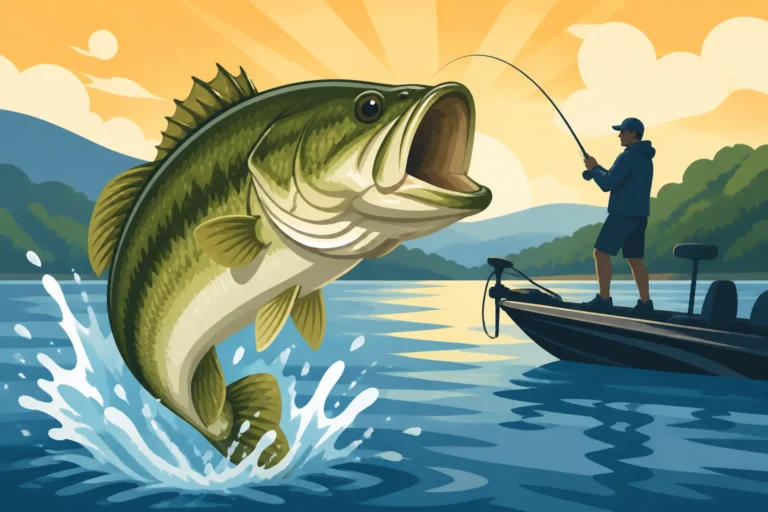
The largemouth bass (Micropterus salmoides) is arguably the most famous and widely pursued game fish in Tennessee's sprawling warmwater reservoirs. These powerful, green-sided fish, easily identified by their distinctive large mouths that extend beyond the eye when closed, are masters of ambush. They prefer to lurk around dense underwater structure, such as submerged timber, expansive weed beds, boat docks, and rocky points, waiting to strike unsuspecting prey. Lakes like Chickamauga Lake and Kentucky Lake are legendary across the nation for producing an abundance of trophy-sized largemouth. Anglers typically target them with a vast array of lures, from deep-diving crankbaits and rattling lipless crankbaits to various soft plastics (Texas rigs, Carolina rigs, jigs) and spinnerbaits, all designed to elicit their explosive strikes. For a deep dive into identifying these popular gamefish and their characteristics, check out Largemouth Bass Identification Tips for Tennessee Anglers.
Then there's the smallmouth bass (Micropterus dolomieu), often affectionately considered the scrappier and more acrobatic cousin, holding the esteemed title of Tennessee's official state game fish. Smallmouth bass prefer clearer, cooler sections of large reservoirs and river systems, typically congregating around rocky shorelines, bluff walls, gravel flats, and deep humps. Iconic lakes like Dale Hollow Lake are world-renowned for their monster smallmouth, offering a unique and often more challenging angling experience. Unlike the brute force fight of a largemouth, smallmouth tend to fight with incredible aerial acrobatics, making thrilling jumps and powerful dives, which add to their appeal. They are frequently caught on tube jigs, shaky heads, small crankbaits, or Ned rigs. Our comprehensive guide, Smallmouth Bass: Tennessee's Official State Fish, offers even more insights into these remarkable and spirited fish.
Spotted and Other Bass Species: Adding to the Mix
Beyond the big two, Tennessee also boasts other notable bass species that further enhance the angling excitement. The spotted bass (Micropterus punctulatus), sometimes referred to as "Kentucky spotted bass," is common in many of our reservoirs and river systems. These fish share characteristics with both largemouth and smallmouth but can be reliably identified by the distinct rows of small dark spots below their lateral line and a jaw that does not extend past the eye. Spotted bass often school in open water, particularly around points and humps, and readily provide excellent action, eagerly hitting a variety of baits. They typically don't grow quite as large as trophy largemouth or smallmouth but are formidable fighters on appropriate light tackle.
We also have a variety of "true bass" that, while not part of the Micropterus genus (the black bass family), offer incredible sport fishing opportunities. White bass (Morone chrysops) are abundant in many Tennessee reservoirs and river systems, particularly during their spectacular spring spawning runs where they can often be caught by the dozens in quick succession. Hybrid striped bass (wipers), a cross between striped bass and white bass, are stocked in many larger lakes and grow significantly larger than pure white bass, offering an even more powerful, hard-fighting experience. Understanding the subtle differences in appearance, habitat preferences, and feeding behaviors between all these bass species can truly elevate your fishing game, helping you tailor your approach to what's biting on any given day.
Panfish Favorites: Crappie and Bluegill
While the various bass species often command the spotlight, Tennessee's warmwaters are also a true paradise for dedicated panfish enthusiasts. Crappie, encompassing both black and white varieties, are incredibly popular, celebrated for their delicious, flaky white meat and their predictable schooling behavior. These fish love to hide in and around submerged brush piles, standing timber, deep docks, and bridge pilings. Springtime crappie fishing during their spawning season is a massive and eagerly anticipated event across the state, with anglers targeting them using small jigs, live minnows, and sophisticated spider-rigging techniques. For detailed information on where and when these fish are introduced into various waterways, Black Crappie Stocking by TWRA in Tennessee provides valuable insights.
Bluegill (Lepomis macrochirus) and other sunfish, often collectively known as "bream" in the South, are another fantastic and widely accessible panfish option. They are ubiquitous in nearly every warmwater body, from small private farm ponds to the largest public reservoirs and slow-moving rivers. Bluegill are absolutely perfect for introducing children to the joys of fishing, as they are aggressive biters and can be caught on wonderfully simple setups with natural baits like worms or crickets, or with tiny artificial lures. These feisty little fish, though not large, put up a surprisingly good fight for their size and make for excellent table fare, whether fried whole or filleted. Many seasoned anglers still thoroughly enjoy a relaxing day of bluegill fishing for the sheer volume of bites and the simple, undeniable pleasure it offers.
Cool Water Gems: Tennessee's Trout Species
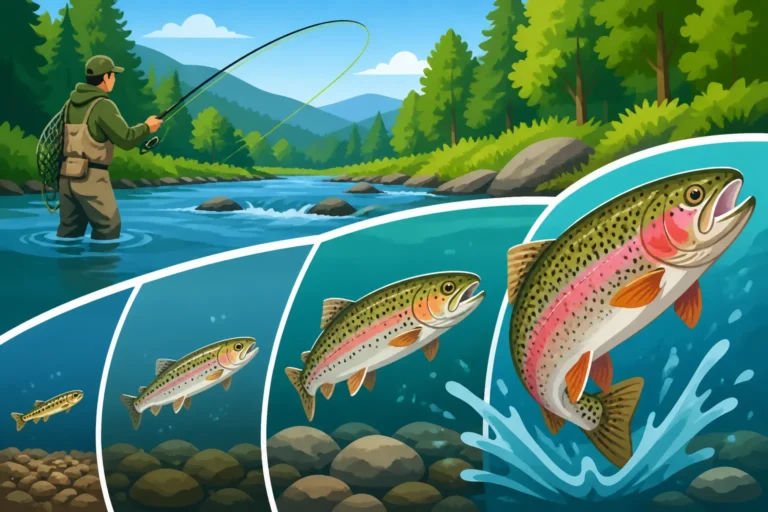
If the rush of a clear mountain stream, the delicate dance of a dry fly, and the electrifying flash of a leaping trout are what you seek, Tennessee’s eastern regions are where your angling dreams can come true. The cold, highly oxygenated waters flowing down from the ancient Appalachian Mountains provide the perfect sanctuary for several magnificent species of trout, making our state a premier destination for cold-water angling. The entire experience of fly fishing or spin fishing in these pristine, often breathtakingly beautiful environments is a world apart from the lake fishing you'll find in other parts of the state.
Rainbow and Brown Trout: Stocked and Sustained
The rainbow trout (Oncorhynchus mykiss) is, without a doubt, the most commonly stocked trout species in Tennessee. These stunning fish, readily identifiable by their iridescent, often reddish stripe running along their lateral line and their bodies speckled with small dark spots, are regularly introduced by the Tennessee Wildlife Resources Agency (TWRA) into numerous streams, rivers, and even some smaller designated ponds, particularly during the cooler months of the year. This consistent stocking effort ensures a reliable and exciting opportunity for anglers, especially in many accessible areas. Rainbow trout are often eager biters, readily taking a wide variety of baits, from corn and commercial power bait to inline spinners and various artificial flies. Understanding the Rainbow Trout Stocking Schedule Across Tennessee can be a game-changer for planning your most productive trips.
Brown trout (Salmo trutta) are another significant and highly prized cold-water species found in Tennessee. Known for their somewhat more elusive nature and often their potential for larger size, brown trout typically prefer to hold in deeper pools, under dark undercut banks, and around complex woody cover. They possess a more muted, brownish-gold coloration with distinctive red and black spots, which are often encircled by a lighter, yellowish halo. While some wild populations do exist and thrive, many of Tennessee's most productive brown trout fisheries are substantially sustained through ongoing stocking programs. Anglers often target brown trout with larger streamer flies, realistic minnow imitations, and careful drift fishing techniques, particularly during the low-light hours of dawn and dusk. For those curious about the subtle and not-so-subtle distinctions between these two popular species, Brown Trout vs Rainbow Trout: Key Differences offers a great comparison.
Native Brook Trout: The Elusive Heritage Species
For the true connoisseur and dedicated conservationist of cold-water fishing, the native brook trout (Salvelinus fontinalis) represents the absolute pinnacle of the Tennessee trout experience. These smallest and most vibrantly colored of Tennessee’s trout are true natural jewels, found exclusively in the highest elevation, coldest, and most pristine headwater streams of the Appalachian Mountains. Their flanks are adorned with striking red and yellow spots, often accompanied by distinctive blue halos, and their lower fins have a characteristic white leading edge, often followed by black and then orange.
Catching a brook trout is often less about the pursuit of a large meal and more about the deeply rewarding experience of exploring remote, untouched wild country. These fish are sensitive biological indicators of exceptional water quality and thrive in environments too cold and oxygen-rich for many other fish species. They are typically caught on very light tackle, often with tiny dry flies, small nymphs, or micro-spinners, demanding a stealthy approach, delicate presentation, and a profound respect for their wild habitat. It’s predominantly a conservation-minded fishery, and many anglers diligently practice catch-and-release to preserve these precious wild populations for future generations. You can find specialized ultralight gear suitable for these delicate presentations on Amazon, from lightweight fly rods to tiny dry fly assortments.
Trout Habitats: From Freestone Streams to Tailwaters
Tennessee's diverse trout habitats are as varied and complex as the fish themselves. "Freestone" streams, found predominantly in the mountainous regions, are characterized by their natural, unrestricted flow, rocky or gravel bottoms, and a water regime that is highly dependent on rainfall and snowmelt. These streams naturally fluctuate more in both water level and temperature. Sections of the Little Pigeon River or parts of the Tellico River system are excellent examples of these natural freestone waters. Fishing these environments demands a keen understanding of how current patterns influence fish location and how to present your bait or fly effectively.
Then there are the highly productive "tailwater" fisheries, which are created below large hydroelectric dams. These rivers, such as the famous Clinch River below Norris Dam or the Caney Fork River below Center Hill Dam, release consistently cold water from the bottom of the reservoir, creating a remarkably stable, cold-water environment year-round. Tailwaters often boast incredible insect hatches and support large, healthy populations of trout due to these consistent conditions and abundant food sources. Fishing in these spots can be very technical, often requiring specific fly patterns, precise casting, or nuanced bait presentations to entice a bite. Understanding the profound nuances of these different habitats is absolutely essential for consistent success when chasing Tennessee trout. For comprehensive seasonal advice, refer to our Tennessee Trout Fishing Season Explained guide.
Bottom Dwellers and Panfish: Catfish and Crappie Galore
While bass and trout often garner the most glory and media attention, some of Tennessee's most delicious, abundant, and widely pursued game fish lie squarely in the categories of catfish and panfish. These species offer fantastic and often easier-to-access opportunities for anglers of all skill levels, from those seeking a leisurely day on the bank with family to serious trophy hunters looking for truly massive fish.
Channel and Blue Catfish: Mighty River and Lake Dwellers
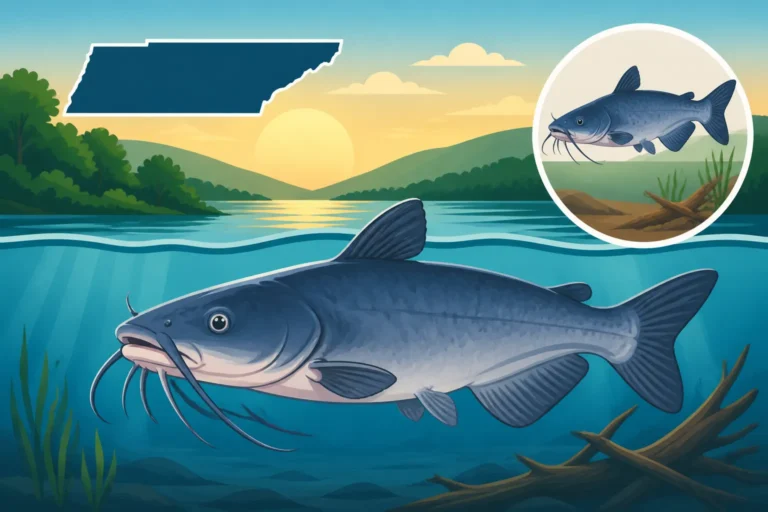
Tennessee is undeniably a true hotspot for catfish, with the channel catfish (Ictalurus punctatus) holding the distinguished honor of being one of the state's two official state fish (alongside the smallmouth bass). Channel catfish are found in virtually every warmwater system across the state, from small farm ponds and slow-moving streams to vast, interconnected rivers and huge reservoirs. They are incredibly opportunistic feeders, often caught on a wide variety of baits including cut bait, chicken livers, prepared stink baits, or even simple worms. They are a universal favorite for casual bank anglers looking for a relaxing day and serious boat fishermen targeting consistent action, and are universally prized for their delicious, firm fillets. Our in-depth guide, Channel Catfish: Tennessee's Other Official State Fish, delves deeper into the characteristics and pervasive presence of this iconic species.
For those chasing truly monumental fish, the blue catfish (Ictalurus furcatus) is the ultimate target. These freshwater giants predominantly inhabit the larger rivers and vast reservoirs, such as the mighty Tennessee River and the productive Kentucky Lake, and possess the capability to grow to incredible sizes, often exceeding 50 pounds and occasionally much more. Blue cats are primarily piscivorous, meaning their diet largely consists of other fish, so fresh cut bait (like shad, skipjack, or herring) is almost always the bait of choice for trophy hunters. Landing one of these immensely powerful fish requires heavy-duty tackle, a strong back, and plenty of patience, but the immense reward of battling a true behemoth is an unforgettable angling experience. Night fishing, when these nocturnal predators are most active, is a particularly effective time to target them.
Flathead Catfish: The Solitary Ambush Predator
Distinct from their schooling channel and blue catfish cousins, the flathead catfish (Pylodictis olivaris) is a solitary, highly predatory species that feeds almost exclusively on live fish. Identified by their broad, distinctively flattened heads and often mottled brown-and-yellow coloration, they prefer to hide in the heaviest cover imaginable, such as dense log jams, massive sunken trees, and intricate rock piles, typically in larger rivers and expansive reservoirs. They are patient, cunning ambush predators, making them a challenging but incredibly rewarding catch for those dedicated to pursuing them. Anglers targeting flatheads almost always use large live baits, such as bluegill, sunfish, or carp, presented on stout, heavy-duty tackle in known flathead haunts.
Unlike the often schooling behavior of channel and blue cats, flatheads typically establish and occupy a specific territory, making the task of finding that prime piece of cover absolutely critical to success. They are renowned for their incredible, unyielding strength and relentless, bulldog-like fights, often pulling hard and deep without flashy runs. The pursuit of a trophy flathead is a true test of an angler's patience, skill, and the robustness of their gear, with many experienced anglers finding a dedicated flathead setup essential. If you're serious about battling these powerful beasts, make absolutely sure your rod, reel, and line are up to the immense task – Amazon offers a wide selection of specialized heavy-duty catfish gear designed for these encounters.
Crappie Varieties: Black and White Specks
We've touched on crappie earlier, but they undoubtedly deserve a bit more dedicated attention due to their immense statewide popularity and consistent appeal. Both black crappie (Pomoxis nigromaculatus) and white crappie (Pomoxis annularis) thrive in Tennessee's abundant warm waters. Black crappie typically prefer clearer water conditions with more aquatic vegetation and often exhibit a more mottled, speckle-like pattern on their sides. White crappie, on the other hand, are frequently found in more turbid waters and are reliably identified by their distinct vertical bars on their sides. Both species exhibit similar schooling behavior and habitat preferences, consistently congregating around various submerged structures.
The sheer volume of crappie that can be caught, particularly during their prolific spring spawning period, makes them an absolute favorite for many families and anglers looking to fill their coolers with delicious fish. Various techniques are highly effective for crappie, including spider rigging (using multiple rods with jigs or minnows), single pole jigging directly over cover, and slow trolling with minnows or small jigs. For specific, in-depth strategies and understanding their seasonal movements, our Tennessee Crappie Fishing Guide by Season is an invaluable resource that can significantly enhance your success. The excitement of finding a "slab" crappie bed and reeling in fish after fish is a truly classic and quintessential Tennessee fishing experience.
| Fish Species | Water Preference | Primary Habitat | Common Baits/Lures | Average Size (Common Catch) | Fight Style |
|---|---|---|---|---|---|
| Largemouth Bass | Warmwater | Reservoirs, lakes, around structure (weeds, timber) | Crankbaits, soft plastics, spinnerbaits | 1-5 lbs | Aggressive, powerful runs |
| Smallmouth Bass | Cooler Warmwater | Clearer lakes, rivers, rocky areas | Tube jigs, shaky heads, small crankbaits | 1-4 lbs | Acrobatic, strong dives, jumps |
| Spotted Bass | Warmwater | Reservoirs, rivers, open water schooling | Jigs, worms, small crankbaits | 0.5-2 lbs | Good fight, similar to smallmouth but smaller |
| Rainbow Trout | Cold-Water | Stocked streams, tailwaters, some lakes | PowerBait, worms, spinners, flies | 0.5-2 lbs | Quick, feisty, jumps |
| Brown Trout | Cold-Water | Streams, rivers, deeper pools, undercut banks | Minnow imitations, streamers, nymphs, worms | 1-5 lbs | Strong, deep runs, more elusive |
| Brook Trout | Very Cold-Water | High-elevation, pristine headwater streams | Small dry flies, nymphs, tiny spinners | 6-12 inches | Quick, delicate, darting |
| Channel Catfish | Warmwater | Rivers, lakes, ponds, slow moving water | Cut bait, chicken liver, stink bait, worms | 1-10 lbs | Steady, strong pull, good table fare |
| Blue Catfish | Warmwater | Large rivers, reservoirs, deep channels | Cut bait (shad, skipjack), live bait | 10-50+ lbs | Extremely powerful, long runs, heavy tackle needed |
| Flathead Catfish | Warmwater | Rivers, reservoirs, heavy cover (log jams) | Live fish (bluegill, sunfish) | 10-40+ lbs | Unrelenting, deep fights, very strong |
| Black/White Crappie | Warmwater | Lakes, reservoirs, around brush piles, timber | Small jigs, minnows, tiny crankbaits | 0.5-2 lbs | Delicate, schooling, delicious |
Beyond the Big Three: Other Notable Sport Fish
While bass, trout, and catfish often dominate conversations and fishing reports, Tennessee’s diverse waters are home to an even wider array of sport fish that offer unique challenges and equally rewarding angling experiences. To ignore these other species would be a disservice to the incredible biodiversity and fishing opportunities that our state so generously provides.
Striped Bass and Hybrids: The Open Water Powerhouses
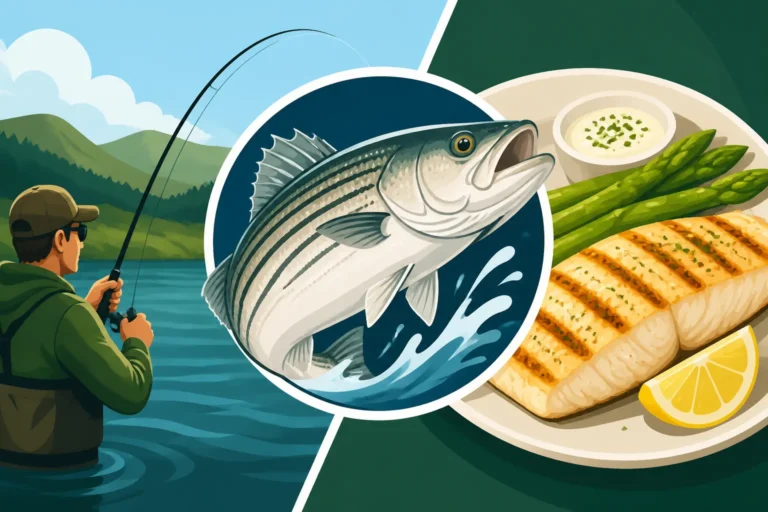
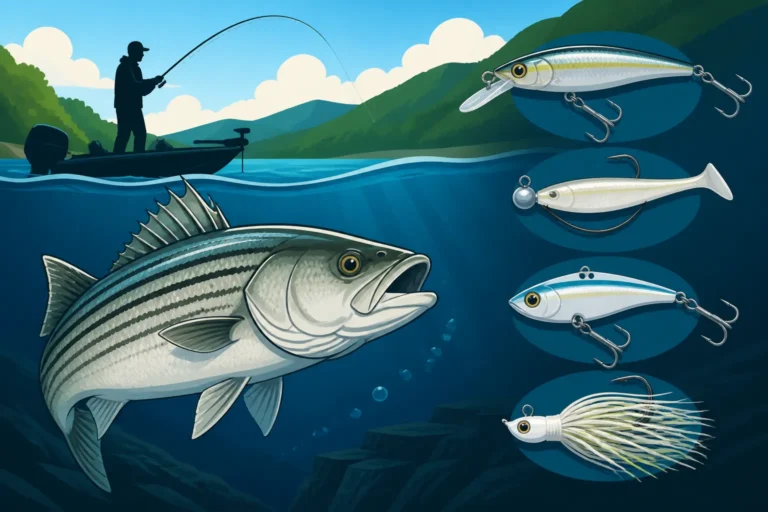
For sheer brute strength, blistering speed, and thrilling, drag-screaming runs that will test the limits of your tackle, few freshwater fish can genuinely compare to the mighty striped bass (Morone saxatilis) and their popular hybrid cousins. Striped bass are historically anadromous fish, meaning they typically live in saltwater but migrate to freshwater to spawn. While Tennessee's landlocked populations don't undertake these oceanic migrations, they thrive and grow to impressive sizes in large, deep reservoirs like Norris Lake, Cherokee Lake, and Percy Priest Lake. They are aggressive, powerful predators, often schooling in vast open water areas and relentlessly chasing down large schools of baitfish, primarily shad. Anglers primarily target them by trolling large crankbaits, using live bait (like gizzard shad or large shiners), or casting swimbaits to actively schooling fish that are busting on the surface. Landing a 20-pound plus striper is an absolutely unforgettable experience, one that will test the strength of your tackle and your angling prowess. Delve into the specifics of pursuing these freshwater giants with our guide, Striped Bass Fishing in Tennessee Reservoirs.
Hybrid striped bass, a vigorous cross between striped bass and white bass, are also widely stocked across many Tennessee reservoirs. These hybrids offer much of the fighting prowess and aggressive nature of their pure striped bass parent but are often more accessible and abundant in many waterways, sometimes growing to impressive sizes themselves. They exhibit similar schooling and feeding behaviors to pure stripers, making them a consistently popular target for anglers. Both pure stripers and hybrids offer fantastic, hard-hitting action and can be caught using very similar techniques. It's not uncommon, especially during certain times of the year, to witness these powerful fish busting bait on the surface, creating a chaotic and incredibly exciting fishing scenario that can send anglers into a frenzy. Keeping a good pair of polarized sunglasses (readily available on Amazon) can be instrumental in spotting this exhilarating surface action from a distance.
Sunfish and Bream: Abundant and Approachable
We've touched on the ever-popular bluegill, but the broader "sunfish" family is incredibly diverse in Tennessee and provides countless opportunities for incredibly fun, family-friendly fishing experiences. Species like the distinctive redear sunfish (often called "shellcrackers" for their mollusk-eating habits), the feisty green sunfish, and the aggressive warmouth are all widely found across Tennessee's varied aquatic landscapes. These fish are generally smaller than crappie but are exceptionally abundant, relatively easy to catch, and offer consistent, exciting action, making them perfect for beginners. They are ideal for introducing children and novice anglers to the simple joys of fishing, as they readily bite on natural baits like small worms, crickets, or with tiny artificial lures.
Redear sunfish are particularly known for their preference for snails and other mollusks, making them an excellent choice if you're looking to target a bit of panfish variety. Green sunfish, with their more robust build and aggressive nature, are often found in smaller streams, ditches, and private ponds. While individual sunfish might not match the size of a trophy bass or catfish, catching a cooler full of panfish means a truly delicious and satisfying fish fry. Their widespread distribution means that you can almost always find a local pond, a quiet cove in a larger lake, or a slow-moving stream where these eager biters are waiting, making them the perfect go-to for a relaxing day on the water.
Understanding Habitat and Behavior for Better Success
No matter which incredible fish species you're pursuing in the diverse waters of Tennessee, cultivating a deeper understanding of their preferred habitats and their predictable seasonal behaviors will dramatically improve your chances of success. Fish are not just randomly distributed throughout the waterways; they follow highly predictable patterns that are intrinsically tied to their fundamental survival needs. Learning about these patterns is like unlocking a secret code to consistent catches.
Riverine vs. Reservoir Species: Adapting to Flow
Tennessee offers a fascinating duality of aquatic environments: both flowing riverine systems and vast, often expansive, still reservoirs. Many fish species have evolved and adapted specifically to thrive in one type of environment over the other. Riverine species, such as the powerful smallmouth bass, the elusive flathead catfish, and the delicate brook trout, are generally more streamlined and possess greater muscular power, perfectly adapted to holding their position against strong currents. They often rely on current breaks, deep eddies, submerged rock formations, and fallen trees for cover and as strategic ambush points. Successfully fishing in rivers requires a good understanding of how current velocity and direction profoundly influence fish location and how to present your bait or lure effectively without unnatural drag.
Reservoir species, like the popular largemouth bass, schooling crappie, and most channel catfish, thrive in the more expansive, often deeper, and generally less turbulent waters of impoundments. They extensively utilize various structures found in these environments, such as standing timber, sunken brush piles, subtle bottom ledges, and deep humps. While current can certainly be a factor near dam outflows or during power generation, much of reservoir fishing involves systematically locating fish in more static, structural environments. Understanding whether you're primarily fishing a river or a reservoir will fundamentally dictate your entire approach, from how you position your boat to your precise lure selection and presentation. Consider exploring Best Fishing Lakes in Tennessee for more detailed insights into reservoir fishing.
Seasonal Movements and Patterns
Fish behavior is heavily and predictably influenced by the changing seasons, with their activity primarily driven by fluctuating water temperature, their crucial spawning cycles, and the availability of their primary food sources. In spring, as water temperatures steadily warm, many species like largemouth bass, smallmouth bass, and crappie move into shallower waters for their critical spawning rituals. This can be an incredibly productive time for high catch rates, but it's also a period when fish are particularly vulnerable and should be treated with care. Learning about specific patterns, such as Tennessee Bass Fishing Seasons and Patterns or Spring Crappie Spawn Timing in Tennessee, can help you capitalize on these predictable and often very rewarding movements.
Summer often sees fish retreating to deeper, cooler water or becoming more active during the low-light hours of dawn and dusk to escape the heat. They might relate to distinct thermoclines in reservoirs or seek shade under docks and overhanging trees. Fall typically brings a ferocious "feeding frenzy" as fish instinctively bulk up for the lean winter months, often becoming highly aggressive as water temperatures gradually drop. Winter fishing can be slower and more challenging, but cold-water techniques for bass, crappie, or even trout (especially in the stable tailwaters) can be highly effective if you know precisely where to look and how to present your baits with subtlety and precision. Each season presents a unique puzzle for the angler, making fishing a truly year-round, intellectually stimulating adventure in Tennessee.
Disclaimer
This article is for general informational purposes only and does not constitute professional advice. Laws, prices and regulations vary by location and change over time. Consult a qualified professional for guidance on your specific situation.