Best Lures for Largemouth Bass in Spring
The spring season in Tennessee can be both incredibly exciting and surprisingly frustrating for largemouth bass anglers. One day they're biting everything, the next they've vanished, leaving you wondering if you're using the right bait. This guide is here to untangle the mysteries of spring bass behavior and equip you with the knowledge of the best lures to tempt those big Tennessee largemouths, no matter what stage of spring you find yourself in.
Decoding Spring Largemouth Behavior
Spring is a time of immense change for largemouth bass in Tennessee, driven primarily by rising water temperatures and the primal urge to reproduce. Understanding these shifts is crucial because a lure that's deadly in early spring might be completely ignored a few weeks later. It's like trying to talk to someone who's busy moving house versus someone who's just finished a big meal – their priorities are totally different!
Pre-Spawn Movement and Feeding
As winter's chill finally gives way, the water temperatures slowly creep up from the low 40s into the 50s. This is the pre-spawn phase, and it's often considered one of the best times to catch true giants. The bass, especially the big females, are migrating from their deeper wintering holes towards shallower spawning flats. They're not quite ready to commit to beds, but they're on the move, looking for prime areas to stage. Critically, their metabolism is kicking into high gear, and they need to pack on calories before the exhausting process of spawning. Think of it as a pre-marathon carb-loading session.
During this period, largemouth bass often hold near transition areas: the edges of channels, submerged timber lines, rock piles, or secondary points that lead into shallower bays. They're opportunists, willing to chase down a substantial meal. The key is to find these staging areas, which might only be a few degrees warmer than the surrounding water. These warmer pockets can act like a magnet, concentrating fish and making them more predictable. Many seasoned anglers will tell you that finding these transition zones is half the battle.
The Spawn: Nests and Protection
Once water temperatures consistently hit the high 50s to low 60s, it's showtime. This is when the largemouth bass move onto the shallow flats, often in 1 to 5 feet of water, to create their nests – circular depressions on the bottom, usually near some form of cover like a stump, dock post, or even a hardy weed bed. The males arrive first, meticulously clearing the debris, and then the females join them to lay eggs. After the eggs are laid, the males stay behind, diligently guarding the nest and the fry until they disperse. This is when fishing can get tricky.
During the actual spawn, feeding often takes a backseat to reproduction and protection. Bass aren't actively hunting for food in the same way they were during pre-spawn. Instead, they strike at anything that invades their personal space or threatens their eggs or fry. This means your lure needs to trigger an instinctive reaction rather than mimicking a meal. It's about annoying them into striking. You'll often see them nose down on the bed, subtly fanning their fins, and you might have to present a lure multiple times to elicit a reaction. This is where patience truly pays off, and understanding Bass Spawn Timing in Tennessee Lakes can give you a significant edge.
Post-Spawn Recovery and Relocation
After the rigors of spawning, both male and female bass are exhausted. The females, especially, are often skinny and lethargic, needing time to recover their energy. This is the post-spawn period, which typically occurs when water temperatures are in the mid to high 60s. The fish will slowly move off the beds, often retreating to slightly deeper water nearby, seeking shade and easy ambush points. They might hold on the first available cover away from the beds – a laydown, a brush pile, or the deeper edge of a flat.
During this phase, largemouth bass are still feeding, but often less aggressively than in pre-spawn. They prefer easy meals and will ambush prey rather than expending a lot of energy chasing it. Think about how you feel after a demanding task – you'd rather have a takeout meal than cook a gourmet one. They're recuperating but still need sustenance. Targeting these recovery areas with lures that offer a tempting, easy meal can be incredibly effective. Sometimes, they might even school up in these post-spawn areas before fully dispersing to their summer patterns. Knowing Pre-Spawn and Post-Spawn Bass Fishing Patterns can really help you adapt your strategy.
Essential Lure Choices for Spring Success
Now that we understand the bass's mindset through spring, let's talk about the tools of the trade. The right lure, presented correctly, can make all the difference between a frustrating day and a memorable one.
Jigs and Soft Plastics
When it comes to spring largemouths, jigs and soft plastics are absolutely indispensable. They are incredibly versatile and can imitate everything from crawfish to baitfish, and their controlled fall makes them perfect for enticing wary or lethargic bass.
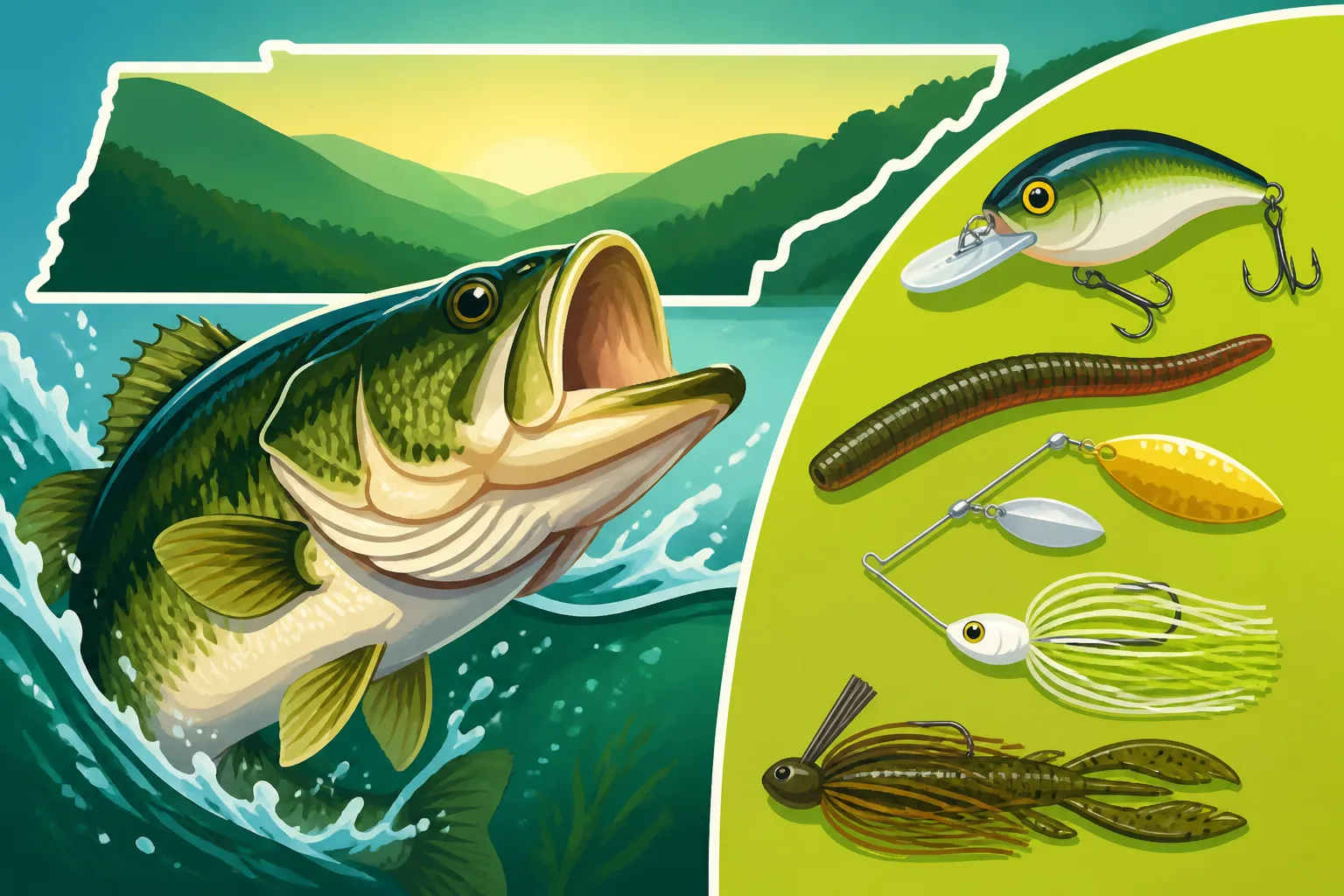
- Jigs (Football, Flipping, Swim Jigs): For early pre-spawn bass holding on deeper structure, a football jig slowly dragged along the bottom can be deadly. It mimics a crawfish perfectly, and the slow, methodical presentation is ideal for cold, sluggish fish. As bass move shallower, a flipping jig pitched into dense cover or a swim jig worked through emergent grass are fantastic choices. How to Rig a Jig for Bass Fishing is a critical skill here. You can find a huge variety of jig styles and colors on Amazon, allowing you to experiment with different weights and skirt combinations.
- Presentation: Jigs are all about controlled falls, subtle hops, and pauses. In colder water, slower is better. Let the jig hit bottom, give it a subtle lift, and let it fall again. The strike often happens on the fall or when it's sitting still.
- Why they work: Jigs offer a substantial, easy meal. The skirt breathes and pulses, creating lifelike action even with minimal movement, and the weed guard allows you to fish in heavy cover where big bass hide.
- Soft Plastics (Texas Rigs, Carolina Rigs, Weightless Worms): Soft plastics offer an incredible array of options. A Texas-rigged creature bait or lizard is fantastic for fishing through submerged wood, brush piles, or even on beds. The plastic acts as a shield, preventing snagging. For covering more water on shallower flats, a weightless senko or flumphing worm can be irresistible.
- Presentation: For Texas rigs, pitch or cast to cover, let it fall on a slack line, then slowly drag or hop it back. Strikes are often subtle. A Carolina rig is great for fishing deeper humps and points, allowing you to present a bait subtly above the bottom. For weightless worms, cast them to likely areas and let them slowly sink, twitching occasionally. The slow, horizontal fall drives bass crazy. Understanding How to Fish a Texas Rig for Bass will significantly improve your catch rates.
- Why they work: Soft plastics offer realistic action, scent (if impregnated), and come in endless shapes and sizes to mimic local forage. They’re excellent for triggering both feeding and reaction strikes, especially during the spawn when a lure in the bed's center is seen as a threat.
Crankbaits and Jerkbaits
When bass are aggressive and willing to chase, especially during the warmer parts of pre-spawn and post-spawn, crankbaits and jerkbaits shine.
- Crankbaits (Squarebills, Medium Divers, Lipless):
- Squarebills: These shallow-diving cranks are perfect for bumping off rocks, stumps, and laydowns in shallow water (1-5 feet). The erratic deflection off cover often triggers violent reaction strikes. They're fantastic when bass are moving up into creeks or around shallow woody cover.
- Medium Divers: As bass begin to stage in slightly deeper water (6-12 feet), a medium-diving crankbait is excellent for covering points, channel swings, and deeper rock piles. Vary your retrieve speed and incorporate pauses.
- Lipless Crankbaits: These are search baits, great for covering vast amounts of water quickly. They're especially effective when fishing over submerged grass beds or in pre-spawn conditions where bass might be scattered. The vibration and flash call fish from a distance.
- Presentation: For squarebills, cast them tight to cover and reel them back, making sure they deflect off obstacles. For medium divers, crank them down and then pause, letting them float up slightly before continuing. Lipless cranks can be ripped, burned, or slow-rolled, depending on the fish's mood.
- Why they work: They imitate fleeing baitfish, triggering aggressive strikes. The deflection off cover creates a sudden, irresistible change in direction.
- Jerkbaits: Jerkbaits are a cool-water assassin. They suspend or slowly rise/fall in the water column during pauses, perfectly mimicking a stunned or dying baitfish.
- Presentation: The classic retrieve is "twitch, twitch, pause." The length of the pause is critical and often dictated by water temperature. In colder pre-spawn water, pauses might be 5-10 seconds or even longer. As water warms, the pauses can be shorter. You're trying to provoke a reaction strike from a bass that isn't actively chasing.
- Why they work: The erratic darting action and suspended pause are irresistible to cold-water bass that are looking for an easy meal but don't want to expend much energy. Many anglers swear by them in early spring.
Spinnerbaits and Bladed Jigs
These lures combine flash, vibration, and often a soft plastic trailer, making them incredibly effective for active bass in a variety of spring scenarios.
- Spinnerbaits: With their flashing blades and pulsating skirts, spinnerbaits are excellent search baits and fantastic for fishing in dingy water or when there's a slight chop on the surface.
- Presentation: They can be slow-rolled along the bottom, buzzed just under the surface, or burned over submerged grass. They are particularly effective when fishing around flooded timber, willow bushes, or shallow points. Varying your retrieve is key.
- Why they work: The combination of flash, vibration, and skirt movement is a powerful attractor, especially for aggressive pre-spawn and post-spawn bass. The single hook and weed guard make them relatively weedless.
- Bladed Jigs (Chatterbaits): These lures have gained immense popularity for their unique vibration and erratic action, often described as a hybrid between a jig and a spinnerbait.
- Presentation: They excel when fished with a steady retrieve, often with a plastic swimbait or grub trailer, allowing the blade to vibrate violently and create an irresistible shimmy. They're great for covering water, especially through sparse grass, around docks, or over submerged brush.
- Why they work: The intense vibration and erratic movement trigger strong reaction strikes, even from wary bass. They imitate a fleeing baitfish perfectly and are fantastic for post-spawn bass looking for an easy, substantial meal. You can find many popular bladed jig brands on Amazon.
Topwater (Late Spring)
While often associated with summer, topwater lures can be absolutely explosive in late spring, especially as water temperatures consistently hit the mid-60s and beyond, typically during the post-spawn phase.
- Types: Poppers, walking baits (like a Zara Spook), and prop baits.
- Presentation: The key to topwater is patient, rhythmic presentation. Poppers create a "bloop" and splash, walking baits glide side-to-side, and prop baits churn the surface. Work them around shallow cover like grass lines, lily pads, or wood, especially during low-light conditions (dawn, dusk, or cloudy days).
- Why they work: The visual excitement of a topwater strike is unmatched. They imitate injured baitfish or small critters on the surface, drawing aggressive strikes from bass that are actively feeding after the spawn.
Rigging and Presentation Tips
Having the right lure is one thing, but knowing how to present it effectively is another. Think of it like a chef with amazing ingredients – if they don't know how to cook, the meal falls flat.
Matching the Hatch and Water Conditions
This might sound like fly fishing advice, but it applies to bass fishing too. "Matching the hatch" means using lures that closely resemble the forage available to the bass at that specific time and place. Are they eating crawfish? Then a jig in crawfish colors (greens, browns, oranges) is a good bet. Are shad prevalent? Then a jerkbait or crankbait in silver, white, or bluegill patterns makes sense.
Water clarity and color also play a huge role. In clear water, natural colors (green pumpkin, watermelon, browns) and more subtle presentations are often best. In stained or muddy water, brighter colors (chartreuse, white, black/blue) and lures with more vibration (spinnerbaits, bladed jigs, lipless cranks) are more effective because they help bass locate the bait in low visibility. Don't be afraid to experiment with your lure selection, keeping the local forage in mind.
Retrieval Speed and Action
This is arguably the most crucial aspect of spring bass fishing. Bass metabolisms are directly tied to water temperature.
- Cold Water (Early Spring): Slower is always better. The bass are sluggish, and a fast-moving bait will often be ignored. Think slow hops, long pauses, and methodical retrieves. Your lure should practically crawl.
- Warming Water (Mid-Spring/Spawn): Retrieval speed can pick up slightly. Bass on beds will strike defensively, so repeated presentations and even some aggressive twitches can trigger a bite. Crankbaits and spinnerbaits can be reeled at a moderate pace.
- Warm Water (Late Spring/Post-Spawn): Bass are more active and willing to chase. Faster retrieves, aggressive jerks, and burning spinnerbaits can be very effective as they hunt for easy meals.
Always pay attention to how the bass are reacting. If you're not getting bites, change your retrieve speed or the action of your lure before changing the lure itself. Sometimes, a subtle twitch can make all the difference. How to Fish for Bass in Spring emphasizes the importance of these nuances.
Equipment Considerations
Your rod, reel, and line are extensions of your lure. The right setup helps you cast accurately, feel subtle bites, and effectively fight fish.
- Rod Choice: For jigs and soft plastics, a medium-heavy to heavy action casting rod with a fast tip provides the power to set the hook and sensitivity to feel bites. For crankbaits and spinnerbaits, a medium-heavy rod with a more moderate action is often preferred, as it allows the fish to load up on the bait and reduces the chance of pulling hooks. Many excellent rod options are available from various brands on Amazon.
- Reel Choice: A baitcasting reel is generally preferred for bass fishing due to its power and casting distance. Gear ratio matters: a slower ratio (around 6.3:1) is good for crankbaits and slow-rolling jigs, while a faster ratio (7.1:1 or higher) is better for flipping, pitching, and working soft plastics where you need to pick up slack quickly. Best Baitcasting Reels for Bass Anglers explores this in more detail.
- Line Choice: Monofilament, fluorocarbon, and braided line all have their place. Monofilament is stretchy and good for topwater or crankbaits where you want a bit of give. Fluorocarbon is nearly invisible underwater and very sensitive, making it ideal for jigs and soft plastics. Braid is incredibly strong and sensitive with no stretch, perfect for fishing heavy cover, though you might want a fluorocarbon leader. Best Rods for Largemouth Bass are often paired with specific line types.
Seasonal Nuances Across Early, Mid, and Late Spring
Tennessee's spring can feel like several seasons rolled into one. The difference between early March and late May is stark, and adapting your tactics to these shifts is what separates a good angler from a great one.
Early Spring: Cold Water, Slow Presentations
When the daffodils are just popping up and the water temperatures are barely climbing into the 50s, largemouth bass are still very much in winter mode, albeit with a growing appetite. This is when patience is paramount. The bass haven't fully moved onto the shallow flats yet. They're likely holding on deeper points, creek channel bends, or even in the very backs of coves where the sun hits first and warms the water slightly.
Your best bets here are slow-moving baits that stay in the strike zone for a long time. Jigs, especially football jigs or skirted jigs paired with a crawfish-imitating trailer, are fantastic. Slowly drag them along the bottom, letting them mimic a crawfish waking from hibernation. Suspending jerkbaits are also incredibly effective; cast them out, twitch them a few times, and then let them pause for what might feel like an eternity. That long pause is often when the strike occurs. Remember, these fish are cold; they're not going to chase anything down quickly. Focus on areas where slightly warmer water might be accumulating, like dark-bottomed coves or rocky banks that absorb heat.
Mid-Spring: The Active Spawn Period
As spring progresses and dogwoods bloom, the water hits the magical mid-50s to low 60s, signaling the full-blown spawn. This is when bass move into very shallow water to make their beds. Finding them can be as simple as looking for lighter, circular patches on the bottom in clear water, or focusing on shallow cover like stumps, laydowns, or dock pilings in murkier conditions.
During this phase, you're less trying to "feed" the bass and more trying to annoy them off their beds. Soft plastics are your best friend. Texas-rigged lizards, creature baits, or even bulky worms pitched directly onto a bed will often elicit a strike from a protective male. Sometimes you might need to leave the bait on the bed for a while, giving a few subtle twitches, until the bass gets aggravated enough to pick it up and move it. Spinnerbaits and bladed jigs can also be effective if fished slowly past beds, especially if the water has some color. Remember, Tennessee's Largemouth Bass Limit Is 5 Per Day, Only 1 Over 18 Inches, so be mindful of regulations, especially with spawning fish. Respecting the spawn means practicing catch and release for fish on beds, allowing them to complete their reproductive cycle.
Late Spring: Post-Spawn Aggression and Schooling
By late spring, when the water temperatures are in the mid-60s and beyond, most of the bass have finished spawning. The females are retreating to recuperate, and both sexes are starting to feed more aggressively as their energy levels return. This can be an exciting time because bass often school up in recovery areas. They might be found on the first major drop-off from the spawning flats, or congregating around submerged brush piles, ledges, or main lake points.
This is a prime time for a variety of lures that cover water and trigger aggressive bites. Crankbaits, especially medium divers and squarebills, are excellent for running into cover or along ledges. Bladed jigs and spinnerbaits can be highly effective when retrieved steadily through scattered grass or around submerged timber. And if the conditions are right – low light, calm water, and active baitfish – don't hesitate to throw a topwater walking bait or popper. Post-spawn bass are often looking for an easy, substantial meal, and these lures fit the bill perfectly. Finding schools of baitfish in these areas is often the key to finding active post-spawn bass. Best Lures for Post-Spawn Bass Fishing will guide you further.
| Spring Phase | Primary Bass Behavior | Key Lure Categories | Recommended Retrieval |
|---|---|---|---|
| Early Spring | Deep staging, sluggish feeding, seeking warmth | Jigs, Suspending Jerkbaits, Lipless Crankbaits | Slow, methodical, long pauses |
| Mid-Spring | Spawning, bed protection, territorial | Soft Plastics (Texas rigs), Jigs, Spinnerbaits | Repeated presentations, subtle twitches, slow roll |
| Late Spring | Post-spawn recovery, aggressive feeding, schooling | Crankbaits, Bladed Jigs, Spinnerbaits, Topwater | Moderate to fast, erratic, varied |
Remember, no two springs are exactly alike in Tennessee. Water levels, rainfall, and air temperatures can all influence the timing and duration of these phases. The best approach is to stay flexible, pay attention to the water temperature, and let the bass tell you what they want. Happy fishing, and may your spring be filled with many memorable largemouth catches!
Disclaimer
This article is for general informational purposes only and does not constitute professional advice. Laws, prices and regulations vary by location and change over time. Consult a qualified professional for guidance on your specific situation.