How to Catch Smallmouth Bass in Rocky Streams
Oh, the thrill of chasing smallmouth bass in a clear, rushing Tennessee stream! It's a completely different ballgame than lake fishing, and it can feel a bit intimidating if you're used to casting from a boat on a vast reservoir. The rocky bottoms, swift currents, and often tighter quarters demand a unique approach. This guide is here to unravel the mysteries of these beautiful, challenging environments, helping you understand where smallmouth hide, what gear to use, and the most effective techniques to bring those hard-fighting bronzebacks to hand in their natural, rocky stream homes.
Understanding Smallmouth Bass in Rocky Streams
When you're standing on the bank or wading into a Tennessee stream, it's easy to feel overwhelmed by all the moving water and various rock formations. But smallmouth bass have specific preferences in these environments, and learning to "read the water" is perhaps the most crucial skill you can develop. It’s all about putting yourself in their fins for a moment. What makes a particular spot feel like home to a smallmouth, a place where they can ambush prey and feel secure?
Why Rocky Streams Attract Smallmouth
Smallmouth bass, often affectionately called "bronzebacks," are perfectly adapted to the dynamic environment of rocky streams and rivers. Unlike their largemouth cousins, who prefer slower, weedier waters, smallmouth thrive where the current flows and the bottom is cluttered with stones, boulders, and gravel. These natural features aren't just for show; they're essential for the smallmouth's survival and predatory lifestyle.
First off, rocks provide incredible cover. Fish use rocks to hide from predators, but more importantly, they use them as ambush points to surprise unsuspecting baitfish, crawfish, and insects drifting by. A large boulder might create a "current break" on its downstream side, a calm eddy where a smallmouth can rest without expending too much energy, waiting for food to be swept past. Think of it as their living room with a built-in pantry. Secondly, rocky bottoms are prime real estate for crawfish, a favorite food source for smallmouth. These crustaceans cling to and hide under rocks, making these areas an all-you-can-eat buffet for the bass. The rocky substrate also provides excellent spawning habitat; smallmouth prefer to make their nests on gravelly bottoms in moderate current. So, when you see a stretch of stream dominated by rocks, cobble, and boulders, your smallmouth radar should be beeping like crazy. This is their kingdom.
Reading the Water: Identifying Key Holding Spots
Learning to read the water in a rocky stream is like learning a new language – once you get the basics, it unlocks a whole new level of understanding. Smallmouth don't just hang out anywhere; they choose strategic locations that offer food, cover, and a break from the main current. When you approach a new stretch of water, take a moment to observe. Where is the current strongest? Where does it slow down? What structures are present?
Look for seams where faster water meets slower water. These are classic ambush points. A current seam might form behind a large rock, along the edge of a gravel bar, or where a tributary joins the main stream. The smallmouth will sit in the slower water, darting out into the current to grab food. Deep pools are another hotspot, especially in warmer weather or when fish are seeking refuge. These pools offer depth and usually more stable temperatures, as well as ample cover from submerged logs, rocks, or undercut banks. Riffles – those shallow, fast-moving sections – might seem unproductive, but they oxygenate the water and often hold baitfish. Smallmouth will lurk at the transition zones just below or above riffles, waiting for an easy meal. Don't overlook undercut banks or fallen trees; these provide excellent overhead cover and shade. Where Do Smallmouth Bass Live in Tennessee? often involves these types of structural elements. Even subtle changes in depth or bottom composition can hold fish, so pay close attention to anything that breaks the uniform flow or structure of the stream.
Essential Gear for Rocky Stream Smallmouth
Fishing rocky streams requires a slightly different gear setup than what you might use for lake bass. You’re often wading, making long casts, and dealing with powerful current and snaggy bottoms. The right tackle can make all the difference, helping you present your lures effectively and land those hard-fighting smallmouth without too much grief. Remember, stream fishing often means carrying everything you need, so efficiency is key.
Rods, Reels, and Line Choices
For rocky stream smallmouth, you want a rod that offers a good balance of sensitivity for detecting subtle bites and enough backbone to handle a strong fish in current. A medium-light to medium power spinning rod, typically in the 6'6" to 7'0" range, is a fantastic all-around choice. This length gives you good casting distance without being unwieldy in tighter spots or when wading. A fast action tip is usually preferred as it helps with quick hook sets. If you're looking for recommendations, check out a brand like St. Croix or Fenwick; they make excellent rods suitable for this kind of fishing. Best Rods and Reels for Tennessee Smallmouth Bass can give you even more specific options.
Pair your rod with a lightweight spinning reel in the 1000 to 2500 size range. You don't need a huge reel for stream smallmouth; a smaller size will balance better with the lighter rod and reduce fatigue during a long day of casting. Look for a reel with a smooth drag system, as smallmouth can make powerful runs. For line, I highly recommend a braided main line of 8 to 15 pounds, tied to a fluorocarbon leader of 6 to 10 pounds. The braid offers excellent casting distance, sensitivity, and strength, while the fluorocarbon leader is virtually invisible underwater and provides good abrasion resistance against all those rocks. You can find excellent quality braided line and fluorocarbon leaders on Amazon, which often has a great selection of brands like PowerPro and Seaguar.
Lures and Baits That Work
Smallmouth in rocky streams are opportunistic feeders, so a variety of lures and baits will entice them. The key is to present something that mimics their natural prey and can navigate the current and structure without getting constantly snagged.
Soft Plastics: Small soft plastic baits are absolute killers in streams. Think about mimicking crawfish, hellgrammites, or small minnows. Tubes (2.5-3.5 inches), small creature baits (like mini craws), and grubs (2-3 inches on a 1/8 to 1/4 oz jig head) are incredibly effective. Work them along the bottom, letting the current impart some natural action. Darker colors like green pumpkin, black, or brown often mimic crawfish well, while lighter colors like white or smoke can imitate baitfish.
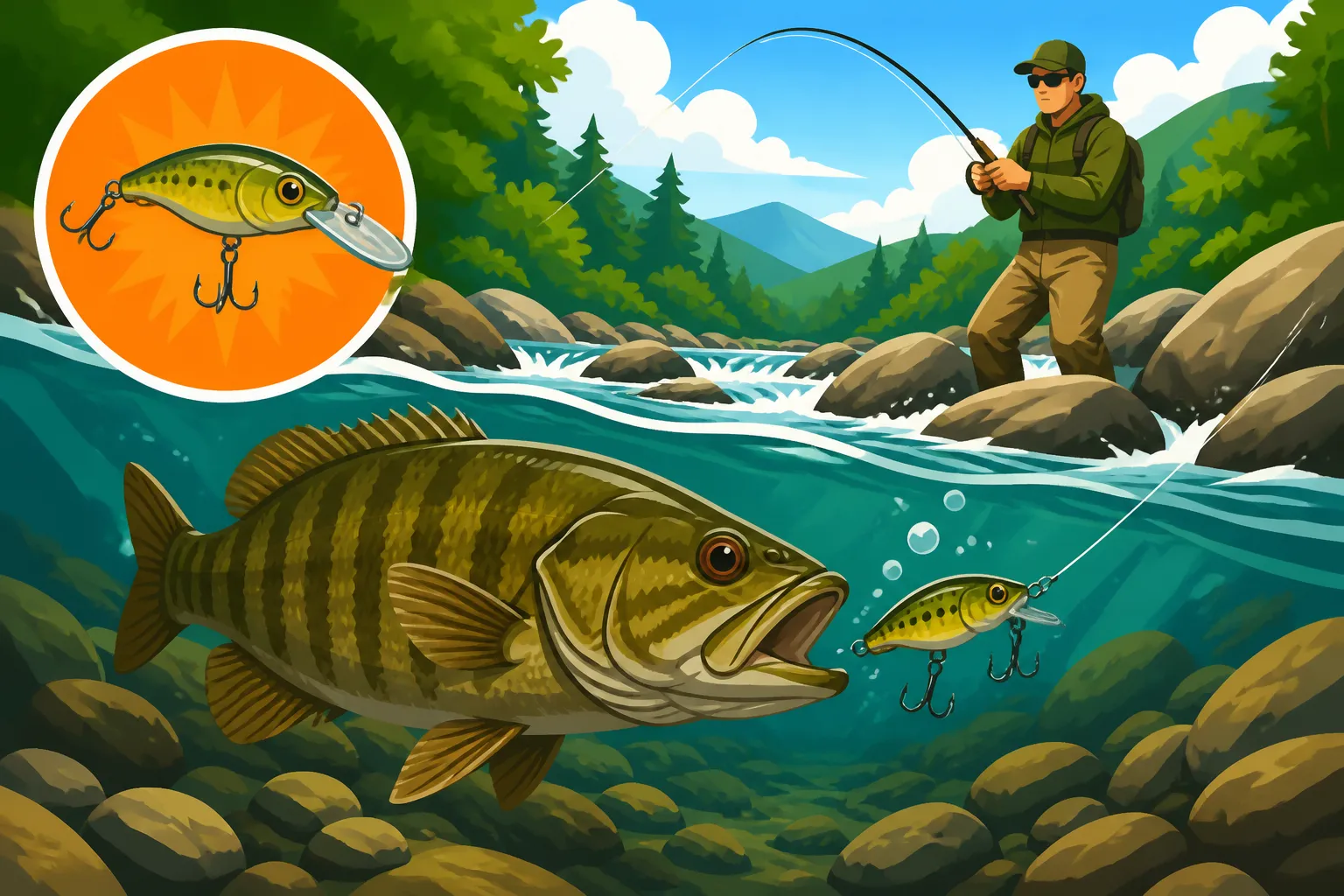
Hard Baits: Small crankbaits and jerkbaits can be deadly, especially those with a tight wobble that can cut through the current. Look for shallow-diving crankbaits (in the 1-6 foot diving range) in natural crawfish or minnow patterns. Jerkbaits are fantastic for imitating injured baitfish; cast them into current breaks and work them with a twitch-twitch-pause retrieve. Topwater lures, such as small poppers or walk-the-dog baits, can create explosive strikes during low-light conditions or when smallmouth are actively feeding on the surface.
Live Bait: Don't underestimate the power of live bait in streams. Live crawfish, hellgrammites, or even small minnows drifted naturally through current seams or into deep pools are irresistible to smallmouth. You can fish them on a simple hook-and-split-shot rig. Just remember to check local regulations on live bait use, as some areas have restrictions. Sometimes, Best Bait for Smallmouth Bass in Cold Water might even surprise you with its simplicity, often leaning towards natural offerings.
Effective Techniques for Rocky Stream Smallmouth
Getting your lure to where the fish are, and presenting it in a way that looks natural, is where the art of stream fishing truly comes in. It's about working with the water, not against it, and understanding how smallmouth react to both current and presentation.
Casting and Presentation Strategies
Accuracy is paramount when casting in rocky streams. You're often targeting specific current seams, eddies behind boulders, or pockets of slack water. Overcasting or missing your mark can lead to immediate snags or spooked fish. Practice pitching and roll casting to place your lure precisely in tight quarters.
When using soft plastics or jigs, the "dead drift" or "drag" technique is incredibly effective. Cast upstream or quartering upstream and allow your lure to tumble naturally with the current, maintaining just enough tension to feel subtle bites. It's crucial to let the current do the work, making your lure appear like a helpless, drifting meal. When fishing current seams, try to cast just above and into the faster water, letting your lure wash into the slower water where the smallmouth are likely waiting. For crankbaits, cast across or slightly downstream and retrieve just fast enough to get the lure to dive and wobble, working it along the edges of structure. Remember, smallmouth are aggressive, but they also appreciate a natural presentation. Understanding Spin Fishing Techniques for Trout can often translate well to smallmouth stream fishing, as both species often react to similar current-focused presentations.
Wading and Approach Tips
Wading rocky streams is an experience in itself, but it requires caution and a thoughtful approach. First and foremost, safety is key. Always wear sturdy wading boots with good ankle support, and consider a wading staff for added stability, especially in swift current or on slippery rocks. Felt soles offer excellent grip on wet rocks but can be slick on dry ground; rubber soles are a good all-around choice. Best Fly Rods and Waders for Tennessee Trout Streams might give you some ideas on suitable footwear for wading, even if your target is smallmouth.
Approach the water carefully and quietly. Smallmouth in clear streams are highly sensitive to vibrations and shadows. Work your way upstream if possible; this keeps you behind the fish's natural field of vision, reduces the chance of silhouetting yourself, and allows you to present your lure downstream naturally. Move slowly and deliberately, disturbing the water as little as possible. Often, the fish are closer than you think, especially in those prime current breaks or deep pockets near the bank. Try to cast to a spot before you step into its vicinity. A methodical approach, covering all the likely holding spots as you move, will significantly increase your success. Think about it like hunting; stealth and observation are just as important as the cast itself. Fishing From the Bank vs a Boat can be a very different experience, and wading truly lets you explore the nuances of a stream.
Seasonal Considerations for Smallmouth in Streams
Just like any fish, smallmouth bass in rocky streams change their behavior and location based on the season and prevailing water conditions. Understanding these patterns is key to consistently finding and catching them throughout the year. The constant ebb and flow of a stream, combined with temperature fluctuations, dictates where smallmouth will feel most comfortable and where they'll be looking for food. Tennessee Smallmouth Bass Fishing Season often points to year-round opportunities, but tactics definitely shift.
Spring and Summer Tactics
Spring is an exciting time for stream smallmouth, especially as water temperatures begin to rise, signaling the pre-spawn and spawning periods. During pre-spawn, smallmouth will move into shallower, more accessible areas with gravel bottoms, preparing to build nests. They'll be feeding aggressively, trying to pack on energy. This is a great time for moving baits like small crankbaits or jerkbaits, as well as tubes and crawfish imitations worked slowly along the bottom. Look for them in slower, gravelly runs and the tails of pools.
As summer progresses and water temperatures climb, smallmouth often become more active and spread out. They'll hold in areas with cooler, more oxygenated water, which often means deeper pools, shaded areas, or faster riffles. Early mornings and late evenings are prime times, as the sun's intensity decreases. During the heat of the day, they might retreat to the deepest, shadiest cover they can find. Topwater lures can be incredibly exciting during low-light summer hours, as smallmouth will aggressively strike anything resembling a struggling insect or baitfish on the surface. Tubes, small jigs, and even small spinnerbaits worked through current seams remain effective throughout the summer. Remember that How Water Temperature Affects Fish Activity is a huge factor in their behavior.
Fall Fishing in Rocky Streams
Fall can be an absolutely fantastic time to target smallmouth in rocky streams, often considered by many experienced anglers to be one of the best seasons. As water temperatures start to cool, smallmouth enter a "feeding frenzy" mode, trying to gorge themselves before the leaner winter months. They become very aggressive and will chase down lures with gusto.
During early fall, you might find them actively feeding in many of the same areas as summer, but with increased intensity. As the water cools further, smallmouth will often move to deeper pools and current breaks, conserving energy but still feeding heavily. Crankbaits, especially those mimicking crawfish, can be deadly when retrieved through deeper runs and along rocky ledges. Soft plastics like tubes and grubs, fished slowly along the bottom, are also highly effective, as are small swimbaits that imitate baitfish. This is a time when the fish are often at their heaviest, making for some truly memorable catches. Always be aware of falling leaves, however, as they can make wading tricky and snag your lures.
Comparing Smallmouth Bass Gear
To give you a quick overview of common gear choices for smallmouth bass in rocky streams, here's a comparison:
| Gear Category | Recommended Choice | Why it Works |
|---|---|---|
| Rod | 6'6" – 7'0" Medium-Light to Medium Power | Versatile for casting, sensitive for bites, strong enough for fish. |
| Reel | 1000 – 2500 Spinning Reel | Lightweight, balances well, smooth drag for fighting fish in current. |
| Main Line | 8-15 lb Braided Line | Excellent sensitivity, casting distance, and strength. |
| Leader | 6-10 lb Fluorocarbon Leader | Nearly invisible, abrasion resistant against rocks. |
| Soft Plastics | Tubes, Grubs, Small Creature Baits | Mimic crawfish/baitfish, versatile, effective in current. |
| Hard Baits | Small Crankbaits, Jerkbaits, Topwaters | Imitate baitfish, crawfish, great for active fish and varying depths. |
| Live Bait (if allowed) | Crawfish, Hellgrammites, Minnows | Irresistible natural presentation, highly effective. |
| Wading Gear | Sturdy Wading Boots, Wading Staff | Safety, stability, and stealth when moving in current. |
Disclaimer
This article is for general informational purposes only and does not constitute professional advice. Laws, prices and regulations vary by location and change over time. Consult a qualified professional for guidance on your specific situation.