Is Redeye Bass Good to Eat?
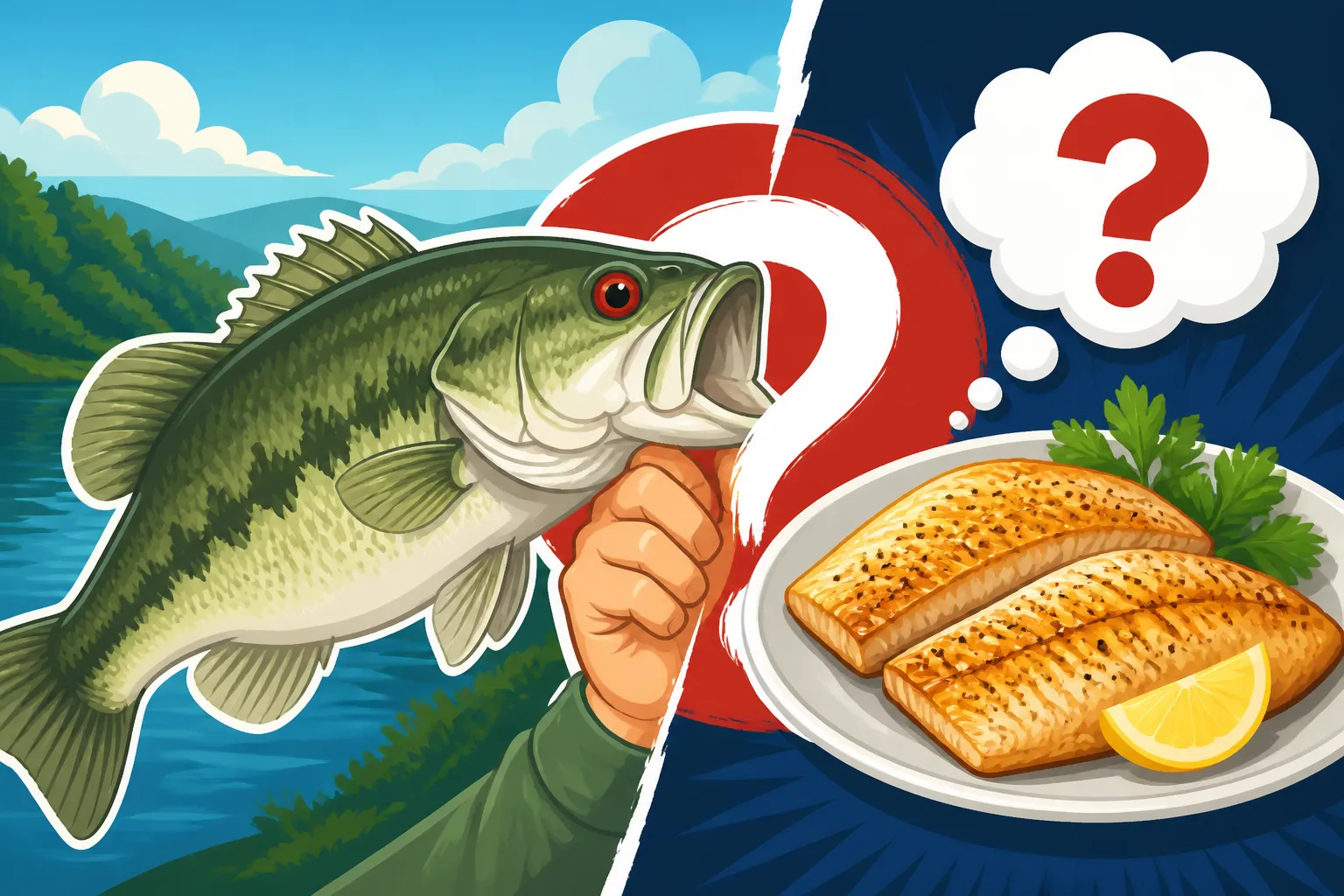
You've just reeled in a feisty redeye bass from one of Tennessee's clear, flowing streams, and as you admire its vibrant colors and tenacious fight, a familiar question pops into your head: is this beautiful fish destined for the dinner plate, or is it better off released? It's a valid curiosity many anglers have, especially when encountering a species that might not be as common on the supper menu as, say, a crappie or a largemouth. This guide is here to unravel the mystery, diving deep into the culinary potential of the redeye bass and helping you decide whether to keep it or let it swim free.
Understanding Redeye Bass: More Than Just a Game Fish
The redeye bass, often overshadowed by its larger cousins like the largemouth and smallmouth, holds a special place in the hearts of many Tennessee anglers. These aren't your typical lake dwellers; they thrive in the clearer, cooler waters of our smaller rivers and streams, providing a unique challenge and a beautiful catch. But what exactly defines a redeye, and why do folks pursue them?
Redeye Bass Identification and Habitat
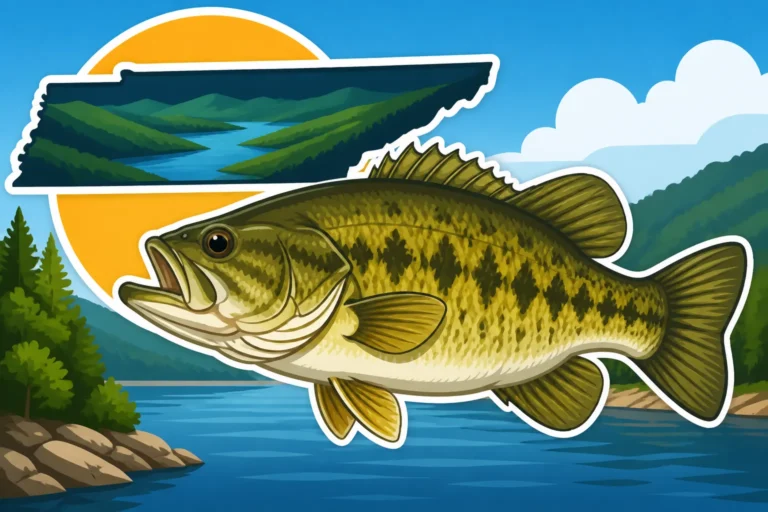
Imagine a bass that looks a bit like a smallmouth but with distinct red or orange fins and, true to its name, a reddish iris. That's your redeye bass. They typically don't grow as large as a largemouth or even a smallmouth, usually topping out at around 12-15 inches, though bigger ones are certainly out there. In Tennessee, you'll often find them in the pristine, rocky flows of the upper Cumberland and Tennessee River drainages, preferring areas with plenty of current, submerged rocks, and overhanging vegetation that provide ambush points. They are truly a species of beauty and challenge, often found in stunning, undisturbed settings that make the fishing experience all the more rewarding. If you're looking for these beauties, you'll want to check out spots with clean water and rocky bottoms. For a deeper dive, you can learn more in Redeye Bass: A Tennessee Native Worth Knowing and get tips on Where to Find Redeye Bass in Tennessee Streams.
Their diet in these stream environments typically consists of insects, crayfish, and smaller baitfish. This natural, varied diet, influenced heavily by the specific ecosystem they inhabit, is a crucial factor when we start talking about how they might taste. Unlike their reservoir-dwelling counterparts, which might feed on a wider array of species (and sometimes on less-than-pristine forage), redeye bass often have a cleaner, more "wild" diet due to their environment. This can, of course, influence the flavor of their flesh, a topic we'll explore in detail shortly.
The Fight of the Redeye: Why Anglers Love Them
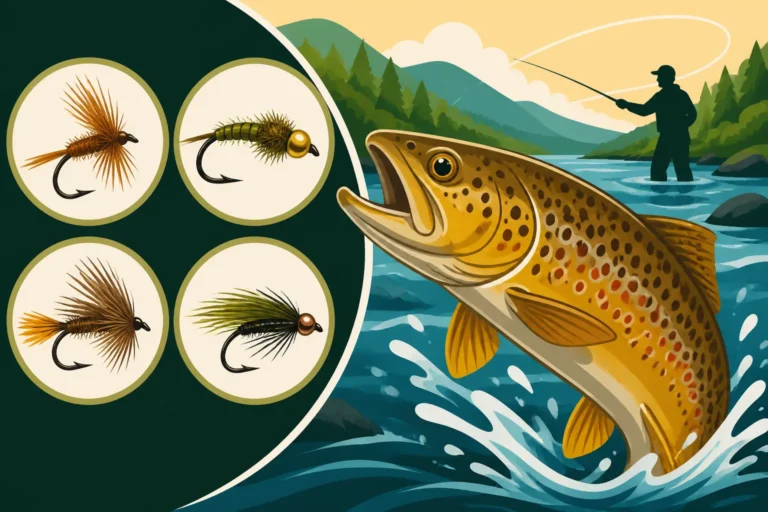
What redeye bass lack in size, they more than make up for in spirit. Hook into one of these fish, and you're in for a surprising fight! They are incredibly scrappy for their size, pulling hard, darting, and often jumping, making them a fantastic target for light tackle. Many anglers specifically seek them out for this thrill, enjoying the challenge of navigating stream currents and presenting small lures or flies in their preferred habitats. It's not uncommon to hear tales of a redeye giving a fight that rivals a smallmouth twice its size.
This sporting quality often means that many redeye bass caught are released, allowing them to continue their life cycle and provide future enjoyment for other anglers. The focus for many pursuing redeyes isn't necessarily a full stringer for dinner, but rather the pure joy of the catch in a beautiful setting. This perspective is vital when considering their value as table fare—sometimes a fish's greatest contribution is the experience it provides, not the meal. However, that doesn't mean they can't be a delicious part of a meal, which brings us to our next big question.
The Culinary Verdict: Is Redeye Bass Good to Eat?
Okay, let's get down to the brass tacks: you've caught a redeye, and you're wondering if it's worth the effort of cleaning and cooking. The short answer? Yes, absolutely, redeye bass can be good to eat! But like many things in the culinary world, it's not a simple black and white answer. There are nuances in flavor, texture, and how best to prepare them that can make all the difference between a delightful meal and a less-than-stellar one.
Flavor Profile and Texture
When properly handled and cooked, redeye bass offers a mild, somewhat flaky white meat. Compared to some other freshwater species, their flavor tends to be less "fishy" than, say, a channel catfish, and often a bit milder than a largemouth bass from a muddy reservoir. Many describe it as clean-tasting, especially when caught from cold, clear streams. The texture is generally firm but can be delicate, flaking nicely when cooked. It's often likened to a stream-caught smallmouth bass, which is another species highly regarded for its table quality from cleaner waters.
Now, it's important to manage expectations. You're not going to get the rich, fatty flavor of a salmon or the robust taste of a pan-fried catfish. Redeye bass offers a more subtle experience, which makes it incredibly versatile for various preparations. Think of it as a canvas ready for your favorite seasonings and cooking methods. If you're typically a fan of white, flaky fish like cod or snapper, you'll likely appreciate the redeye's profile, assuming it comes from a good environment.
Factors Influencing Taste
The taste of any fish, including redeye bass, is profoundly influenced by several key factors. It's not just about the species; it's about their environment and diet.
- Water Quality: This is arguably the biggest determinant. Redeye bass from cold, clear, flowing streams with good oxygen levels will almost always taste better than fish from stagnant, warm, or murky waters. Cleaner water means a cleaner diet and less absorption of undesirable flavors from their surroundings. This is why location truly matters. A redeye from a pristine mountain creek might taste quite different from one caught downstream in an area with more agricultural runoff.
- Diet: As mentioned earlier, redeye bass primarily feed on aquatic insects, crustaceans, and small forage fish. A natural, varied diet contributes to a healthier, better-tasting fish. If their primary food source is something less palatable, that can subtly affect the flavor.
- Size: Generally, smaller, younger redeye bass tend to have a milder flavor and more tender flesh. As fish get older and larger, their meat can sometimes become tougher and their flavor more pronounced, though this is less of a concern with redeye bass since they don't reach extreme sizes. Often, fish in the 10-14 inch range are considered ideal for eating.
- Season: While not as dramatic as with some other species, the time of year can also play a role. Fish caught in cooler months might have firmer flesh and a cleaner taste compared to those caught during the peak of summer when water temperatures are highest and metabolic rates are accelerated.
Understanding these factors helps you make an informed decision at the stream bank. If you're fishing a gorgeous, clean stream, chances are good that any redeye you decide to keep will be a tasty meal.
Preparing Redeye Bass for the Table
Once you've decided to keep a redeye bass for dinner, proper handling is paramount to ensuring the best flavor. Start by dispatching the fish quickly and humanely. Then, get it on ice as soon as possible. This rapid chilling slows bacterial growth and maintains the quality of the flesh. A good cooler packed with ice is your best friend here. If you're out on the water for a while, consider a small stringer or a cooler bag dedicated to your catch. You can find some excellent coolers and fish bags on Amazon that are perfect for keeping your catch fresh.
When it comes to cleaning, redeye bass are pretty straightforward. Scale them, gut them, and then you can either cook them whole (especially smaller ones) or fillet them. For filleting, use a sharp, flexible fillet knife. Run the knife behind the gill plate, down the backbone, and then along the rib cage. Rinse the fillets quickly in cold water and pat them dry. Some anglers prefer to skin the fillets, as the skin can sometimes impart a stronger flavor, but it's a matter of personal preference. A good filleting station, perhaps one you picked up from Amazon, can make this process much easier and cleaner, especially if you're dealing with multiple fish.
Best Practices for Enjoying Your Catch (or Releasing It)
Making the decision to keep or release a fish involves a mix of factors: personal taste preference, conservation ethics, and practical considerations like size and fishing regulations.
Catch-and-Release Considerations
For many anglers, the redeye bass is primarily a catch-and-release species. Their smaller size and the joy of their spirited fight make them excellent sport fish. Releasing them ensures healthy populations, especially in delicate stream ecosystems where they reside. This practice aligns with responsible angling, preserving the resource for future generations. If you're focused on conservation or simply prefer not to deal with cleaning smaller fish, then a careful release is always a great option. Make sure to handle them gently, minimize their time out of water, and use appropriate tools like needle-nose pliers for hook removal. You can find robust and fish-friendly hook removers on Amazon if you don't already have some.
However, if you're keeping a few for the table, remember that fish kept legally are part of a renewable resource managed by wildlife agencies. Check Tennessee Fishing Season and Catch Limits for specific regulations in your area to ensure you're compliant. There's no shame in enjoying your legal catch!
Cooking Methods to Enhance Flavor
Given their mild flavor and flaky texture, redeye bass are incredibly versatile in the kitchen. The key is not to overpower their delicate taste but to complement it.
- Pan-Frying: This is a classic for a reason. Lightly dredge the fillets in seasoned flour or cornmeal (I like a mix of salt, pepper, and a touch of paprika!), then pan-fry them in a little butter or oil until golden brown and flaky. This method creates a lovely crispy exterior while keeping the inside moist. It's simple, delicious, and highlights the fish's natural flavors.
- Baking or Broiling: For a healthier option, baking or broiling fillets with a squeeze of lemon, a pat of butter, and some fresh herbs like dill or parsley works wonderfully. Wrap them in foil for baking to seal in moisture, or broil for a few minutes until cooked through and slightly caramelized on top.
- Grilling: If you have larger fillets, grilling can be an excellent choice. Brush them with olive oil and your favorite seasonings, then grill over medium-high heat until they flake easily. Just be careful not to overcook them, as thinner fillets can dry out quickly.
- Fish Tacos: The mild, flaky meat of redeye bass is perfect for fish tacos! Flake the cooked fish into warm tortillas with your favorite slaw, salsa, and a squeeze of lime. It's a fresh and exciting way to enjoy your catch.
Remember, the goal is to enhance, not mask, the natural flavor of the fish. Freshness is key, so cook your redeye bass soon after catching for the best results.
Size Matters: When to Keep and When to Release
When it comes to keeping redeye bass for eating, size does play a role in both taste and practicality. As a general rule, redeye bass between 9 and 14 inches are often considered ideal for the table. These fish tend to have the best flavor and texture—not too small to be impractical to clean, and not so large that the meat becomes tough or develops a stronger, sometimes less desirable, flavor.
Smaller fish, those under 9 inches, might be more trouble than they're worth to clean, and keeping too many can impact the population's future growth. Larger fish, while offering more meat, can sometimes be older and their flesh a bit tougher. Plus, the truly large redeye bass are often the brood stock, important for maintaining healthy populations. It's a balance between enjoying your catch and practicing sustainable angling. Always be mindful of local regulations, as daily limits and minimum size restrictions can vary. This careful approach helps ensure that species like the redeye bass remain plentiful for generations to come. Tennessee Smallmouth Bass Fishing Season might offer insights into general bass seasons that apply to stream-dwelling species.
Redeye Bass vs. Other Tennessee Bass Species on the Plate
Tennessee is blessed with a fantastic variety of bass species, each offering a unique angling experience. But when it comes to culinary qualities, how does the redeye stack up against its more famous cousins?
Comparing Redeye to Largemouth and Smallmouth
Let's put it in a table, shall we? This will give you a quick overview of how redeye bass compares to the bass species most commonly kept for eating in Tennessee.
| Feature | Redeye Bass | Largemouth Bass | Smallmouth Bass |
|---|---|---|---|
| Typical Habitat | Clear, cool, rocky streams and small rivers | Warm, often turbid lakes, ponds, slow rivers | Clear, cool rivers, rocky lakes |
| Flavor Profile | Mild, clean, subtle, slightly sweet | Can be mild to somewhat earthy; varies greatly with water quality | Mild, clean, firm, often considered excellent |
| Texture | Flaky, firm, but can be delicate | Flaky to somewhat mushy; depends on size and diet | Firm, flaky, robust |
| Common Size for Eating | 9-14 inches | 12-18 inches | 12-16 inches |
| Best Cooking Methods | Pan-fry, bake, broil, tacos | Pan-fry, bake, blacken, grill, fish fries | Pan-fry, bake, grill, ceviche, smoking |
| "Fishy" Factor | Low | Medium (can be higher from murky water) | Low |
As you can see, redeye bass holds its own quite well, especially when compared to a smallmouth bass. The smallmouth is often hailed as one of the best-eating freshwater fish, and the redeye shares many of those desirable qualities, particularly when both are caught from similar pristine environments. In contrast, largemouth bass can sometimes have a more "earthy" or stronger flavor, particularly if they come from warmer, less clear waters, though a largemouth from a clean lake can be absolutely delicious. For more on their culinary merits, check out Is Largemouth Bass Good to Eat? and Is Smallmouth Bass Good Table Fare?.
Why Some Anglers Prefer Other Species
Despite the redeye's good eating qualities, you don't hear about them being a primary target for dinner as much as crappie, catfish, or even largemouth bass. Why is that?
- Size: Redeye bass typically don't grow very large. While a 12-inch redeye is a fantastic catch, it doesn't yield as much meat as a 3-pound largemouth or a hefty channel catfish. For anglers looking to fill a cooler for a big family fish fry, other species simply offer more meat per fish. This makes the cleaning effort more "worthwhile" in terms of yield for many.
- Accessibility: Redeye bass habitats, being fast-flowing, rocky streams, can sometimes be harder to access for casual anglers. You often need to wade or use smaller craft, and the fishing can be more technical. Many prefer the ease of fishing from a boat on a large reservoir for species that are plentiful and easier to catch in numbers.
- Reputation as a Sport Fish: As we discussed, the redeye's spirited fight has cemented its reputation as a premier sport fish. Many anglers consider them too valuable for their fighting prowess to keep for the table, opting instead for catch and release to enjoy them again. It's a testament to their feistiness!
- Familiarity: Let's be honest, many people just aren't as familiar with redeye bass as table fare. They know crappie for frying, catfish for breading, and largemouth for grilling. The redeye hasn't quite broken into the mainstream consciousness as a "dinner fish," which is a shame because it truly can be quite good. Perhaps with more articles like this, we can change that perception!
Ultimately, the choice is yours. If you appreciate a mild, clean-tasting white fish and enjoy the challenge of catching them in beautiful stream settings, then absolutely, give redeye bass a try on your dinner plate. You might just discover a new favorite!
Disclaimer
This article is for general informational purposes only and does not constitute professional advice. Laws, prices and regulations vary by location and change over time. Consult a qualified professional for guidance on your specific situation.