Is Largemouth Bass Good to Eat?
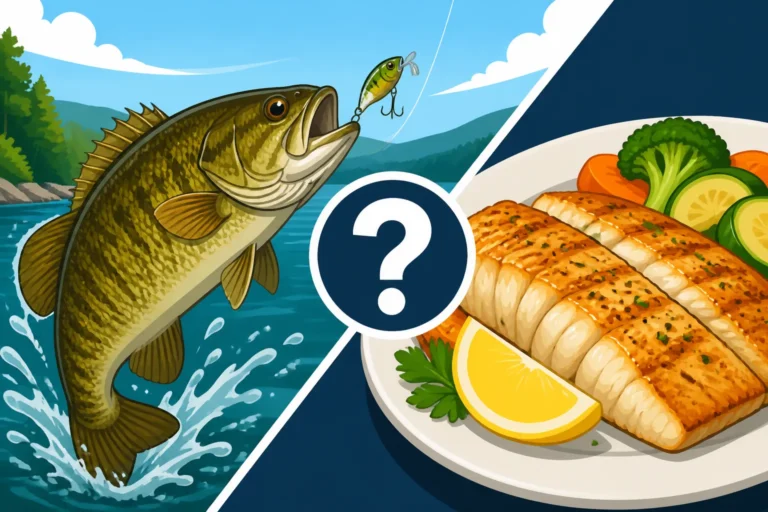
Oh, the age-old question that divides anglers and sparks debates around campfires and fishing docks! Many people cast a line for largemouth bass primarily for the thrill of the fight, considering them strictly a sport fish. Then there's another camp that eyes them up as potential dinner, but often with a caveat: "Are they actually good to eat, or will they taste like mud?" If you've ever found yourself wondering whether to release that chunky bass or take it home for supper, you're in the right place. This comprehensive guide will tackle the myths and truths about eating largemouth bass, providing you with everything you need to know to turn your catch into a delicious meal, or confidently release it knowing you've made an informed choice.
The Truth About Largemouth Bass as Table Fare
Let's cut right to it: yes, largemouth bass can be absolutely delicious. But like so many things in life, it's not a simple yes or no answer. The reputation of largemouth bass as table fare is often unfairly maligned, largely due to a few common misconceptions and, frankly, poor handling or cooking techniques. When caught from clean, healthy waters and prepared with a little care, the flesh of a largemouth bass is firm, flaky, and has a mild, white fish flavor that can easily rival other popular freshwater species. It's often compared to snapper or even cod, especially when expertly prepared. The key differentiator isn't the species itself, but rather a combination of environmental factors and post-catch handling.
Factors Influencing Flavor: It's All About Their Environment
You know how they say "you are what you eat"? Well, for fish, it's more like "you are where you eat, and what you eat." The environment a largemouth bass calls home plays an enormous role in its ultimate flavor profile. This isn't just about personal preference; it's scientific.
- Water Quality is King: This is, hands down, the most critical factor. Bass from cold, clear, well-oxygenated bodies of water will almost always taste better than those from warm, murky, stagnant ponds or sluggish river sections. Why? Those "muddy" or "grassy" flavors often come from organic compounds like geosmin and methylisoborneol (MIB). These are produced by certain types of blue-green algae and bacteria that thrive in warm, nutrient-rich, low-oxygen conditions. The fish absorb these compounds through their gills and skin, and they accumulate in the fatty tissues. So, a bass from a pristine mountain lake in East Tennessee is likely to be a completely different culinary experience than one from a shallow, overpopulated farm pond baking in the August sun. When you're fishing in Tennessee, consider the clarity and depth of the water body. For instance, bass from deep, clear reservoirs like Norris Lake Fishing Guide, Tennessee's Clearest Water might offer a cleaner taste than those from a shallow, turbid backwater.
- Dietary Habits: What a bass has been munching on also contributes to its taste. Bass that feed predominantly on smaller baitfish like shad, shiners, or bluegill tend to have firmer, cleaner, and less "fishy" tasting flesh. This diet provides them with a consistent source of quality protein and healthy fats. On the flip side, bass that are primarily foraging on insects, crayfish, or even detritus from a silty bottom might pick up some of those earthy or "off" flavors in their flesh. A varied diet in a vibrant ecosystem usually translates to a more appealing flavor.
- Seasonality: Even within the same body of water, a bass's flavor can change with the seasons. During warmer months, especially in late summer, water temperatures rise, and algal blooms can become more prevalent. This is when you're most likely to encounter a bass with that "muddy" taste. In contrast, bass caught in cooler water during spring or fall generally have a cleaner flavor, as the conditions for off-flavor producing organisms are less favorable.
Size Matters (Sometimes): When Bigger Isn't Always Better
When it comes to keeping largemouth bass for the dinner table, there's a common misconception that bigger is always better because you get more meat. However, for largemouth bass, this often isn't the case. In fact, many experienced anglers and culinary enthusiasts agree that smaller to medium-sized bass tend to be the most palatable.
- The Sweet Spot for Flavor and Texture: Generally, largemouth bass in the 1 to 3-pound range are considered ideal for eating. Their flesh is typically firmer, flakier, and has a milder flavor. These younger, more active fish haven't had as much time to accumulate environmental compounds that can lead to off-flavors, and their fat content is often more evenly distributed, contributing to a better texture. They also cook more uniformly, making them easier to prepare without drying out.
- Why Trophy Bass are Best Left to Fight Another Day: As bass grow larger, particularly those 5 pounds and above, their flesh can sometimes become coarser, and the flavor can be stronger, occasionally taking on a more "gamey" or pronounced "muddy" taste. These older fish have lived longer and thus had more time to absorb various compounds from their environment. More importantly, those big bass are often the prime breeders in a lake, crucial for maintaining a healthy population. Many conservation-minded anglers strongly advocate for practicing catch-and-release with trophy bass, preferring to let them continue their vital role in spawning and passing on their superior genetics. This is why you'll often see specific regulations, like Tennessee's Largemouth Bass Limit Is 5 Per Day, Only 1 Over 18 Inches, which encourages anglers to release the larger fish.
- Balancing Your Harvest: When you're out on the water, consider keeping those medium-sized bass for the frying pan. Not only do they generally taste better, but harvesting these fish can also be beneficial for the overall health of the bass population in some waters by reducing competition for food and allowing more fish to reach a healthy size. Always double-check the Tennessee Fishing Regulations Explained for the specific body of water you're fishing, as limits can vary by lake.
Catching and Handling Your Largemouth for the Plate
The culinary journey of your largemouth bass begins not in the kitchen, but the moment it leaves the water. How you handle your catch from the hook to the cooler can dramatically influence its final taste and texture. Proper handling ensures that the fish remains fresh, firm, and free from any unwanted flavors.
Proper Filleting for a Better Meal
Filleting a largemouth bass correctly is an art form that directly impacts the quality of your meal. It's not just about removing the meat; it's about making smart cuts to enhance flavor.
- The Right Tools Make All the Difference: Before you even think about cutting, ensure you have a sharp, flexible fillet knife. A dull knife is not only dangerous but also tears the flesh, leading to a poorer quality fillet. Invest in a good knife and keep it razor-sharp. A sturdy cutting board that doesn't slip is also crucial for safety and efficiency.
- Precision Cuts for Prime Flesh: Start by making a cut behind the pectoral fin, extending down to the backbone. Then, turn your knife parallel to the backbone and slice firmly along it all the way to the tail. Repeat on the other side. Once you have your fillets, the next step is crucial: removing the skin. Hold the tail end of the skin firmly against the board, insert your knife between the skin and the flesh at a shallow angle, and saw gently while pulling the skin taught, working your way towards the thicker part of the fillet.
- The Lateral Line: Your Flavor Foe: For largemouth bass, and many other species, there's a darker, reddish strip of meat running along the lateral line. This "bloodline" often holds more of the stronger, sometimes "fishy" or "muddy" flavors. It's highly recommended to trim this section out entirely. While it means a slight reduction in yield, the improvement in taste and appearance is well worth it. Some anglers also trim off any fatty belly strips, as these can also harbor stronger flavors. You want to be left with clean, white, lean meat.
Storage and Freshness: Key to Great Taste
No matter how well you've filleted your bass, improper handling after the catch can quickly degrade its quality. Speed and cold are your best allies in maintaining peak freshness.
- Ice, Ice, Baby!: As soon as you decide to keep a bass, dispatch it humanely and get it into a cooler filled with ice immediately. This is non-negotiable. I mean, we're talking about plunging it into an icy bath, not just laying it on top of a few cubes. Rapid chilling slows down bacterial growth and enzymatic breakdown, which are the primary causes of that unpleasant "fishy" smell and mushy texture. The colder you keep it, the better the final product will be. This principle applies universally, whether you're targeting largemouth or aiming for Crappie Limits Under Tennessee Fishing Rules.
- Short-Term Storage for Immediate Enjoyment: Once filleted, rinse the fillets briefly in cold water to remove any lingering scales or bits, then pat them completely dry with paper towels. Store them in an airtight container or a zip-top bag, ensuring as little air as possible is present, and place them in the coldest part of your refrigerator. Ideally, you should plan to cook your fresh bass within 24-48 hours. The fresher, the better!
- Freezing for Future Feasts: If you've had a particularly successful day and want to save some fillets for later, freezing is a great option. To prevent freezer burn, which can dry out and ruin the fish, a vacuum sealer is highly recommended. Many excellent and affordable vacuum sealers are available on Amazon. If you don't have one, the "water bath" method works wonders: place your fillets in a freezer-safe bag, add just enough water to cover them, press out all the air, seal, and freeze. The ice glaze acts as a protective barrier. Properly frozen bass can maintain good quality for several months, though I always advise consuming it within 3-6 months for the best taste and texture.
Preparing and Cooking Largemouth Bass
You've caught your bass, handled it with care, and expertly filleted it. Now comes the exciting part: bringing out its best flavors in the kitchen! This section will help you banish any lingering "muddy" taste fears and explore delicious cooking methods.
Battling the "Muddy" Taste Myth
The "muddy" taste is the biggest hurdle for many when it comes to eating largemouth bass. While it's true that some fish, particularly from less-than-ideal waters, can have this flavor, it's often something you can mitigate or even eliminate with a few simple tricks.
- The Milk Soak Marvel: This is perhaps the most popular and effective trick up any angler's sleeve. If you're at all concerned about a muddy or earthy taste, try soaking your bass fillets in milk or buttermilk for 30 minutes to an hour in the refrigerator. The lactic acid in the milk is believed to bind to and draw out some of the off-flavor compounds. After soaking, rinse the fillets thoroughly under cold water and pat them completely dry before proceeding with your recipe. You'll be amazed at the difference it can make!
- Brine for Better Bass: A simple saltwater brine can also help. Mix about a quarter cup of salt per quart of cold water and soak your fillets for 30 minutes. This method not only helps to draw out impurities but can also slightly firm up the flesh, giving it a better texture. Again, always rinse well and pat dry before cooking.
- The Trimming Triumph: We've already touched on this, but it bears repeating: diligently removing the lateral line (the darker, reddish meat) and any fatty strips from the belly during filleting is a crucial step in preventing off-flavors from reaching your plate. These areas are often where contaminants and stronger tastes concentrate, so don't be shy about trimming them away. A smaller, cleaner fillet is far more enjoyable than a larger one with undesirable flavors.
Favorite Cooking Methods and Recipe Ideas
Largemouth bass, with its mild, white, and flaky flesh, is surprisingly versatile. It can stand up to a variety of cooking methods and flavor profiles. Here are some tried-and-true ways to turn your catch into a culinary delight:
- Classic Pan-Frying: This is a fan favorite for a reason. Lightly dredge your bass fillets in seasoned flour or cornmeal (I like to mix in a little paprika, garlic powder, and cayenne for a kick). Heat a generous amount of butter or oil in a cast-iron skillet over medium-high heat until shimmering. Fry the fillets for 3-5 minutes per side, depending on thickness, until golden brown and flaky. A squeeze of fresh lemon juice at the end brightens the flavor beautifully.
- Healthy Baking or Broiling: For a lighter meal, baking or broiling is an excellent choice. Place seasoned fillets on a lined baking sheet. Drizzle with olive oil, add a few slices of lemon and fresh herbs like dill or parsley. Bake at around 375°F (190°C) for 10-15 minutes, or broil for 5-7 minutes, until the fish flakes easily with a fork. You can even make delicious foil packets with vegetables for an all-in-one meal and super easy cleanup!
- Grilling for Smoky Goodness: Grilling imparts a wonderful smoky flavor. To prevent the delicate fillets from sticking or falling through the grates, consider using a fish basket or grilling them on cedar planks. Brush the fillets with a simple marinade of olive oil, lemon juice, minced garlic, and your favorite spices before grilling over medium-high heat. Keep an eye on them, as they cook quickly.
- Bold Blackened Bass: If you enjoy a bit of spice, blackening is a fantastic technique. Generously coat your fillets in a dedicated blackening seasoning blend (many are available, or you can make your own with paprika, cayenne, garlic powder, onion powder, and dried herbs). Heat a heavy cast-iron skillet (preferably outdoors due to the smoke) until it's screaming hot, add a thin layer of butter or oil, and then sear the fillets for only 1-2 minutes per side until a dark, crusty char forms. The intense heat cooks the fish incredibly fast, sealing in moisture and creating a spicy, flavorful crust.
Essential Kitchen Tools for Bass Prep
Having the right tools can make preparing your largemouth bass an enjoyable experience rather than a struggle. Investing in a few key items will elevate your culinary game.
- High-Quality Fillet Knife: I can't stress this enough. A sharp, flexible fillet knife is absolutely critical for clean cuts and minimal waste. You'll find a wide range of excellent fillet knives on Amazon, from budget-friendly options to professional-grade tools. Remember to pair it with a good knife sharpener to keep it in prime condition.
- Sturdy Cutting Board: A large, non-slip cutting board provides a safe and sanitary surface for filleting. Many anglers prefer plastic cutting boards for fish because they are easier to clean and sanitize than wooden ones, preventing cross-contamination.
- Vacuum Sealer: For preserving your catch long-term, a vacuum sealer is a game-changer. It removes air from the packaging, dramatically extending the freezer life of your fillets by preventing freezer burn. There are many reliable and user-friendly vacuum sealers available, often found on Amazon, that will pay for themselves by keeping your fish fresh.
- Cast Iron Skillet: A well-seasoned cast iron skillet is invaluable for pan-frying and blackening. Its ability to retain and distribute heat evenly ensures a beautiful crust and perfectly cooked fish every time. These versatile skillets are durable, last a lifetime, and can be easily sourced from retailers, including Amazon.
- Fish Scaler (Optional): While most bass are skinned, if you ever decide to keep the skin on for certain recipes or are cleaning other panfish like bluegill, a dedicated fish scaler can make the job much faster and less messy than using a knife.
- Digital Meat Thermometer: For absolute precision, especially if you're new to cooking fish, a digital meat thermometer can be your best friend. Fish is cooked when its internal temperature reaches 145°F (63°C). This ensures it's safe to eat without being overcooked and dry.
Beyond the Plate: Health Considerations and Sustainability
Enjoying your freshly caught largemouth bass is a wonderful experience, but a responsible angler also considers the broader implications of harvesting fish. This includes being aware of potential health advisories and the impact on the fish population.
Understanding Consumption Advisories
While largemouth bass can be a healthy source of protein, it's vital to be informed about any local fish consumption advisories. This is a critical aspect of safe eating.
- Accumulation of Contaminants: Like many predatory fish, largemouth bass sit higher up the food chain, meaning they can accumulate higher levels of environmental contaminants, such as mercury and PCBs, than smaller, non-predatory species. These contaminants can be more concentrated in older, larger fish simply because they've had more time to accumulate them over their lifespan.
- Checking Official Advisories: The Tennessee Wildlife Resources Agency (TWRA), in conjunction with the Tennessee Department of Environment and Conservation, regularly monitors fish populations and issues consumption advisories for specific bodies of water. These advisories provide guidelines on how much fish from certain areas can be safely consumed, particularly for vulnerable groups like pregnant women, nursing mothers, and young children. It's always a good practice to check these resources before regularly eating fish from a new lake or river. This information is often available on their websites and sometimes posted at public access points, complementing general guidelines like Tennessee Fishing Rules Every Angler Should Know.
- Diversify Your Diet: A wise approach is to eat a variety of fish from different sources. This helps minimize your exposure to any single contaminant that might be present in a particular body of water. If you regularly enjoy largemouth bass, consider balancing your diet with other species or purchasing fish from regulated, commercial sources occasionally.
The Ethics of Keeping Largemouth Bass
Deciding whether to keep a largemouth bass for dinner isn't solely about taste or legal limits; it also involves ethical considerations regarding conservation and responsible angling practices.
- The Catch and Release Ethos: Many dedicated bass anglers are passionate about catch and release, especially for the larger, "trophy" sized fish. This practice stems from a deep respect for the sport and a commitment to maintaining healthy fish populations. By releasing bigger fish, anglers help ensure that these valuable breeders can continue to spawn and contribute to future generations of bass. The specific rules, such as Tennessee's Largemouth Bass Limit Is 5 Per Day, Only 1 Over 18 Inches, are often designed to support this conservation-minded approach.
- Population Management Through Harvest: Interestingly, in certain situations, harvesting medium-sized bass (those 1-3 pounds we identified as best for eating) can actually be beneficial for a fishery. In lakes with overpopulated or stunted bass populations, selective harvest can help thin out the numbers, reducing competition for food and allowing the remaining fish to grow larger and healthier. This aligns with the principles of sustainable Tennessee Fishing Season and Catch Limits.
- Making an Informed Choice: Ultimately, the decision to keep a bass for food is a personal one, always guided by your local Tennessee Fishing Regulations Explained. If you choose to harvest, ensure you are well within the legal limits, handle the fish humanely, and commit to utilizing the entire catch. Being a responsible steward of our natural resources ensures that the joy of fishing, and the option to bring home a tasty meal, remains available for generations to come.
Largemouth Bass Eating Guide
| Factor | Best for Eating Largemouth Bass | Less Ideal for Eating Largemouth Bass | Notes |
|---|---|---|---|
| Fish Size | 1-3 pounds | 5+ pounds | Smaller fish generally have milder flavor, firmer texture, and are often better for the fishery to harvest. |
| Water Quality | Cold, clear, flowing water (e.g., deeper sections of large lakes/rivers) | Warm, shallow, stagnant, murky water (e.g., farm ponds, river backwaters) | Clean water significantly reduces "muddy" or "grassy" off-flavors (geosmin/MIB). |
| Diet | Primarily baitfish (e.g., shad, bluegill) | Primarily insects, crayfish, detritus | A baitfish-rich diet contributes to cleaner, firmer flesh. |
| Freshness | Immediately iced after catch, filleted, eaten within 1-2 days | Left warm in a livewell for hours, stored long in fridge | Rapid cooling and quick consumption are paramount to prevent spoilage and "fishy" smells. |
| Preparation | Filleted, lateral line (bloodline) removed, milk/saltwater soaked (optional) | Uncleaned, lateral line left in, improperly stored | Proper trimming and pre-soaking can effectively mitigate any potential off-flavors, resulting in clean, white fillets. |
| Cooking Method | Pan-fried, baked, broiled, grilled, blackened | Overcooked, stewed in heavy sauces that mask flavor | Versatile white meat that shines with simple, fresh preparations; avoid overcooking to maintain flaky texture. |
Disclaimer
This article is for general informational purposes only and does not constitute professional advice. Laws, prices and regulations vary by location and change over time. Consult a qualified professional for guidance on your specific situation.